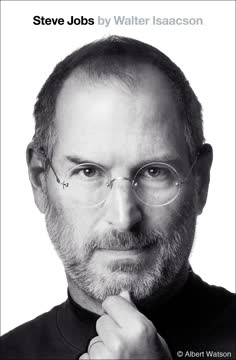
重點摘要
1. 喬布斯的遠見領導力改變了蘋果並革新多個產業
「他站在人文與科學的交匯點,讓全世界意識到設計的重要性。」
遠見領導力: 史蒂夫·喬布斯獨特地將科技與設計及行銷結合,不僅革新了電腦產業,也改變了音樂、手機和動畫產業。他對蘋果的願景不僅是打造優秀產品,更是透過科技改變世界。
產業顛覆: 在喬布斯的領導下,蘋果推出了重新定義整個產業的劃時代產品:
- 麥金塔電腦(Macintosh):以圖形使用者介面革命化個人電腦
- iPod 與 iTunes:改變音樂產業及數位媒體的消費方式
- iPhone:重新定義智慧型手機與行動運算
- iPad:創造介於智慧型手機與筆記型電腦之間的新裝置類別
喬布斯預見並創造消費者需求的能力,使蘋果在競爭者中脫穎而出,成為創新的領導者。
2. 對完美與設計的熱情推動蘋果創新產品開發
「設計不只是外觀與觸感,設計是它如何運作。」
注重細節: 喬布斯對完美的執著延伸至蘋果產品的每個細節,從使用者介面到包裝。他相信即使是用戶看不見的部分也應該精美設計,展現公司對品質的承諾。
設計理念:
- 簡約:推動直覺且易用的設計
- 整合:硬體與軟體的無縫結合
- 美學:注重產品的視覺吸引力
喬布斯與設計總監喬納森·艾維(Jony Ive)的合作,打造出既實用又具藝術性的經典產品。這種設計理念成為蘋果品牌的基石,也是市場上的重要差異化因素。
3. 喬布斯複雜的個性塑造了他的管理風格與公司文化
「他是將藝術與科技連結的天才,憑直覺與想像力做出飛躍。」
嚴苛的領導風格: 喬布斯以情緒多變和嚴格標準著稱。他直言不諱,常先否定某些想法為「垃圾」,但後來又可能接受。這種管理方式雖具爭議,卻激勵員工達成看似不可能的目標。
公司文化:
- 追求卓越:灌輸追求完美的文化
- 創新精神:鼓勵跳脫框架、挑戰傳統智慧
- 保密制度:嚴格控管資訊,營造新產品的期待感
儘管個性難以相處,喬布斯激發了許多員工的忠誠與熱情,推動他們超越自我限制,創造突破性創新。
4. 策略夥伴關係與併購推動蘋果成長與復興
「我發現最好的創新有時是公司本身,組織公司的方式。」
關鍵夥伴關係: 喬布斯深知策略聯盟對蘋果業務成長的重要性,著名的合作包括:
- 微軟:一項具爭議但關鍵的投資,幫助蘋果於1997年度過難關
- 迪士尼:透過皮克斯合作,後來將皮克斯賣給迪士尼
併購策略: 喬布斯有策略性地收購公司以強化蘋果能力:
- NeXT:讓喬布斯重返蘋果,並奠定 Mac OS X 的基礎
- Siri:使蘋果進入語音助理市場
喬布斯在建立夥伴關係與併購上的商業智慧,與他的產品願景相輔相成,讓蘋果擴展生態系並保持競爭優勢。
5. 蘋果的零售策略重新定義消費電子購物體驗
「除非我們能在店內向顧客傳達訊息,否則我們完蛋了。」
零售創新: 喬布斯認識到掌控顧客體驗的重要性,儘管業界專家持懷疑態度,他仍推出蘋果直營店。這些門市設計用來:
- 在沉浸式環境中展示產品
- 提供顧客親身體驗
- 透過天才吧(Genius Bar)提供專業諮詢
門市設計:
- 黃金地段:位於商場與市中心的高流量區域
- 獨特建築:成為地標與觀光景點
- 極簡內裝:聚焦產品展示
蘋果直營店的成功不僅提升銷售,也強化品牌形象,成為其他科技公司效仿的典範。
6. 喬布斯創造的現實扭曲場激發創新與成果
「他有能力讓人相信他的願景,並激勵他們超越極限。」
現實扭曲場: 喬布斯的魅力與信念常使人相信看似不可能的目標。這種「現實扭曲場」帶來正反兩面影響:
- 正面:激勵團隊達成非凡成果
- 負面:有時導致不切實際的期望與過勞
激發創新: 喬布斯能夠描繪並傳達引人入勝的未來願景,激勵員工與合作夥伴突破技術界限,體現在:
- 原始麥金塔電腦的開發
- 皮克斯在電腦動畫領域的先驅工作
- iPhone 的秘密開發過程
儘管有時令人挫折,現實扭曲場是蘋果能創造超前時代革命性產品的關鍵因素。
7. 在喬布斯領導下,創意與商業的平衡是蘋果成功的關鍵
「目標從來不是打敗競爭對手或賺大錢,而是做出最偉大的事,甚至更偉大一點。」
創意願景: 喬布斯堅持藝術創意與商業成功的平衡,體現在:
- 產品開發:專注打造美觀且易用的裝置
- 行銷策略:創造情感共鳴的「Think Different」廣告
- 定價策略:將蘋果產品定位為高端但可負擔
商業智慧: 儘管重視創意,喬布斯展現出敏銳的商業頭腦:
- 與供應商及合作夥伴談判有利條件
- 精準掌握產品上市時機以達最大效益
- 建立硬體、軟體與服務的完整生態系
喬布斯將藝術感性與商業策略融合,使蘋果維持高利潤率並培養忠實顧客。這種平衡是蘋果從利基電腦製造商轉型為全球最有價值企業之一的關鍵。
其他人也在讀
 沉浸式
沉浸式
 沉浸式
沉浸式
 沉浸式
沉浸式
 沉浸式
沉浸式




常見問題
What's "Steve Jobs" by Walter Isaacson about?
- Comprehensive biography: The book is a detailed biography of Steve Jobs, co-founder of Apple Inc., based on extensive interviews with Jobs and those close to him.
- Revolutionary impact: It explores how Jobs revolutionized industries such as personal computing, music, and mobile phones with his innovative products.
- Complex personality: The biography delves into Jobs's intense personality and how it influenced his approach to business and innovation.
Why should I read "Steve Jobs" by Walter Isaacson?
- Insight into innovation: The book provides valuable insights into how Jobs's passion for connecting creativity with technology led to groundbreaking innovations.
- Leadership lessons: Readers can learn about Jobs's unique leadership style, which was both inspiring and controversial, offering lessons on character and values.
- Cultural impact: Understanding Jobs's influence on modern technology and culture can provide a deeper appreciation of the digital world we live in today.
What are the key takeaways of "Steve Jobs" by Walter Isaacson?
- Passion for perfection: Jobs's relentless pursuit of perfection drove him to create products that were not only functional but also beautifully designed.
- Reality distortion field: Jobs had a unique ability to bend reality to his will, convincing others to achieve what seemed impossible.
- Integrated systems: He believed in creating end-to-end integrated systems, where hardware and software were tightly linked, ensuring a seamless user experience.
How did Steve Jobs's early life influence his career?
- Adoption and identity: Jobs's knowledge of being adopted and feeling special shaped his independent and driven personality.
- Early exposure to technology: Growing up in Silicon Valley, Jobs was surrounded by engineers and technology, which fueled his interest in electronics.
- Counterculture influence: His experiences with the counterculture movement and Eastern spirituality influenced his approach to business and innovation.
What role did Steve Wozniak play in Apple's success?
- Engineering genius: Wozniak was the engineering mastermind behind the Apple I and Apple II, creating groundbreaking circuit designs.
- Complementary partnership: Jobs and Wozniak had a symbiotic relationship, with Wozniak focusing on engineering and Jobs on marketing and vision.
- Generosity and ethics: Wozniak's generous nature and ethical approach contrasted with Jobs's more ruthless business tactics, highlighting their different personalities.
What is the "reality distortion field" in the context of Steve Jobs?
- Charismatic influence: The "reality distortion field" refers to Jobs's ability to convince himself and others to believe in his vision, often bending reality to fit his desires.
- Motivational tool: It was a powerful tool that inspired his team to achieve seemingly impossible goals, though it could also lead to unrealistic expectations.
- Complex personality trait: This trait was a mix of charisma, willpower, and a tendency to ignore inconvenient facts, making Jobs both a visionary and a challenging leader.
How did Steve Jobs's design philosophy shape Apple's products?
- Simplicity and elegance: Jobs believed in the Bauhaus principle that "simplicity is the ultimate sophistication," leading to products that were both functional and aesthetically pleasing.
- Attention to detail: He insisted on perfection in every aspect, from the internal circuit boards to the packaging, ensuring a seamless user experience.
- End-to-end control: Jobs's desire for control led to tightly integrated systems where hardware and software worked harmoniously, setting Apple apart from competitors.
How did Steve Jobs return to Apple and what impact did he have?
- NeXT acquisition: Jobs returned to Apple after the company acquired NeXT, the computer platform development company he founded after leaving Apple.
- Revitalizing Apple: He played a crucial role in revitalizing Apple by streamlining the product line and focusing on innovation, leading to the development of iconic products like the iMac.
- Leadership style: His leadership style, characterized by intense focus and a demand for excellence, helped transform Apple into a leading tech company.
What role did Pixar play in Steve Jobs's career?
- Acquisition and growth: Jobs acquired Pixar from Lucasfilm and played a crucial role in its growth, transforming it into a leading animation studio.
- Financial success: Pixar's success, particularly with films like "Toy Story," provided Jobs with significant financial gains and a reputation as a visionary in the entertainment industry.
- Creative collaboration: His collaboration with Pixar's creative team, including John Lasseter, demonstrated his ability to blend technology with art to create groundbreaking animated films.
How did Steve Jobs influence the music industry?
- iTunes and iPod: Jobs revolutionized the music industry with the introduction of iTunes and the iPod, changing how people purchased and listened to music.
- Digital distribution: He championed digital distribution, convincing major record labels to sell their music online, which reshaped the industry's business model.
- Focus on user experience: Jobs's focus on user experience ensured that Apple's music products were not only innovative but also easy to use and appealing to consumers.
What are some of the best quotes from "Steve Jobs" by Walter Isaacson and what do they mean?
- "The people who are crazy enough to think they can change the world are the ones who do." This quote encapsulates Jobs's belief in the power of innovation and bold thinking.
- "Simplicity is the ultimate sophistication." This reflects Jobs's design philosophy, emphasizing the importance of creating products that are both simple and elegant.
- "Real artists ship." This mantra highlights Jobs's focus on delivering products, balancing perfectionism with the need to bring ideas to market.
How did Steve Jobs's leadership style affect Apple and its employees?
- Demand for excellence: Jobs's leadership style was characterized by a high demand for excellence, often pushing employees to their limits to achieve groundbreaking results.
- Reality distortion field: His ability to convince himself and others to believe in the impossible often led to innovative breakthroughs but could also create unrealistic expectations.
- Impact on culture: While his style could be abrasive, it fostered a culture of innovation and creativity at Apple, attracting top talent and driving the company's success.