重點摘要
1. 意識到你自我設限的信念
我們有需要為一切事物辯解、解釋和理解,才能感到安全。
人類的心智是被馴化的。 從出生起,我們就被灌輸各種信念、規則和約定,這些塑造了我們對現實的認知。這本「法則之書」支配著我們的思想、情緒和行為,常常限制了我們的潛能與幸福。許多信念源自恐懼且自我設限,在我們心中創造出一場「地獄夢」。
覺察是通往自由的第一步。 要擺脫這些限制性信念,我們必須先察覺它們。這包括:
- 辨認心中的「評判者」與「受害者」
- 找出我們與自己及他人所訂立的約定
- 質疑我們信念和假設的真實性
- 觀察這些信念如何影響我們的情緒與行動
透過培養這種覺察,我們便有機會挑戰並改變自我設限,開啟個人轉化與自由之門。
2. 說話要無可挑剔
你的話語是你創造的力量。
言語擁有巨大的力量。 它們塑造我們的現實,影響情緒,並左右周遭的人。說話無可挑剔,意味著以誠信和意圖使用語言的力量。這項約定鼓勵我們:
- 說真話且心懷善意
- 避免八卦、批評和自我貶低
- 用言語提升並賦能自己與他人
- 使言語與真實意圖和價值觀保持一致
無可挑剔的言語影響深遠。 實踐這項約定,我們能:
- 建立信任與更堅固的人際關係
- 減少內心衝突與自我懷疑
- 創造正面自我形象並提升自尊
- 透過清晰溝通更有效地實現願望
記住,每句話都是種子,種在我們和他人的心中。謹慎選擇你的話語,培育一片正向成長的花園。
3. 不要把任何事放在心上
別人所做的事,絕非因為你,而是因為他們自己。
他人的行為反映的是他們的現實,而非你的。 當我們把事情放在心上時,往往假設一切都與自己有關。事實上,人們的行為、意見和舉動是由他們自己的信念、恐懼和經驗所塑造。理解這點能讓我們擺脫不必要的痛苦。
情緒自由來自於超然。 不把事情放在心上,我們能:
- 減少情緒反應與壓力
- 無論外在環境如何,保持內心平靜
- 培養更強的自尊與自信
- 透過減少衝突與誤解改善人際關係
練習觀察他人的言行,而不立即將其與自己掛鉤。記住,他們的行為是他們自身夢境的投射,與你關聯不大。這種視角轉換能大幅減輕情緒痛苦,提升個人自由。
4. 不要妄下斷言
我們傾向對一切事物妄下斷言。問題在於,我們相信這些斷言是真相。
斷言製造誤解與戲劇性衝突。 我們的心智習慣填補資訊空白,常導致錯誤結論。這些斷言可能引發不必要的衝突、焦慮和誤會,影響人際關係與日常生活。
要打破這個習慣:
- 練習清晰溝通
- 不確定時提出問題
- 行動前核實資訊
- 對不同觀點和可能性保持開放
清晰帶來更好的人際關係與決策。 避免斷言,我們能:
- 減少衝突與誤解
- 做出更明智的決定
- 透過開放溝通改善關係
- 降低因想像情境而生的焦慮與壓力
記住,詢問與澄清總比妄下斷言並基於錯誤資訊製造問題來得好。
5. 永遠盡你所能
在任何情況下,都要盡你所能,既不多也不少。
你的最佳狀態是動態且依情境而變。 這項約定承認,我們的能力會隨著身體、情緒和心理狀態而變化。盡力而為不代表完美,而是根據當下情況全力以赴。
永遠盡力的好處:
- 消除自我評判與遺憾
- 增強自我滿足感與動力
- 改善整體表現與成果
- 減輕壓力與負擔
持之以恆是關鍵。 持續實踐此原則:
- 培養紀律與韌性
- 你的「最佳」會隨時間提升
- 學會平衡努力與自我照顧
- 培養自我接納,減少完美主義
記住,你的最佳會因日而異。目標是每時每刻全力以赴,接受有時卓越,有時僅是度過當下。
6. 擺脫馴化束縛
每個人都是魔法師,我們可以用言語施咒,也可以解咒。
社會馴化限制了我們的潛能。 從出生起,我們被家庭、教育體系和社會馴化。這過程雖有助於社會凝聚,卻常壓抑真我並植入限制性信念。
擺脫馴化的步驟:
- 辨認社會程式化的「寄生蟲」
- 質疑根深蒂固的信念與假設
- 重新找回真實自我與渴望
- 實踐新的、賦能的約定
自由來自有意識的選擇。 擺脫馴化後:
- 我們重新發現與生俱來的創造力與喜悅
- 做出與真我一致的選擇
- 在關係中展現更真誠的自我
- 解鎖全部潛能,活出更充實的人生
記住,擺脫馴化是個過程。當你逐步放下舊有模式,擁抱真我時,請對自己保持耐心。
7. 擁抱個人自由
我們追求的自由,是做自己、表達自己的自由。
真正的自由來自內在。 許多人將自由與外在環境掛鉤,但真正的自由源自內心。它是能真實做自己、表達本性,並依照價值觀生活的能力。
個人自由的關鍵面向:
- 自我接納與自愛
- 情緒上不受他人意見左右
- 能做出符合自身價值的選擇
- 擺脫自我設限的信念與恐懼
培養自由是一種修練。 擁抱個人自由:
- 練習自我覺察與正念
- 挑戰並釋放限制性信念
- 在關係中設立健康界限
- 根據真實渴望而非外在壓力做決定
當你培養內在自由,外在生活也會更貼近真我,帶來更大滿足與幸福。
8. 練習寬恕與自愛
我們必須原諒自己過去所做的愚蠢事。若不原諒自己,就無法接納自己。
寬恕是療癒之路。 握著怨恨、罪惡感和自我批判會造成情緒創傷,阻礙我們體驗愛與喜悅。寬恕自己與他人,是情緒療癒與個人成長的關鍵。
練習寬恕與自愛的步驟:
- 承認過去的傷痛與錯誤
- 理解每個人(包括自己)都在以當下的覺知盡力而為
- 選擇釋放負面情緒與評判
- 練習自我慈悲與理解
自愛改變你的現實。 培養寬恕與自愛:
- 治癒情緒創傷,減少痛苦
- 改善與他人的關係
- 增加喜悅與幸福感
- 更貼近真實的自我
記住,寬恕是你給自己的禮物。它不代表縱容傷害行為,而是讓你擺脫負面情緒的重擔。
9. 活在當下
如果你活在過去的夢境中,就無法享受當下,因為你總希望它與現實不同。
當下是我們真正擁有的全部。 許多人一生沉溺於過去或擔憂未來,錯過了當下的美好與機會。活在當下讓我們能全然體驗生命,充分利用每一刻。
活在當下的好處:
- 減少焦慮與壓力
- 增加生活的喜悅與感恩
- 提升專注力與生產力
- 強化人際關係與連結
正念是關鍵。 培養當下覺察:
- 練習冥想與正念練習
- 全心投入當前活動
- 放下對過去的遺憾與對未來的憂慮
- 欣賞生活中的小確幸與簡單樂趣
當你紮根於當下,日常生活將更平靜、清晰且充實。
10. 面對恐懼,改變人生
死神教導我們,要像今天是生命最後一天般活著,彷彿沒有明天。
面對恐懼帶來解放。 我們許多限制與痛苦源自恐懼——害怕失敗、拒絕,甚至成功。勇敢面對恐懼,我們能突破自我設限,更完整地活出生命。
面對恐懼的策略:
- 辨認並承認你的恐懼
- 挑戰基於恐懼的信念真實性
- 穩健地踏出舒適圈小步驟
- 運用視覺化與正向肯定建立勇氣
轉化來自行動。 面對恐懼,你將:
- 擴展舒適圈與能力
- 發掘隱藏的力量與才華
- 增強自信與韌性
- 開啟新機會與體驗
記住,勇氣不是無懼,而是儘管害怕仍願意行動。每次面對恐懼,你都會變得更強大,更能創造理想人生。
其他人也在讀

常見問題
What's "The Four Agreements" about?
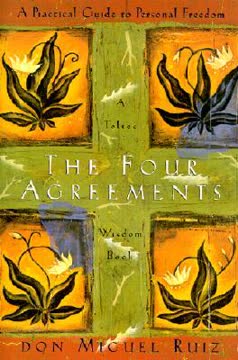
- Author and Purpose: "The Four Agreements" by Miguel Ruiz is a guide to personal freedom and self-mastery, drawing on ancient Toltec wisdom.
- Core Concept: The book introduces four agreements that can transform one's life by breaking self-limiting beliefs and fostering personal growth.
- Toltec Wisdom: It emphasizes the teachings of the Toltec, a group known for their spiritual knowledge and practices, aiming to help individuals achieve happiness and love.
- Practical Application: The agreements are designed to be practical tools for improving relationships, self-perception, and overall life satisfaction.
Why should I read "The Four Agreements"?
- Self-Improvement: The book offers a straightforward approach to personal development, focusing on changing one's mindset and behavior.
- Emotional Freedom: It provides insights into overcoming emotional suffering and achieving inner peace by altering ingrained beliefs.
- Universal Appeal: The principles are applicable to anyone seeking a more fulfilling and authentic life, regardless of background or belief system.
- Transformative Potential: Readers have reported significant positive changes in their lives by applying the agreements, making it a valuable read for personal growth.
What are the key takeaways of "The Four Agreements"?
- Be Impeccable with Your Word: Use your words with integrity and truth, as they have the power to create or destroy.
- Don't Take Anything Personally: Understand that others' actions are a reflection of their own reality, not yours.
- Don't Make Assumptions: Communicate clearly to avoid misunderstandings and unnecessary suffering.
- Always Do Your Best: Strive to do your best in every situation, which will vary depending on circumstances, but will lead to self-acceptance and growth.
What is the first agreement, "Be Impeccable with Your Word"?
- Definition: Being impeccable with your word means speaking with integrity and saying only what you mean.
- Power of Words: Words are powerful tools that can create beauty or destruction, so they should be used wisely.
- Self-Reflection: This agreement encourages self-reflection and honesty, both with oneself and others.
- Impact on Relationships: By being impeccable with your word, you can improve your relationships and reduce conflict.
What does "Don't Take Anything Personally" mean in "The Four Agreements"?
- Self-Reflection: This agreement teaches that nothing others do is because of you; it is a reflection of their own reality.
- Emotional Immunity: By not taking things personally, you protect yourself from unnecessary emotional pain and suffering.
- Self-Importance: It challenges the notion of personal importance, which is the belief that everything is about "me."
- Freedom from Judgment: This agreement helps you to detach from others' opinions and judgments, fostering inner peace.
How does "Don't Make Assumptions" help in personal growth?
- Clear Communication: Encourages asking questions and expressing what you really want to avoid misunderstandings.
- Avoiding Drama: Making assumptions often leads to unnecessary drama and emotional turmoil.
- Reality Check: It helps in aligning perceptions with reality, reducing the gap between expectation and truth.
- Improved Relationships: By not assuming, you foster better communication and understanding in relationships.
What is the significance of "Always Do Your Best"?
- Dynamic Nature: Your best will vary from moment to moment, depending on your circumstances and state of mind.
- Self-Acceptance: Doing your best helps you avoid self-judgment, guilt, and regret.
- Focus on Action: It emphasizes the importance of taking action for its own sake, not for a reward.
- Path to Mastery: Consistently doing your best leads to personal growth and mastery over time.
How does "The Four Agreements" relate to Toltec wisdom?
- Toltec Tradition: The book is based on the ancient wisdom of the Toltec, a group known for their spiritual knowledge.
- Way of Life: Toltec wisdom is not a religion but a way of life that emphasizes happiness and love.
- Spiritual Masters: It honors all spiritual masters and traditions, integrating their teachings into a cohesive philosophy.
- Personal Freedom: The agreements are tools for achieving personal freedom and breaking free from societal domestication.
What are the best quotes from "The Four Agreements" and what do they mean?
- "Be impeccable with your word." This quote emphasizes the power of words and the importance of using them with integrity.
- "Don't take anything personally." It highlights the idea that others' actions are not about you, freeing you from emotional burdens.
- "Don't make assumptions." This encourages clear communication to avoid misunderstandings and unnecessary suffering.
- "Always do your best." It reminds you to strive for your best in every situation, leading to self-acceptance and growth.
How can "The Four Agreements" transform your life?
- Mindset Shift: The agreements encourage a shift in mindset that can lead to greater self-awareness and personal freedom.
- Emotional Healing: By following the agreements, you can heal emotional wounds and reduce suffering.
- Improved Relationships: The principles foster better communication and understanding, enhancing personal and professional relationships.
- Life Fulfillment: Applying the agreements can lead to a more authentic and fulfilling life, aligned with your true self.
What is the "Toltec Path to Freedom" in "The Four Agreements"?
- Breaking Old Agreements: It involves identifying and breaking self-limiting beliefs and agreements that cause suffering.
- Personal Power: The path emphasizes reclaiming personal power by adopting new, empowering agreements.
- Warrior Spirit: It encourages a warrior-like approach to life, facing fears and challenges with courage and determination.
- Transformation: The path is about transforming your personal dream into one of happiness and love, akin to living in heaven on earth.
How does "The Four Agreements" address the concept of domestication?
- Domestication Process: The book explains how societal rules and beliefs are imposed on individuals from a young age, shaping their reality.
- Breaking Free: It offers a framework for breaking free from these imposed beliefs and reclaiming personal freedom.
- Self-Limiting Beliefs: Domestication leads to self-limiting beliefs that the agreements aim to dismantle.
- Path to Authenticity: By overcoming domestication, individuals can live more authentically and align with their true selves.