重點摘要
1. 布爾什維主義:充滿希望卻危險的宗教
布爾什維克所做的最主要的事,就是創造了一種希望,或者至少使一種原本只限於少數人的希望變得強烈且廣泛。
新宗教。 布爾什維主義如同一種新興宗教,源自戰後的幻滅感,提供了一個擺脫不公、經濟奴役與戰爭的世界的希望。它承諾團結、目標明確,並終結商業主義所帶來的虛假。這種願景吸引了許多渴望一個工作純淨且絕望被驅逐的社會的人。
狂熱的危險。 然而,羅素警告說,這種狂熱的信仰可能是危險的,因為它常常掩蓋殘酷。他將其比擬為早期基督徒,雖然教義令人欽佩,卻導致了宗教裁判所的恐怖。登山寶訓的原則雖然高尚,但其對普通人性的影響卻與預期大相逕庭。
進步的種子。 儘管有所保留,羅素承認即使布爾什維主義失敗,也會留下激勵未來進步的英雄傳說。他認為必須進行根本的經濟重建,使工業服務於人類,但警告不可為了更公正的經濟體系而犧牲思想自由。
2. 布爾什維克的字面獨裁
當俄國共產黨人談論獨裁時,他們是字面上的意思;但當他們談論無產階級時,則是以皮克威克式的含義。
非代議制政府。 「無產階級專政」並非一種新的代議制政府,而是共產黨的字面獨裁。「無產階級」一詞被選擇性使用,只包括持有「正確觀點」者,不論其實際階級,排除持不同意見的工薪階層。
無情手段。 對共產主義必要性的信念導致了殘酷的手段來建設和維護共產國家。反對者被無情鎮壓,常用與沙皇警察相同的方法。目的正當化手段,所有罪惡皆歸咎於私有財產,私有財產一旦消失,罪惡也將消失。
歷史類比。 羅素將布爾什維克與克倫威爾統治及柏拉圖的理想國相提並論。像清教徒士兵一樣,布爾什維克被嚴厲的政治道德目標驅使,犧牲民主以強制推行意識形態。共產黨作為守護者,對家庭生活的態度也類似柏拉圖的建議。
3. 列寧的嚴峻知識貴族
他專制、冷靜、不知恐懼,極度無私,是理論的化身。
列寧的性格。 羅素形容列寧為友善、樸實且無自負,但同時專制、冷靜且無畏。他體現了唯物史觀,擁有知識貴族氣質,鄙視誤解或反對其理論者。
革命策略。 列寧認為暴力革命不可避免,即使在英國也一樣,並希望工黨政府能證明議會主義的徒勞。他將不流血改變的可能性視為資產階級的偏見。
農民問題。 列寧承認在農民佔多數的國家建立共產主義的困難,但相信當有商品可換取食物時情況會改善。他認為對農民的專政是長期必要,因為農民渴望自由貿易。
4. 共產主義下的藝術與教育
未來的共產主義藝術家可能會建造比中世紀教堂更美的公共建築,繪製壁畫,組織盛會,創作關於英雄的荷馬式歌曲。
藝術自由。 起初,布爾什維克允許藝術家完全自由,無論政治立場,並給予特殊待遇。然而,這導致藝術與大眾感情脫節,藝術家仍演出對觀眾毫無意義的經典作品。
宣傳藝術。 因此,越來越多呼籲藝術體現革命情緒,產生服務於共產主義教義的宣傳藝術,包括革命戲劇、布爾什維克領袖的漫畫,以及將列寧和托洛茨基描繪成摩西與亞倫的木刻畫。
教育與工業。 教育重心轉向工業發展,可能犧牲兒童的全面與人文發展。學校有成為共產黨專屬的風險,培養領導者,而無產階級僅接受基礎技術訓練與共產主義教義。
5. 蘇維埃制度:權力集中
我確實見過一個有趣的實驗,但不是代議制政府。
蘇維埃的衰亡。 蘇維埃制度原本被設想為一種新型代議制政府,現已衰敗。自由選舉不會讓共產黨獲得多數,因此採用各種方法確保政府候選人勝出。
壓制異議。 投票以舉手方式進行,標記反對者。非共產黨候選人被拒絕使用印刷和會議場所,媒體完全官方化。儘管如此,孟什維克仍透過口耳相傳贏得部分席位。
權力結構。 真正權力集中於共產黨手中,全俄蘇維埃僅批准黨的決策。官僚分為老革命者、投機者及出於愛國或機會主義為政府工作者。
6. 工業的失敗:惡性循環
第九次代表大會批准俄國共產黨中央委員會關於動員工業無產階級、強制勞動服務、生產軍事化及軍事分隊應用於經濟需求的決定。
工業崩潰。 俄國工業崩潰,工廠閒置,機械無法使用。原因包括依賴外援、技術工人破壞及封鎖。糧食短缺加劇問題,削弱工人並阻礙生產。
工業徵兵。 為應對危機,布爾什維克實施工業徵兵,強迫工人留任,懲罰逃亡者,並將生產軍事化,派遣軍事分隊協助經濟。
援助需求。 儘管如此,情況依然嚴峻,布爾什維克認識到需要外部經濟援助,但來自資本主義國家的援助威脅共產主義原則。
7. 日常生活:節儉與控制
整體印象是美德與有序的活動。
艱苦與秩序。 莫斯科的日常生活以辛勤工作、有序和低犯罪率為特徵。劇院與芭蕾持續運作,酗酒與賣淫少見。女性比世界上任何地方都更安全,不受騷擾。
糧食短缺與長工時。 然而,由於糧食短缺與長工時,多數人生活艱難。八小時工作制被延長,許多人加班以賺取生活費。
警察干預。 警察在日常生活中扮演重要角色,幾乎人人每天違法。由於害怕被捕,社交生活稀少,報紙稀缺。宗教依然強盛,教堂中有虔誠的信徒。
8. 城鄉對立:分裂的國家
典型的俄國農民從未聽說過同盟國或這個國家;他不知道有封鎖;他只知道政府為了較貧窮的農民,將他原有的六頭牛減到一頭,並以極低價格徵收他的穀物(除自家所需外)。
糧食問題。 餵養城市是重大挑戰,政府難以從農民手中取得糧食。農民不願用紙幣換取農產品,政府的強制徵收激怒了他們。
農民觀點。 農民大多不知村外事務,對政府要求心存怨恨。他們渴望自由貿易與村莊自治,無論政府是誰。
城市主導。 政府代表城市與工業人口利益,實際上駐紮於農民國度中。經濟形勢有利於鄉村,但城市以武力維持權力。
9. 國際政策:革命或帝國
當前世界政治形勢將無產階級專政置於日程上;世界政治事件必然圍繞一個重心:國際資產階級與蘇維埃共和國的鬥爭,後者必然聚集各國先進工人階級的蘇維埃運動,以及被苦難經驗說服,認為只有蘇維埃政府戰勝世界帝國主義才能拯救殖民地與被壓迫民族的所有民族解放運動。
和平與征服。 布爾什維克面臨選擇:追求和平與俄國工業發展,或在亞洲推行征服政策。後者源於對亞洲統治的渴望,並相信可引發西方革命。
亞洲政策。 俄國政府的亞洲政策針對英國帝國,支持民族主義運動,提供資金與煽動者。此政策在宣傳掩護下為帝國主義提供機會。
布爾什維主義如宗教。 布爾什維主義是一種宗教,而非普通政治運動,其教條超越或違背證據。它應與伊斯蘭教相提並論,而非基督教,專注於爭奪世俗帝國。
10. 唯物主義與人性激情
所有政治皆受人類慾望支配。
經濟動機。 唯物史觀認為所有政治現象由經濟動機決定,個人主要由增加商品份額的慾望驅動。
非經濟因素。 然而,民族主義、宗教與權力慾望等非經濟因素亦在政治中扮演重要角色。人們渴望權力,渴望滿足自尊與自豪。
政治心理學。 需要以精神分析方法探討政治動機,認識人們發明神話以合理化行為。現代心理學揭示人類理性漂浮於瘋狂的海洋之上。
11. 民主的衰落:少數人的政變
因此,在他們看來,共產黨在資本主義國家的責任是準備武裝衝突,並採取一切可能措施解除資產階級武裝,武裝願意支持共產黨的無產階級部分。
布爾什維克論點。 布爾什維克認為議會民主難以實現社會主義,因資本主義宣傳與腐敗。他們主張由少數人領導的武裝衝突,突然且災難性地摧毀資本主義。
領導者的背叛。 然而,此理論未考慮共產黨領導者可能的背叛及官僚貴族的出現。權力慾望可與金錢慾望同樣強烈。
少數暴力。 在民主國家,無產階級以武力摧毀政府比在大選中擊敗政府更困難。布爾什維克的少數革命理論僅在多數人被誘導默許時可行。
12. 革命的代價:專制與殘酷
由暴力與少數人強制統治創造的制度必然容許暴政與剝削;若人性如馬克思主義者所言,統治者為何會放棄自私的利益機會?
布爾什維克計劃。 布爾什維克有明確計劃實現共產主義,包括武裝衝突、少數人奪權及將共產主義引入經濟生活各部門。
衝突代價。 然而,布爾什維克方法實現共產主義的衝突極為激烈且持久,其弊大於利。第三國際預言的世界大戰將使前次戰爭顯得微不足道。
暴政與剝削。 由暴力與少數人強制統治創造的制度必然導致暴政與剝削。聲稱蘇維埃俄國這樣的大帝國統治者習慣權力後仍保有無產階級心理,純屬荒謬。
評論摘要
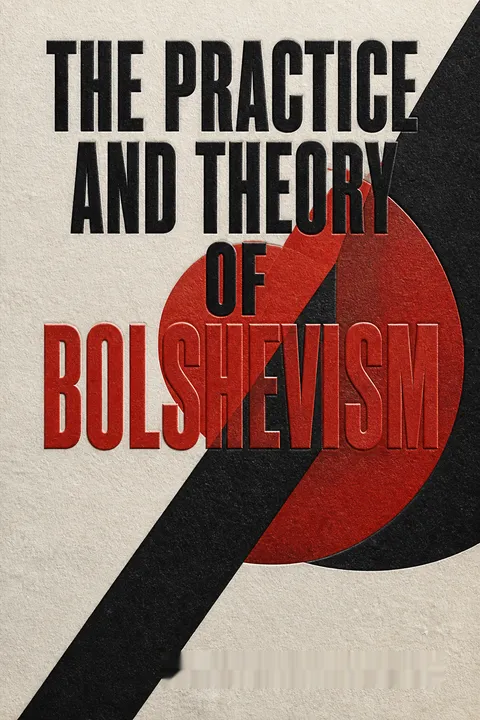
**《布爾什維克主義的實踐與理論》**因其對早期蘇維埃俄國及布爾什維克主義的深刻分析而備受讚譽。讀者們欣賞羅素的第一手觀察、批判性視角以及極具先見之明的預測。許多人認為他反對布爾什維克主義的論點極具說服力,尤其是他對權力集中化和對馬克思主義教條式盲從的批判。部分書評人指出,羅素對共產主義抱持同情態度,但最終仍予以否定。本書被視為理解早期共產主義理論與實踐的重要著作,不過也有少數批評者認為書中存在偏見,或在某些方面有所不足。
常見問題
What is "The Practice and Theory of Bolshevism" by Bertrand Russell about?
- Examination of Bolshevism: The book is a critical analysis of the Russian Revolution and the Bolshevik regime, focusing on both its practical implementation and underlying theory.
- Firsthand Observations: Russell draws on his visit to Soviet Russia in 1920, offering personal impressions and detailed accounts of daily life, politics, and society.
- Theoretical Critique: The work explores Marxist philosophy, the materialistic conception of history, and the nature of revolutionary change.
- Comparative Perspective: Russell compares Bolshevism to other historical movements, such as the French Revolution and the rise of Islam, and discusses its global implications.
Why should I read "The Practice and Theory of Bolshevism" by Bertrand Russell?
- Insightful Historical Context: The book provides a unique, contemporaneous perspective on the early years of Soviet Russia from a renowned philosopher.
- Balanced Critique: Russell offers both admiration for the Bolsheviks' aims and a critical assessment of their methods and outcomes.
- Philosophical Depth: The analysis goes beyond politics, delving into the philosophical and psychological roots of revolutionary movements.
- Relevance to Modern Debates: The book’s exploration of ideology, fanaticism, and the dangers of dogmatism remains pertinent to current political discussions.
What are the key takeaways from "The Practice and Theory of Bolshevism"?
- Bolshevism as Religion: Russell argues that Bolshevism functions as a secular religion, with dogmas and intolerance of dissent.
- Dangers of Fanaticism: He warns that revolutionary zeal can lead to cruelty, suppression of liberty, and the rise of new forms of oppression.
- Economic and Social Realities: The collapse of Russian industry and the hardships of daily life under Bolshevism are highlighted as central failures.
- Gradual Reform vs. Revolution: Russell advocates for gradual, democratic reforms over violent revolution, emphasizing the importance of individual liberty and skepticism.
How does Bertrand Russell describe the main goals and hopes of Bolshevism?
- End of Injustice: Bolshevism aspires to abolish class divisions, economic slavery, and war, promising equality and meaningful work for all.
- Creation of a New Order: The movement seeks to replace capitalism with a radically new social and economic system based on communal ownership.
- Transformation of Human Nature: Bolsheviks hope to mold future generations through education and propaganda, aiming for a society of collective mentality.
- Global Revolution: The ultimate goal is worldwide socialism, with Russia serving as the vanguard for international change.
What are the main criticisms Bertrand Russell raises about Bolshevik methods?
- Use of Dictatorship: Russell criticizes the Bolsheviks for establishing a minority dictatorship, suppressing democracy and free speech.
- Reliance on Violence: He argues that the Bolshevik approach depends on violence and coercion, which breeds further oppression and instability.
- Suppression of Liberty: The regime’s intolerance of dissent and dogmatic enforcement of ideology are seen as antithetical to scientific inquiry and individual freedom.
- Economic Mismanagement: Russell points to the collapse of industry and the failure to provide basic necessities as evidence of flawed methods.
How does "The Practice and Theory of Bolshevism" analyze the materialistic theory of history?
- Economic Determinism: Russell explains that Marx’s materialistic conception of history attributes all major historical events to economic motives.
- Critique of Reductionism: He challenges the idea that economic factors alone drive history, emphasizing the roles of nationalism, religion, and psychological motives.
- Importance of Non-Economic Factors: Russell argues that desires for power, rivalry, and social status are equally significant in shaping political events.
- Need for Nuanced Analysis: He advocates for a more complex understanding of history that incorporates both material and psychological elements.
What does Bertrand Russell observe about daily life and social conditions in Soviet Russia?
- Hardships and Scarcity: Most people face severe food shortages, long working hours, and a lack of basic comforts.
- Social Control: The state exerts tight control over daily life, with pervasive police presence and restrictions on movement and expression.
- Limited Social Life: Cultural and social activities are constrained, and fear of arrest or denunciation is widespread.
- Persistence of Religion: Despite official atheism, religious practices and devotion remain strong among the population.
How does Russell compare Bolshevism to other historical movements and philosophies?
- French Revolution and Islam: He sees Bolshevism as combining the revolutionary zeal of the French Revolution with the missionary fervor of early Islam.
- Plato’s Republic: Russell draws parallels between the Communist Party and Plato’s guardians, noting the aristocratic and authoritarian tendencies.
- Puritan England: The moral rigor and suppression of individual pleasure under Bolshevism remind him of Cromwell’s Puritans.
- Distinction from Western Socialism: He argues that Western countries could achieve socialism through less violent, more democratic means.
What does "The Practice and Theory of Bolshevism" say about art and education under the Soviet regime?
- Art as Propaganda: While initially tolerant, the regime increasingly channels artistic expression into propaganda, stifling individual creativity.
- Education for Indoctrination: Schools focus on instilling Communist doctrine, often at the expense of free inquiry and scientific skepticism.
- Impact of Industrialization: Russell and his secretary note that rapid industrialization threatens traditional crafts and artistic impulses.
- Long-Term Concerns: The book warns that fanaticism and utilitarianism may undermine both artistic and intellectual development.
What are Russell’s views on the prospects for Communism’s success, according to "The Practice and Theory of Bolshevism"?
- Need for Gradual Change: He believes successful Communism requires gradual reform, widespread education, and the diffusion of power.
- Dangers of Centralization: Excessive centralization and dictatorship are likely to produce new forms of inequality and oppression.
- Importance of Industrial Stability: A Communist revolution must avoid paralyzing industry, or it will lead to chaos and suffering.
- Role of International Context: Russell argues that Communism cannot succeed in isolation, especially if opposed by powerful capitalist nations like America.
What are the best quotes from "The Practice and Theory of Bolshevism" and what do they mean?
- “Bolshevism is not merely a political doctrine; it is also a religion, with elaborate dogmas and inspired scriptures.”
- Russell highlights the dogmatic and quasi-religious nature of Bolshevik ideology, warning of its intolerance.
- “Fanatics are seldom genuinely humane, and those who sincerely dread cruelty will be slow to adopt a fanatical creed.”
- He cautions against the dangers of fanaticism, which often leads to cruelty rather than compassion.
- “The damage to civilization done by revolution in one country may be repaired by the influence of another in which there has been no revolution; but in a universal cataclysm civilization might go under for a thousand years.”
- Russell warns that global revolutionary upheaval could destroy civilization itself.
- “The present holders of power are evil men, and the present manner of life is doomed.”
- He expresses both condemnation of the existing capitalist order and a sense of historical inevitability about its end.
What is Bertrand Russell’s final assessment of Bolshevism in "The Practice and Theory of Bolshevism"?
- Mixed Admiration and Critique: Russell admires the Bolsheviks’ courage and the necessity of their attempt but is deeply critical of their methods and outcomes.
- Warning Against Dogmatism: He stresses the importance of skepticism, liberty, and gradual reform over revolutionary fanaticism.
- Lessons for the West: Russell urges Western socialists to learn from Russia’s failures and to pursue socialism through democratic, humane means.
- Enduring Relevance: The book concludes that while Bolshevism may fail, the hope for a more just and cooperative society should not die.
下載 PDF
下載 EPUB
.epub digital book format is ideal for reading ebooks on phones, tablets, and e-readers.








































