核心要点
1. 情商在于理解和管理情绪,而非压抑情绪
“情商不是你多少感受到‘负面’情绪,也不是你多么轻易地选择思考内容、让情绪影响你,或在任何情况下都能平静应对。”
情绪是信号。 它们传递着关于我们内心状态和周围世界的重要信息。情商高的人不会试图消除或压抑负面情绪,而是学会识别、理解并有效管理自己的情感。这需要培养自我觉察、同理心,以及健康调节情绪的能力。
情绪调节至关重要。 情商高的人不会冲动反应,而是会暂停片刻,反思自己的感受,选择恰当的回应。他们明白所有情绪都有其存在的意义,并能将其转化为积极的动力。例如:
- 愤怒能激励我们去纠正不公
- 悲伤帮助我们处理失落并与他人建立联系
- 恐惧提醒我们潜在的危险
保持平衡尤为关键。 我们既要正视并体验情绪,也要学会保持理性,不被情绪淹没。情商高的人在尊重自己感受的同时,基于价值观和长远目标做出理智决策。
2. 自我觉察与自我接纳是个人成长的基石
“除非你让无意识变为有意识,否则它将主导你的人生,而你却称之为命运。”
认识内心世界。 自我觉察意味着识别自己的思想、情绪、信念和动机,包括承认优点与缺点,以及潜意识中的偏见和防御机制。通过揭示这些隐藏的自我,我们获得了有意识选择的力量,而非被无意识模式驱使。
拥抱完整的自我。 自我接纳是承认并接纳自己所有的部分,包括那些不喜欢或感到羞愧的方面。这并非放弃进步,而是以慈悲和理解的心态面对成长。自我接纳让我们能够:
- 摆脱完美主义和不切实际的期望
- 在挫折面前培养韧性
- 建立基于真实自我的真诚关系
持续自我反思。 个人成长是一个不断进行的过程,需要定期的自我反省和内省。常见的实践包括:
- 写日记
- 冥想
- 心理咨询
- 寻求可信赖朋友和导师的反馈
3. 关系是映照我们内心深处真相与不安的镜子
“你最爱他人身上的那些特质,其实正是你最爱自己的部分。你越能敞开心扉感受自己的喜悦,就越能欣赏他人。”
投射与反射。 我们的关系常常像镜子,反映出自己的信念、恐惧和未解决的问题。我们欣赏或厌恶他人的特质,往往是自己接纳或拒绝的部分。认识到这一点后,我们可以将关系作为自我发现和成长的工具。
触发与疗愈。 当有人“触动我们的痛点”,往往是触及了我们敏感或未愈合的内心。与其责怪他人引发的反应,不如将这些触发视为探索自身伤痛和不安的契机。这种觉察能带来:
- 更深的同理心和理解
- 设立更健康的界限
- 个人疗愈与情感成长
真诚连接。 随着自我觉察和接纳的提升,我们自然吸引并培养更真实的关系。我们不再依赖他人认可,而是基于相互尊重、理解和共同价值观建立联系。
4. 痛苦往往源于对现实的抗拒,而非现实本身
“痛苦仅仅是不愿接受现实而已,仅此而已。”
接受与放弃。 接受“现实”并不意味着喜欢或赞同每一种情况,而是承认当前的事实,不再浪费精力抗拒。正是这种接受为有效行动和改变创造了空间,避免我们陷入抵抗和挫败的循环。
无常的本质。 生命中的一切都在不断变化,包括我们的思想、情绪和环境。当我们执着于“应该怎样”,就会自寻痛苦。认识到万物无常,我们可以:
- 更容易放下执念
- 更加珍惜当下
- 更有韧性地适应变化
选择回应方式。 虽然我们无法控制发生的一切,但总能选择如何回应。将注意力从控制外部转向管理内心,我们重新获得主动权,减少不必要的痛苦。这包括:
- 练习正念,观察思想和情绪而不评判
- 将挑战视为成长的机会
- 培养感恩,关注已有而非缺失
5. 正念与当下意识是减轻焦虑、提升满足感的关键
“当下是我们唯一拥有的,却常被放在最后。”
当下的力量。 焦虑常源于沉溺于过去或担忧未来。通过培养正念和当下意识,我们将自己锚定在此时此刻,拥有采取行动和做出选择的力量,减少反复思虑,全面投入生活。
实用的正念技巧:
- 深呼吸练习
- 身体扫描以增强身体觉察
- 正念观察思想和情绪
- 全身心投入日常活动(如正念饮食、行走)
当下意识的益处。 经常练习正念能:
- 减轻压力和焦虑
- 提升专注力
- 增强情绪调节能力
- 提高整体生活满意度和幸福感
为清晰创造空间。 当我们不断分心或沉浸于思绪时,容易错过环境和内心的关键信号。保持当下意识让我们触及内在智慧,做出符合真实自我的决策。
6. 思想创造现实,培养积极思维至关重要
“你创造你所相信的。”
感知的力量。 我们的思想和信念塑造了对世界的解读和反应。通过觉察思维模式,有意识地选择更有力量的视角,我们能显著改善生活体验。
挑战消极自我对话。 许多人内化了批判的声音,削弱自信和幸福感。识别并重构这些负面思维,是培养积极心态的关键。这包括:
- 识别认知扭曲(如非黑即白思维、过度概括)
- 质疑负面想法的真实性
- 用自我慈悲取代自我批评
利用安慰剂效应。 研究表明,信念对身心健康有强大影响。培养积极期望和成长心态,我们可以:
- 增强面对挑战的韧性
- 提升各方面表现
- 增加整体幸福感和生活满意度
7. 真正的满足源于真实生活与追求有意义的目标
“满足感看似是驱动整个消费市场的难以捉摸的渴望,但这只是因为有人洞察了我们内心深处的共同需求:我们都渴望有意义的生活,却似乎无人知晓如何实现。”
明确个人价值观。 要活得真实,首先需澄清核心价值和优先事项,超越社会期待和外部压力。可思考的问题包括:
- 哪些活动让你忘记时间?
- 你热衷于哪些事业或议题?
- 你希望成为怎样的人?
行动与价值观对齐。 识别价值观后,下一步是让日常选择和长期目标与之保持一致。虽可能面临艰难抉择或走出舒适区,但最终带来更深的满足和正直。
追求有意义的目标。 设定并努力实现与价值观相符的目标,为生活赋予方向和意义。重要的是:
- 设定短期与长期目标
- 将大目标拆解为可管理的步骤
- 庆祝进步,汲取挫折教训
- 定期评估并调整目标
8. 拥抱不适与不确定,促进成长与韧性
“舒适只是一个观念,你选择以何为基础。”
成长与舒适。 我们常本能地追求舒适,回避不适,但这会让我们停留在熟悉的模式,限制潜能。将不适视为成长和学习的信号,能推动我们拓展能力和经历。
培养成长心态。 拥有成长心态的人相信能力可通过努力和学习提升。这使他们能够:
- 将挑战视为成长机会
- 在挫折中坚持
- 从批评和反馈中学习
- 从他人成功中获得启发
通过暴露建立韧性。 逐步面对挑战性情境,增强适应力和韧性。可尝试:
- 承担工作新职责
- 体验新爱好或活动
- 进行困难对话
- 旅行到陌生地方
9. 自爱与自我慈悲是整体幸福与快乐的基础
“当你最不配得时,更要对自己最温柔。”
幸福的根基。 自爱与自我慈悲是我们与自己及他人建立健康关系的基础。善待自己,理解自己,为个人成长和幸福奠定坚实基础。
实践自我慈悲:
- 像对待好友一样对待自己
- 承认人性与不完美
- 使用积极的自我对话和肯定
- 宽恕自己的错误与挫折
自爱的益处:
- 增强面对挑战的韧性
- 改善身心健康
- 促进关系中的真实性
- 提升动力与生产力
克服自我批评。 许多人内化了严厉的内心批评者,损害幸福感。学会识别并挑战这些声音,是培养自我慈悲和自爱的关键。
10. 放下执着与期待,为内心平和与满足创造空间
“没有真正的放下,只有接受已逝。”
执着的本质。 我们常执着于人、物或观念,试图寻找安全与幸福。然而,当环境变化时,这种执着往往带来痛苦。认识到万物无常,我们学会更轻松地对待经历。
练习非执着:
- 培养正念,观察思想和情绪而不执着
- 专注于当下体验的珍惜
- 感恩已有,而非渴望未得
- 放下对“应该如何”的固执期待
在接受中找到平和。 真正的平和源于接受现实,而非控制外界。这并非放弃改善生活,而是以清晰和不抗拒的心态行动。
为成长创造空间。 放下执着与期待,打开新可能和体验的大门。这种开放让我们能够:
- 更轻松适应变化
- 更加专注投入关系
- 发现意想不到的喜悦与满足
- 以全新方式成长与进化
读者评价
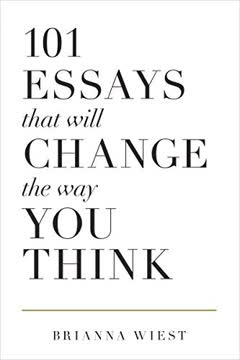
《改变你思维方式的101篇随笔》评价不一。一些读者认为内容深刻、发人深省,赞赏其通俗易懂的写作风格和实用建议。然而,也有许多人批评其重复冗长、浅尝辄止,缺乏实质内容。评论者指出,本书更多是列表和博客式文章的集合,而非真正意义上的随笔。部分章节被认为有一定价值,但整体内容令人失望。书籍的效果因读者的期望和个人情况而异,呈现出较大差异。
其他人还在读




常见问题
What's 101 Essays That Will Change The Way You Think about?
- Exploration of Thought and Reality: The book examines how our thoughts shape our reality, emphasizing the mastery of the mind for a fulfilling life. It discusses the evolution of human thought and its impact on society.
- Personal Growth Through Ideas: Each essay presents transformative ideas that can shift the reader's perspective, encouraging new ways of thinking. Brianna Wiest shares personal insights that resonate with universal human experiences.
- Focus on Emotional Intelligence: The essays delve into emotional intelligence, self-awareness, and understanding our feelings and behaviors. Wiest argues that emotional maturity is crucial for personal development and happiness.
Why should I read 101 Essays That Will Change The Way You Think?
- Transformative Ideas: The book challenges conventional thinking and inspires reflection, offering essays designed to provoke thought and encourage personal growth.
- Practical Advice: Wiest provides actionable insights for daily life, helping readers navigate challenges and improve emotional well-being. The essays are relatable and grounded in real-life experiences.
- Encouragement for Self-Discovery: It serves as a guide for understanding oneself better and cultivating a fulfilling life, encouraging readers to embrace discomfort as a pathway to growth.
What are the key takeaways of 101 Essays That Will Change The Way You Think?
- Thoughts Create Reality: Our thoughts shape our experiences and reality, and changing our mindset can change our lives.
- Embrace Discomfort: Discomfort often precedes growth, and facing fears can lead to greater understanding and fulfillment.
- Self-Responsibility: Taking responsibility for our emotions and actions is crucial for personal empowerment and happiness.
What are the best quotes from 101 Essays That Will Change The Way You Think and what do they mean?
- "The obstacle is the way.": Challenges are opportunities for growth and learning, encouraging readers to view problems as pathways to success.
- "You are the only person responsible for your happiness.": Emphasizes self-agency in achieving happiness, reminding readers that external factors cannot fulfill them.
- "Everything is here to help you.": Suggests that every experience, even painful ones, serves a purpose in personal development, promoting gratitude and learning.
How does Brianna Wiest define emotional intelligence in 101 Essays That Will Change The Way You Think?
- Awareness of Emotions: Emotional intelligence involves recognizing and understanding one’s own emotions and those of others, crucial for effective communication.
- Processing and Expressing Feelings: Emotionally intelligent people express feelings productively and manage emotional responses without suppression.
- Self-Reflection: Self-reflection is key to developing emotional intelligence, helping to understand motivations and behaviors.
What are some subconscious behaviors that keep us from having the life we want, according to 101 Essays That Will Change The Way You Think?
- Fear of Change: Believing happiness is tied to comfort can prevent pursuing new opportunities, leading to self-sabotage.
- Overgeneralization of Experiences: Extrapolating current feelings to define life creates a distorted perception of reality, fostering negativity.
- Attachment to the Past: Clinging to past experiences hinders growth; focusing on the present is encouraged.
How can I apply the concepts from 101 Essays That Will Change The Way You Think to my daily life?
- Practice Mindfulness: Being present and fully engaging with experiences can reduce anxiety and improve well-being.
- Reframe Challenges: Viewing obstacles as growth opportunities can shift perspective, leading to resilience and adaptability.
- Cultivate Self-Compassion: Being kind to oneself during difficult times enhances emotional resilience and promotes a healthier self-image.
What role does routine play in achieving happiness, according to 101 Essays That Will Change The Way You Think?
- Creates Stability: Routines provide stability and predictability, reducing anxiety and promoting a positive mindset.
- Facilitates Flow: Establishing a routine helps individuals enter a state of flow, enhancing creativity and productivity.
- Encourages Healthy Habits: Routines reinforce positive habits, making it easier to achieve long-term goals and enhance well-being.
How does 101 Essays That Will Change The Way You Think address the concept of self-acceptance?
- Embracing Imperfections: Self-acceptance involves recognizing and embracing flaws, crucial for personal growth and emotional well-being.
- Letting Go of Comparisons: Focusing on one’s unique journey rather than comparing to others leads to greater self-love.
- Building a Positive Self-Image: Cultivating a positive self-image through self-compassion fosters a healthier relationship with oneself.
What is the significance of discomfort in personal growth as discussed in 101 Essays That Will Change The Way You Think?
- Catalyst for Change: Discomfort signals the need for change and growth, leading to new insights and opportunities.
- Learning Opportunity: It prompts confronting fears and limiting beliefs, leading to greater self-awareness and resilience.
- Encouragement to Take Risks: Stepping outside comfort zones can reveal new passions and potentials.
How does 101 Essays That Will Change The Way You Think redefine love and relationships?
- Love as a Mirror: Relationships reflect our internal state, revealing self-perceptions and personal beliefs.
- Unconditional Love: True love involves self-acceptance and loving others without expecting reciprocation.
- Healing Through Relationships: Relationships can facilitate personal growth and self-discovery, serving as healing experiences.
What are the common misconceptions about happiness discussed in 101 Essays That Will Change The Way You Think?
- Happiness as a Destination: Challenges the notion of happiness as a goal, suggesting it is a byproduct of meaningful experiences.
- External Validation: Critiques the idea that happiness comes from external sources, emphasizing internal fulfillment.
- Perpetual Happiness: Argues against the expectation of constant happiness, suggesting a range of emotions is natural and necessary for growth.