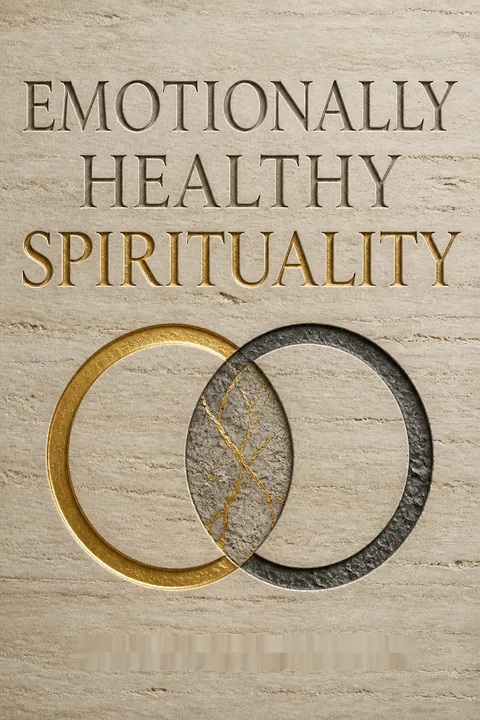

核心要点
1. 拥抱情绪健康,成就真实的灵性生活
若基督徒的灵性生活缺乏情绪健康的整合,可能会对自己、与神的关系以及周围的人造成致命影响。
情绪健康是实现真正灵性成长的关键。许多基督徒只注重外在的宗教行为,却忽视了内心的情绪状态。这种脱节容易导致信仰流于表面,无法改变内在生命。要真正跟随基督,我们必须正视自己的情绪问题,包括:
- 未解决的冲突
- 被压抑的情感
- 不健康的应对方式
- 原生家庭的问题
将情绪健康与灵性健康结合,需要我们做到:
- 自我觉察
- 诚实面对自己的感受
- 勇于面对痛苦和过去的伤害
- 需要时寻求帮助(如辅导、支持团体)
只有拥抱情绪健康,我们才能与神和他人建立更真实、更具变革力的关系。
2. 面对过去,信心才能向前迈进
我们家族两三代以来的祝福与罪恶,深刻影响了今天的我们。
家族历史以我们常未察觉的方式塑造了我们。要灵性成长,必须审视过去如何影响现在。这包括:
- 承认家族模式(无论好坏)
- 识别代际的罪与祝福
- 理解成长环境如何影响我们对神和他人的看法
要摆脱不健康的模式,需要:
- 诚实反思家族历史
- 找出需要改变的地方
- 寻求神医治过去的创伤
- 选择新的、更健康的思维和行为方式
面对过去,我们才能打破破坏性的循环,拥抱不受家族或文化限制的真实信仰。
3. 穿越灵性旅程中的“墙”
当我们穿越了“墙”,不再渴望被人熟知或成功,而是渴望成就神的旨意。
“墙”是灵性成长中的关键阶段,信仰在此受到考验和净化。常表现为:
- 感觉与神疏远
- 质疑长期持有的信念
- 经历信仰危机
许多基督徒在此时感到迷茫,甚至想要放弃信仰。但“墙”其实是更深灵性转变的契机。
穿越“墙”需要:
- 接纳不确定与神秘
- 放下控制欲
- 培养不依赖感受的成熟信心
- 学会在困惑中信靠神
穿越“墙”后,信仰更稳固、真实,聚焦于神的旨意,而非个人成功或认可。
4. 处理悲伤与失落,拓展灵魂的容量
失落是自我认知与深刻转变的起点——只要我们有勇气全然参与其中。
悲伤与失落是人生必经之路,若能妥善面对,能带来深刻的灵性成长。许多基督徒试图逃避或淡化痛苦,反而阻碍了情绪和灵性的成熟。
拥抱悲伤包括:
- 承认并感受失落
- 允许自己向神哀叹、表达痛苦
- 认识到控制的有限性
- 学会在苦难中信靠神
全然经历悲伤,我们能:
- 培养更深的同理心
- 与神建立更亲密的关系
- 获得智慧与视野
- 培养更成熟坚韧的信心
最终,处理悲伤使我们更能全心全意地爱神与他人。
5. 融入每日祷告与安息的节奏
停下来守每日时辰祷告和安息日,不是为了增加忙碌清单,而是重新调整生命的方向——归向神。
在快节奏的生活中,建立规律的祷告与安息节奏对灵性健康至关重要。两项关键实践是:
-
每日时辰祷告:
- 白天短暂、规律地暂停,与神连接
- 可包括读经、祷告与静默
- 帮助我们时刻意识神的同在
-
安息日:
- 每周24小时的休息与敬拜
- 停止工作,享受神与祂创造的喜乐
- 让生命围绕神而非生产力转动
这些实践帮助我们:
- 抵抗持续忙碌的文化压力
- 培养对神同在的深刻觉察
- 在纷乱中获得更新与视角
融入这些节奏,我们的生命与神的设计更加契合,灵性更为充沛。
6. 培养情绪成熟,促进关系健康
“爱是将另一个人的美好显现给他自己,”让·瓦尼尔如是说。
情绪成熟对健康关系和真实灵性生活至关重要。许多基督徒只注重外在行为,忽视情绪成长,导致关系受限,灵性不成熟。
情绪成熟的特征包括:
- 自我觉察,能健康表达情绪
- 有同理心地倾听他人
- 建设性解决冲突的能力
- 设立并尊重界限的能力
培养情绪成熟需要:
- 学会识别并恰当表达情绪
- 练习积极倾听与共情
- 发展冲突解决技巧
- 培养自我反思与觉察
随着情绪成熟的增长,我们更能如基督般爱人,显现他们内在的美与价值。
7. 制定个人“生命规则”,促进灵性成长
生命规则,简而言之,是有意识、有意图地将神置于一切行为中心的生活计划。
“生命规则”是一种灵活的框架,帮助我们围绕灵性实践安排生活,滋养与神的关系。它不是僵硬的规条,而是有意的节奏,助力灵性成长。
生命规则的关键元素可能包括:
- 祷告与读经
- 安息与休息
- 服侍与使命
- 社群与人际关系
- 身心健康的实践
制定生命规则需要:
- 反思个人性格、生命阶段与灵性需求
- 选择适合自己的实践,帮助与神连接
- 从小处开始,逐步加入新元素
- 定期检视并调整生命规则
通过制定并遵循个性化的生命规则,我们能培养更有意图、更具变革力的灵性旅程,触及生命的方方面面。
读者评价
《情绪健康的灵性》广受好评,读者普遍赞赏其对情绪与灵性成长的深刻见解。许多人认为本书切合时宜,具有变革性且实用,尤其欣赏作者的真诚坦露以及书中对自我觉察和沉思实践的重视。部分读者提到内容较为丰富,有时对某些观点存在异议。该书因将心理学与灵性有机结合,提供了关于基督徒生活的新颖视角而备受推崇。然而,也有批评者认为其过于感伤,或受世俗哲学影响较深。
其他人还在读







常见问题
What's "Emotionally Healthy Spirituality" about?
- Core Message: The book by Peter Scazzero emphasizes that true spiritual maturity cannot be achieved without emotional maturity. It argues that many Christians are spiritually active but emotionally immature.
- Integration of Emotional Health: It introduces the concept of integrating emotional health with spiritual practices to achieve a deeper, more authentic relationship with God.
- Practical Guidance: The book provides practical steps and tools to help readers identify and address emotional immaturity, such as understanding family influences and practicing contemplative spirituality.
- Global Impact: The principles have resonated with readers worldwide, leading to the development of courses and resources to implement these teachings in various church communities.
Why should I read "Emotionally Healthy Spirituality"?
- Personal Growth: It offers insights into how emotional health is crucial for spiritual growth, helping readers become more self-aware and spiritually mature.
- Practical Tools: The book provides practical tools and exercises to help readers integrate emotional health into their spiritual lives, making it a valuable resource for personal development.
- Community Impact: By fostering emotional health, readers can improve their relationships within their communities, leading to healthier and more supportive environments.
- Transformative Journey: The book guides readers on a transformative journey, encouraging them to confront and heal from past emotional wounds to live more fulfilling lives.
What are the key takeaways of "Emotionally Healthy Spirituality"?
- Emotional and Spiritual Integration: True spiritual maturity requires integrating emotional health with spiritual practices.
- Family Influence: Understanding and addressing the impact of family history is crucial for emotional and spiritual growth.
- Daily Practices: Implementing daily spiritual practices like the Daily Office and Sabbath can help maintain a connection with God amidst life's busyness.
- Emotional Maturity: Developing emotional maturity involves learning new skills to love well and resolve conflicts effectively.
How does Peter Scazzero define emotional health in the book?
- Self-awareness: Emotional health involves recognizing and managing one's own feelings and understanding how past experiences impact the present.
- Compassion and Relationships: It includes having compassion for others, maintaining meaningful relationships, and respecting others without needing to change them.
- Conflict Resolution: Emotional health requires the ability to resolve conflicts maturely and negotiate solutions that consider others' perspectives.
- Integration with Spirituality: It involves integrating emotional health with spiritual practices to foster a deeper relationship with God.
What is the Daily Office, and how is it practiced according to "Emotionally Healthy Spirituality"?
- Definition: The Daily Office is a set of fixed times for prayer throughout the day, focusing on being with God rather than getting something from Him.
- Structure: It typically includes elements like stopping, centering, silence, and Scripture reading, allowing for a regular remembrance of God.
- Flexibility: The practice can be adapted to individual preferences, with varying lengths and content, to fit different lifestyles and schedules.
- Purpose: The Daily Office helps maintain a continual awareness of God's presence, integrating spirituality into daily life.
What is the significance of the Sabbath in "Emotionally Healthy Spirituality"?
- Biblical Command: The Sabbath is a commandment to rest and cease from work, reflecting God's rhythm of work and rest.
- Rest and Delight: It is a time to rest, delight in God's creation, and contemplate His presence, providing a break from the busyness of life.
- Trust in God: Observing the Sabbath is an act of trust, acknowledging that God is in control and that life continues without our constant activity.
- Cultural Counteraction: Keeping the Sabbath counters the culture of constant productivity, offering a space for spiritual renewal and connection with God.
How does "Emotionally Healthy Spirituality" address the impact of family history?
- Generational Patterns: The book emphasizes that family history, including generational patterns of behavior, significantly impacts emotional and spiritual health.
- Going Back to Go Forward: It encourages readers to explore and understand their family history to break free from destructive patterns and move forward spiritually.
- Biblical Examples: The book uses biblical examples, like Joseph, to illustrate how understanding family dynamics can lead to personal transformation.
- Practical Steps: It provides practical steps for examining family influences, such as creating a genogram to map out family relationships and patterns.
What are the stages of faith according to "Emotionally Healthy Spirituality"?
- Stage 1: Life-Changing Awareness of God: The beginning of the journey with Christ, marked by an awareness of God's reality and a need for mercy.
- Stage 2: Discipleship: Learning about God and becoming rooted in the disciplines of the faith within a Christian community.
- Stage 3: The Active Life: Actively working for God and serving others, using one's unique talents and gifts.
- Stage 4: The Wall and Journey Inward: A crisis of faith that compels a deeper inward journey, leading to transformation and a new understanding of God.
What is the "Wall" in "Emotionally Healthy Spirituality," and how does one journey through it?
- Definition: The Wall, or "dark night of the soul," is a spiritual crisis that challenges one's faith and understanding of God.
- Purpose: It serves as a transformative experience, purging unhealthy attachments and leading to a deeper relationship with God.
- Journey Through: The journey through the Wall involves trusting God, waiting on Him, and allowing Him to work within us, despite confusion and pain.
- Outcome: Successfully journeying through the Wall results in greater spiritual maturity, contentment, and a more profound union with God.
How does "Emotionally Healthy Spirituality" suggest one can grow into an emotionally mature adult?
- Learning New Skills: The book emphasizes the importance of learning practical skills to love well and resolve conflicts effectively.
- Practicing Presence: It encourages practicing the presence of people, being fully present and attentive in relationships, as an extension of practicing God's presence.
- Emotional Awareness: Developing emotional awareness and understanding one's feelings is crucial for emotional maturity and healthy relationships.
- Community Support: Engaging with a supportive community and seeking guidance from mentors or spiritual directors can aid in emotional growth.
What are the best quotes from "Emotionally Healthy Spirituality" and what do they mean?
- "It is not possible to be spiritually mature while remaining emotionally immature.": This quote encapsulates the book's core message that emotional health is integral to spiritual maturity.
- "The way to life is through death, the pathway to resurrection is through crucifixion.": It highlights the Christian belief that true transformation and growth often come through experiencing and embracing suffering and loss.
- "We are to live our lives as the rest of the world—marrying, experiencing sorrow and joy, buying things and using them—but always with awareness that these things in themselves are not our lives.": This quote emphasizes the importance of detachment from worldly possessions and experiences, focusing instead on spiritual growth and connection with God.
- "The Sabbath calls us to build the doing of nothing into our schedules each week.": It underscores the significance of the Sabbath as a time for rest and spiritual renewal, countering the culture of constant busyness.
How can one develop a "Rule of Life" according to "Emotionally Healthy Spirituality"?
- Definition: A Rule of Life is a conscious plan to keep God at the center of everything, providing structure and direction for spiritual growth.
- Personalization: It should be tailored to individual needs, incorporating spiritual practices that foster a deeper relationship with God.
- Elements: Key elements may include prayer, rest, work, relationships, and emotional health, each contributing to a balanced and intentional spiritual life.
- Flexibility: A Rule of Life is a living document, subject to change and adaptation as one grows and experiences different seasons in life.
关于作者
下载 PDF
下载 EPUB
.epub digital book format is ideal for reading ebooks on phones, tablets, and e-readers.








































