核心要点
1. 当代男性普遍面临阴影,内心充满焦虑。
一种隐隐的焦虑似乎笼罩着当今男性的心灵。
焦虑无处不在。 许多男性每天都在经历迷茫、羞愧和恐惧,这种无声的绝望常常隐藏在表面之下。这不仅是外在文化的压力,更是内心对未能成为敬虔之人的挣扎。
问题反应层出不穷。 面对批评和内心的失败,男性常常以不健康的方式应对:
- 过度补偿:激烈地加倍坚持传统角色。
- 关闭自我:变得被动,压抑情绪。
- 逃避麻醉:通过色情、爱好或饮食等分散注意力来逃避痛苦。
这些反应扭曲了人心。 这样的应对使心灵麻木,令男性萎缩,逐渐远离光明,陷入阴影,变得被动反应而非有目的地生活。本书旨在揭示这些阴影,引导男性重返光明。
2. 撒旦的策略是用问题遮蔽神的光。
撒旦的计划是让你与神之间出现障碍,使你看不见他的光。
失败是其目标。 撒旦不仅要让男性在行为上失败,更要在信仰上跌倒。他的策略源自希腊词“ekleip”,意为失败,也是“eclipse”(日蚀)的词根,象征光明的消失。
问题阻挡视线。 撒旦通过带来问题和诱惑,扭曲现实,使神的光被眼前的挣扎遮蔽。彼得的恐惧遮蔽了信心,以色列人对巨人的恐惧遮蔽了神的能力,大卫的情欲遮蔽了他的热忱,都是例证。
阴影导致不可思议的行为。 当神的光被遮挡,男性在黑暗中跌倒,陷入羞耻、瘫痪和放弃。目标是调整视线,穿越日蚀,重新看到光的源头。
3. 用根植于神应许未来的盼望抵抗绝望。
盼望与绝望,关乎我们如何看待未来以及对未来的信念。
绝望致命。 “绝望之死”(自杀、药物过量、酗酒)在男性中尤为突出,反映出方向感和连接感的危机。单靠乐观(世俗的希望)不足以支撑,这不过是无根的幻想。
盼望是具体的期待。 圣经中的盼望是基于神应许和未来的确切期待。你现在的生活方式取决于你对未来生活的信念。若终极目标(telos)不根植于神的计划,便会陷入绝望。
神的未来是真正的终极目标。 我们的盼望不是脱离肉身的天堂、无痛苦的世界或完全掌控,而是神使万物更新,与我们同行。摒弃虚假的盼望,拥抱神的应许:
- 苦难成就永恒荣耀(哥林多后书4:17)。
- 工作为善工而设(以弗所书2:10)。
- 我们坐在天上属灵的位子(以弗所书2:6)。
4. 以深厚、赋予生命的友谊战胜孤独。
孤独的真正解药是友谊——深刻、丰富、美好且持久的友谊。
孤独令人麻木且致命。 不被需要的孤独是一种危险的阴影,导致攻击性或自我毁灭行为及情感麻木。研究显示,孤独的危害堪比吸烟或肥胖,显著缩短寿命。
友谊是一种超能力。 哈佛成人发展研究表明,强大的人际关系比智商、阶层或财富更能影响生活满意度。“社交健康”需要持续投入,犹如身体健康。
通过陪伴建立友谊。 关键要素是接近、无计划的互动和脆弱。抵制屏幕(手机、电视、挡风玻璃)带来的孤立效应,优先关注、参与(活出更好的故事,创造奇思妙想)和地点(热爱你所居之地)。
5. 以脆弱和神的喜悦战胜羞耻。
羞耻是根植于“我本质上有问题”的感觉。
羞耻原始且破坏性强。 与罪疚(我做错了)不同,羞耻是“我就是错的”感觉。它是一种黏稠的、反创造的力量,使我们分裂,远离自己、他人和神。是敌人的主要武器,促使我们隐藏。
羞耻需要外界帮助。 你无法仅靠思考摆脱羞耻;羞耻是先被感受、感知、想象,后被思考。它需要通过关系中的光明和暴露来治愈,而这正是羞耻让我们逃避的。形成恶性循环。
神喜悦你。 解决之道不是宗教式的自我清洁或分心麻醉,而是神的医治同在。他不羞愧也不失望,反而喜悦你。将你厌恶的部分带到他面前,他的爱驱散羞耻。脆弱,分享挣扎,是骄傲和孤立的终结,带来修复与医治。
6. 以忠诚和塑造重新排序欲望,抵抗情欲。
对基督徒而言,性是神圣的。
性被武器化。 “色情化一切”和性革命带来混乱、诱惑和痛苦。反应有压抑(纯洁文化的失败承诺)和放纵(欲望+同意=幻灭/扭曲)。
性是塑造,不仅是满足。 我们的文化将性简化为卫生娱乐,但它是塑造生命的强大力量。性罪违背身体(哥林多前书6:18),扭曲对女性的看法、性欲(增加暴力)、承诺(约炮文化、同居风险)和自我认知(内心崩溃)。
重新排序对神和他人的爱。 性超越自身,指向联合、归属,是对神的隐秘寻求。次要的爱令人失望(耶利米书2:12-13)。耶稣提供真正满足(约翰福音7:37-38)。调整爱序:无私之爱(Agape)→ 友情(Philia)→ 亲情(Storge)→ 浪漫(Eros)。性是盟约的标志,不仅是快感。
7. 以圣洁的国度异象抵抗野心。
野心在信仰语境中少被提及,但我们的欲望及追求程度是灵性生活的核心。
野心令人困惑。 它既能激发热情,也能引发羞耻。世俗野心追求统治和关注(“称霸”、“碾压”、“求显赫”),伤害他人,导致疲惫。
需要圣洁的野心。 野心的对立面不是谦卑,而是懒惰、被动和胆怯。敬虔的野心是为野心而战,将世俗驱动力转化为圣洁动力。尼希米作为酒政,展示了如何通过国度问题释放潜能。
培养国度异象。 抬头超越个人关切(“个人平安与富足”),提出揭示内心对世界需求的问题(“为何男性沮丧?”)。这引发“心中不满的结晶”,一种神圣的挫败感,推动激进变革。
8. 以使命感和有意义的工作抵抗徒劳。
我体会到,有意义在于你如何做事,而不仅仅是做什么。
徒劳源于断联。 现代变迁(财富等同金钱,机器替代身体,信息取代智慧)造成抽象感。工作如同无意义机器中的齿轮。
掌握统治层级。 有意义的工作关乎统治,从混乱中带来秩序。先掌控自己,再统治团队(婚姻)、族群或城市。跳级会带来破坏。
使命是沙盒,任务是点。 使命是你的天赋和热情主题(一个圈/沙盒),任务是使命中的具体工作(点)。通过察觉恩赐、热情和心灵活力找到使命。遵循“准则”(北极星目标),为关键时刻(kairos)做好准备,如9/11时的Rick Rescorla。同时重视“玩耍”(灵魂的氧气),避免倦怠,保持好奇。
9. 以战士身份认知,抵抗冷漠。
许多男性感到被冷漠的迷雾包围。
冷漠是男性的病症。 女性调查指出男性缺乏目标、动力和方向。去工业化、家庭破裂和信仰疏离使许多男性感到迷茫和疏离。
神是将军。 除了牧者、园丁或父亲,神是战士(出埃及记15:3,赛42:13)。我们生活在战场上,而非花园。战争是属灵的,为争夺心灵,对抗偷窃、杀戮和毁灭的敌人(约翰福音10:10)。
做战士,不做平民。 保罗呼吁男性像好战士一样忍受苦难(提摩太后书2:3-4),不卷入琐碎的平民事务(如过度游戏或娱乐)。这非关罪恶,而是时间和精力的糟糕管理。所罗门将力量浪费在外邦妻子上,未能服侍百姓,是警示(箴言31:3)。
10. 成为光明需直面恐惧与懒散。
跟随我的人必不在黑暗中行,必得生命之光。
直面黑暗。 启蒙非凭想象光明,而是使黑暗意识化。阴影力量(绝望、孤独、羞耻、情欲、野心、徒劳、冷漠)若无意识,便主导生命。
抗争生命的敌人。 每天早晨,恐惧和懒散威胁前进。恐惧说你无法持续改变,人们会拒绝你。懒散是缺乏能量,被动接受现状。
光明驱散恐惧。 耶稣应许与我们同在(马太福音28:20)。神是我们的帮助者(希伯来书13:6)。不惧怕凡人或撒旦的控告。开启神同在之光,直面黑暗。以使命、信念和神的能力抵抗懒散。因爱而战,如布思将军为失丧者奋战。对灵魂猛烈,对人温柔,如耶稣。
常见问题
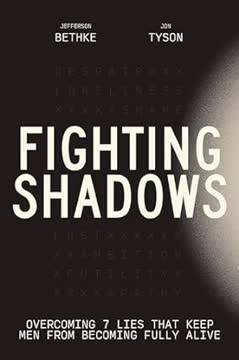
1. What is "Fighting Shadows: Overcoming 7 Lies That Keep Men From Becoming Fully Alive" by Jefferson Bethke and Jon Tyson about?
- Focus on Men’s Struggles: The book addresses the unique challenges, lies, and cultural pressures that men face in today’s world, especially those that keep them from living fully alive.
- Seven Shadow Lies: It identifies and unpacks seven specific “shadows” or lies—despair, loneliness, shame, lust, ambition, futility, and apathy—that hinder men’s growth and spiritual health.
- Christian Perspective: The authors approach these issues from a Christian worldview, offering biblical insights and practical steps for men to move from darkness into the light.
- Personal and Cultural Stories: Through personal anecdotes, historical examples, and cultural analysis, Bethke and Tyson illustrate how these shadows manifest and how men can overcome them.
2. Why should I read "Fighting Shadows" by Jefferson Bethke and Jon Tyson?
- Relevant to Modern Men: The book speaks directly to the confusion, shame, and fear many men experience in today’s rapidly changing culture.
- Practical and Actionable: It offers concrete advice, exercises, and strategies for breaking free from destructive patterns and lies.
- Encouragement and Hope: Readers are encouraged that they are not alone in their struggles and are given hope for transformation and redemption.
- Faith-Based Guidance: For Christian men, it provides a biblically grounded framework for understanding masculinity and living out their calling.
3. What are the seven "shadows" or lies discussed in "Fighting Shadows," and why are they important?
- Despair: The lie that there is nothing worth living for, leading to hopelessness and disengagement.
- Loneliness: The belief that isolation is inevitable for men, undermining the importance of friendship and community.
- Shame: The conviction that men must hide their failures and weaknesses, resulting in secrecy and self-loathing.
- Lust: The idea that men are slaves to their sexual desires, distorting relationships and self-worth.
- Ambition: The misconception that ambition is only about personal success, rather than kingdom impact.
- Futility: The sense that a man’s work and efforts are meaningless, leading to disengagement and lack of purpose.
- Apathy: The belief that nothing is worth giving oneself for, resulting in passivity and lack of vision.
4. How do Bethke and Tyson define the concept of "shadows" in "Fighting Shadows"?
- Metaphor for Lies and Wounds: Shadows represent the lies, wounds, and cultural forces that obscure men’s true identity and calling.
- Absence of Light: They are described as the absence of light—subtle, ever-present, and often unnoticed, yet deeply damaging.
- Personal and Societal: Shadows can be both internal (personal shame, secret sin) and external (cultural confusion, failed role models).
- Require Active Resistance: The book emphasizes that men must actively fight these shadows to step into the light and live fully.
5. What is the main method or approach "Fighting Shadows" recommends for overcoming these seven lies?
- Naming and Exposing Lies: The first step is to identify and name the specific shadow or lie at work in one’s life.
- Replacing Lies with Truth: Each shadow is countered with a biblical truth (e.g., hope in Jesus, the power of friendship, God’s delight in you).
- Community and Vulnerability: Healing and growth require honest relationships, vulnerability, and support from other men.
- Spiritual Practices: The authors encourage spiritual disciplines, prayer, and seeking God’s presence as essential tools for transformation.
6. How does "Fighting Shadows" by Bethke and Tyson address the issue of loneliness among men?
- Friendship as Superpower: The book argues that deep, life-giving friendships are essential for men’s well-being and spiritual health.
- Research-Backed Insights: It references studies showing the physical and emotional dangers of loneliness, equating its risks to those of smoking or obesity.
- Practical Steps: Suggestions include creating regular gatherings, asking meaningful questions, and investing intentionally in relationships.
- Cultural Critique: The authors critique modern life (screens, commuting, busyness) for eroding opportunities for real connection and urge men to resist isolation.
7. What does "Fighting Shadows" say about shame and how men can break free from it?
- Shame vs. Guilt: The book distinguishes shame (“there’s something wrong with me”) from guilt (“I did something wrong”).
- Cycle of Hiding: Shame leads men to hide, isolate, and try to fix themselves through religion or distraction, which only deepens the problem.
- Healing Through Exposure: True healing comes from bringing shame into the light—through vulnerability with God and trusted others.
- God’s Delight: The authors emphasize that God delights in men, even in their imperfection, and that experiencing this truth breaks the power of shame.
8. How does "Fighting Shadows" approach the topic of lust and sexual brokenness?
- Rejects Repression and Indulgence: The book critiques both the church’s repressive purity culture and the world’s message of unrestrained indulgence.
- Sexuality as Formation: It reframes sexuality as a means of spiritual formation, not just a moral issue or a source of shame.
- Reordering Desires: Men are encouraged to redirect their desires toward God and others, seeking fulfillment in love, commitment, and service.
- Practical and Theological Tools: The authors provide biblical teaching, personal stories, and practical steps for breaking cycles of lust and finding freedom.
9. What is the book’s perspective on ambition and how should men channel it according to Bethke and Tyson?
- Ambition as Gift: Ambition is not inherently bad; it’s a God-given drive that can be used for kingdom impact rather than just personal gain.
- Kingdom Vision: Men are called to lift their eyes beyond self-interest and ask “kingdom questions” that align their ambition with God’s purposes.
- Crystallization of Discontent: The book introduces the idea that holy ambition often begins with a deep dissatisfaction with the status quo, leading to action.
- Massive Action: Men are encouraged to take bold, sacrificial steps in prayer and service, following biblical examples like Nehemiah.
10. How does "Fighting Shadows" help men find meaning and purpose in their work and daily life?
- Levels of Mastery: The book outlines four levels of ruling—self, marriage, tribe, city—and stresses the importance of mastering each stage.
- Sacredness of Work: All work, not just ministry, is seen as sacred and meaningful when done with the right heart and intention.
- Calling vs. Assignments: Men are encouraged to see their calling as a broad, God-given purpose, with freedom to pursue various assignments within that calling.
- Importance of Play: The authors highlight the necessity of play and joy as vital for a man’s soul and as a counter to burnout and futility.
11. What are the key takeaways and practical steps from "Fighting Shadows" for men who want to live fully alive?
- Identify and Name Shadows: Recognize the specific lies and patterns that are holding you back.
- Replace Lies with Truth: Actively embrace the biblical truths that counter each shadow.
- Invest in Relationships: Prioritize deep friendships and community as essential for growth and healing.
- Live with Purpose: Channel ambition and energy into God’s kingdom, meaningful work, and serving others.
- Stay in the Light: Practice vulnerability, spiritual disciplines, and ongoing resistance to fear and lethargy.
12. What are the best quotes from "Fighting Shadows" by Jefferson Bethke and Jon Tyson, and what do they mean?
- “You don’t find light by avoiding the darkness.” – S. Kelley Harrell; underscores the book’s theme that facing and naming our struggles is essential for growth.
- “As men we are called to be ruthless in our effort to get in—and stay in—the light.” – Emphasizes the need for intentionality and courage in pursuing wholeness.
- “Shame is the sense that there is fundamentally something wrong with me.” – Clarifies the destructive nature of shame and the importance of addressing it.
- “Sexuality should be about routing our longings as men into that which will deeply satisfy, transforming us into the men we ache to be.” – Reframes sexuality as a path to spiritual maturity, not just a problem to manage.
- “The ‘well done’ of the Father will drown out the clamor of the world.” – Reminds men that God’s approval is more important than cultural or personal expectations.