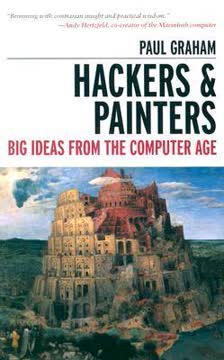
核心要点
1. 书呆子不受欢迎的根本原因在于优先事项的冲突
书呆子不受欢迎,主要是因为他们心中有别的事情要考虑。
欲望的冲突。 书呆子通常聪明且有追求,但他们面临一个根本矛盾:既想受欢迎,又更渴望聪明并创造伟大事物。他们将智力追求置于社交从众之上,这使他们在以社交地位为重的美国中学环境中不受欢迎。
受欢迎的游戏规则。 与书呆子不同,受欢迎的孩子花大量时间和精力去掌握复杂的校园社交动态。他们学会迎合、讨好并结盟,往往是无意识地。这种持续的努力几乎挤占了其他兴趣的空间,而专注于书本、自然或科技的书呆子则被视为局外人。
扭曲的世界。 中学和高中社交世界往往粗糙且残酷,受欢迎是一场零和游戏。书呆子处于等级底层,成为迫害的容易目标,这并非因为他们不受喜爱,而是因为他们成为了团结其他群体的共同“敌人”。这让聪明的孩子们经历了压力重重且常常痛苦的时光。
2. 黑客与画家:美的创造者
黑客和画家的共同点在于,他们都是创造者。
共同的创造精神。 黑客和画家,尽管领域看似不同,却都被创造美丽且实用之物的渴望驱动。他们不仅是工程师或科学家,更是用各自媒介——代码与颜料——表达思想、解决问题的创造者。
超越计算机科学。 “计算机科学”这一称谓容易误导,因为它将数学家、科学家和黑客混为一谈。黑客和画家一样,主要关注的是创造行为,而非研究或理论。他们是设计师,以对细节的极致关注塑造软件,正如画家对画布的用心。
实践中学习。 黑客和画家都通过实践学习,而非死板遵循规则或公式。他们草拟、试验、不断完善作品。这个反复迭代的创造过程是他们技艺的核心,且需要一个可塑的媒介以便随时调整和适应。
3. 道德时尚与难以言说的真相
时尚的本质是隐形的,就像我们乘坐的地球运动对我们来说是看不见的一样。
隐形的道德规范。 正如时尚决定我们穿什么,道德时尚决定我们信仰和言说什么。这些规范往往是任意且对遵守者隐形的,但违反它们可能带来严重后果。
从众的考验。 要识别这些潜规则,问问自己:是否有某些观点不愿在同辈面前表达?如果没有,可能只是随波逐流,未曾真正独立思考。
异端与进步。 历史上,许多人因表达后来被证实为真的观点而遭受迫害。要发现当代难以言说的真相,关注那些被贴上“异端”或“不合适”标签的观点,问问自己:这是否也可能是真的?
4. 黑客的反叛精神推动创新
抵抗政府的精神在某些时刻极其宝贵,我希望它永远保持活力。
反叛是一种美德。 黑客天性反叛,他们质疑权威、打破规则、挑战现状。虽然这种叛逆常令掌权者恼火,却是创新与进步的关键。
知识自由。 黑客极为重视知识自由和思想交流。他们视日益严苛的“知识产权”保护措施为对其所需知识自由的威胁。
美国精神。 黑客的不羁精神深植于美国文化。正是这种质疑和挑战权威的精神,使美国成为创新和技术进步的温床。
5. 基于网络的软件:未来的另一条道路
使用基于网络的软件,大多数用户只需关注他们使用的应用程序。
超越桌面。 基于网络的应用运行于服务器,通过网页作为用户界面,提供比传统桌面软件更便捷友好的选择。它们免去了复杂的安装、更新和兼容性问题。
用户的好处。 基于网络的软件更具移动性、可靠性,且通常功能更强大。用户可通过任何带浏览器的设备访问数据和应用,无需担心系统管理或数据丢失。
开发者的新天地。 基于网络的软件不是单一代码,而是由多种语言编写的程序集合。这要求开发者采用新的设计思路,像城市规划者一样构建互联系统,而非单一庞大应用。
6. 财富创造:黑客的视角
财富是你想要的东西,而非金钱本身。
财富与金钱的区别。 财富是我们所需的食物、衣物、住房和体验。金钱只是交换的媒介,是流通财富的工具。
财富的误区。 许多人误以为世界上的财富是固定的,这是一种谬误。财富不是必须分割的馅饼,而是可以被创造的。
黑客作为财富创造者。 黑客如同工匠,通过制造人们需要的东西创造财富。他们不仅是雇员,更是用技能解决问题、创造价值的创造者。
7. 收入差距:进步的标志?
若想创造财富,理解财富的本质至关重要。
超越“爸爸模型”。 认为财富是固定馅饼需分割的想法幼稚。现实中,财富由人们创造,创造更多财富者往往赚得更多。
技术的杠杆作用。 技术放大了个人生产力的差异。掌握新技术者能创造远超他人的财富。
健康的信号。 在现代社会,收入差距扩大可能是健康的表现,表明人们因生产力获奖,技术推动进步。
8. 基于内容的过滤器:战胜垃圾邮件的关键
垃圾邮件的阿喀琉斯之踵是它们的内容。
垃圾邮件的弱点。 垃圾邮件制造者能绕过任何技术障碍,但无法避免传递其信息。基于内容的过滤器通过分析邮件文本,是阻止垃圾邮件最有效的方法。
贝叶斯方法。 统计分析利用贝叶斯过滤器能极其准确地识别垃圾邮件。该方法从垃圾邮件和非垃圾邮件的模式中学习,适应新策略。
与垃圾邮件共进化。 与基于规则的过滤器不同,贝叶斯过滤器随垃圾邮件演变自动调整新词汇和短语,使其更能抵御垃圾邮件不断变化的手段。
9. 创造者的品味:良好设计的原则
美是首要考验:丑陋的数学在这个世界上没有永久立足之地。
超越主观性。 品味不仅是个人偏好,而是存在跨领域适用的客观设计原则,从数学到绘画皆然。
良好设计的原则:
- 简洁:聚焦核心要素
- 永恒:追求持久吸引力
- 解决问题:针对正确的问题
- 暗示性:激发用户想象
- 幽默感:注入轻松氛围
- 努力:要求不懈付出
- 轻松感:让作品看似轻松完成
- 对称性:运用重复与递归
- 自然性:模仿自然形态
- 重新设计:拥抱迭代
- 模仿:向优秀学习
- 奇异性:允许意外出现
培养品味。 通过研究伟大设计师的作品并践行这些原则,我们能培养自身品味,创造既美观又实用的作品。
10. 编程语言:黑客的工具
程序应为人阅读而写,机器执行只是附带。
超越机器语言。 高级语言让程序员用强大命令构建程序,简化复杂软件编写。它们也提高程序的可移植性,使其能在不同计算机上运行。
开源与掌控。 开源语言赋予程序员更多对软件的控制权,他们能修复漏洞、修改功能、理解代码运作。
语言之争。 高级语言众多,各有优劣。语言选择取决于具体问题和程序员偏好。
11. 百年语言:未来一瞥
我认为语言的基本操作符是其长期存续的最重要因素。
核心最关键。 编程语言的基本操作符决定其长期生命力。语言其他部分可变,但核心必须精心选择且简洁。
浪费也是好事。 随着计算机速度提升,低效代码空间增大。语言设计者可优先考虑便利性而非速度,简化程序编写。
灵活性为王。 理想语言应灵活,允许程序员随时调整以适应新需求。它还应抽象,帮助用简洁明了的方式表达程序。
12. Lisp:初创企业的秘密武器
在商业中,没有什么比竞争对手不理解的技术优势更宝贵。
Lisp的力量。 Lisp是一种强大语言,使程序员能更快更高效地编写软件。它的复杂性使得使用者拥有竞争优势。
Blub悖论。 程序员往往满足于现用语言,难以认识其他语言的强大,这即是Blub悖论。
成功的秘诀。 通过使用Lisp,初创企业能获得技术优势,更快开发软件,创造创新功能,吸引顶尖人才。
读者评价
《黑客与画家》评价褒贬不一,评分从一星到五星不等。支持者称赞格雷厄姆对科技、创业及编程语言的深刻见解,尤其推崇他对Lisp语言的倡导。批评者则认为格雷厄姆的观点常带偏见,态度傲慢,且缺乏充分证据。许多读者对书中关于“书呆子为何在学校不受欢迎”的章节表示认可。整体内容被视为发人深省,但有时颇具争议,尤其涉及财富创造和社会问题。有些人觉得文章结构零散且略显过时,而另一些人则认为这些文章有助于理解硅谷文化。
其他人还在读


常见问题
What's Hackers & Painters about?
- Exploration of Technology and Art: Hackers & Painters by Paul Graham explores the intersection of technology and art, arguing that programming is a creative process similar to painting.
- Impact of Computers: The book examines how computers shape society and influence our lives, focusing on the mindset of hackers and their role in technological advancement.
- Independent Essays: It consists of independent essays that can be read in any order, allowing readers to explore topics of interest without following a linear narrative.
Why should I read Hackers & Painters?
- Insight into Technology: The book provides valuable insights into the world of technology and programming, making complex concepts accessible to non-programmers.
- Understanding Hackers: It demystifies hackers, portraying them as creative individuals who contribute positively to society and challenges negative stereotypes.
- Practical Advice for Entrepreneurs: Graham offers practical advice on wealth creation through startups and technology, making it a valuable read for aspiring entrepreneurs.
What are the key takeaways of Hackers & Painters?
- Creativity in Hacking: Hacking is presented as a form of art, requiring creativity, problem-solving, and a deep understanding of the medium.
- Wealth Creation: The book emphasizes that wealth is created through innovation and hard work, not merely through luck or inheritance.
- Programming Languages' Impact: Graham discusses how programming languages shape programmers' thinking and the software they create, impacting project success.
What are the best quotes from Hackers & Painters and what do they mean?
- "Hackers are makers.": This quote highlights hackers as creators who build and innovate, emphasizing hands-on work and creativity in tech.
- "Wealth is what people want.": It underscores that wealth is about fulfilling needs and desires, emphasizing entrepreneurs' role in creating societal value.
- "Good design is timeless.": This reflects the idea that effective design transcends trends and remains relevant over time, encouraging enduring designs.
How does Paul Graham define hackers in Hackers & Painters?
- Positive Connotation: Hackers are defined as skilled programmers passionate about creating software and solving problems, contrasting with negative stereotypes.
- Creative Thinkers: They are portrayed as creative thinkers who approach problems with an innovative mindset, akin to artists.
- Community and Collaboration: The book highlights the collaborative nature of the hacker community, where knowledge sharing fosters creativity and progress.
What does Hackers & Painters say about the relationship between programming and creativity?
- Programming as Art: Programming is argued to be a creative endeavor similar to painting, requiring vision and the ability to translate it into tangible form.
- Iterative Process: Programming is described as an iterative process where ideas evolve, akin to artists refining their work.
- Importance of Design: Good software design is crucial for creating beautiful and functional programs, with aesthetics playing a significant role.
What advice does Paul Graham offer for aspiring entrepreneurs in Hackers & Painters?
- Start Small: Graham advises starting small and focusing on solving specific problems, as small startups can be more agile and innovative.
- Listen to Users: Understanding user needs and feedback is emphasized, with successful products addressing users' desires and pain points.
- Embrace Hard Problems: Entrepreneurs are encouraged to tackle hard problems, as these often lead to significant innovations and differentiation.
How does Hackers & Painters address the concept of wealth?
- Wealth Creation: Wealth is discussed as something to be created by providing value and solving problems, rather than merely distributed.
- Misconceptions about Wealth: The book challenges the notion of wealth as a fixed pie, suggesting it can grow through innovation and entrepreneurship.
- Role of Technology: Technology, particularly through startups, is highlighted as a key driver of wealth creation and new opportunities.
What does Paul Graham mean by "the hacker mentality" in Hackers & Painters?
- Curiosity and Exploration: The hacker mentality is characterized by deep curiosity and a desire to explore and understand systems.
- Problem-Solving Approach: Hackers enjoy solving complex problems, a mindset essential for success in programming and entrepreneurship.
- Rejection of Authority: Questioning authority and conventional wisdom is part of the hacker mentality, fostering creativity and innovation.
What is the significance of Lisp in Hackers & Painters?
- Powerful Language: Lisp is highlighted as a powerful language allowing greater abstraction and flexibility, offering profound enlightenment.
- Macros and Abstraction: Lisp's macros enable writing programs that generate other programs, enhancing its power and expressiveness.
- Historical Context: Lisp's influence on modern programming languages is discussed, with many contemporary languages adopting its features.
How does Hackers & Painters relate to the startup culture?
- Startup Advantages: Startups are noted for their flexibility and ability to innovate without bureaucratic constraints, with high stakes involved.
- Technical Edge: Having a technical edge, particularly through powerful programming languages, is emphasized as crucial in a competitive market.
- Cultural Dynamics: The informal, passionate environment of startups is contrasted with larger organizations, fostering creativity and innovation.
How does Graham define "good taste" in Hackers & Painters?
- Subjective Yet Objective: While taste is often seen as subjective, Graham argues for objective standards in design, essential for improvement.
- Cultivating Taste: Readers are encouraged to cultivate taste through exposure to good design and critical reflection, improving their work.
- Overlap Across Disciplines: Taste is suggested to overlap across fields, with understanding beauty in one area enhancing skill in another.








































