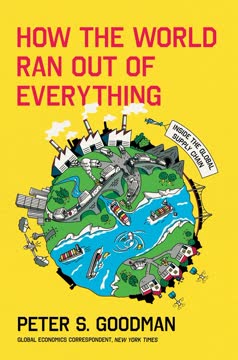
核心要点
1. 供应链大规模中断暴露全球脆弱性
“世界曾显得紧密而可控,大陆间由集装箱船、互联网连接和对全球化的热切信念架起桥梁。如今,地球再次显得辽阔且充满未知。”
前所未有的中断。 新冠疫情引发供应链接连失灵,暴露出全球贸易网络的脆弱性。港口堆积大量集装箱,工厂停产,消费者面临从电子产品到卫生纸的普遍短缺。这场危机揭示了全球经济的高度互联与易受冲击的现实。
系统性弱点显现。 这次中断凸显了几个关键漏洞:
- 对单一来源(尤其是中国)关键物资的过度依赖
- 准时制库存管理无容错余地
- 航运和物流集中于少数大型企业
- 供应链缺乏冗余和韧性
疫情成为警钟,促使企业和政府重新审视长期以来对全球化和高效供应链管理的固有认知。
2. 准时制制造让企业对危机措手不及
“没有比工资问题更重要的了——国家大多数人靠工资生活。生活水平和工资水平决定国家的繁荣。”
效率背后的代价。 丰田开创的准时制(JIT)制造通过减少库存和浪费革新生产,但其广泛应用使许多企业在供应链中断时变得脆弱。
精益管理的后果:
- 库存缓冲极少
- 抵御供应冲击能力下降
- 对可靠运输依赖加重
- 员工承受持续生产压力
准时制在平时提升了盈利能力,却在疫情期间带来灾难。企业难以获得必要零部件,导致生产放缓和短缺,凸显了效率与韧性需兼顾的必要性。
3. 航运与肉类加工行业的垄断加剧短缺
“航运公司声称利润来自资本投资和风险,而非劳动贡献。”
权力高度集中。 航运和肉类加工行业的垄断现象加剧了供应链问题。少数企业主导市场,掌控价格和供应,影响巨大。
垄断的影响:
- 危机时价格暴涨
- 竞争和创新受限
- 关键设施中断风险高
- 对工人和供应商的剥削
疫情期间,航运和肉类加工企业利润创纪录,而消费者却面临短缺和涨价,凸显加强反垄断监管和构建多元韧性供应链的必要。
4. 劳动剥削是全球供应链的基础
“你一旦进来,就不想去别处。每周五都有工资,因为有工作。”
效率背后的人力代价。 全球供应链严重依赖被剥削的劳动力,从发展中国家的工厂工人到发达国家的卡车司机和仓库员工。疫情暴露了许多关键工人的脆弱处境。
劳动剥削的表现:
- 低工资与长工时
- 危险的工作环境
- 缺乏工作保障和福利
- 打压工会与工人恐吓
疫情期间肉类加工厂工人被迫在不安全环境下工作,引发疫情爆发,凸显了加强劳动保护和重新评估廉价商品背后真实成本的紧迫性。
5. 中国制造业主导带来地缘政治风险
“我们只觉得政府会把一切搞砸,情况越来越糟。”
对中国的依赖。 数十年来,中国成为全球工厂,主导制造业。这种集中带来了重大地缘政治风险,尤其在中西方紧张关系加剧时尤为明显。
中国制造的风险:
- 易受中国政府政策影响
- 知识产权被盗风险
- 人权与劳工问题
- 地缘政治冲突导致供应链中断
疫情和美中紧张加速了供应链多元化,企业开始探索亚洲其他国家、墨西哥近岸生产及回流本土制造。
6. 疫情加速了回流与近岸生产趋势
“全球化几乎已死。”
制造战略转变。 疫情和地缘政治推动企业重新评估全球供应链,纷纷将生产迁近本土市场,通过回流(制造回国)和近岸(迁至邻近国家)实现调整。
回流与近岸的驱动因素:
- 降低运输成本和时间
- 增强供应链控制力
- 政府对本土生产的激励
- 缓解地缘政治风险
尽管完全脱钩中国不太可能,但全球制造业正经历显著再平衡,未来国际贸易格局和供应链韧性将因此重塑。
7. 墨西哥成为美国制造业替代中国的重要选择
“现实是,墨西哥是我们部分挑战的解决方案。”
墨西哥制造业崛起。 美国企业寻求中国替代方案时,墨西哥成为最大受益者。其靠近美国市场、现有贸易关系及较低劳动力成本使其成为理想近岸选择。
墨西哥生产优势:
- 供应链更短
- 降低运输成本和时间
- 现有贸易基础设施(美墨加协定)
- 文化和时区与美国接近
向墨西哥制造转移标志着全球供应链的重要调整,虽无法完全取代中国,但为美国企业多元化供应链、减少跨太平洋运输依赖提供了有效路径。
读者评价
《全球物资短缺的真相》揭示了疫情暴露出的全球供应链脆弱性。古德曼将个人故事与经济分析相结合,揭示了企业贪婪、准时制生产和放松监管如何导致物资短缺。读者们称赞本书对物流、劳动条件及垄断行为的深刻洞察,许多人认为内容发人深省且资料详实,尽管也有部分读者批评其带有左翼倾向。书中强调了构建更具韧性的供应链、推动国内生产和保障工人权益的必要性,引发了关于经济政策与消费者选择的广泛讨论。
其他人还在读




常见问题
What's How the World Ran Out of Everything about?
- Focus on Supply Chain Disruption: The book examines the vulnerabilities in global supply chains, especially highlighted during the COVID-19 pandemic. It discusses how dependence on countries like China for manufacturing led to shortages and delays.
- Critique of Globalization: Goodman critiques the efficiency-driven mindset of globalization, arguing that it has made economies fragile and prioritized profit over resilience and worker welfare.
- Personal Stories and Case Studies: Through narratives like that of Hagan Walker, the book illustrates the broader implications of supply chain failures, adding a human element to the economic analysis.
Why should I read How the World Ran Out of Everything?
- Understanding Current Events: The book provides context for the supply chain issues affecting everyday life, especially during the pandemic, helping readers understand product shortages and rising prices.
- Insightful Analysis: Goodman offers a critical examination of globalization and its consequences, relevant for those interested in economics, business, or social issues.
- Engaging Narrative Style: Combining thorough research with storytelling, the book makes complex topics accessible and engaging, drawing readers into the personal stories that illustrate larger trends.
What are the key takeaways of How the World Ran Out of Everything?
- Fragility of Global Supply Chains: The book highlights the fragility of global supply chains, particularly due to over-reliance on specific countries, as revealed during the pandemic.
- Impact of Just in Time: Goodman discusses how the "Just in Time" manufacturing method, which prioritizes efficiency, left businesses vulnerable to disruptions.
- Need for Resilience: The author advocates for more resilient supply chain practices, suggesting a shift to a "Just in Case" mentality with larger inventories.
What are the best quotes from How the World Ran Out of Everything and what do they mean?
- “The world has fallen apart.”: This quote captures the global chaos during the pandemic, highlighting the fragility of interconnected economies and setting the tone for the book's exploration of systemic vulnerabilities.
- “No waste more terrible than overproduction.”: Reflecting the critique of lean manufacturing, this quote underscores the need for balance in production practices to avoid shortages when demand surges.
- “We do not have a free market.”: This statement critiques monopolistic tendencies in the global economy, questioning the fairness of the current economic system dominated by a few large players.
How does Peter S. Goodman define the concept of Just in Time in How the World Ran Out of Everything?
- Efficiency Over Inventory: Just in Time (JIT) is a strategy that minimizes inventory and reduces waste by receiving goods only as needed, aiming to streamline production and cut costs.
- Vulnerability to Disruption: Goodman argues that JIT enhances efficiency but makes supply chains vulnerable to disruptions, as seen during the pandemic when demand spikes unexpectedly.
- Shift to Just in Case: The author suggests businesses consider transitioning to a "Just in Case" model, maintaining larger inventories to prepare for unforeseen events and enhance resilience.
What role does China play in the global supply chain according to How the World Ran Out of Everything?
- Manufacturing Hub: China is depicted as a central manufacturing hub for a wide range of products, making global supply chains heavily dependent on Chinese factories.
- Risks of Over-Reliance: Goodman highlights the risks of depending on a single country for critical goods, particularly during crises like the pandemic, leading to shortages and delays.
- Economic and Political Implications: The book discusses how geopolitical tensions, such as the U.S.-China trade war, complicate supply chain dynamics, exacerbating vulnerabilities and increasing costs.
How does How the World Ran Out of Everything address the impact of the pandemic on supply chains?
- Immediate Disruption: The pandemic caused immediate and severe disruptions, leading to shortages of essential goods due to factory shutdowns and logistical challenges.
- Long-Term Consequences: Goodman argues that the pandemic exposed long-standing vulnerabilities in the global supply chain, forcing a confrontation with the fragility of just-in-time systems.
- Calls for Change: The book advocates for reevaluating supply chain practices, emphasizing resilience and adaptability to prevent future crises.
What are the implications of the Great Supply Chain Disruption for consumers according to How the World Ran Out of Everything?
- Increased Prices: Consumers face rising prices for goods due to supply chain disruptions, with price increases often resulting from inefficiencies in the supply chain.
- Limited Availability: The disruption has led to limited product availability, affecting everyday life and forcing consumers to adapt their purchasing habits.
- Awareness of Supply Chain Issues: The pandemic has raised consumer awareness about supply chain complexities, making people more conscious of factors influencing product availability.
How does How the World Ran Out of Everything critique the role of corporations in the supply chain?
- Profit Over People: Goodman argues that corporations prioritize shareholder profits over worker and consumer welfare, leading to practices that undermine supply chain resilience.
- Monopolistic Tendencies: The book critiques the monopolistic behavior of large corporations dominating the supply chain, limiting competition and driving up prices.
- Need for Regulation: The author advocates for increased regulation to ensure fair practices, believing government intervention is necessary to protect workers and consumers from corporate excesses.
What solutions does Peter S. Goodman propose for improving the supply chain in How the World Ran Out of Everything?
- Emphasizing Resilience: Goodman calls for more resilient supply chain practices, advocating for a "Just in Case" approach with larger inventories and diversified supply sources.
- Reevaluating Globalization: The book suggests businesses reconsider reliance on global supply chains, with reshoring and regional manufacturing enhancing stability and reducing vulnerabilities.
- Strengthening Labor Rights: Goodman emphasizes protecting workers' rights, arguing that fair wages and working conditions are essential for a more equitable and resilient economic system.
How does How the World Ran Out of Everything relate to the concept of Just in Time manufacturing?
- Critique of Just in Time: Goodman discusses how the Just in Time model, while efficient, leaves companies vulnerable to disruptions by minimizing inventory and relying on timely deliveries.
- Pandemic Vulnerabilities: The COVID-19 pandemic exposed weaknesses in this model, leading to significant shortages when supply chains were interrupted.
- Shift Towards Just in Case: The author suggests a shift towards a Just in Case approach, where companies maintain larger inventories to buffer against future disruptions.
How does How the World Ran Out of Everything address the future of globalization?
- Shift Towards Regionalization: Goodman discusses how the pandemic prompted a reevaluation of globalization, with companies seeking to establish manufacturing closer to home to mitigate risks.
- Emerging Markets: The book highlights potential for countries like Mexico and Vietnam to become key players in global trade as companies look for alternatives to China.
- Challenges Ahead: While presenting a hopeful outlook for regional manufacturing, the book acknowledges complexities and challenges in shifting supply chains.