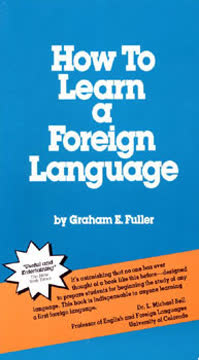
核心要点
1. 语言学习是一项独特且充满回报的挑战
学习任何语言都需要付出大量努力。诚然,对于英语使用者来说,有些语言相对容易些,但任何外语都要求你运用一系列你以前可能从未意识到的不同技能。
独特的技能组合。 语言学习融合了认知、听觉和社交技能,这些与其他学科截然不同。它需要专注、持续练习以及勇于犯错。与有明确对错答案的学科不同,语言能力是在不断接触和使用中逐渐培养起来的。
丰厚的回报。 学习外语的益处远不止于简单交流:
- 拓展文化视野
- 增强职业发展机会
- 提升认知功能
- 促进个人成长与自信
- 能够与不同背景的人建立联系
2. 接纳新声音与发音技巧
你以为自己会说话?确实会,但只是有限的方式。你只知道一种说话方式,而实际上有数十种你从未想过的发声方法。
语音灵活性。 每种语言都有其独特的音素,有些甚至在你的母语中不存在。掌握这些新声音需要:
- 对口腔、舌头和声带进行身体训练
- 积极聆听并模仿母语者
- 克服害羞,勇于接受错误
提升技巧:
- 利用镜子观察口腔和舌位
- 录音并与母语者对比
- 夸张发音以建立肌肉记忆
- 使用针对特定语言的发音指南和资源
3. 理解语言家族与词汇关系
与我们母语接近的语言通常更容易、更熟悉,无论是语法还是词汇。但“接近”究竟意味着什么?这里指的是语言家族——理解语言本质的重要一环。
语言家族洞察。 了解语言家族能加速学习进程:
- 识别共同词根和同源词
- 预判语法相似性
- 利用已知相关语言的知识
词汇关系策略:
- 寻找同源词(有共同起源的词)
- 识别常见前缀、后缀和词根
- 利用熟悉词汇或概念创造助记法
- 研究语言历史发展,理解词汇演变
4. 通过模式掌握语法,而非死记硬背
语法至关重要,因为它明确告诉我们词与词之间的关系。
模式识别。 有效的语法学习侧重于理解潜在结构,而非机械记忆规则:
- 识别句子结构中的重复模式
- 通过例句练习内化结构
- 关注语法如何传达意义,而非仅仅正确性
实用应用:
- 利用真实材料(新闻、歌曲、对话)观察语法环境
- 用新学结构造句
- 参与对话,实时运用语法概念
- 将错误视为学习机会,而非失败
5. 发展高效词汇习得策略
自制单词卡是记忆词汇的极佳方法。
主动学习法。 词汇习得在个性化且有趣的环境中最为有效:
- 制作带有语境、图片或个人联想的闪卡
- 按主题、用法或语法功能分类单词
- 利用间隔重复系统优化复习时间
- 立即将新词融入口语和写作练习
情境学习:
- 阅读适合水平的目标语言材料
- 观看带目标语言字幕的电影或电视剧
- 听播客或音乐,掌握口语表达
- 参与专题对话,强化相关词汇
6. 沉浸于语言与文化之中
去能听到该语言的地方,比如外国超市,尝试捕捉一些你熟悉的单词和短语。
文化融合。 语言与文化密不可分,沉浸其中能提升语言和文化双重流利度:
- 参加文化活动或加入语言交流小组
- 用目标语言烹饪食谱
- 关注目标语言的社交媒体或YouTube频道
- 听广播或播客,感受母语速度输入
创造沉浸机会:
- 将手机或电脑设置改为目标语言
- 在家中物品贴上外语标签
- 用目标语言写日记
- 找语言伙伴定期练习对话
7. 以多样化学习方法突破瓶颈期
迟早你会遇到瓶颈,不要气馁,时间会帮你突破。
方法多样化。 瓶颈期是语言学习的常态,克服它可以:
- 探索新学习资源(教材、应用、网站)
- 挑战更高级材料
- 集中练习某项技能(听、说、读、写)
- 设定短期可达成目标,保持动力
实用策略:
- 加入学习小组或语言俱乐部,获得同伴激励
- 教授所学内容,巩固理解
- 参加标准化语言测试,评估进步并发现不足
- 有条件的话,前往该语言国家旅行
8. 设定切实可行的目标并衡量进展
你走多远取决于你的目标。坦白说,完全流利掌握一门外语需要多年学习。好消息是,你不必流利才能开始让别人理解你。
目标设定框架。 制定明确且可实现的目标:
- 短期目标(周或月度)
- 中期目标(熟练度或特定技能)
- 长期目标(流利或专业使用)
进度追踪:
- 记录语言学习日志,见证成长
- 利用语言能力等级(如CEFR)评估水平
- 定期录音,听见进步
- 庆祝每一个小成就和里程碑
请记住,语言学习是一场终身旅程。拥抱过程,耐心对待自己,享受学习新语言带来的文化与个人成长。
读者评价
《如何学习外语》一书因其激励性强且实用的语言学习建议而广受好评。读者们赞赏其简明扼要的结构和对初学者极具帮助的技巧。虽然有部分读者认为内容略显陈旧,提及磁带而非现代科技,但多数人仍认为其核心原则具有重要价值。该书因揭示语言习得的奥秘并提供克服常见障碍的策略而备受推崇。评论指出,经验丰富的语言学习者可能觉得内容较为基础,但总体而言,本书非常适合刚开始学习外语的人士。
其他人还在读





常见问题
What's "How to Learn a Foreign Language" by Graham E. Fuller about?
- Purpose of the book: The book is a guide for those who have never studied a foreign language or have had a challenging experience with it before. It aims to provide tips and insights to make the learning process easier and more enjoyable.
- Author's experience: Graham E. Fuller shares his extensive experience in learning over a dozen languages, offering practical advice and strategies that he has found effective.
- Learning approach: The book emphasizes understanding how languages work and how to approach the unique challenge of learning a foreign language, making it different from other types of study.
Why should I read "How to Learn a Foreign Language"?
- Overcoming fears: The book addresses common fears and attitudes that hinder language learning, particularly for Americans who are often monolingual.
- Practical advice: It is packed with practical advice and tips that can save beginners hours of confusion and build confidence in their ability to learn a language.
- Fun and engaging: Fuller presents language learning as a fun and engaging process, encouraging readers to enjoy the journey and not just focus on the end goal.
What are the key takeaways of "How to Learn a Foreign Language"?
- Language families: Understanding language families can make learning easier by recognizing similarities in grammar and vocabulary.
- Memory techniques: The book emphasizes using memory tricks and associations to help remember vocabulary and grammar rules.
- Practice and repetition: Consistent practice, including using a tape recorder and engaging with native speakers, is crucial for language acquisition.
How does Graham E. Fuller suggest using a tape recorder in language learning?
- Listening and repeating: Fuller advises using a tape recorder to listen to lessons repeatedly and practice speaking by repeating sentences out loud.
- Training the ear: Listening to recordings helps train the ear to recognize and understand the sounds and intonations of the new language.
- Self-assessment: Recording oneself and comparing it to native speakers can help identify areas for improvement in pronunciation and fluency.
What are the best quotes from "How to Learn a Foreign Language" and what do they mean?
- "Learning a foreign language is like anything else in this world. If you are interested in accomplishing your goal, and if you devote a fair amount of attention to it, you'll succeed." This quote emphasizes the importance of dedication and interest in achieving language learning success.
- "Curiosity may have killed the cat, but it will certainly help you in languages." Fuller highlights the role of curiosity in exploring and understanding new languages and cultures.
- "A language is like an ocean: it seems to go on forever." This metaphor illustrates the vastness and depth of language learning, encouraging learners to embrace the journey.
How does "How to Learn a Foreign Language" address grammar learning?
- Grammar as a skeleton: Fuller describes grammar as the skeleton of a language, essential for holding words together and conveying meaning accurately.
- Learning through patterns: The book suggests learning grammar through pattern recognition and repetition, similar to how children learn their native language.
- Practical application: Understanding grammar rules helps learners manipulate language to express themselves clearly and accurately.
What memory techniques does Graham E. Fuller recommend for vocabulary learning?
- Word associations: Fuller advises creating associations between new words and familiar concepts or sounds to aid memory retention.
- Word cards: Using word cards with the foreign word on one side and the English translation on the other helps reinforce vocabulary through active recall.
- Repetition and speed: Practicing vocabulary quickly and repeatedly helps build automatic language reflexes, making recall more efficient.
How does "How to Learn a Foreign Language" suggest dealing with plateaus in language learning?
- Recognizing plateaus: Fuller acknowledges that learners will experience plateaus where progress seems to stall, but these are natural parts of the learning process.
- Consolidating knowledge: During plateaus, learners should focus on consolidating what they have already learned and practicing it in different contexts.
- Engaging with culture: Exploring cultural aspects, such as films, music, and books, can reignite interest and motivation to move past plateaus.
What role do language families play in "How to Learn a Foreign Language"?
- Understanding relationships: Language families help learners understand the relationships between languages, making it easier to recognize similarities in grammar and vocabulary.
- Easier learning: Knowing a language from the same family as the target language can make learning easier due to shared roots and structures.
- Spotting connections: Fuller encourages learners to spot connections between languages, using them as memory aids for vocabulary and grammar.
How does Graham E. Fuller suggest learners approach pronunciation?
- Imitating sounds: Fuller emphasizes the importance of imitating native speakers' sounds and intonations to develop an authentic accent.
- Exaggeration: He advises learners to exaggerate sounds when practicing to better grasp the nuances of pronunciation.
- Using a mirror: Watching oneself in a mirror while practicing can help learners adjust their mouth and tongue positions for accurate pronunciation.
What are the challenges of learning a language alone, according to "How to Learn a Foreign Language"?
- Maintaining motivation: Without a teacher, learners must find ways to stay motivated, such as engaging with cultural materials and setting personal goals.
- Finding resources: Access to quality language materials, such as textbooks and tapes, is crucial for independent learners.
- Seeking native speakers: Establishing contact with native speakers can provide valuable practice and cultural insights, enhancing the learning experience.
How does "How to Learn a Foreign Language" suggest learners handle unfamiliar vocabulary?
- Using context: Fuller advises using context clues to infer the meaning of unfamiliar words, especially in conversations and reading.
- Descriptive language: When lacking specific vocabulary, learners should use descriptive language to convey their meaning effectively.
- Continuous learning: Regularly expanding vocabulary through reading, listening, and engaging with native speakers helps learners become more proficient over time.








































