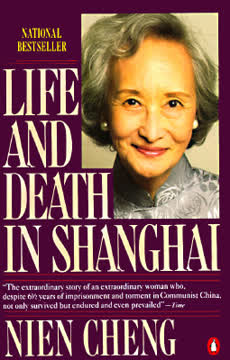
核心要点
1. 文化大革命:一段被迫害与坚韧的亲历记
“过去永远伴随着我,我记得一切。”
动荡的时代展开。 郑念的回忆录亲述了中国文化大革命这一政治与社会剧烈动荡的时期。1966年,毛泽东发动这场运动,作为一名曾任壳牌高管且有外籍背景的她,成为席卷全国的革命狂潮的目标。
混乱中的个人悲剧。 红卫兵洗劫她的家,摧毁了无价的古董和私人物品,生活被彻底颠覆。她被诬陷为间谍,遭受多年监禁、审讯以及身心折磨。
逆境中的坚韧精神。 在漫长的磨难中,郑念展现出非凡的坚韧与正直。面对严刑逼供和死刑威胁,她坚决不认罪。她的故事证明了人类精神在极端压迫下依然能够坚持尊严与生存。
2. 毛时代意识形态操控的力量
“党喜欢人们用奴颜婢膝的服从和口头颂扬来表达感激。”
毛泽东个人崇拜。 文化大革命的推动力是围绕毛泽东的个人崇拜。他的言论和教导被神化,公民每天必须学习并背诵他的著作。
宣传与洗脑。 政府通过多种手段控制民众思想和行为:
- 持续的政治运动和“斗争会”
- 无处不在的海报、标语和媒体宣传
- 改写历史以符合党的叙事
- 鼓励群众互相监视和揭发
恐惧的力量。 政权通过制造恐惧和猜忌维持控制。任何人都可能被指控为“阶级敌人”或“反革命”,导致普遍的偏执和自我审查。
3. 极权体制下的生存策略
“我决定把文化大革命当作一场为自己洗清冤屈的斗争。”
心理坚韧。 郑念采取多种方法保持理智和决心:
- 默诵诗词和文学作品
- 与审讯者进行心理较量和辩论
- 从狱友或同情的狱警的小善举中获得慰藉
身体耐力。 尽管条件恶劣,她努力保持健康:
- 尽可能在牢房内锻炼
- 精打细算地分配食物和维生素
- 用有限资源自我治疗疾病
策略性抵抗。 她巧妙应对政治陷阱:
- 审讯时谨慎措辞
- 利用毛泽东的教义为自己辩护
- 拒绝牵连他人或做虚假供词
4. 革命中国真相与正义的沦丧
“在毛泽东的中国,入狱与民主国家的含义截然不同。人们总是被假定有罪,除非能证明自己无罪。”
任意的司法。 文化大革命期间的法律制度形同虚设:
- 逮捕基于薄弱证据或诬告
- 供词多靠酷刑或胁迫获得
- 审判若有,亦是走过场,结果早已注定
虚假叙事的力量。 政权制造并强制执行虚假叙事,带来惨重后果:
- 历史事实被扭曲或抹去以服务政治目的
- 无辜者被迫承认虚构罪行
- 名誉和事业被伪造证据摧毁
体制的腐败。 意识形态狂热渗透社会各层面:
- 教育系统沦为洗脑工具
- 文化机构被清除“资产阶级”影响
- 科技进步因政治因素受阻
5. 政治动荡对家庭与社会的冲击
“文化大革命似乎是一次向左的摆动。迟早,当它走得太远时,会有纠正措施。”
家庭纽带的考验。 文化大革命极大地冲击了家庭关系:
- 儿童被鼓励揭发父母
- 夫妻被迫互相背叛
- 家庭因监禁、流放或处决而支离破碎
社会结构的瓦解。 传统价值观和社会规范被系统性摧毁:
- 尊老爱师被革命热情取代
- 专业技能被政治忠诚取代
- 文化遗产以“进步”之名遭到破坏
持久的创伤。 文化大革命的动荡给中国社会留下深刻伤痕:
- 一代人的教育被中断或毁坏
- 个人与机构间的信任严重流失
- 该时期的心理影响远超其官方结束时间
6. 面对压迫的抵抗与坚守
“我宁愿死也不说谎。”
道德勇气。 在整个磨难中,郑念坚守正直,拒绝妥协:
- 面对强大压力始终否认虚假指控
- 尽力为他人辩护,哪怕冒险自身安全
- 在羞辱和虐待中保持尊严与冷静
智慧的抵抗。 她以知识和机智作为反抗武器:
- 与审讯者辩论,揭露其逻辑漏洞
- 利用马克思主义理论和毛泽东著作为自己辩护
- 即使孤立无援,仍保持求知欲和批判思维
希望与坚持。 尽管境况艰难,郑念从未失去希望:
- 相信真理与正义终将胜利
- 专注于生存,坚信苦难终有尽头
- 从对女儿和祖国的爱中汲取力量
7. 毛泽东文化大革命的长期影响
“文化大革命本质上是毛泽东与刘少奇两种党内政策的较量。”
政治权力斗争。 文化大革命实为毛泽东清除政敌、重掌权力的手段:
- 曾为接班人的刘少奇被清洗,死于狱中
- 党内机构重组,倾向毛泽东支持者
- 林彪领导的军队政治影响力增强
经济倒退。 文化大革命的混乱带来严重经济后果:
- 工农业生产遭受破坏
- 受过教育的专业人才被下放农村“再教育”
- 科技进步陷入停滞
文化与教育的损失。 “旧文化”遭到毁灭性打击:
- 无数历史文物和文化遗产被毁
- 传统知识和习俗被压制
- 整整一代人教育严重不足
创伤的遗产。 文化大革命在中国社会留下深刻创伤:
- 不信任与背叛撕裂社区和家庭
- 社会道德指南针严重扭曲
- 共产党合法性受损,催生未来改革
读者评价
《上海生死劫》被广泛誉为一本深刻反映程念慈在文化大革命期间经历的回忆录。读者为她在长达六年半的囚禁中展现出的勇气、坚韧以及拒绝承认虚假指控的坚定态度所感动。此书深入揭示了那个时代的政治动荡与人权侵犯,成为理解现代中国历史的重要读物。尽管部分读者认为文笔略显重复,但大多数评论者都被程念慈的故事及其在极端逆境中展现出的不屈精神深深打动。
其他人还在读


常见问题
What's Life and Death in Shanghai about?
- Personal Memoir: The book is a memoir by Nien Cheng, detailing her experiences during the Cultural Revolution in China, including her wrongful imprisonment and the loss of her daughter.
- Historical Context: Cheng provides a vivid account of the political turmoil in China, illustrating the impact of Mao Zedong's policies on individuals and families.
- Themes of Resilience: The memoir emphasizes resilience, survival, and the quest for justice amidst oppression, highlighting both personal and collective trauma.
Why should I read Life and Death in Shanghai?
- Insightful Perspective: The book offers a unique perspective on the Cultural Revolution from someone who experienced its horrors firsthand, providing valuable historical context.
- Emotional Depth: Cheng's narrative grapples with loss, injustice, and the struggle for truth, resonating with anyone who values human rights and personal freedom.
- Cultural Understanding: The memoir serves as a bridge to understanding Chinese history and culture, encouraging reflection on individual rights and political ideologies.
What are the key takeaways of Life and Death in Shanghai?
- Impact of Ideology: The book illustrates how political ideologies can lead to personal tragedies and societal chaos, highlighting the dangers of extreme political movements.
- Importance of Truth: Cheng emphasizes the necessity of seeking truth and justice, even when faced with overwhelming odds, as a powerful reminder of accountability.
- Resilience in Adversity: The memoir showcases the strength of the human spirit, inspiring readers to stand up against injustice and advocate for change.
What are the best quotes from Life and Death in Shanghai and what do they mean?
- “The past is forever with me and I remember it all.”: This quote underscores the importance of memory in Cheng's life, reflecting her struggle to come to terms with her past experiences.
- “The Cultural Revolution could be more aptly named Cultural Annihilation.”: It encapsulates Cheng's view of the devastating effects of the Cultural Revolution on Chinese culture and society.
- “I have never committed a crime.”: This statement encapsulates Cheng's unwavering stance against the false accusations made against her, reflecting her commitment to truth.
How does Nien Cheng describe her imprisonment in Life and Death in Shanghai?
- Harsh Conditions: Cheng describes her imprisonment as a time of extreme hardship, marked by inadequate food, poor sanitation, and psychological torture.
- Psychological Strain: The memoir details the psychological strain of being wrongfully accused and isolated, testing Cheng's resilience.
- Search for Truth: Throughout her imprisonment, Cheng remains committed to uncovering the truth about her situation and her daughter's death.
What role does Nien Cheng's daughter play in Life and Death in Shanghai?
- Symbol of Loss: Cheng's daughter, Meiping, represents the tragic consequences of the Cultural Revolution, serving as a poignant reminder of personal tolls.
- Motivation for Justice: Meiping's death becomes a driving force for Cheng's quest for justice, fueling her resilience and activism.
- Reflection of Society: Through her daughter's story, Cheng reflects on the broader societal impacts of the Cultural Revolution, illustrating the destruction caused by political fanaticism.
How does Life and Death in Shanghai address the theme of resilience?
- Personal Strength: Cheng's narrative showcases her personal strength and resilience in the face of adversity, remaining steadfast in her pursuit of truth and justice.
- Collective Resilience: The memoir highlights the collective resilience of the Chinese people during the Cultural Revolution, emphasizing the strength of the human spirit.
- Hope for the Future: Cheng's journey from victimhood to empowerment serves as a testament to the possibility of hope and recovery, inspiring readers to confront injustice.
What does Nien Cheng reveal about the political climate in China during the Cultural Revolution in Life and Death in Shanghai?
- Political Turmoil: Cheng provides a detailed account of the chaos and persecution that characterized the Cultural Revolution, driven by ideological fervor.
- Power Struggles: The memoir reveals internal power struggles within the Communist Party, highlighting personal ambitions and rivalries influencing political decisions.
- Impact on Society: Cheng emphasizes the profound impact on Chinese society, including the erosion of trust and destruction of cultural heritage, serving as a cautionary tale.
How does Nien Cheng's perspective on the Communist Party evolve throughout Life and Death in Shanghai?
- Initial Trust: Cheng initially expresses trust in the Communist Party and its promises of social justice, hoping for a better future.
- Disillusionment: Her trust erodes as she experiences persecution and loss, becoming increasingly critical of the Party's actions and policies.
- Call for Accountability: By the end, Cheng advocates for accountability and justice, illustrating her transformation from a loyal Party member to a vocal critic.
What does Life and Death in Shanghai say about the role of women in Chinese society during the Cultural Revolution?
- Marginalization of Women: Cheng highlights the marginalization of women, often relegated to traditional roles and facing discrimination.
- Women as Victims: The memoir illustrates how women became victims of political persecution, reflecting broader societal struggles.
- Emerging Voices: Despite challenges, Cheng showcases emerging voices of women asserting their rights and advocating for change.
How does Nien Cheng's experience in Life and Death in Shanghai reflect the broader historical context of China?
- Cultural Revolution's Impact: Cheng's experiences serve as a microcosm of the Cultural Revolution's impact, reflecting widespread suffering and chaos.
- Political Repression: The memoir highlights the repression faced by individuals challenging the Party's authority, underscoring the dangers of dissent.
- Hope for Change: Despite her experiences, Cheng conveys hope for change and progress, resonating with aspirations for a better future.
What events led to Nien Cheng's arrest in Life and Death in Shanghai?
- Political Climate Shift: The Cultural Revolution began in 1966, marked by violent denunciations and purges, making Cheng a target due to her background.
- Accusations of Being a Spy: Cheng was accused of conspiring with foreign powers, a common charge against those with Western ties.
- Struggle Meetings: She was subjected to struggle meetings, publicly denounced and pressured to confess to crimes she did not commit, a hallmark of the Cultural Revolution.








































