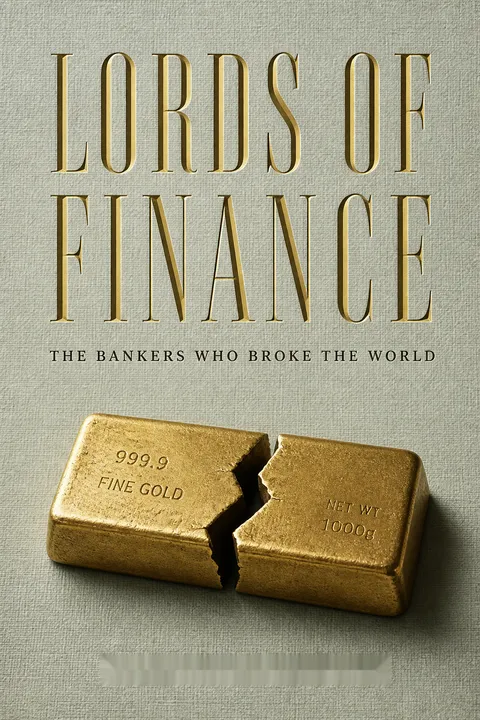

核心要点
1. 1920年代,央行行长塑造了全球经济格局
当全球经济陷入前所未有的萧条第二年,世界最重要的央行行长却精神崩溃,这无疑是极为不幸的。
央行行长的权力。 1920年代,一小群央行行长对全球经济拥有巨大影响力。关键人物包括:
- 英格兰银行的蒙塔古·诺曼
- 纽约联邦储备银行的本杰明·斯特朗
- 德意志帝国银行的希尔玛·沙赫特
- 法国银行的埃米尔·莫罗
这些人对利率、货币价值和国际贷款做出关键决策,塑造了当时的经济格局。他们的私人关系、竞争与意识形态常常影响政策选择,带来深远后果。
面临的挑战。 央行行长们努力应对:
- 一战后重建国际金融体系
- 管理重返金本位制
- 处理战争债务与赔款
- 应对经济危机与市场投机
2. 金本位制的回归引发经济失衡
“我将让你成为黄金总理。”
金本位的困境。 1920年代重返金本位被视为经济稳定的关键,但却带来了严重问题:
- 英国以高估汇率重返,导致出口竞争力下降
- 法国以低估汇率设定法郎,获得不公平优势
- 美国积累过多黄金储备,造成全球失衡
这些差异引发部分国家通货紧缩压力,加剧经济不稳定。金本位的僵化规则限制了各国应对经济挑战的能力,最终加剧了大萧条。
管理尝试。 央行行长们试图通过:
- 调整利率
- 国际贷款
- 货币干预
- 非正式合作协议
来缓解这些失衡。
3. 赔款与战争债务加剧国际关系紧张
“德国佬会付出代价”——这是当时的口号。
战争债务的重负。 一战后,复杂的债务与赔款网络加剧了国际关系紧张:
- 德国欠盟国巨额赔款
- 欧洲盟国欠美国战争债务
- 美国坚持偿还,欧洲则寻求债务减免
这一局面引发怨恨和经济不稳,尤其在德国表现明显。1924年的道威斯计划试图通过重组德国赔款解决问题,但未能根本扭转局势。
后果:
- 激发经济民族主义
- 导致德国政治不稳定
- 阻碍欧洲经济复苏
- 加剧盟国间外交紧张
4. 货币政策助长投机与市场动荡
斯特朗刻意未邀请联邦储备委员会成员参加米尔斯府上的会议。
美联储的关键决策。 1927年,纽约联储的本杰明·斯特朗推动降息,帮助英国维持金本位,但此举带来意外后果:
- 刺激美国股市投机
- 形成市场泡沫
- 引发联储系统内部紧张
该政策凸显了平衡国内外经济利益的难题,以及央行决策不透明的风险。
宽松货币的后果:
- 股价迅速攀升
- 保证金贷款增加
- 市场稳定性担忧加剧
- 对联储过度关注国际事务的批评
5. 个人恩怨影响全球金融决策
诺曼主导会议,端坐于会议室一端的扇形靠背东方椅上。
关系的影响。 央行行长间的私人关系深刻影响政策走向:
- 诺曼与斯特朗的密切友谊促进英美合作
- 诺曼与莫罗的竞争阻碍法英协调
- 沙赫特的对抗风格引发与其他行长及政治家的紧张
这些关系往往超越正式机构框架,既带来合作也引发冲突。
关键关系:
- 诺曼—斯特朗:亲密盟友
- 诺曼—莫罗:对立
- 沙赫特—诺曼:起初合作,后趋紧张
- 斯特朗—莫罗:日益同情
6. 美国股市繁荣引发大萧条
8月,美联储降息后,股市立即飙升。
崩盘前的积累。 1920年代末,美国股市经历剧烈繁荣,推动因素包括:
- 宽松信贷政策
- 技术乐观情绪
- 广泛投机行为
联储在1928-29年试图通过加息抑制投机,但为时已晚且力度过猛,助推市场崩盘及经济收缩。
繁荣关键因素:
- 低利率
- 保证金贷款
- 新兴产业(如汽车、无线电)
- “新时代”思潮
- 金融市场监管不足
7. 央行独立性至关重要却屡受挑战
尽管行长及副行长多来自高级公务员,但最终仍需对十二人理事会负责。
独立性的重要性。 央行独立被视为维护货币稳定的关键,但常遭挑战:
- 政府融资赤字的政治压力
- 国家与国际经济目标的冲突
- 央行内部政策分歧
央行的结构与治理影响其抵御外部干预、做出独立决策的能力。
独立性面临的挑战:
- 政府干预
- 公众批评
- 内部意见不合
- 任务冲突(如国内与国际稳定)
8. 经济民族主义阻碍国际合作
我向首相解释,英国作为战后首个恢复稳定可靠货币的欧洲国家,利用这一优势奠定了对欧洲的金融主导地位。
经济民族主义兴起。 尽管有国际合作尝试,经济民族主义日益主导政策:
- 各国优先考虑国内经济利益胜过全球稳定
- 竞争性贬值与保护主义盛行
- 维护国家声望影响货币政策
这一趋势削弱了脆弱的国际金融体系,加剧了大萧条的严重性。
经济民族主义表现:
- 货币操纵
- 贸易壁垒
- 争夺小国金融影响力
- 不愿协调国际政策
9. 德国恶性通胀带来深远影响
到1923年11月,德国经历了人类历史上最严重的货币价值毁灭。
恶性通胀的创伤。 1923年德国的恶性通胀产生深远且持久的影响:
- 毁灭储蓄,颠覆社会秩序
- 造成对纸币及政府财政管理的深刻不信任
- 影响德国数十年的经济政策
- 促成政治不稳定与极端主义崛起
这一经历塑造了德国对货币政策的态度,并影响其后续欧洲经济一体化的路径。
恶性通胀的后果:
- 消灭中产阶级储蓄
- 破坏对民主制度的信任
- 形成对通胀的强烈抵触文化
- 影响德国联邦银行日后对价格稳定的重视
读者评价
《金融之主》被誉为一部引人入胜且内容丰富的历史著作,聚焦于20世纪20至30年代,讲述了塑造经济政策的中央银行家们。读者赞赏阿哈迈德将复杂的金融概念通俗化的能力,以及他对相关人物性格的生动刻画。尽管部分读者认为节奏较慢或缺乏深入分析,但大多数人肯定了本书对大萧条成因的洞察力,以及其对现代经济危机的现实意义。作者恰逢2008年金融危机期间出版此书,时机颇为幸运。
其他人还在读





常见问题
What's Lords of Finance: The Bankers Who Broke the World about?
- Focus on Central Bankers: The book centers on four influential central bankers—Montagu Norman, Benjamin Strong, Hjalmar Schacht, and Émile Moreau—who shaped the global financial landscape during the interwar period.
- Economic Policies and Consequences: It examines how their decisions regarding the gold standard and international finance contributed to the economic collapse of the 1930s.
- Historical Context: Set against the backdrop of World War I reparations and the rise of fascism, the narrative explores the interconnectedness of global economies.
Why should I read Lords of Finance by Liaquat Ahamed?
- Insightful Historical Analysis: The book provides a deep dive into the economic decisions that shaped modern financial systems, essential for understanding current economic policies.
- Lessons from the Past: It offers valuable lessons on leadership and sound economic policy, particularly during crises, which remain relevant today.
- Engaging Narrative: Ahamed combines thorough research with a compelling narrative style, making complex economic concepts accessible and engaging for readers.
What are the key takeaways of Lords of Finance?
- Failures of Central Bankers: The book emphasizes that the central bankers' adherence to the gold standard and their failure to act decisively during crises were significant factors in the Great Depression.
- Importance of Monetary Policy: It highlights how monetary policy can either stabilize or destabilize economies, depending on the decisions made by financial leaders.
- Interconnectedness of Global Economies: Ahamed illustrates how the financial decisions of one country can have far-reaching effects on others, underscoring the need for international cooperation in economic policy.
What are the best quotes from Lords of Finance and what do they mean?
- “If you can’t say anything nice, don’t say anything at all.”: Reflects the cautious approach central bankers must take during financial crises, balancing honesty with the need to maintain public confidence.
- “Let me issue and control a nation’s money and I care not who writes the laws.”: Highlights the immense power that comes with controlling a nation’s currency, underscoring the influence of central bankers.
- “Capitalism was saved in eight days.”: Refers to the swift actions taken by Roosevelt's administration to stabilize the banking system, illustrating the potential for rapid recovery when decisive measures are implemented.
How did World War I affect global finance according to Lords of Finance?
- Destruction of Financial Systems: The war led to the collapse of the pre-war financial order, with countries like Britain, France, and Germany facing massive debts and economic instability.
- Shift in Economic Power: The United States emerged as the world's leading economic power, with its gold reserves doubling and becoming the primary lender to Europe.
- Inflation and Currency Issues: Countries resorted to printing money to finance the war, leading to hyperinflation in Germany and other nations, which destabilized their economies post-war.
What role did the gold standard play in the events described in Lords of Finance?
- Economic Constraints: The gold standard limited the ability of central banks to respond to economic crises, as they were bound to maintain fixed exchange rates and gold reserves.
- Deflationary Pressures: Adherence to the gold standard during the Great Depression exacerbated deflation, leading to widespread economic hardship and unemployment.
- Global Impact: The rigidities of the gold standard created a domino effect, where the economic troubles of one country quickly spread to others, highlighting the interconnectedness of global finance.
How did the actions of central bankers lead to the Great Depression?
- Inadequate Responses: Central bankers failed to act as lenders of last resort during banking panics, allowing confidence to erode and leading to widespread bank failures.
- Misaligned Policies: Their commitment to the gold standard and deflationary policies restricted monetary supply, worsening economic conditions and prolonging the downturn.
- International Coordination Failures: The lack of cooperation among central banks during crises led to a fragmented response, exacerbating the global economic collapse.
What were the consequences of the reparations imposed on Germany?
- Economic Instability: The reparations created significant economic strain on Germany, leading to hyperinflation and social unrest, as the country struggled to meet its financial obligations.
- Political Fallout: The burden of reparations contributed to political instability in Germany, fostering resentment and extremism, which would later facilitate the rise of the Nazi Party.
- Long-term Impact on Europe: The reparations issue poisoned relations between Germany and the Allies, creating a cycle of debt and economic hardship that would have lasting effects on European stability.
How did the Dawes Plan impact the global economy according to Lords of Finance?
- Stabilization of Germany: The Dawes Plan was designed to stabilize the German economy by restructuring reparations payments and providing loans from the U.S., leading to a temporary economic recovery.
- International Cooperation: The plan exemplified a moment of international cooperation among the major powers to address the economic fallout from World War I.
- Short-term Success, Long-term Issues: While initially successful, the plan created a dependency on foreign loans and did not address the underlying issues of reparations, contributing to Germany's economic vulnerability.
How did the Great Depression affect international relations, according to Lords of Finance?
- Economic Tensions: The economic turmoil created by the Great Depression strained international relations, as countries turned inward and adopted protectionist policies.
- Shift in Power Dynamics: The crisis altered the balance of power in international finance, with the United States emerging as a dominant economic force while European countries struggled.
- Long-term Consequences: The failures of the interwar financial system and the inability to cooperate on economic issues contributed to the conditions that led to World War II.
How does Lords of Finance relate to modern economic issues?
- Lessons on Monetary Policy: The book serves as a cautionary tale about the dangers of rigid monetary policies and the importance of flexibility in economic management.
- Global Financial Interdependence: It underscores the interconnectedness of global economies, a concept that remains relevant in today's increasingly globalized financial landscape.
- Crisis Management: The historical analysis provides insights into how policymakers can effectively respond to financial crises, emphasizing the need for decisive action and international cooperation.
What is the significance of the Federal Reserve's role in the events of the Great Depression as described in Lords of Finance?
- Lender of Last Resort: The Federal Reserve's failure to act as a lender of last resort during the banking crises of the early 1930s contributed to the severity of the Great Depression.
- Policy Missteps: Decisions made by the Fed, including maintaining low interest rates and failing to curb speculation, played a significant role in the economic collapse.
- Evolution of Central Banking: The events of the Great Depression led to significant reforms in the Federal Reserve's structure and policies, shaping the modern central banking system.
下载 PDF
下载 EPUB
.epub digital book format is ideal for reading ebooks on phones, tablets, and e-readers.








































