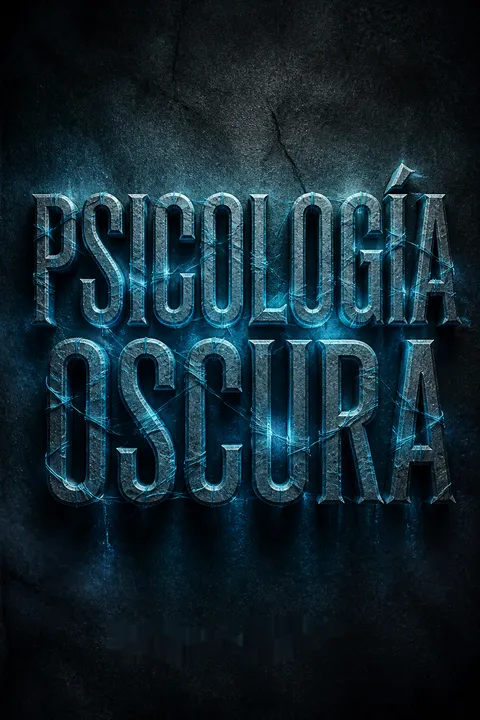
核心要点
1. 理解黑暗心理学是必不可少的防御手段
本指南将为您提供识别并防范黑暗心理学所需的信息与理解。
核心定义。 黑暗心理学指的是任何利用他人弱点和脆弱性进行偏离常规或犯罪行为的做法,受害者往往浑然不觉。这不仅是理论概念,更是日常生活中无处不在的现实,从广告到人际关系无所不包。忽视其存在,是一种危险的选择,会让人毫无防备。
常见策略。 黑暗操控者会采用多种手段以达成目的,包括:
- 爱意轰炸: 以大量积极情感迅速建立信任。
- 谎言: 部分或完全歪曲事实以谋取私利。
- 拒绝爱意/撤回关注: 通过剥夺情感或关注迫使受害者屈服。
- 限制选择: 限定受害者的选项以引导其决策。
- 反向心理学: 诱导受害者做出与表面要求相反的行为,达到操控者预期。
使用者群体。 具备特定人格特质或特定身份的人更易采用这些策略,包括自恋者、反社会者、政治人物、销售人员、领导者及自私之人。识别这些人及其手法,是保护自己和他人免受伤害的第一步。
2. 隐蔽的情感操控是核心所在
隐蔽情感操控(CEM)是指某人试图以不诚实且不被察觉的方式影响他人情感和思维的行为。
隐秘本质。 隐蔽情感操控是一种悄无声息地影响受害者情绪和思想的手段,受害者往往毫无察觉。与公开影响不同,操控者隐藏真实意图,使受害者在意识到被控制时已为时过晚。其目的在于避免被发现和防范。
情感聚焦。 操控者专注于受害者的情绪,因为掌控情绪是控制意志力和信念等人格其他方面的关键。一旦情绪被掌控,操控者便获得对受害者的全面控制。隐蔽情感操控的目的始终是操控者的秘密利益,而非受害者的福祉。
应用场景。 隐蔽情感操控可出现在生活各领域,尤其在浪漫关系和家庭中尤为常见。浪漫关系中,控制欲强的伴侣可能以隐蔽方式施加影响,使受害者难以察觉。家庭中,受害者因亲情义务更易被操控者利用,操控者借此剥削受害者的情感和责任感。
3. 黑暗说服策略利用信任为利器
黑暗说服的结果截然不同,操控者始终是获益者,借助影响力或控制欲达成目的。
自私动机。 与寻求双赢的积极说服不同,黑暗说服缺乏道德,其唯一目标是操控者的利益,往往以牺牲受害者为代价。黑暗说服者无视所造成的伤害,甚至享受对他人的控制。受害者往往违背自身利益,甚至不自知。
“长期骗局”。 常见手法是“长期骗局”,通过长时间赢得受害者信任。操控者通过虚假的“积极说服”行为建立关系,使受害者习惯其影响。一旦受害者心理准备充分且完全信任,操控者便开始实施真正意图,可能造成严重后果,如诈骗脆弱的寡妇。
渐进与伪装。 黑暗说服很少突然提出要求,而是通过“渐进”逐步升级,每一步看似微不足道,直到受害者无法回头。同时,操控者擅长“伪装真实意图”,利用反向心理学或先要高额要求再“妥协”至较低目标,掩盖真实目的。
4. 难以察觉的精神控制攻击脆弱点
难以察觉的精神控制往往是最致命的操控形式。
致命隐形。 难以察觉的精神控制极其危险,因为受害者不知其思想正被操控,无法启动防御。与明显影响不同,受害者无法反驳或避开操控者,精神控制悄然渗透,令受害者无力反应,直至为时已晚。
需求利用。 操控者寻找有迫切需求或欲望的受害者,这类人更易受影响。无论是渴望陪伴、归属感还是经济稳定,操控者都会识别这些脆弱点,自诩为“救世主”或解决方案,实则为财务、性或其他自私目的剥削受害者。
微妙手法。 难以察觉的精神控制通过人际和媒体手段实现。“选择限制”制造受害者控制错觉,实则限制真实选项;“视觉与听觉控制”利用潜意识刺激(如视频背景中的恐怖画面或不可闻的恐惧音频)扭曲受害者情绪与思维,受害者难以察觉。
5. 黑暗心理游戏满足操控者的快感
黑暗心理游戏往往是操控者为自我娱乐或满足而玩的心理把戏。
游戏本质。 黑暗心理游戏是操控者用以玩弄受害者意志力或理智的心理策略,常为纯粹娱乐或个人快感。与其他有明确目标的操控不同,操控者可能不在意后果,只享受探索和试探受害者心理的过程。
多样动机。 这些游戏的动机各异。有的操控者用以诱导特定行为或思维,当其他策略无效时使用;有的如反社会者,单纯享受看受害者屈服的过程,将人视为操控的对象以取乐;有时这是一种习得行为,操控者无他法可用。
游戏示例。
- 最后通牒: 严苛要求(“做这个……否则就会怎样”),让受害者无真实选择,违背自身利益,却被伪装成有选择权。
- 永恒分手: 持续威胁分手(暗示、承诺或未兑现的实际分手),使受害者陷入不安全感和依赖,迫使其努力维系关系。
- 难以获得: 关系确立后故意表现难以接近,促使受害者努力重新建立联系,满足操控者自尊并恢复权力。
6. 欺骗是操控者的基本工具
当欺骗带有对受害者冷漠或负面意图时,即成为黑暗欺骗。
定义与目的。 欺骗指任何使他人相信虚假信息的言语或行为,包括谎言、隐瞒或伪造证据。当欺骗带有对受害者冷漠或负面意图,忽视或扭曲事实以服务操控者自私目的,不顾伤害时,即为“黑暗欺骗”。
规模与主题。 黑暗欺骗可大可小。小规模欺骗用于试探受害者或削弱其判断力,使其怀疑自身感知;大规模欺骗则可能隐瞒操控者真实身份。常见欺骗主题包括金钱(职业乞丐、诈骗)、婚姻状况(隐瞒过往婚姻或伪造)、犯罪记录或真实意图(假装爱情以进行性剥削)。
欺骗手法。
- 撒谎: 最直接手段,常将90%真实信息掺杂其中以增强可信度。
- 暗示: 未明说但暗示虚假信息,如暗示财富而不直接声明。
- 隐瞒: 省略关键信息,阻碍受害者做出明智决定,常制造“情感屏障”回避话题。
- 欺诈: 最复杂且违法,涉及虚假故事、文件及其他证据支持谎言,技术发展使其更普遍。
7. 洗脑重塑受害者身份认同
洗脑是一个缓慢过程,将受害者原有的身份和信念替换为符合操控者目的的新观念。
渐进过程。 洗脑是一种缓慢且有条不紊的过程,旨在用新思想取代受害者原有身份和信念,以服务操控者目的。并非人人适用,操控者多选择脆弱受害者,尤其是经历过亲人离世等创伤事件者。
操控阶段。
- 建立关系与信任: 操控者表现理性友善,通过真实或虚假的相似点建立联系,赠予礼物或好处以激发感激,降低抵抗。
- 呈现乌托邦式方案: 逐步提供解决方案,通常是操控者希望受害者采纳的意识形态、人格或教派。
- 逐步揭示: 信息分段披露,先以易接受的观点为“奶水”,再引入更具争议的理念,如宗教恐怖主义,待受害者接受基础后。
毁灭性影响。 洗脑完成后,受害者经历“身份丧失”,常采用新名字或认为旧身份如噩梦。若能逃脱,可能患上创伤后应激障碍(PTSD)。更令人担忧的是,由于“沉没成本谬误”及操控者掌握大量敏感信息,许多受害者会自愿回归洗脑环境,显示此操控的持久威力。
8. 黑暗三角定义最危险的操控者
黑暗三角是识别三种最具破坏性心理人格特质的系统。
核心概念。 黑暗三角是心理学中合法概念,指三种高度破坏性人格特质:权谋主义、精神病态和自恋。理解这些特质是识别最危险操控者的关键,因为他们常隐蔽行事,造成重大伤害。
权谋主义。 该特质表现为持续关注个人利益、注重公众形象及无情使用权力。权谋者是策略家,评估每个行为如何利己及影响形象,善于隐藏真实意图,维持体面外表。
精神病态。 精神病态者表面迷人、冲动,缺乏常见人类情感如悔恨、同理心和内疚。他们危险在于能伪装成迷人吸引人,却无任何深层情感联系,将他人视为工具。
自恋。 自恋者自尊极高,认为自己优越特殊,持续渴求赞美、认可和肯定,对批评极度敏感。其生活围绕满足此需求展开,将他人视为低人一等或崇拜对象。
9. 黑暗三角的行为揭示其本质
完美的权谋者能激发服从与恐惧,尽管人们更愿相信爱胜于恐惧。
权谋行为。 权谋者公私分明,如表面正常的连环杀手或为利益无情解雇员工的企业领导,辩称行为“必要”。他们擅长利用他人,将其视为资源,仅在有利时履行承诺,善于制造恐惧确保服从,不能被爱时宁愿被畏惧。
精神病态表现。 精神病态者表面魅力十足,精心计算以达目的,无真情实感。谎言对他们而言是工具,毫无悔意和内疚。冲动行事,缺乏同理心,仅视他人为利用价值。
自恋与施虐行为。 自恋者沉溺于权力与地位幻想,认为应被持续崇拜。其膨胀自尊表现为对赞美的无尽需求和对批评的极端排斥。施虐倾向虽非三角核心,但常伴随出现,指从他人痛苦中获得快感。施虐者不仅不悔伤害,反以残酷为乐,纯粹为娱乐,无更高目的。
10. 黑暗诱惑是剥削的工具
黑暗诱惑者并非真心寻求关系,至少不愿意接受枯燥无味的部分,他们只想从浪漫中获取特定利益。
自私目的。 黑暗诱惑是黑暗心理学在浪漫与性领域的应用,诱惑者满足自身需求,无视对方感受和福祉。与真诚诱惑不同,黑暗诱惑者不求爱或长期关系,只求短暂快感或陪伴,且轻易寻找新目标。
心理优势。 黑暗诱惑者深谙人心,将其作为“秘密武器”在约会中运用,因而自信且掌控力强,能以轻松不需的心态接近关系。他们能精准读懂受害者,展现对方渴望的形象,仅为“打开门缝”。
方法与风险。
- 间接接近: 以引人入胜且非性暗示的“破冰”方式开启互动,避免直接性拒绝风险。
- 社会证明: 与有趣或受欢迎的人交往,借此传递自身社会价值,有时激起受害者嫉妒。
- 引导框架: 展现决断力和领导力,吸引他人,敢于表达异议和主动出击。
风险在于,一旦受害者不再满足需求,诱惑者即刻抛弃,留下受害者受伤、信任受损,常陷抑郁或焦虑状态。
11. 识别微表情与肢体语言
即使是经验丰富的黑暗心理学家,也难以掩饰情绪,只要你懂得观察。
情绪之窗。 微表情是短暂的面部表情,揭示真实情绪,无关语言或文化。虽不能直接证明欺骗,但显示情绪与言语不符。识别七种普遍情绪(快乐、愤怒、悲伤、恐惧、惊讶、厌恶、轻蔑)是发现操控者行为矛盾的重要工具。
关键非语言信号。 肢体语言提供丰富心理状态信息,常见信号包括:
- 双腿交叉且脚踢动: 无聊或不耐烦。
- 双臂交叉: 防御姿态(非因寒冷)。
- 手臂静止: 有意掩饰或紧张。
- 抓握自己手臂: 安慰动作,含负面意味(紧张、忧虑)。
- 双手低位交叉: 脆弱或不安全感。
- 摸鼻子/揉眼睛: 怀疑或可能欺骗。
- 头部快速倾斜: 注意力被吸引。
- 头部完全静止: 严肃、支配、愤怒或潜在暴力。
实用应用。 结合微表情观察这些非语言信号,能“读懂”言语之外的人心。这对防范黑暗心理学至关重要,因为操控者常发出混合信息。虽非绝对,但显著提高识别不诚实或操控行为的概率,助力有效防御。
12. 煤气灯效应摧毁现实感知
这种特殊操控手法极其阴险且难以防范,但我们将介绍常见方法并建议可能的防御手段。
阴险本质。 煤气灯效应是黑暗操控者,尤其是黑暗三角人格,采用的现实否认技巧,使受害者怀疑自身理智和感知。这种操控极具破坏性,直接攻击受害者对自我认知的信心,使其感到精神失常。
黑暗三角的应用。
- 权谋者: 利用煤气灯效应维护公众形象,断章取义或公开质疑他人信誉,表现冷静理性。
- 自恋者: 用以维持优越感,否认事实或轻视受害者感受,避免批评和分歧。
- 精神病态者: 用于否认现实、逃避责任,冷酷无情,使受害者更加困惑和自责。
技巧与防御。 煤气灯效应包括否认发生过的事件、质疑
读者评价
《黑暗心理学》评价褒贬不一,平均评分为3.39分(满分5分)。部分读者认为内容深刻且实用,赞赏书中对操控技巧和心理学概念的详尽阐述;另一些读者则批评其过于基础,缺乏实操性。许多评论者表示从中学到了有影响力的策略和开阔思维的观点,但也有人对使用这些技巧的伦理问题表示担忧。总体来看,本书引发了不同看法,有人认为它有助于理解人类行为,另一些人则质疑其价值和深度。
其他人还在读








常见问题
1. What is "Psicología Oscura" by Victor Sykes about?
- Comprehensive Guide to Manipulation: The book explores the concept of "dark psychology," focusing on how manipulation, emotional influence, persuasion, deception, and other covert techniques are used to control and exploit others.
- Practical and Defensive Focus: It not only explains how these tactics work but also provides readers with tools and knowledge to recognize and defend against them in everyday life.
- Wide Range of Topics: Topics include emotional manipulation, mind control, the Dark Triad (narcissism, psychopathy, Machiavellianism), seduction, scams, body language, and gaslighting.
- Real-World Examples: The book uses historical and modern case studies, such as Ted Bundy, Hitler, and famous con artists, to illustrate how dark psychology operates in real scenarios.
2. Why should I read "Psicología Oscura" by Victor Sykes?
- Self-Protection: The book equips readers with the knowledge to identify and defend against manipulative individuals in personal, professional, and social contexts.
- Understanding Human Behavior: It offers deep insights into the darker aspects of human psychology, helping readers understand why people manipulate and how these tactics work.
- Practical Application: The advice and techniques can be applied immediately to improve awareness and resilience against psychological manipulation.
- Empowerment: By learning about dark psychology, readers can take control of their own minds and avoid becoming victims of emotional or psychological abuse.
3. What are the key takeaways from "Psicología Oscura" by Victor Sykes?
- Awareness is Crucial: Recognizing the signs of manipulation and dark psychological tactics is the first step to self-defense.
- Manipulation is Everywhere: Dark psychology is present in relationships, workplaces, politics, sales, and even among friends and family.
- Techniques are Subtle: Methods like love bombing, gaslighting, and gradual persuasion are often hard to detect but highly effective.
- Knowledge is Power: Understanding these tactics allows individuals to protect themselves and make informed decisions in potentially manipulative situations.
4. How does Victor Sykes define "dark psychology" in "Psicología Oscura"?
- Manipulation for Self-Gain: Dark psychology is described as the use of psychological principles and tactics to manipulate, control, or harm others for personal benefit.
- Hidden and Deceptive: It involves covert actions, often undetectable by the victim, such as emotional manipulation, deception, and mind control.
- Targets Vulnerabilities: Manipulators exploit perceived weaknesses or vulnerabilities in their victims, regardless of the victim's intelligence or rationality.
- Not Always Malicious: While often used for harm, some tactics can be used unintentionally or for less harmful purposes, but the intent and outcome define their darkness.
5. What are the most common manipulation techniques described in "Psicología Oscura" by Victor Sykes?
- Love Bombing: Overwhelming a victim with affection and attention to lower their defenses and create dependency.
- Positive and Intermittent Reinforcement: Rewarding desired behaviors unpredictably to increase compliance and attachment.
- Reality Denial (Gaslighting): Gradually undermining a victim’s confidence in their own memory and perception, making them doubt their sanity.
- Restriction of Choice: Presenting limited options to create the illusion of control while steering the victim toward the manipulator’s desired outcome.
- Semantic Manipulation and Reverse Psychology: Twisting words or encouraging the opposite of what is desired to achieve hidden goals.
6. Who are the typical users of dark psychology tactics according to "Psicología Oscura" by Victor Sykes?
- Narcissists: Individuals with inflated self-importance who use manipulation to maintain their superiority and control.
- Sociopaths and Psychopaths: Charming, intelligent, and remorseless individuals who manipulate for personal gain without empathy.
- Politicians and Salespeople: Some use dark psychology to influence opinions, votes, or purchases, often prioritizing their own interests.
- Selfish or Exploitative Individuals: Anyone who consistently puts their needs above others and uses others as tools for personal benefit.
7. What is the "Dark Triad" and how is it explained in "Psicología Oscura" by Victor Sykes?
- Three Destructive Traits: The Dark Triad consists of narcissism (excessive self-love), psychopathy (lack of empathy and remorse), and Machiavellianism (strategic manipulation and deceit).
- Behavioral Manifestations: Individuals with these traits often display charm, manipulation, lack of guilt, and a focus on self-interest.
- Real-World Impact: The book details how these traits can lead to abusive relationships, workplace exploitation, and even large-scale harm (e.g., dictatorships).
- Sadism as a Fourth Element: The book also discusses sadism—deriving pleasure from others’ suffering—as a possible addition to the triad.
8. How does "Psicología Oscura" by Victor Sykes describe emotional manipulation and its effects?
- Covert Emotional Influence: Emotional manipulation is often hidden, making victims unaware they are being controlled.
- Inducing Guilt, Obligation, or Sympathy: Manipulators use these emotions to get what they want without the victim realizing it.
- Long-Term Psychological Harm: Victims may experience confusion, loss of self-esteem, and difficulty trusting others.
- Common in Close Relationships: Emotional manipulation is especially prevalent in romantic, familial, and professional settings.
9. What are the main defenses against manipulation and dark psychology in "Psicología Oscura" by Victor Sykes?
- Education and Awareness: Learning about manipulation tactics is the first line of defense.
- Setting Boundaries: Clearly defining personal limits and sticking to them helps prevent exploitation.
- Critical Thinking: Questioning motives, seeking evidence, and not taking things at face value reduce susceptibility.
- Documentation and Support: Keeping records of interactions and seeking support from trusted individuals can help counteract gaslighting and other manipulations.
10. How does "Psicología Oscura" by Victor Sykes address the role of body language and micro-expressions in detecting manipulation?
- Nonverbal Cues Reveal Truth: The book explains how micro-expressions and body language can indicate hidden emotions or deception.
- Universal Emotional Signals: Seven universal micro-expressions (happiness, anger, sadness, fear, surprise, disgust, contempt) are described as key indicators.
- Practical Observation Tips: Readers are encouraged to practice observing these cues to better detect inconsistencies between words and actions.
- Cultural Considerations: The book notes that some body language signals vary by culture, so context is important.
11. What real-world examples and case studies does "Psicología Oscura" by Victor Sykes use to illustrate dark psychology?
- Infamous Criminals: The book analyzes figures like Ted Bundy (psychopathy and charm), Hitler (Machiavellian leadership), and Rasputin (charismatic manipulation).
- Con Artists and Scams: Case studies of Ponzi schemes, fake investments, and tourist scams demonstrate practical applications of dark psychology.
- Everyday Manipulators: Examples include manipulative bosses, partners, and friends who use subtle tactics to control others.
- Lessons Learned: Each case study highlights warning signs and strategies for self-protection.
12. What are the best quotes from "Psicología Oscura" by Victor Sykes and what do they mean?
- "La mejor defensa contra la psicología oscura es el conocimiento." This emphasizes that awareness and understanding are the most effective tools for self-protection.
- "El manipulador emocional encubierto es un bombardero sigiloso en el mundo de la psicología oscura." This highlights the hidden and insidious nature of covert emotional manipulation.
- "Una vez que haya retirado el telón del mundo de la psicología oscura, descubrirá que la naturaleza humana es mucho más de lo que nunca imaginó." This suggests that learning about dark psychology reveals deeper, often unsettling truths about human behavior.
- "Tú eres quien debe tener el control sobre tu propia mente. ¡No dejes que alguien más te quite eso!" This quote encourages personal empowerment and vigilance against psychological manipulation.
下载 PDF
下载 EPUB
.epub digital book format is ideal for reading ebooks on phones, tablets, and e-readers.








































