核心要点
1. 纯真逝去:童年因虐待而逐渐消蚀
精英恋童癖是世界上最受保护的秘密。
系统性摧毁。 回忆录生动描绘了一个孩子在秘密网络中,因性虐待、身体虐待和情感虐待而逐步失去纯真的过程。主人公安经历了被剥夺的童年,被迫过早承担成人角色,面对撕裂她安全感和正常感的恐怖。这种纯真的丧失不仅是个人的悲剧,更是社会深层恶疾的表现。
过早成熟。 安被迫适应成人世界,导致她对现实的认知扭曲。她学会在复杂的权力关系中游走,揣摩施虐者的欲望,压抑自己的情感。这种过早的成熟是生存的策略,却也剥夺了她健康自我发展的机会,阻碍了她建立真实连接。
扭曲的现实。 虐待使异常变得常态,模糊了是非界限。安对爱、信任和亲密的理解被扭曲,导致她在受伤的关系中寻求认可,延续虐待的循环。纯真的丧失让她更易被再次利用,也阻碍了她的疗愈之路。
2. 秘密与欺骗的腐蚀本质
网络中最深植的信息,也是许多恐怖与暴力的根源,始终是关于秘密。
秘密作为武器。 该网络依赖秘密生存,将其作为保护成员、控制受害者和延续活动的工具。持续隐瞒真相制造了偏执和不信任的氛围,进一步孤立了安,使她难以寻求帮助。
扭曲的沟通。 无法公开谈论经历迫使安将创伤内化,导致解离、否认等防御机制。这种沉默不仅保护了施害者,也阻碍了安处理情绪、寻求疗愈的可能。
信任的侵蚀。 网络中普遍的欺骗破坏了安对他人的信任,包括对母亲的信任。缺乏信任使她难以建立健康关系和寻求支持,延续了她的孤立与脆弱。
3. 在受损关系中寻求爱与认可
我们如婴儿般,被周围人的心理能量塑造,注定将每个人视为母亲。
扭曲的依恋。 在虐待与忽视的环境中成长,安对爱与依恋的理解被扭曲。她从施虐者那里寻求认可,误将他们的关注当作关爱,依附于那些伤害她的人。
寻求认可的循环。 这种对认可的渴望使她与其他受伤者形成不健康的关系,包括帕特里克,他们给予她表面的爱与保护,却最终延续了虐待的循环。她的关系充满权力失衡、操控和不断寻求认可的特征。
无法建立健康纽带。 安无法建立健康关系,源于早期的背叛与遗弃经历。她难以信任他人,表达情感,设立界限,因而更易被利用,阻碍了她寻找真爱与连接的能力。
4. 权力动态:虐待、控制与选择的幻象
世界上最大的诅咒是权力滥用,它破坏了最美好的努力。
权力即货币。 网络运作基于权力体系,个体的价值取决于其控制他人的能力。安被视为商品,她的身体与心灵被权势者剥削以满足其欲望和利益。
选择的幻象。 虽然安有时似乎拥有一定的自主权,但她的选择最终受限于网络的权力结构。她被迫在一个生存依赖于揣摩并服从施虐者欲望的世界中挣扎。
内化的压迫。 持续遭受权力滥用使安内化了施害者的信息,将自己视为无价值、应受虐待。这种内化的压迫进一步限制了她的反抗和求助能力,延续了虐待循环。
5. 创伤循环:施害者与受害者的交织
我的故事揭示了这条道路的最终归宿。
施害者即受害者。 回忆录指出,许多网络中的施害者本身也是虐待的受害者,延续着跨代的创伤循环。他们被未解的痛苦驱使,渴望控制他人,重复着自己童年遭受的虐待模式。
跨代创伤。 这种跨代创伤编织出复杂的关联网络,每个人都在挣扎应对自身痛苦,延续虐待循环。网络成为创伤的温床,受害者转为施害者,是非界限日益模糊。
缺乏问责。 网络中缺乏问责机制使虐待循环得以不受阻碍地延续。施害者依靠权力地位和沉默守则受到保护,受害者难以寻求正义,难以摆脱循环。
6. 希望的脆弱与记忆的坚持
只有直面恐惧,才能明白:那些信息是谎言,我们本质上都是纯净的灵魂。
短暂的希望。 尽管经历阴暗,安仍紧抓短暂的希望时刻,常在与其他受伤者的关系中找到慰藉。这些连接带来对美好未来的憧憬,但往往短暂,最终带来更多失望。
持久的创伤。 童年的创伤在安的心灵留下不可磨灭的印记,影响她的关系、自我认知和信任能力。虐待记忆时常浮现,触发强烈情绪反应。
记忆的力量。 尽管记忆带来痛苦,安认识到它们在疗愈旅程中的重要性。通过直面过去,她开始处理创伤,重塑自我叙事,挣脱虐待循环。
7. 受害者与施害者界限的模糊
我们扮演着角色:我,既是无力的奴隶也是统治者;他,既是强权的统治者也是奴隶。
复杂的角色。 回忆录挑战传统的受害者与施害者二元对立,指出这些角色常常流动且复杂。作为受害者的安,有时被迫参与对他人的剥削,模糊了她的纯真与共谋之间的界限。
内化的施害者。 角色的模糊使安内化施害者的价值观和行为,采用操控手段,延续虐待循环。她挣扎于对爱的渴望与被迫实施的伤害行为之间的矛盾。
道德的模糊性。 安的处境揭示了道德的复杂性,提出了关于自主、责任与邪恶本质的难题。它促使读者思考虐待的复杂成因及挣脱其束缚的挑战。
8. 未被承认的真相的破坏力
当我们努力消除自身盲点、谎言与贪婪,疗愈自身创伤时,也能更清晰地看见世界的欺骗。
否认及其后果。 网络得以延续,依赖于对其存在的否认和真相的压制。这种否认不仅保护施害者,也阻碍受害者寻求帮助和追究责任。
个人转变。 安的疗愈之路需直面痛苦的过去,挑战关于自我和世界的谎言。自我发现的过程是挣脱虐待循环、重获自主的关键。
集体疗愈。 回忆录指出,只有当社会承认这些隐秘网络的存在,直面其滋生的系统性问题,集体疗愈才有可能。这需要勇气、同理心和挑战现状的决心。
9. 逃避的幻象与对抗的必然
制造轰动是一种剥削,显示了对问题的误解。
暂时的喘息。 安通过毒品、性和短暂的连接寻求逃避创伤现实。然而,这些逃避终究是暂时的,无法解决持续痛苦的根源。
不可避免的回归。 虐待循环最终将安拉回网络,迫使她面对施虐者和痛苦的过去。这场对抗是疗愈旅程的必要步骤,但也充满风险。
对抗的催化。 面对施虐者迫使安做出选择:继续延续虐待循环,或挣脱束缚,重获新生。此决断需勇气、韧性和承担后果的决心。
10. 在道德模糊世界中的救赎追寻
如果我们能接受许多富豪名人肆无忌惮地强奸杀害儿童的现实,我们又怎能继续因观点分歧而相互指责?
道德的复杂性。 回忆录呈现了一个道德模糊的世界,个体在巨大压力下被迫做出艰难选择。安的救赎之路涉及面对自身在虐待循环中的共谋,寻找赎罪之道。
寻找意义。 尽管经历恐怖,安在生存和讲述故事中找到意义。通过揭露网络、为其他受害者发声,她将创伤转化为力量与希望。
行动的号召。 回忆录呼吁读者正视权力滥用的隐秘现实,致力于建设更公正、更有同情心的世界。它强调同理心、理解和挑战有害体系的重要性。
读者评价
《追寻爱》获得了大多数读者的积极评价,大家称赞其直白坦诚和强烈的叙事力量。许多人认为这本书令人深感震撼,却又极为重要,因为它揭示了儿童贩卖和虐待的黑暗现实。部分读者对某些细节的真实性提出质疑,或觉得书中描写的暴力场面过于沉重。整体来看,这本书情感浓烈,发人深省,具有改变人心的力量。读者们赞赏作者勇敢地分享自己的经历和治愈之路,尽管有些人难以承受书中所涉及的创伤主题。
其他人还在读


常见问题
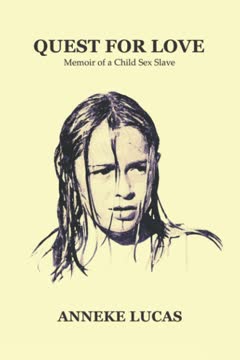
What is Quest For Love: Memoir of a Child Sex Slave by Anneke Lucas about?
- Personal account of abuse: The memoir recounts Anneke Lucas’s childhood as a victim of a Belgian elite child sex trafficking network, exposing the realities of abuse, mind control, and exploitation by powerful individuals.
- Survivor’s journey: It details Anneke’s survival, her psychological and spiritual healing, and her struggle to reclaim her identity and truth after enduring extreme trauma.
- Historical and societal context: The book situates Anneke’s story within the context of the Dutroux case and Belgian network scandals, highlighting systemic corruption, denial, and the failure of justice.
Why should I read Quest For Love by Anneke Lucas?
- Unveiling hidden truths: The memoir exposes the world’s “best protected secret” of elite pedophilia and power abuse, challenging readers to confront uncomfortable societal realities.
- Inspiration through resilience: Anneke’s transformation from victim to survivor and advocate offers hope, insight into healing, and empowerment for those affected by trauma.
- Educational and ethical importance: The book emphasizes ethical storytelling, warns against sensationalism, and encourages empathy and social justice awareness.
Who are the main perpetrators described in Quest For Love by Anneke Lucas?
- Patrick Haemers: A central abuser, Patrick is depicted as both violent and tender, creating a traumatic bond with Anneke through cycles of abuse and affection.
- Michel Nihoul: A powerful network orchestrator, Nihoul is involved in sadistic rituals, torture, and the training of children for ongoing exploitation.
- Anneke’s mother (Sabine Michielsen): Complicit in Anneke’s abuse, her mother facilitated exploitation for personal gain, exhibiting manipulative and abusive behavior rooted in her own unresolved trauma.
What are the key themes and concepts in Quest For Love by Anneke Lucas?
- Power abuse and secrecy: The memoir explores how elites use secrecy to protect their crimes, perpetuating cycles of violence and societal blindness.
- Mind control and trauma: Anneke details psychological conditioning, dissociation, and survival mechanisms enforced by the network to maintain control over victims.
- Love, survival, and transformation: Despite the horrors, the search for genuine love and connection is central to Anneke’s healing and spiritual journey.
How does Anneke Lucas describe her relationship with Patrick Haemers in Quest For Love?
- Complex love and abuse: The relationship is marked by a confusing blend of love, fear, and violence, with Anneke clinging to the idea of love as a survival mechanism.
- Power dynamics and control: Patrick exerts total control, dictating Anneke’s actions, punishing her, and isolating her from others, deepening her trauma bond.
- Emotional and psychological impact: Anneke experiences deep shame, guilt, and confusion, struggling to reconcile Patrick’s moments of tenderness with his cruelty.
How does the Belgian network and organized abuse operate in Quest For Love by Anneke Lucas?
- Systematic exploitation: The memoir exposes a secretive network of powerful individuals who trafficked and abused children for pleasure, control, and status.
- Mind control and training: Victims were subjected to torture, drugging, and psychological manipulation to enforce obedience and dissociation.
- Societal complicity and cover-ups: Authorities and society often ignored or concealed the network’s activities, with investigations obstructed and perpetrators receiving lenient sentences.
What role do the Dutroux case and X-Witness testimonies play in Quest For Love by Anneke Lucas?
- Contextualizing the network: The Dutroux case is used to ground Anneke’s story in real-world events, exposing parts of the Belgian child sex trafficking network.
- X-Witness testimonies: Survivors like Regina Louf provided detailed accounts linking to unsolved child murders, but official investigations were sabotaged and closed without justice.
- Impact on survivors: The memoir discusses the disbelief, disrespect, and threats faced by survivors, highlighting societal denial and cover-up.
How does Anneke Lucas portray the psychological effects of trauma and abuse in Quest For Love?
- Dissociation and numbness: Anneke describes feeling detached from her body and emotions as a survival mechanism, often experiencing numbness and a sense of being “already dead.”
- Shame and self-loathing: Internalized shame, reinforced by abusers and family, leads to struggles with self-worth and self-acceptance.
- Conflicted identity and relationships: Trauma causes confusion about love, trust, and intimacy, shaping Anneke’s interactions and self-perception.
How does Anneke Lucas describe her healing and spiritual journey in Quest For Love?
- Spiritual awakening: Anneke experiences moments of profound spiritual insight, finding strength and connection beyond her suffering.
- Meditation and inner work: She credits meditation and teachings from spiritual figures like Paramahansa Yogananda for helping her reclaim her power and heal.
- Reclaiming identity and love: The journey involves moving from dissociation and self-loathing to self-acceptance, understanding perpetrators’ trauma without excusing their actions, and rediscovering her true self.
How does Quest For Love by Anneke Lucas address the role of family, especially her mother and stepfather?
- Complicity and betrayal: Anneke’s mother actively participates in her exploitation, deepening the trauma through manipulation and abuse.
- Stepfather’s absence: The stepfather is largely indifferent or absent, failing to protect Anneke and contributing to her isolation.
- Family as a survival challenge: Family relationships are portrayed as part of the abuse system, complicating Anneke’s sense of safety and belonging.
What are the key lessons and takeaways from Quest For Love by Anneke Lucas?
- Complexity of trauma bonds: The memoir illustrates how victims can develop deep, confusing attachments to abusers, challenging simplistic views of abuse.
- Power of spiritual healing: Anneke’s story shows that spiritual awakening and inner work can restore dignity, hope, and a sense of self beyond victimhood.
- Need for societal awareness and justice: The book calls for recognition of organized abuse, vigilance against denial and cover-ups, and accountability to protect children.
What are the best quotes from Quest For Love by Anneke Lucas and what do they mean?
- “Elite pedophilia is the world’s best protected secret.” Highlights the systemic secrecy and protection surrounding abuse by powerful elites, calling for exposure and awareness.
- “You’re only alive because of my protection.” Reveals the coercive control abusers exert, framing abuse as care and deepening the victim’s dependence.
- “Only the experience of facing those fears yields the answer: that these messages are lies and that we are all, at our essence, pure souls.” Reflects the spiritual insight that healing comes from confronting trauma and reclaiming one’s true self.
- “True love is love with power, and true power is power with love.” Contrasts authentic relationships with the abusive power Anneke experienced, pointing to the possibility of healing and mutual respect.








































