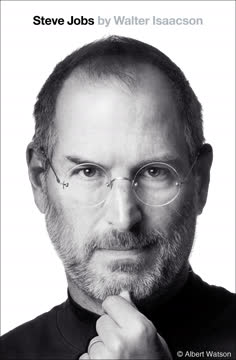
核心要点
1. 史蒂夫·乔布斯:改变多个行业的远见者
“预测未来的最好方法就是去创造未来。”
不断创新的先驱。 乔布斯是科技领域的变革者,通过在苹果和皮克斯的工作,彻底革新了多个行业。他的视野不仅限于个人电脑,还延伸到智能手机、平板电脑、数字音乐和动画电影。乔布斯拥有预见并塑造消费者需求的非凡能力,常常创造出人们未曾意识到自己需要的产品,直到亲眼见到它们。
跨行业的深远影响。 乔布斯的影响涵盖:
- 个人计算机(Apple II,Macintosh)
- 音乐产业(iPod,iTunes)
- 手机(iPhone)
- 平板电脑(iPad)
- 数字动画(皮克斯)
他将技术创新与设计和用户体验相结合,根本改变了人们日常与科技互动的方式。
2. 设计与用户体验在科技中的重要性
“设计不仅是外观和感觉,设计是它如何运作。”
形态与功能。 乔布斯认为,优秀的设计不仅仅是美学,更是创造直观、易用产品的过程。他强调硬件与软件的整合,以打造无缝的用户体验。这一理念催生了不仅视觉吸引人,而且功能上远超竞争对手的产品。
设计原则:
- 简洁与极简主义
- 对细节的极致关注,即使是看不见的部分
- 以用户为中心
- 硬件与软件的深度融合
乔布斯对设计的关注不仅体现在产品上,还延伸到零售店、包装乃至苹果的企业园区。这种整体设计理念帮助苹果建立了强大的品牌认同和忠实的客户群。
3. 构建强大的企业文化与团队
“一小队A+级人才能轻松碾压一大群B、C级团队。”
以人才为核心。 乔布斯以高标准和严苛著称。他坚信招聘最优秀的人才,并营造让他们发挥最大潜力的环境。这往往意味着直言不讳,推动员工超越自我极限。
团队建设的关键:
- 注重招聘A+级人才
- 鼓励卓越与创新文化
- 组建跨职能团队
- 即使在大公司也营造创业氛围
尽管他的管理风格常引争议,但正是这种方式造就了突破性的产品,推动了科技与设计的边界。
4. 创意与商业智慧的平衡
“我为我们不做的事情感到自豪,和我们所做的一样多。”
战略决策。 乔布斯展现了将创意愿景与商业现实平衡的独特能力。他懂得集中资源于关键项目,敢于取消或推迟不符合标准的产品。
商业策略:
- 专注于少数高质量产品
- 硬件与软件的垂直整合
- 构建生态系统(如iTunes-iPod,App Store-iPhone)
- 战略合作与收购
乔布斯的商业智慧在90年代末和21世纪初成功扭转苹果颓势,令其成为全球最有价值的公司之一。
5. 专注与简约的力量
“简单是终极的复杂。”
目标清晰。 乔布斯以剔除复杂、聚焦核心著称。这一原则贯穿产品设计、商业战略及个人决策。
简约的体现:
- 直观的产品界面
- 精简的产品线
- 清晰有力的市场传播
- 极简主义的设计美学
乔布斯对简约的坚持,使苹果产品既强大又易用,极大提升了其大众吸引力和商业成功。
6. 面对逆境的韧性与重生
“我坚信,成功企业家与失败者的差别,约有一半来自纯粹的坚持不懈。”
克服挫折。 乔布斯的职业生涯充满辉煌与重大挫折。他能从失败中反弹并汲取教训,是其最终成功的关键。
重要的重生时刻:
- 1985年被驱逐后重返苹果
- 将皮克斯从挣扎的硬件公司转变为动画巨头
- 在90年代苹果濒临破产时推出iMac和iPod
乔布斯的韧性和自我革新能力,为商业和人生中的坚持与适应提供了宝贵启示。
7. 通过科技与人文融合实现创新
“单靠技术是不够的,技术与人文艺术的结合,才能带来让我们心动的成果。”
跨学科方法。 乔布斯认为,真正的创新源于科技与人文的交汇。这一理念催生了既先进又具文化意义和情感共鸣的产品。
融合的典范:
- Macintosh的图形界面与排版艺术
- iPod将技术与音乐完美结合
- 皮克斯融合计算机科学与故事讲述
通过强调这种融合,乔布斯创造了既满足理性又触动情感的产品,使苹果区别于更注重技术的竞争者。
8. 个人关系对职业成功的影响
“那些疯狂到认为自己能改变世界的人,才是真正改变世界的人。”
复杂的人格。 乔布斯的个人关系如同他的事业一样充满激情与复杂。他激励和带动他人是成功的重要因素,但其苛刻性格也带来冲突。
关键人物:
- 史蒂夫·沃兹尼亚克(苹果联合创始人)
- 约翰·拉塞特(皮克斯创意总监)
- 乔纳森·艾维(苹果设计总监)
- 蒂姆·库克(苹果首席运营官及继任者)
乔布斯的经历凸显了建立稳固职业关系的重要性,以及个人互动对商业成果的深远影响。
9. 遗产与创造改变世界的产品
“我们来到这里,是为了在宇宙中留下痕迹。否则,我们为何存在?”
持久影响。 乔布斯的终极目标是创造根本改变人们生活和工作的产品。他的遗产超越具体产品,影响了科技、设计和消费者行为的方方面面。
乔布斯遗产的要素:
- 革新多个行业
- 强调科技中的设计与用户体验
- 创造创新型企业领导范式
- 激励一代创业者与创新者
乔布斯的生命与事业展示了个人如何通过远见、决心和对卓越的执着,产生改变世界的深远影响。
读者评价
《史蒂夫·乔布斯传》描绘了一个复杂、才华横溢且时常难以相处的人物。评论者称赞艾萨克森的平衡叙述,既展现了乔布斯的天才,也揭示了他的缺点。书中深入剖析了苹果的发展历程、乔布斯的领导风格及其对科技领域的深远影响。许多读者认为内容引人入胜且资料详实,尽管部分人觉得篇幅稍显冗长。乔布斯作为一位颠覆多个行业的远见者,同时也表现出无情和苛刻的一面。总体而言,这部传记全面呈现了这位塑造现代科技的争议人物。
其他人还在读
 沉浸式
沉浸式
 沉浸式
沉浸式
 沉浸式
沉浸式
 沉浸式
沉浸式



常见问题
What's Steve Jobs by Walter Isaacson about?
- Comprehensive Biography: The book is a detailed biography of Steve Jobs, co-founder of Apple Inc., covering his life from childhood to his role as a tech icon.
- Focus on Innovation: It highlights Jobs's impact on various industries, including personal computing, music, and animated films, through his relentless pursuit of innovation.
- Complex Personality: Isaacson presents a nuanced view of Jobs, showcasing both his genius and his flaws, through personal anecdotes and insights from those who knew him.
Why should I read Steve Jobs by Walter Isaacson?
- Inspiration for Entrepreneurs: The biography offers inspiration for aspiring entrepreneurs by illustrating how Jobs's vision and determination led to groundbreaking success.
- Lessons on Leadership: Readers gain insights into Jobs's unique leadership style, which can provoke thought on effective management and creativity.
- Understanding Technology Evolution: It provides a deep understanding of how Jobs's approach to product development and design set Apple apart from its competitors.
What are the key takeaways of Steve Jobs by Walter Isaacson?
- Pursuit of Perfection: Jobs's obsession with design and quality is a recurring theme, emphasizing the importance of delivering finished products.
- Reality Distortion Field: His ability to inspire and push others beyond their limits was both a strength and a source of conflict.
- Integration of Design and Functionality: Jobs believed in merging aesthetics with functionality, creating products that were both beautiful and user-friendly.
What are the best quotes from Steve Jobs by Walter Isaacson and what do they mean?
- “The people who are crazy enough to think they can change the world are the ones who do.”: Encourages embracing ambition and challenging conventional thinking.
- “Your time is limited, so don’t waste it living someone else’s life.”: Emphasizes authenticity and following one's own path.
- “Real artists ship.”: Highlights the importance of execution and delivering products to market.
How did Steve Jobs's early life influence his career?
- Adoption and Identity: Jobs's adoption shaped his identity and fueled his drive for success, often grappling with feelings of abandonment.
- Interest in Technology: Growing up in Silicon Valley, he was exposed to technology early, sparking his interest in electronics and design.
- Counterculture Influence: His experiences in the 1970s counterculture influenced his worldview, emphasizing simplicity and intuition.
How did Steve Jobs approach design and marketing at Apple?
- User-Centric Design: Jobs believed in designing products with the user in mind, emphasizing simplicity and elegance.
- Emotional Connection: He aimed to create an emotional connection with consumers, making Apple products desirable and building a loyal customer base.
- Innovative Marketing Strategies: Jobs used dramatic presentations and storytelling to create buzz, positioning Apple as a lifestyle brand.
What role did Steve Wozniak play in Steve Jobs's success?
- Technical Genius: Wozniak was the engineering mastermind behind the Apple I and Apple II, complementing Jobs's vision and marketing skills.
- Creative Collaboration: Their collaboration was essential in establishing Apple as a leader in the personal computer industry.
- Contrast in Personalities: Wozniak's easygoing nature balanced Jobs's driven and often abrasive personality, helping Apple navigate challenges.
How did Steve Jobs's management style affect Apple?
- Intense and Demanding: Jobs's high expectations drove innovation but also created a high-pressure environment, leading to both breakthroughs and burnout.
- Reality Distortion Field: His ability to inspire and motivate his team was legendary, convincing them to achieve the impossible.
- Impact on Company Culture: Jobs fostered a culture of creativity and risk-taking, but also a lack of tolerance for failure and dissent.
What challenges did Steve Jobs face throughout his career?
- Early Struggles at Apple: Jobs faced financial difficulties and internal conflicts, leading to his ousting in 1985.
- Health Issues: He battled cancer, which affected his personal and professional life, impacting his leadership at Apple.
- Competition and Market Changes: Jobs navigated intense competition and rapid technological changes, adapting to maintain Apple's success.
How did Steve Jobs influence the tech industry?
- Revolutionized Personal Computing: Jobs made personal computers accessible and user-friendly, setting new standards in design and user experience.
- Transformed Music Consumption: With the iPod and iTunes, he changed how people purchased and listened to music, impacting the music industry.
- Pioneered Mobile Technology: The iPhone redefined smartphones, influencing countless products and companies with its innovative features.
How did Steve Jobs's personal life influence his work?
- Family Relationships: His relationships with family shaped his perspectives on life and work, often reflecting on their importance.
- Spirituality and Philosophy: His interest in Eastern spirituality influenced his approach to business and creativity, valuing intuition.
- Passion for Design: Jobs's personal tastes informed his design philosophy, leading to products that were both functional and aesthetically pleasing.
What legacy did Steve Jobs leave behind?
- Innovative Products: Jobs's legacy is defined by groundbreaking products that transformed industries and changed technology interaction.
- Cultural Impact: He influenced technology and culture, shaping media consumption and communication, inspiring creators and innovators.
- Enduring Company Values: Jobs instilled a culture of innovation and excellence at Apple, emphasizing design, user experience, and quality.
关于作者
其他作品,作者: 沃尔特·艾萨克森
 沉浸式
沉浸式