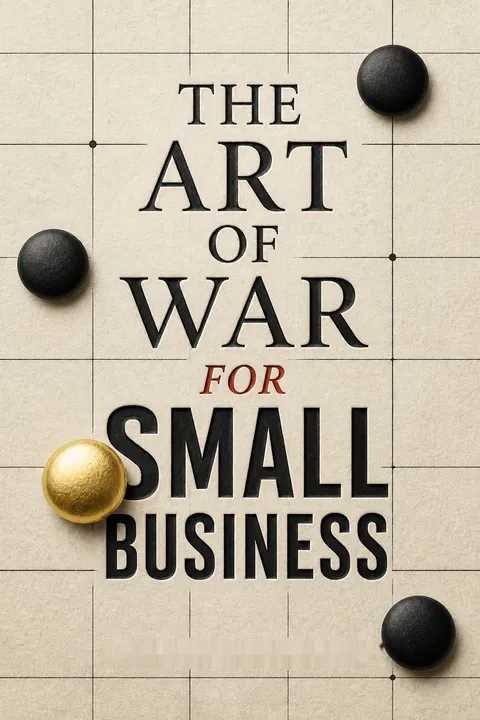
核心要点
1. 了解自己和对手
知己知彼,百战不殆。
自我认知至关重要。 小企业必须彻底了解自己的优势、劣势和独特的价值主张。这种自我认知构成了有效战略和决策的基础。
了解你的竞争对手。 进行彻底的市场调研,识别竞争对手的优势、劣势和策略。这些情报使你能够:
- 利用他们的弱点
- 预见他们的行动
- 区分你的产品或服务
了解自己和对手使你能够做出明智的决策,有效分配资源,并在市场中为你的企业定位成功。
2. 利用小企业的优势
数量上的劣势来自于必须准备应对可能的攻击;数量上的优势来自于迫使对手为应对我们而做准备。
敏捷是你的超能力。 小企业相对于大企业有固有的优势:
- 快速适应变化的灵活性
- 快速决策的能力
- 与客户的个人接触
- 专注于利基市场
将规模转化为优势。 利用这些优势:
- 快速响应市场变化
- 提供卓越的个性化客户服务
- 以大企业无法做到的方式进行创新
- 专注于未被充分服务的市场细分
通过拥抱和最大化这些优势,小企业可以超越大企业并开辟有利可图的市场位置。
3. 建立强大的联盟和客户关系
我们不能在不了解邻居的设计之前结盟。
合作伙伴关系放大力量。 战略联盟可以帮助小企业超越其重量级。仔细选择那些能补充你优势并分享你价值观的合作伙伴。
客户忠诚度至关重要。 与客户建立深厚、有意义的关系:
- 深入了解他们的需求
- 提供卓越的价值和服务
- 围绕你的品牌创建一个社区
强大的联盟和客户关系提供:
- 进入新市场和资源的机会
- 增加的信誉和影响力
- 稳定的增长基础
- 抵御竞争威胁的保护
通过培养这些联系,小企业可以创建一个支持其成功和可持续发展的强大生态系统。
4. 专注于战略定位
我们打算战斗的地点不应被透露;否则敌人将不得不在多个不同点准备应对可能的攻击。
明智地选择你的战斗。 战略定位是关于选择正确的市场、产品和竞争方法。专注于你可以主导的领域,而不是与行业巨头正面竞争。
差异化或消亡。 创建一个独特的价值主张,使你与众不同:
- 识别未被充分服务的市场细分
- 开发创新的产品或服务
- 提供卓越的质量或客户体验
有效定位的关键要素:
- 清晰了解目标客户
- 引人注目的品牌故事和信息
- 一致地传递你的独特价值
通过仔细选择竞争的地点和方式,小企业可以创建可防御的市场位置并实现可持续增长。
5. 持续适应和创新
水根据流经的地形塑造其路线;士兵根据面对的敌人制定胜利策略。
将变化视为机会。 商业环境不断变化。成功的小企业必须愿意:
- 在必要时转向
- 试验新想法
- 从失败中学习
创新是生存之道。 培养持续改进和创造力的文化:
- 鼓励员工的意见和想法
- 密切关注新兴趋势和技术
- 定期重新评估和完善你的商业模式
成功适应的例子:
- Netflix从DVD租赁转向流媒体
- Zappos通过卓越的服务革新在线鞋类零售
- Chobani在成熟市场中创建了一个新的酸奶类别
通过保持灵活和创新,小企业可以领先于曲线并超越更大、更慢的竞争对手。
6. 保持团结并激励团队
聪明的战斗者注重联合能量的效果,而不过分要求个人。因此,他能够挑选出合适的人并利用联合能量。
团结就是力量。 围绕共同愿景团结的团队是一股强大的力量。通过以下方式培养团结:
- 清晰传达你的使命和价值观
- 鼓励合作和开放的沟通
- 认可和奖励团队成就
激发伟大。 小企业的领导力在于激发员工的最佳表现:
- 以身作则
- 提供成长和发展的机会
- 创建积极和支持性的工作环境
统一、激励的团队的好处:
- 提高生产力和创新
- 更高的员工保留率和满意度
- 改善的客户服务和业务成果
通过创建强大、统一的文化,小企业可以超越其重量级并取得显著成果。
7. 精准和时机的执行
能量可以比作弯弓;决策则是扣动扳机。
时机就是一切。 成功往往取决于在正确的时间执行正确的动作。培养以下能力:
- 识别市场机会
- 在合适的时机果断行动
- 避免过早或过迟的行动
精准执行。 战略的完美实施至关重要:
- 设定明确的目标和指标
- 制定详细的行动计划
- 监控进展并根据需要调整
有效执行的关键要素:
- 强大的项目管理技能
- 明确的角色和责任
- 定期沟通和反馈循环
通过将精准执行与完美时机相结合,小企业可以最大化其有限资源的影响并取得超出预期的结果。
8. 掌握欺骗和情报的艺术
所有的战争都基于欺骗。
信息就是力量。 发展强大的情报收集能力,以领先于竞争对手和市场趋势。情报来源包括:
- 客户反馈和互动
- 行业活动和出版物
- 社交媒体和在线论坛
- 竞争分析
战略欺骗。 在保持道德标准的同时,小企业可以利用欺骗获得竞争优势:
- 保持你的计划和意图的隐秘
- 制造对你能力和意图的不确定性
- 使用误导来迷惑竞争对手
利用欺骗的道德方式:
- 有选择地分享信息
- 制造强大或弱小的假象
- 在策略中使用惊喜和不可预测性
通过掌握情报和战略欺骗的艺术,小企业可以在与大企业的竞争中平衡竞争环境并创造成功的机会。
读者评价
读者对《小企业的孙子兵法》评价不一。一些人称赞其将孙子兵法的原则应用于商业,强调其中有用的策略和案例研究。另一些人则批评其内容重复或缺乏深度。正面评价指出该书对小企业主的相关性、清晰的解释和永恒的教训。批评意见包括见解浅薄和内容冗长。总体而言,该书的概念获得了适度的赞扬,但在执行方面反应不一。许多人建议阅读原版《孙子兵法》以获得更全面的背景。
其他人还在读







常见问题
1. What is "The Art of War for Small Business" by Becky Sheetz-Runkle about?
- Modern Application of Sun Tzu: The book adapts Sun Tzu’s ancient military strategies from "The Art of War" specifically for small business owners and entrepreneurs.
- Competing Against Larger Rivals: It focuses on how small businesses can outmaneuver, outthink, and outperform larger, better-funded competitors using strategic thinking.
- Practical Business Examples: The author provides real-world case studies and examples of small businesses applying Sun Tzu’s principles to achieve market dominance.
- Comprehensive Guide: The book is structured to guide readers from foundational concepts to advanced strategies, making Sun Tzu’s wisdom actionable for today’s business challenges.
2. Why should I read "The Art of War for Small Business" by Becky Sheetz-Runkle?
- Tailored for Small Business: Unlike generic business books, it directly addresses the unique challenges and advantages of small businesses.
- Actionable Strategies: The book translates ancient military tactics into practical business moves, offering step-by-step guidance.
- Learn from Success Stories: It features case studies of companies like Five Guys, Chobani, Zappos, and PayPal, showing how they used Sun Tzu’s methods to grow.
- Gain a Competitive Edge: Readers learn how to leverage agility, innovation, and alliances to outperform larger competitors.
3. What are the key takeaways from "The Art of War for Small Business"?
- Know Yourself and the Enemy: Deep self-awareness and competitor analysis are essential for success.
- Leverage Small Business Advantages: Agility, innovation, niche focus, and alliance-building are powerful tools against bigger rivals.
- Strategy Over Tactics: Long-term planning and adaptability trump short-term, reactive moves.
- Win Without Fighting: The best victories come from outmaneuvering competitors, not direct confrontation.
- Adapt and Persevere: Flexibility, resilience, and the ability to turn disadvantages into advantages are critical for survival and growth.
4. How does Becky Sheetz-Runkle adapt Sun Tzu’s "The Art of War" for small business strategy?
- Direct Translation to Business: She interprets Sun Tzu’s five constant factors (Moral Law, Heaven, Earth, Commander, Method/Discipline) for business contexts.
- Focus on Underdogs: The book emphasizes how smaller forces can defeat larger ones by exploiting weaknesses and avoiding strengths.
- Modern Case Studies: She illustrates each principle with contemporary business examples, making the ancient text relevant and practical.
- Emphasis on Alliances and Innovation: The adaptation highlights the importance of partnerships, customer intimacy, and creative problem-solving.
5. What are the main advantages and disadvantages of small businesses according to "The Art of War for Small Business"?
- Key Advantages: Agility, speed, flexibility, innovation, niche exploitation, close customer relationships, and unity of purpose.
- Common Disadvantages: Limited resources, less cash flow, lack of structure, less experienced leadership, and vulnerability to being outmuscled by larger competitors.
- Double-Edged Traits: Some characteristics, like risk-taking and lack of hierarchy, can be both strengths and weaknesses depending on context.
- Strategic Implications: Recognizing and leveraging advantages while mitigating disadvantages is central to Sun Tzu’s approach for small businesses.
6. How does "The Art of War for Small Business" recommend understanding yourself, your enemy, and your market?
- Brutal Self-Honesty: Leaders must confront false assumptions and validate their business models with real-world data.
- Deep Competitor Analysis: Know your competitors’ strengths, weaknesses, and likely moves to find exploitable openings.
- Market Awareness: Understand the terrain—customer needs, market trends, and timing—to position your business advantageously.
- Continuous Learning: Regularly reassess your own capabilities, the competition, and the market to stay ahead.
7. What are Sun Tzu’s five constant factors and how do they apply to small business in this book?
- Moral Law (The Way): Cultivate unity of purpose and strong company culture to inspire loyalty and commitment.
- Heaven (Timing): Recognize and act on the right timing for moves, considering market cycles and external conditions.
- Earth (Terrain): Assess the business landscape, including opportunities, threats, and the competitive environment.
- The Commander: Embody leadership virtues—wisdom, sincerity, benevolence, courage, and strictness—to guide your team.
- Method and Discipline: Implement clear structures, processes, and disciplined execution to maximize efficiency and effectiveness.
8. What leadership qualities does Becky Sheetz-Runkle highlight from Sun Tzu for small business owners?
- Wisdom: Make informed, strategic decisions and maximize limited resources.
- Sincerity: Be consistent, keep your word, and unite your team around a clear cause.
- Benevolence: Treat employees, partners, and even former competitors with respect and fairness.
- Courage: Take calculated risks, act decisively, and maintain focus on objectives.
- Strictness: Enforce discipline, maintain hierarchy, and avoid the five dangerous faults (recklessness, cowardice, hasty temper, excessive honor, over-solicitude for employees).
9. How does "The Art of War for Small Business" advise on building alliances and leveraging relationships?
- Strategic Partnerships: Form alliances with vendors, customers, and even competitors to close resource gaps and expand reach.
- Due Diligence: Carefully vet partners to ensure alignment of interests and avoid conflicts.
- Community Building: Engage customers and employees to create a loyal, passionate base that supports growth.
- Turning Rivals into Allies: Treat acquired competitors’ employees well and consider friendly takeovers to expand your business.
10. What does "The Art of War for Small Business" say about focus, unity, and execution?
- Single-Minded Focus: Concentrate resources on core strengths and profitable opportunities; avoid being all things to all people.
- Unity of Purpose: Foster a shared mission and culture to align and energize your team.
- Consolidate Gains: After victories, fully leverage achievements and avoid wasting resources on unfocused activities.
- Flawless Execution: Success depends on consistent, disciplined follow-through and learning from both wins and losses.
11. How does the book address adaptation, innovation, and dealing with change?
- Embrace Flexibility: Be willing to pivot strategies and tactics as circumstances change.
- Water Metaphor: Like water, adapt your approach to the terrain and flow around obstacles.
- Continuous Improvement: Regularly innovate and make incremental improvements to stay ahead of competitors.
- Disruptive Thinking: Look for opportunities to serve unmet needs or disrupt established markets, as seen in examples like PayPal and Netflix.
12. What are the best quotes from "The Art of War for Small Business" and what do they mean?
- "If you know the enemy and know yourself, you need not fear the result of a hundred battles." — Emphasizes the importance of self-awareness and competitor analysis.
- "In war, the way is to avoid what is strong and to strike at what is weak." — Advises small businesses to exploit competitors’ vulnerabilities rather than confront their strengths.
- "Standing on the defensive indicates insufficient strength; attacking, a superabundance of strength." — Encourages proactive, growth-oriented strategies over mere survival.
- "Win first." — Advocates for thorough preparation and confidence before engaging in competitive battles.
- "Be flexible and decide your line of action according to the situation on the enemy side." — Stresses the need for adaptability and responsiveness to changing conditions.
下载 PDF
下载 EPUB
.epub digital book format is ideal for reading ebooks on phones, tablets, and e-readers.








































