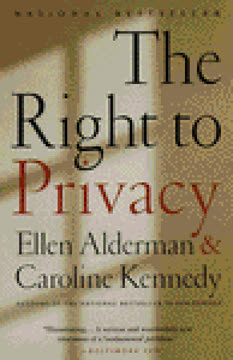
核心要点
1. 隐私是基本人权
“自由的核心在于每个人有权定义自身的存在、意义、宇宙以及人类生命的奥秘。”
个人自主至关重要。 隐私不仅仅是保守秘密,更关乎维护个人尊严和掌控自身叙事的能力。隐私权涵盖了关于身份、关系和自我决定的深刻个人选择。
隐私的核心原则:
- 保护亲密的个人信息
- 掌控个人叙事权
- 免受无理侵扰
- 保持个体自主
- 守护个人界限
历史背景。 隐私的概念从单纯的“独处愿望”演变为复杂的法律与伦理框架,旨在保护个人免受政府、企业和媒体的多种形式侵扰。
2. 科技日益威胁个人隐私
“我们并非未察觉,庞大个人信息积累于计算机数据库或政府档案中,隐含着对隐私的威胁。”
数字脆弱性。 现代科技带来前所未有的隐私入侵机会,数字平台往往在未获明确同意或理解的情况下收集大量个人数据。
隐私风险包括:
- 电子数据采集
- 数字监控
- 网络追踪
- 生物识别信息收集
- 算法画像
技术挑战。 技术发展速度远超法律框架,造成隐私保护的巨大空白,使个人面临前所未有的信息暴露风险。
3. 宪法隐私保护有限
“‘隐私’一词未出现在美国宪法中。”
法律模糊性。 尽管隐私被视为基本权利,美国宪法未明确提及,导致不同情境下的解释复杂且保护不一。
宪法隐私解读:
- 源自“自由”概念
- 随具体情境变化
- 常需权衡相互冲突的利益
- 依赖司法解释
- 州与联邦层面存在差异
法律演变。 隐私保护通过法院判决不断调整,反映社会规范与技术能力的变化。
4. 不同情境需不同隐私标准
“合理标准因情境而异。”
情境隐私。 隐私期望在执法、职场、医疗和个人关系等领域差异显著。
情境隐私差异:
- 执法搜查
- 医疗记录保密
- 职场监控
- 媒体报道
- 个人关系
利益平衡。 每种隐私情境都需谨慎权衡个人权利与社会需求、机构要求及潜在公共利益。
5. 企业利益常与个人隐私冲突
“雇主认为,在日益激烈的经济竞争中,他们需要信息以做出明智决策。”
企业监控。 企业常以风险管理、生产力监测和运营效率为由,正当化对隐私的侵入。
企业隐私压力:
- 背景调查
- 药物检测
- 社交媒体筛查
- 电子监控
- 健康保险风险评估
伦理困境。 企业利益与个人隐私权的紧张关系持续挑战法律与伦理框架,技术则提供了日益复杂的监控工具。
6. 媒体第一修正案权利挑战个人隐私
“无法维护个人对更大隐私的偏好,可能是每个人为信息与观点自由流动的社会所必须付出的代价。”
新闻自由与隐私。 言论自由的宪法保护常与个人隐私权发生冲突,带来复杂的法律与伦理难题。
媒体隐私矛盾:
- 新闻价值标准
- 公众利益报道
- 同意与呈现
- 炒作倾向
- 曝光的情感影响
价值竞争。 平衡新闻自由与个人隐私需细致的法律解读和持续的社会协商。
7. 新兴技术带来新的隐私挑战
“我们是在边走边制定规则。”
技术前沿。 人工智能、基因检测和无处不在的数字平台不断产生新的隐私问题。
新兴隐私风险:
- 基因信息数据库
- AI驱动画像
- 物联网追踪
- 生物识别身份认证
- 预测性算法系统
监管滞后。 法律体系难以跟上技术快速发展,难以制定适当的应对框架。
8. 隐私侵犯造成深刻情感伤害
“被人在酒店房间监视,痛苦能用多少钱衡量?”
心理影响。 隐私入侵可能引发深远且难以衡量的情感创伤,远超当时情境。
情感后果:
- 信任丧失
- 心理脆弱
- 长期焦虑
- 社会污名
- 身份混乱
无形损害。 传统法律框架难以量化隐私侵犯带来的深刻个人痛苦。
9. 隐私侵害的法律救济复杂
“隐私法尚属未开拓领域。”
法律复杂性。 隐私诉讼涉及跨多个司法管辖区的复杂法律原则,标准和解释不一。
法律挑战:
- 州法规不统一
- 举证责任
- 损害赔偿评估
- 技术环境演变
- 宪法权利冲突
持续演进。 隐私法是一个动态领域,持续适应技术和社会变迁。
10. 个人必须主动保护隐私
“归根结底,你得自己留心,保护自己。”
个人责任。 尽管法律提供一定保护,个人仍需积极维护自身信息安全。
个人隐私策略:
- 谨慎分享信息
- 提升数字素养
- 理解同意机制
- 定期隐私审查
- 增强技术意识
知识赋能。 了解隐私风险与权利,有助于在日益复杂的数字环境中更有效地保护自己。
读者评价
《隐私权》一书获得了大多数积极评价,读者们称赞其通俗易懂且切合实际。许多人认为本书令人震惊,揭示了生活各领域隐私侵犯的典型案例。读者们欣赏书中对法律概念的清晰阐释,以及通过真实案例来说明隐私问题的做法。尽管有评论指出本书出版于1995年,内容略显陈旧,但其在当今数字时代依然具有重要意义。评论者们特别强调,本书能够有效吸引读者关注,提升公众对美国隐私权的认识。
常见问题
What is The Right to Privacy by Caroline Kennedy about?
- Comprehensive privacy exploration: The book examines the evolving concept of privacy in American society, law, and culture, focusing on how privacy rights intersect with government, workplace, technology, and personal life.
- Legal and societal challenges: It discusses landmark court cases, legislation, and controversies that have shaped privacy rights, including issues like workplace surveillance, drug testing, and informational privacy.
- Privacy in the digital age: The book highlights the challenges posed by new technologies such as computers, e-mail, and data banks, emphasizing the tension between convenience and privacy invasion.
Why should I read The Right to Privacy by Caroline Kennedy?
- Accessible legal insights: The book provides clear explanations of complex legal doctrines governing privacy, making it valuable for anyone interested in law, civil rights, or personal freedoms.
- Humanizing privacy issues: Through real-life stories, it connects legal principles to the emotional and societal impact of privacy violations.
- Timely and relevant: As privacy concerns grow with technological advances and increased surveillance, the book offers a critical perspective on what Americans can reasonably expect to keep private in the 21st century.
What are the key takeaways from The Right to Privacy by Caroline Kennedy?
- Privacy is multifaceted: The book breaks down privacy into categories—such as personal autonomy, law enforcement, press, workplace, and information technology—to analyze how the law addresses conflicts in different contexts.
- Balancing competing interests: Courts and society must constantly weigh privacy rights against other interests like public safety, free speech, and business needs.
- Ongoing legal evolution: Privacy law is unsettled and continues to evolve, especially as new technologies and societal changes present fresh challenges.
What are the main legal principles and constitutional foundations of privacy discussed in The Right to Privacy?
- Fourth Amendment protections: The book explains how the Fourth Amendment serves as the most direct constitutional safeguard for privacy, especially against government intrusion.
- State constitutional rights: Some states, like California, explicitly recognize privacy as an inalienable right, providing broader protections than the federal constitution.
- Balancing test: Courts often apply a balancing test, weighing individual privacy interests against compelling governmental or societal interests, particularly in workplace and informational privacy cases.
How does The Right to Privacy by Caroline Kennedy explain the four privacy torts?
- Intrusion: Involves intruding upon someone's solitude or private affairs in a highly offensive manner, such as secret surveillance or unauthorized recordings.
- Public disclosure of private facts: Concerns publicizing private information that is highly offensive and not of legitimate public concern, like revealing sensitive medical or adoption details.
- False light: Protects against publicizing a false and offensive impression about someone, even if not defamatory, such as misusing a person’s photo to imply false characteristics.
- Appropriation: Prevents the unauthorized use of a person’s name or likeness for commercial advantage, as seen in cases involving celebrities.
What are the major privacy issues related to reproductive rights and medical decisions in The Right to Privacy?
- Constitutional right to privacy: The book traces the legal evolution from Griswold v. Connecticut to Roe v. Wade and Planned Parenthood v. Casey, showing how privacy protects decisions about contraception and abortion.
- Emerging challenges: It covers disputes over frozen embryos, parental consent laws, and conflicts between privacy and free speech in abortion clinic protests.
- End-of-life decisions: The book explores patients’ rights to refuse treatment and the legal complexities of physician-assisted suicide, highlighting the deeply personal nature of medical privacy.
How does The Right to Privacy by Caroline Kennedy address privacy in the workplace?
- Workplace surveillance and testing: The book details how employers use drug tests, psychological tests, polygraphs, and electronic monitoring, often at the expense of employee privacy.
- Legal challenges: It discusses lawsuits challenging intrusive employer practices, especially under state constitutions and laws like the Americans with Disabilities Act.
- Emerging technologies: The book warns about new monitoring tools such as GPS tracking and keystroke monitoring, emphasizing the need for clear policies and legal frameworks.
What is the significance of the Soroka v. Dayton Hudson Corp. case in The Right to Privacy?
- Psychological testing controversy: Soroka challenged Target’s use of a psychological test probing deeply into personal beliefs and behaviors, as an invasion of privacy under California’s constitution.
- Legal impact: The case raised important questions about the privacy rights of job applicants versus employees and the relevance of intrusive testing to job performance.
- Broader implications: The outcome influenced workplace privacy law nationwide, leading to changes in hiring practices and greater scrutiny of psychological testing.
How does The Right to Privacy by Caroline Kennedy explore the tension between privacy and the press?
- Competing rights: The book highlights the ongoing conflict between the right to privacy and freedom of the press, especially in cases involving truthful but private information.
- Real-life examples: Cases like Hall v. Post and Miller v. NBC illustrate the emotional impact and legal challenges of publishing private facts or intruding into private spaces.
- Legal standards: Courts often use the "newsworthiness" standard to determine if private facts can be published, generally favoring broad definitions of public interest.
What does The Right to Privacy by Caroline Kennedy say about informational privacy and data collection?
- Data proliferation: The book explains how personal information is collected by government agencies, credit bureaus, and marketers, often without individuals’ full knowledge or consent.
- Risks and abuses: It recounts cases of identity theft, stalking, and database errors that have harmed individuals, illustrating the dangers of widespread data availability.
- Legal and market responses: The book discusses existing laws protecting certain types of information and debates over market-based versus regulatory approaches to privacy protection.
How does The Right to Privacy by Caroline Kennedy address privacy in schools and for students?
- Fourth Amendment application: The book details how public school officials are bound by the Fourth Amendment but may conduct searches based on reasonableness rather than probable cause.
- Balancing safety and privacy: Schools must maintain order and safety while respecting students’ privacy rights, with courts often allowing more lenient standards for searches in the school context.
- Ongoing legal questions: The book highlights unresolved issues such as the scope of searches, the role of police in schools, and the constitutionality of drug testing programs.
What are the best quotes from The Right to Privacy by Caroline Kennedy and what do they mean?
- “What is whispered in the closet shall be proclaimed from the housetops.” This quote from Brandeis and Warren warns of the threat posed by technology to personal privacy, emphasizing the risk of private information becoming public.
- “An inquiry into the contents of the mind is an inquiry into the human soul.” From the ACLU brief in Soroka’s case, this highlights the deeply personal nature of psychological testing and the importance of protecting mental privacy.
- “Privacy is not really what we are looking for.” Ruth Harlow’s insight in Shahar’s case reflects the shift from seeking privacy to seeking acceptance and equal treatment in public life for marginalized groups.








































