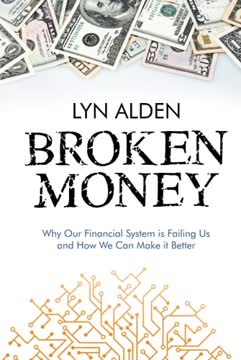
أهم النقاط
1. المال في جوهره هو دفتر حسابات، تطور من الأشكال المادية إلى الرقمية
في جوهره، المال هو دفتر حسابات.
التطور التاريخي. اتخذ المال أشكالًا متعددة عبر التاريخ، من الأصداف والخرز إلى المعادن الثمينة والعملات الورقية. ومع ذلك، ظل دوره الأساسي هو تسجيل القيمة – أي دفتر حسابات. هذا الدفتر يتتبع من يملك ماذا ويسهل عمليات التبادل بين الأطراف.
أشكال دفاتر الحسابات:
- السلع المادية (كالذهب والفضة)
- العملات الصادرة عن الحكومات
- الودائع المصرفية
- العملات الرقمية المشفرة
مع تقدم التكنولوجيا، أصبح المال أكثر تجريدًا ورقميًا. هذا التحول سمح بإجراء معاملات أسرع وأكثر كفاءة، لكنه أضاف أيضًا تعقيدات ومخاطر جديدة.
2. الفجوة الزمنية بين المعاملات والتسويات أدت إلى مركزية مالية
السرعة والسهولة التي حدث بها ذلك لم تكن ممكنة إلا بسبب تجريد الذهب كمال.
عدم التوافق التكنولوجي. أدى اختراع الاتصالات في القرن التاسع عشر إلى فجوة كبيرة بين سرعة المعاملات وسرعة التسويات. فبينما تنتقل المعلومات بسرعة الضوء، كان المال المادي (كالذهب) يتحرك ببطء.
تأثيرات المركزية:
- سيطرة البنوك على التحويلات السريعة عبر المسافات الطويلة
- بروز البنوك المركزية كسلطات نهائية للتسوية
- قدرة الحكومات على التلاعب بعرض النقود بسهولة أكبر
أدت هذه الفجوة الزمنية إلى إنشاء أنظمة مالية معقدة قائمة على الائتمان والوعود، مما أسفر في النهاية عن تركيز السلطة النقدية في أيدي البنوك والحكومات.
3. البنوك المركزية والحكومات اكتسبت سيطرة غير مسبوقة على المال
عندما يتوقف النظام المالي المعتمد على الرفع المالي العالي، إما أن تنهار السندات والودائع المصرفية إلى حجم القاعدة النقدية عبر حالات تعثر ضخمة، أو يجب توسيع القاعدة النقدية لتعويض الكم الكبير من الالتزامات المالية التي تم إنشاؤها خلال السنوات والعقود السابقة.
السيطرة على السياسة النقدية. اكتسبت البنوك المركزية القدرة على خلق وتدمير المال حسب إرادتها، متحكمة في أسعار الفائدة وعرض النقود للتأثير على الظروف الاقتصادية. سمح هذا للحكومات بتمويل الحروب والإنقاذات والنفقات الكبيرة دون عواقب فورية.
العواقب:
- تآكل معيار الذهب
- الانتقال إلى العملات الورقية غير المدعومة
- زيادة عدم الاستقرار الاقتصادي
- اتساع فجوة الثروة
منحت القدرة على "طباعة المال" السلطات المركزية قوة هائلة، لكنها أدت أيضًا إلى تشوهات اقتصادية طويلة الأمد واحتمالية تدهور قيمة العملة.
4. العملات الورقية تؤدي حتمًا إلى التضخم وإعادة توزيع الثروة
من خلال عملية مستمرة من التضخم، يمكن للحكومات أن تصادر، سرًا ودون ملاحظة، جزءًا هامًا من ثروة مواطنيها.
الانحياز التضخمي. العملات الورقية التي لا تدعمها سلع مادية معرضة للتضخم، حيث تواجه الحكومات والبنوك المركزية ضغوطًا مستمرة لزيادة عرض النقود. يؤدي ذلك إلى فقدان تدريجي ومستمر لقوة الشراء لدى المدخرين.
آثار التضخم:
- تآكل المدخرات
- فقاعات أسعار الأصول
- تحويل الثروة من المدخرين إلى المدينين
- زيادة تمويل الاقتصاد عبر الأدوات المالية
مع مرور الوقت، يعمل التضخم كضريبة خفية تعيد توزيع الثروة من عامة الناس إلى أولئك الأقرب إلى مصدر خلق النقود الجديدة، مثل الحكومات والبنوك والشركات الكبرى.
5. البيتكوين يقدم بديلاً رقميًا لامركزيًا للمال التقليدي
نسخة إلكترونية نقية من النقود بين الأفراد تسمح بإرسال المدفوعات عبر الإنترنت مباشرة من طرف إلى آخر دون المرور بمؤسسة مالية.
تصميم ثوري. البيتكوين، الذي أنشأه ساتوشي ناكاموتو عام 2009، يجمع بين التشفير وشبكات الند للند ونظرية الألعاب ليخلق عملة رقمية لامركزية. يهدف إلى حل مشاكل الثقة والمركزية المتأصلة في الأنظمة المالية التقليدية.
الميزات الرئيسية للبيتكوين:
- عرض محدود (21 مليون عملة)
- دفتر حسابات شفاف وغير قابل للتغيير (البلوكشين)
- شبكة لامركزية من العقد والمعدنين
- نقود قابلة للبرمجة (العقود الذكية)
يمثل البيتكوين المحاولة الأولى الناجحة لخلق ندرة رقمية دون الاعتماد على سلطة مركزية، مما قد يعيد تشكيل فهمنا واستخدامنا للمال.
6. إثبات العمل ضروري لأمن البيتكوين ولا مركزيته
الطاقة هي الحكم في هذه الحالة.
تكلفة لا يمكن تزويرها. يتطلب آلية إثبات العمل في البيتكوين من المعدنين إنفاق طاقة حقيقية لتأمين الشبكة. هذا يخلق طريقة موضوعية وقابلة للتحقق لترتيب المعاملات ومنع الإنفاق المزدوج دون الاعتماد على أطراف موثوقة.
فوائد إثبات العمل:
- مقاومة هجمات سيلبيل
- يمنح "وزنًا" موضوعيًا للبلوكشين
- يسمح بالمشاركة بدون إذن
- يخلق توزيعًا عادلًا مبدئيًا للعملات
رغم استهلاكه الكبير للطاقة، فإن إثبات العمل ضروري للحفاظ على لامركزية وأمن البيتكوين، مميزًا إياه عن البدائل الأكثر مركزية.
7. استهلاك البيتكوين للطاقة يتناسب مع فائدته وقيمته
استهلاك البيتكوين للطاقة على المدى الطويل محدود تمامًا بالفائدة التي يقدمها للمستخدمين.
نظام ذاتي التنظيم. كثيرًا ما يُنتقد استهلاك البيتكوين للطاقة، لكن من المهم فهم أن استهلاك الشبكة للطاقة مرتبط مباشرة بقيمتها الاقتصادية. لن ينفق المعدنون الطاقة إلا إذا كان ذلك مربحًا، مما يخلق توازنًا طبيعيًا.
العوامل المؤثرة في استهلاك الطاقة:
- سعر البيتكوين في السوق
- صعوبة التعدين
- أحداث التقسيم (تقليل مكافآت الكتل)
- رسوم المعاملات
مع نضوج البيتكوين، من المرجح أن يستقر استهلاك الطاقة كنسبة صغيرة من الاستهلاك العالمي، مع إمكانية استبداله بأنظمة مالية أقل كفاءة وتحفيز تطوير مصادر الطاقة المتجددة.
8. شبكة لايتنينغ تمكّن البيتكوين من التوسع كنظام دفع
شبكة لايتنينغ تفعل ذلك أيضًا، على نطاق أوسع، وبدون ائتمان.
حل توسيع من الطبقة الثانية. شبكة لايتنينغ هي بروتوكول من الطبقة الثانية مبني على البيتكوين يتيح معاملات سريعة ورخيصة وقابلة للتوسع. تعالج قيود الطبقة الأساسية للبيتكوين مع الحفاظ على أمانه ولا مركزيته.
ميزات شبكة لايتنينغ:
- معاملات شبه فورية
- رسوم منخفضة جدًا
- خصوصية متزايدة
- إمكانية إجراء ملايين المعاملات في الثانية
من خلال نقل معظم المعاملات الصغيرة خارج السلسلة، تسمح شبكة لايتنينغ للبيتكوين بأن يعمل كخزين للقيمة ووسيلة تبادل، مما يجعله منافسًا لشبكات الدفع التقليدية.
9. البيتكوين يواجه تحديات لكنه يمتلك القدرة على إعادة تشكيل النظام المالي العالمي
لا يوجد ضمان بأن البيتكوين سينجح على المدى الطويل، لكن إلى الحد الذي سينجح فيه، من المؤكد تقريبًا أن يكون متقلبًا للغاية، مع ارتفاعات وانخفاضات متكررة تطرد المتداولين المضاربين الذين يحاولون استخدام الرفع المالي.
تطور مستمر. رغم التقدم الكبير الذي أحرزه البيتكوين، لا يزال يواجه العديد من التحديات في طريق اعتماده الأوسع. تشمل هذه التحديات القيود التقنية، عدم اليقين التنظيمي، والمنافسة من الأنظمة المالية التقليدية والعملات المشفرة الأخرى.
التأثيرات المحتملة للبيتكوين:
- تقليل سلطة البنوك المركزية
- توفير الشمول المالي لغير المتعاملين مع البنوك
- العمل كأصل احتياطي عالمي ومحايد
- تمكين أشكال جديدة من النقود القابلة للبرمجة
رغم التحديات، تمنح الخصائص الفريدة للبيتكوين وتأثير شبكته المتنامي القدرة على تغيير جذري في طريقة تفكيرنا واستخدامنا للمال في العصر الرقمي.
ملخص المراجعات
يحظى كتاب "المال المكسور" بإشادة واسعة من القراء الذين يثنون على شرحه الشامل والواضح لأنظمة المال. يقدّر الكثيرون منهج ألدن المتوازن الذي يجمع بين السياق التاريخي والتحليل المالي المعاصر. أما استكشاف الكتاب لبيتكوين والعملات الرقمية، فقد أثار ردود فعل متباينة، حيث وجد بعض القراء فيه رؤية ثاقبة، بينما اعتبره آخرون متحمسًا بشكل مفرط. وبوجه عام، يشيد النقاد بوضوح الكتاب في تبسيط المفاهيم المالية المعقدة، وبأفكاره التي تحفز على التفكير حول مستقبل المال.
قرأ الآخرون أيضًا


الأسئلة الشائعة
What's Broken Money about?
- Historical Evolution: Broken Money by Lyn Alden explores the historical evolution of money, from ancient systems to modern financial structures. It examines how money emerged to solve the inefficiencies of barter.
- Critique of Fiat Systems: The book critiques current fiat monetary systems, highlighting their flaws and susceptibility to manipulation, which lead to economic imbalances and crises.
- Future of Money: Alden discusses the potential of cryptocurrencies and stablecoins as alternatives to traditional financial systems, aiming to empower readers to understand and consider these new forms of money.
Why should I read Broken Money?
- Comprehensive Understanding: The book provides a thorough understanding of how money works and its historical context, helping readers make informed financial decisions.
- Critical Analysis: It offers a critical analysis of the current financial system, encouraging readers to question the status quo and consider the implications of monetary policy.
- Technological Insights: Alden discusses the impact of technology on money, making it a timely read as digital currencies gain prominence.
What are the key takeaways of Broken Money?
- Nature of Money: Money is fundamentally a ledger, reflecting societal needs and technological advancements. Understanding its properties is crucial for recognizing its value.
- Flaws in Fiat Systems: Current fiat systems are prone to inflation and manipulation, leading to economic instability and exacerbating inequality, especially in developing countries.
- Emerging Alternatives: Cryptocurrencies and decentralized finance present new opportunities for financial control and solutions to traditional banking problems.
What are the best quotes from Broken Money and what do they mean?
- "Money is a ledger.": This quote encapsulates the idea that money serves as a record of transactions and ownership, emphasizing the importance of understanding its mechanisms.
- "The financial system as we know it isn’t working anymore.": Alden highlights the growing discontent with current systems, underscoring the need for reform and innovation.
- "Politics can affect things locally and temporarily, but technology can affect things globally and permanently.": This emphasizes the transformative power of technology in shaping the future of money.
How does Lyn Alden define money in Broken Money?
- Definition of Money: Alden defines money as a ledger that records transactions and ownership, evolving from physical commodities to digital forms.
- Historical Context: The book traces money's historical development, showing how societies have used various forms based on needs and technology.
- Social Credit: Alden discusses social credit, informal systems of trust and reputation that underpin transactions, illustrating money as a social construct.
What are the main criticisms of the current financial system in Broken Money?
- Inflation and Devaluation: Alden criticizes fiat currencies for losing value over time, disproportionately affecting savers and developing countries.
- Centralized Control: The book highlights the dangers of centralized banking systems, which can manipulate money supply and interest rates without accountability.
- Inequality: Alden argues that the current system exacerbates inequality, particularly in developing nations lacking access to stable money.
How does Broken Money address the rise of cryptocurrencies?
- Potential Solutions: Cryptocurrencies, particularly Bitcoin, offer a decentralized alternative to fiat currencies, providing more financial control and protection against inflation.
- Trade-offs and Risks: The book discusses the risks of cryptocurrencies, including volatility and regulatory challenges, emphasizing the need for understanding before investing.
- Future of Money: Alden posits that cryptocurrencies represent a significant shift in the monetary landscape, potentially reshaping global value storage and transfer.
What is the Cantillon Effect mentioned in Broken Money?
- Definition: The Cantillon Effect describes how monetary expansion benefits are unevenly distributed, favoring those closest to new money sources.
- Impact on Inequality: This effect exacerbates economic inequality, as early recipients of new money can spend it before inflation erodes its value.
- Policy Implications: Understanding the Cantillon Effect is crucial for reforming financial systems to ensure more equitable wealth distribution.
How does Lyn Alden view the future of banking in Broken Money?
- Decentralization Trends: Alden envisions decentralized finance and cryptocurrencies challenging traditional banking, offering greater financial control.
- Technological Integration: The book discusses technology's potential to enhance banking services, addressing current system shortcomings.
- Need for Reform: Alden emphasizes reforming banking practices to create a more equitable financial system, prioritizing transparency and accountability.
What role do central banks play in the financial system according to Broken Money?
- Monetary Policy Control: Central banks control money supply and interest rates, significantly impacting the economy, but Alden critiques their lack of oversight.
- Crisis Management: Central banks act as lenders of last resort during crises, but this can lead to moral hazard and risky bank behavior.
- Impact on Inflation: Alden highlights central banks' role in creating inflation, eroding purchasing power, especially in developing countries.
How does Broken Money relate to current global economic issues?
- Inflationary Pressures: Alden connects the book's themes to current inflationary pressures, discussing how monetary policy responses can exacerbate these issues.
- Geopolitical Tensions: The book addresses how global financial systems are influenced by geopolitical tensions, particularly regarding the U.S. dollar's status.
- Call for Alternatives: Alden advocates for exploring alternative monetary systems that prioritize stability and equity, addressing ongoing economic challenges.
What role do cryptocurrencies play in the future of money according to Alden?
- Alternative to Fiat: Cryptocurrencies, particularly Bitcoin, are seen as potential alternatives to fiat currencies, offering scarcity, portability, and censorship resistance.
- Decentralized Finance: The rise of decentralized finance could democratize access to financial services, reducing reliance on traditional banks.
- Challenges and Risks: While optimistic about cryptocurrencies, Alden acknowledges risks like regulatory scrutiny, technological vulnerabilities, and market volatility.








































