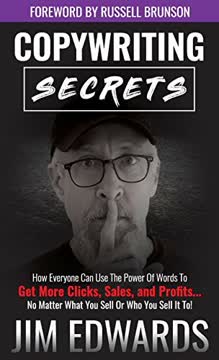
أهم النقاط
1. إتقان فن كتابة نصوص المبيعات: فهم جمهورك المستهدف
"لا أحد يهتم بك، الجميع يهتمون بأنفسهم فقط."
تعرف على شخصية عميلك المثالي. فهم جمهورك المستهدف أمر حاسم لنجاح نصوص المبيعات. قم بإعداد ملف تفصيلي لعميلك المثالي، والذي يُطلق عليه أحيانًا "الأفاتار" أو "فريد". يجب أن يتضمن هذا الملف مشكلاتهم، أسئلتهم، العقبات التي تواجههم، والنتائج التي يرغبون في تحقيقها (PQR2).
تحدث بلغتهم. استخدم الكلمات والعبارات التي يستخدمها جمهورك. تجنب المصطلحات المعقدة أو اللغة التي قد تشتت انتباههم أو تبعدهم. ركز بدلاً من ذلك على التواصل الواضح والموجز الذي يتناغم مع تجاربهم ورغباتهم.
لبِّ احتياجاتهم. يجب أن يركز نصك دائمًا على كيفية حل منتجك أو خدمتك لمشاكل جمهورك أو تلبية رغباتهم. تذكر أن الناس يشترون ما يريدون، وليس بالضرورة ما يحتاجون إليه. أبرز الفوائد والنتائج التي تهمهم أكثر.
2. صياغة عناوين جذابة: بوابة رسالتك البيعية
"في المتوسط، يقرأ خمسة أضعاف عدد الأشخاص العناوين مقارنة بنص المحتوى."
اجذب الانتباه بسرعة. العنوان هو العنصر الأهم في نص المبيعات. يجب أن يوقف القارئ ويحثه على الاستمرار في القراءة. استخدم المحفزات العاطفية، الفضول، أو الوعود الجريئة لجذب الاهتمام.
اختبر عدة نسخ. أنشئ عدة خيارات للعناوين واختبرها لمعرفة أيها يحقق أفضل أداء. العنوان الجيد يمكن أن يحسن معدلات التحويل بشكل كبير، أحيانًا بنسبة تصل إلى 500%.
اتبع الصيغ المجربة. استخدم هياكل عناوين مثبتة مثل:
- كيف تحقق [النتيجة المرجوة] في [الإطار الزمني]
- [عدد] طرق لـ [حل المشكلة] وتجنب [النتيجة السلبية]
- السر وراء [النتيجة المرغوبة] بدون [العقبة الشائعة]
3. قوة العاطفة في نصوص المبيعات: التواصل على مستوى أعمق
"الناس يشترون بناءً على العاطفة ثم يبررون ذلك بالمنطق."
استفد من العواطف الأساسية. حدد واستهدف العواطف الجوهرية التي تحرك قرارات جمهورك، مثل الخوف، الرغبة، الذنب، أو الفخر. اربط منتجك أو خدمتك بهذه المحفزات العاطفية.
ارسم صورة حية. استخدم لغة وصفية تساعد القارئ على تخيل كيف ستتحسن حياته بفضل حلك. اصنع سيناريو "قبل وبعد" يبرز التحول العاطفي.
وازن بين العاطفة والمنطق. رغم أن العاطفة تحرك القرارات، قدم أسبابًا منطقية وأدلة تدعم الجاذبية العاطفية. هذا يمنح القارئ مبررًا عقلانيًا ليشعر بالثقة في قراره.
4. استغلال الفضول: ابتكر خطافات ونقاط لا تقاوم
"النص لا يخلق الرغبة في المنتج، بل يركز الرغبات والأحلام والمخاوف الموجودة أصلاً في قلوب الملايين على منتج معين."
ابتكر خطافات جذابة. صغ قصة أو زاوية في جملة واحدة تجذب الانتباه فورًا وتثير الفضول. استخدم تركيبات غير متوقعة، حقائق مفاجئة، أو أسئلة مثيرة للاهتمام.
أتقن فن النقاط. استخدم صيغة "الميزة + الفائدة + المعنى" لصياغة نقاط قوية:
- الميزة: ما هو المنتج
- الفائدة: ماذا يفعل
- المعنى: لماذا يهم القارئ
اجعلهم يرغبون بالمزيد. اخلق شعورًا بالغموض أو المعلومات الناقصة التي تحفز القارئ على الاستزادة. استخدم عبارات مثل "طريقة سرية" أو "تقنية غير معروفة" لبناء الترقب.
5. هيكلة رسالتك البيعية لتحقيق أقصى تأثير
"هناك سر يعرفه كل فنان محترف ولا يعرفه الهواة: الأصالة مبالغ فيها. أكثر العقول إبداعًا ليست مبدعة بشكل خاص، بل هي أفضل في إعادة الترتيب."
اتبع أُطُرًا مجربة. استخدم هياكل كتابة نصوص معروفة مثل:
- المشكلة - التحريك - الحل (PAS)
- الانتباه - الاهتمام - الرغبة - الفعل (AIDA)
- قبل - بعد - جسر (BAB)
وجه رحلة القارئ. نظم نصك ليقود القارئ خطوة بخطوة عبر رسالتك البيعية. يجب أن يتدفق كل جزء بسلاسة إلى التالي، مما يبني الاهتمام والرغبة.
استخدم تقنية "الانزلاق السلس". تأكد من أن نصك يُقرأ بسلاسة دون أي انتقالات مفاجئة أو نقاط تعيق القارئ أو تفقده الاهتمام.
6. الاختبار والتحسين: التطوير المستمر في كتابة النصوص
"الجيد بما فيه الكفاية يجعلك (ويبقيك) فقيرًا!"
اعتمد على اختبار A/B. اختبر باستمرار عناصر مختلفة من نصك، مثل العناوين، العروض، الدعوات إلى العمل، وحتى الرسائل البيعية كاملة. استخدم البيانات لتوجيه قراراتك وتحسيناتك.
ابدأ بتغييرات صغيرة. حتى التعديلات البسيطة يمكن أن تؤدي إلى تحسينات كبيرة في معدلات التحويل. ركز أولًا على العناصر ذات التأثير العالي مثل العناوين والعروض.
لا تتوقف عن التحسين. السوق وجمهورك يتغيران باستمرار. راجع نصوصك بانتظام وحدثها لضمان بقائها فعالة وذات صلة.
7. الإقناع الأخلاقي: بناء الثقة والمصداقية
"إذا كنت تعتقد أن توظيف محترف مكلف، فانتظر حتى توظف هاويًا."
كن صادقًا وشفافًا. تجنب المبالغة أو الادعاءات الكاذبة. ابنِ الثقة من خلال الوضوح بشأن ما يمكن لمنتجك أو خدمتك تقديمه وما لا يمكنه.
قدم دليلًا اجتماعيًا. استخدم شهادات العملاء، دراسات الحالة، والتوصيات لإثبات فعالية عرضك. إذا كنت تبدأ، فكر في استخدام إحصائيات أو آراء خبراء كأشكال بديلة للدليل.
تعامل مع الاعتراضات. توقع واعالج المخاوف أو الاعتراضات المحتملة لجمهورك. هذا يظهر فهمك لوجهة نظرهم ويعزز الثقة في عرضك.
8. تكييف نصك مع مختلف المنصات والصيغ
"لا يوجد أبدًا 'مقاس واحد يناسب الجميع'."
خصص رسالتك. عدل نصك بناءً على المنصة (مثل البريد الإلكتروني، وسائل التواصل الاجتماعي، الموقع الإلكتروني) ومدى معرفة الجمهور بعلامتك التجارية (جمهور بارد، دافئ، أو حار).
اعتنِ بتقنيات الصيغة الخاصة. على سبيل المثال:
- البريد الإلكتروني: ركز على عناوين جذابة ومحتوى موجز يثير الفضول
- رسائل الفيديو البيعية: اجذب المشاهدين في الثواني الأولى واستخدم العناصر البصرية لدعم رسالتك
- صفحات المبيعات الطويلة: استخدم العناوين الفرعية، التنسيق، والفواصل البصرية لتحسين قابلية القراءة
حافظ على الاتساق. أثناء تكييف رسالتك، تأكد من بقاء صوت علامتك التجارية ونقاط البيع الرئيسية متسقة عبر جميع المنصات.
9. سحر السرد القصصي في نصوص المبيعات
"القصص تجعل الناس 'عطشى'، لكن نص المبيعات يخبرهم أين يشترون الشراب."
استخدم الحكايات الشخصية. شارك تجاربك الخاصة أو تجارب عملائك لتوضيح المشكلة التي يحلها منتجك والنتائج التي يحققها.
اصنع سيناريوهات يمكن للجمهور التعاطف معها. وصف مواقف يمكن لجمهورك التعرف عليها، مما يساعدهم على تصور استفادتهم من عرضك.
هيكل قصتك. استخدم عناصر السرد الكلاسيكية مثل الصراع، الحل، والتحول لجذب القارئ وإظهار قيمة منتجك أو خدمتك.
10. صقل نصك: الاهتمام بالتفاصيل يصنع الفرق
"الناس يحكمون على نص المبيعات من خلال التنسيق، الشكل، القواعد النحوية، الإملاء، وعلامات الترقيم بقدر ما يحكمون على المحتوى."
راجع نصك بدقة. تخلص من الأخطاء الإملائية والنحوية ومشاكل التنسيق التي قد تضعف مصداقيتك.
اختبر عبر الأجهزة. تأكد من أن نصك يظهر ويعمل بشكل صحيح على مختلف الأجهزة والمتصفحات.
احصل على رأي ثانٍ. دع شخصًا آخر يراجع نصك ليكتشف الأخطاء ويقدم ملاحظات حول الوضوح وقوة الإقناع.
حسّن مسار القراءة الثانوي. تأكد من أن القارئ يستطيع استيعاب النقاط الرئيسية من خلال تصفح العناوين، العناوين الفرعية، والنصوص المميزة.
ملخص المراجعات
يحظى كتاب "أسرار كتابة الإعلانات" بتقييمات متباينة، حيث يشيد الكثيرون بنصائحه العملية وصيغاته الفعالة في فن كتابة الإعلانات. يثمن القراء أسلوبه الحواري ونصائحه القابلة للتطبيق، سواء للمبتدئين أو للكتاب ذوي الخبرة. في المقابل، يرى بعضهم أنه يتكرر كثيرًا ويُروّج بشكل مفرط لمنتجات المؤلف الأخرى. ينتقد البعض تكتيكاته التي يعتبرونها تلاعبية، بينما يراه المؤيدون مصدرًا ثمينًا لتحسين نصوص المبيعات. وبشكل عام، يُعد الكتاب مرجعًا مفيدًا لفهم تقنيات كتابة الإعلانات الحديثة، لا سيما في مجال التسويق الرقمي والمبيعات.
قرأ الآخرون أيضًا



 تجربة غامرة
 تجربة غامرة
 تجربة غامرة
الأسئلة الشائعة
What's "Copywriting Secrets" by Jim Edwards about?
- Overview of the book: "Copywriting Secrets" by Jim Edwards is a comprehensive guide to mastering the art of copywriting. It focuses on using words effectively to increase sales, clicks, and profits.
- Purpose of the book: The book aims to teach readers how to craft compelling sales messages that resonate with their audience, regardless of the product or service being sold.
- Target audience: It is designed for entrepreneurs, marketers, and anyone interested in improving their sales copy to boost their business success.
- Structure of the book: The book is organized into 31 secrets, each revealing a specific aspect of copywriting that can enhance the effectiveness of sales messages.
Why should I read "Copywriting Secrets" by Jim Edwards?
- Practical insights: The book provides actionable strategies and techniques that can be immediately applied to improve sales copy.
- Proven methods: Jim Edwards shares his personal experiences and tested methods that have led to significant sales success.
- Comprehensive coverage: It covers a wide range of topics from understanding your audience to crafting compelling headlines and calls to action.
- Skill development: Reading this book can help you develop a critical skill that is essential for any business looking to increase its sales and market presence.
What are the key takeaways of "Copywriting Secrets" by Jim Edwards?
- Understand your audience: Knowing your audience's problems, desires, and language is crucial for effective copywriting.
- Craft compelling headlines: A strong headline is essential as it grabs attention and encourages further reading.
- Use emotional triggers: People buy based on emotion and justify with logic, so tapping into emotions is key.
- Test and refine: Continuously test different elements of your copy to find what works best and refine it for better results.
What is the most important skill according to "Copywriting Secrets" by Jim Edwards?
- Copywriting as a skill: Jim Edwards emphasizes that copywriting is the most valuable skill you can learn for business success.
- Impact on sales: Good copywriting can significantly increase sales and profits by effectively communicating the value of a product or service.
- Self-reliance: Learning to write your own copy means you are not dependent on expensive copywriters and can make changes quickly.
- Practice and improvement: The book encourages continuous practice and testing to improve your copywriting skills over time.
How does Jim Edwards define copywriting in "Copywriting Secrets"?
- Definition: Copywriting is defined as anything intended to persuade the right reader, viewer, or listener to take a specific action.
- Purpose: The goal is to get someone to click a link, make a purchase, or move to the next step in a sales process.
- Difference from regular writing: Unlike regular writing, copywriting is focused on driving action rather than just conveying information.
- Application: It can be applied to various formats, including sales letters, emails, ads, and social media posts.
What is the "Problem/Agitate/Solve" formula in "Copywriting Secrets"?
- Structure: This formula involves identifying a problem, agitating it to make it more pressing, and then presenting a solution.
- Purpose: It is designed to create urgency and a strong desire for the solution being offered.
- Application: This formula can be used in various types of sales copy, from emails to full sales letters.
- Effectiveness: It is particularly effective for cold traffic, where the audience may not yet be aware of the solution.
What are some of the best quotes from "Copywriting Secrets" and what do they mean?
- "People buy on emotion and justify with logic." This highlights the importance of appealing to emotions in sales copy to drive purchases.
- "The enemy of great is good." This emphasizes the need for continuous improvement and not settling for mediocrity in copywriting.
- "You can lead a horse to water, but you can't make him drink." This suggests that while you can present an offer, you must make it compelling enough for the audience to take action.
- "Love me; hate me. There's no money in the middle." This encourages taking a strong stance in your messaging to attract a dedicated audience.
How does Jim Edwards suggest using testimonials in "Copywriting Secrets"?
- Importance of proof: Testimonials provide social proof and help build trust with potential customers.
- Types of testimonials: They can be results-oriented, about you or your company, or even celebrity endorsements.
- Alternatives if none are available: Use statistics, quotes, or case studies to provide proof if you lack testimonials.
- Building testimonials: Offer your product or service for free in exchange for honest feedback to build a base of testimonials.
What is the role of a headline according to "Copywriting Secrets"?
- Primary function: The headline's main job is to grab attention and encourage the reader to continue engaging with the content.
- Impact on success: A strong headline can significantly increase the effectiveness of a sales message.
- Elements of a good headline: It should connect emotionally with the audience and highlight a benefit or promise.
- Testing headlines: Continuously test different headlines to find the most effective one for your audience.
How does "Copywriting Secrets" suggest handling objections in sales copy?
- Anticipate objections: Identify potential objections your audience might have and address them directly in your copy.
- Provide proof: Use testimonials, statistics, and case studies to counter objections and build credibility.
- Offer guarantees: A strong guarantee can alleviate fears and reduce the perceived risk of purchasing.
- Reframe objections: Turn objections into opportunities to highlight the strengths and benefits of your product or service.
What is the "Ultimate Bullet Formula" in "Copywriting Secrets"?
- Structure: The formula is Feature + Benefit + Meaning, which explains what something is, what it does, and why it matters.
- Purpose: Bullets are used to build curiosity and convey important information quickly.
- Application: Use bullets to summarize benefits, arouse curiosity, and give reasons to take action.
- Effectiveness: Well-crafted bullets can significantly enhance the persuasiveness of your sales copy.
How does Jim Edwards recommend testing sales copy in "Copywriting Secrets"?
- A/B testing: Test different versions of your copy to see which performs better in terms of conversions.
- Focus on one variable: Change only one element at a time, such as the headline or call to action, to accurately measure its impact.
- Continuous improvement: Regularly test and refine your copy to optimize performance and increase sales.
- Tools and automation: Use tools like ClickFunnels to automate the testing process and gather data efficiently.








































