أهم النقاط
1. المستقبل يتطلب خمسة عقول أساسية
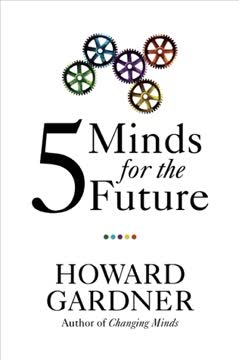
إمبراطوريات المستقبل ستكون إمبراطوريات العقل.
التنقل في عالم جديد. في عالم يزداد ترابطًا ويتشكل بسرعة التكنولوجيا والعولمة، لم تعد طرق التفكير التقليدية كافية. نواجه تحديات وفرصًا غير مسبوقة تتطلب قدرات معرفية جديدة. يقترح المؤلف خمسة "عوالم ذهنية" محددة تعتبر ضرورية للأفراد والمجتمعات لكي تزدهر في العصور القادمة.
ما وراء الذكاء التقليدي. هذه العقول الخمسة ليست مجرد ذكاءات فطرية، بل هي استخدامات واسعة للعقل يمكن ويجب تنميتها من خلال التعليم والعمل والتعلم المستمر مدى الحياة. تمثل هذه العقول تحولًا من مجرد وصف كيفية عمل العقل إلى تحديد أنواع العقول التي ينبغي أن نطورها لمواجهة متطلبات المستقبل. بدون هذه القدرات، قد يغرق الأفراد في التعقيد ويصبحون عرضة لقوى لا يستطيعون فهمها أو التحكم بها.
مسعى قائم على القيم. اختيار هذه العقول الخمسة ليس عشوائيًا؛ بل يعكس إيمانًا بالإمكانات البشرية للتميز، والتواصل، والمسؤولية. تطوير هذه العقول يُعرض كواجب أخلاقي، ضروري ليس فقط للنجاح الفردي بل للخير العام وبقاء الكوكب في عصر تشكل فيه التعصب والسلوك غير الأخلاقي تهديدات وجودية.
2. إتقان العقل المنضبط أمر أساسي
معرفة الحقائق زينة مفيدة لكنها مختلفة جوهريًا عن التفكير المنضبط.
ما وراء الحفظ. العقل المنضبط يتقن على الأقل طريقة تفكير مميزة تميز تخصصًا علميًا أو حرفة أو مهنة. هذا يتجاوز مجرد تراكم الحقائق أو المعرفة الموضوعية، التي يصفها المؤلف غالبًا بأنها "معرفة خاملة" بلا سياق أو تطبيق. الانضباط الحقيقي يتطلب فهم الأساليب والمفاهيم وطرائق البحث داخل المجال.
تجاوز التفكير المتجذر. تطوير عقل منضبط تحدٍ لأن البشر يميلون إلى الاعتماد على الحس السليم أو طرق تفكير قديمة، وغالبًا خاطئة (مثل التطور اللاماركي، التاريخ أحادي السبب). التدريب المهني يتطلب أيضًا التخلي عن العادات القديمة واعتماد أنماط جديدة من التفكير والسلوك، غالبًا ما تكون غير بديهية، خاصة بالمهنة.
الزراعة تتطلب عمقًا. تنمية العقل المنضبط تشمل:
- تحديد المواضيع والمفاهيم المهمة حقًا.
- تخصيص وقت كبير للدراسة المتعمقة.
- تناول المواضيع من زوايا متعددة (باستخدام نقاط دخول متنوعة).
- إقامة "أداءات للفهم" لتقييم التطبيق الحقيقي للمعرفة على مشكلات غير مألوفة.
هذه العملية تستغرق وقتًا، غالبًا عقدًا من الزمن، وتتطلب جهدًا وممارسة مستمرة، مجسدة المعنى الثاني لـ"الانضباط".
3. العقل التركيبي يربط المعلومات المتفرقة
الجحيم هو مكان لا شيء فيه يتصل بشيء.
ضروري في عصر المعلومات. القدرة على تركيب المعلومات من مصادر متفرقة، تقييمها بموضوعية، وتنظيمها في كل متماسك أصبحت أكثر أهمية من أي وقت مضى في عالم يغرق في البيانات. المعرفة تتضاعف بسرعة، ويحتاج الأفراد إلى فهم هذا الطوفان.
أشكال التركيب. يمكن أن يأخذ التركيب أشكالًا متعددة، منها:
- السرديات (قصص، تواريخ)
- التصنيفات (جداول، مخططات)
- المفاهيم المعقدة (الانتقاء الطبيعي، اللاوعي)
- القواعد والأمثال (حكمة شعبية، أقوال تجارية)
- الاستعارات والصور القوية (اليد الخفية، البنك المتشابك)
- التجسيدات الفنية (غويرنيكا، دورة الخاتم)
- النظريات وما وراء النظريات
التركيب الفعال يتطلب اختيار الأشكال والأدوات المناسبة حسب الهدف والجمهور.
التحديات والتنمية. رغم الميل الطفولي للربط، تصبح العقول الأكبر سنًا أكثر تخصصًا في السياق، مقاومة للتعميمات الواسعة. التركيب بين التخصصات صعب بشكل خاص، يتطلب إتقان وجهات نظر متعددة ويخاطر بالروابط السطحية أو المضللة. تنمية التركيب تشمل:
- تحديد الأهداف ونقاط البداية بوضوح.
- اختيار الاستراتيجيات والأدوات المناسبة.
- صياغة المسودات وطلب التغذية الراجعة.
- تطوير "تعدد المنظورات" – تقدير وجهات النظر المختلفة حتى بدون إتقان كامل.
- تعلم "فنون المعرفة" – استراتيجيات واضحة لإنشاء التصنيفات، الاستعارات، والنظريات.
4. العقل المبدع يفتح آفاقًا جديدة
أنا أبدع؛ إذن أنا موجود.
الابتكار هو الأساس. في عالم تتزايد فيه أتمتة المهام الروتينية، القدرة على توليد أفكار جديدة، طرح أسئلة غير مألوفة، وابتكار حلول جديدة أصبحت قيمة عالية. الإبداع لم يعد ترفًا بل ضرورة للأفراد والمنظمات للبقاء في الصدارة.
الإبداع كتفاعل. الإبداع ليس مجرد صفة فردية بل ينبثق من تفاعل ثلاثة عناصر:
- الفرد: يمتلك الانضباط، المهارة، وطباعًا معينة (غير راضٍ، مثابر، قوي التحمل).
- المجال: الحقل الثقافي بقواعده ونماذجه وممارساته.
- الحقل: المؤسسات الاجتماعية والأفراد الذين يحكمون ويقبلون أو يرفضون الإسهامات الجديدة.
الإبداع الحقيقي يغير المجال ويُعترف به من قبل الحقل، ويتراوح بين "صغير ج" (ابتكارات يومية) و"كبير ج" (اختراقات تحويلية).
رعاية الشرارة الإبداعية. تعزيز الإبداع يتطلب:
- الحفاظ على الحس اللعب والاستكشافي للأطفال الصغار.
- توفير فرص للاستكشاف المفتوح إلى جانب إتقان الانضباط.
- تعريض الأفراد لوجهات نظر وأنظمة بديلة متنوعة.
- تشجيع الأخطاء المنتجة والنقد البناء.
- خلق بيئات (في المدارس وأماكن العمل) تتسامح مع الأصالة وتكافئها، لا تكتفي بالتقليدية.
يجب أن يكون الإبداع جزءًا من جوهر مكان العمل، لا مجرد مهمة لفِرَق معزولة، مع الحذر من "الإبداع الزائف" المبني على الأكاذيب أو نقص الانضباط.
5. العقل المحترم يتعامل مع الاختلافات الإنسانية
في عالم مترابط، لم يعد التعصب أو عدم الاحترام خيارًا ممكنًا.
ضروري للتعايش العالمي. في عالم مترابط يضم مجموعات متنوعة وإمكانية صراعات عالمية، تعلم قبول وفهم والعمل بفعالية مع المختلفين عنا أمر حيوي. الاحترام يتجاوز التسامح؛ فهو تقدير الآخرين رغم الاختلافات.
الجذور التنموية والتحديات. رغم أن الرضع يظهرون علامات مبكرة على التعاطف، لدى البشر ميل عميق لتشكيل مجموعات داخلية وخارجية، مما يؤدي غالبًا إلى التحيز والاستبعاد. هذه الفوارق تشكل ثقافيًا وتعززها النماذج القدوة. قد تخفي مظاهر التسامح العلنية تحيزات خفية، غالبًا ما تتصلب في سن المراهقة.
تنمية الاحترام. تعزيز الاحترام يتطلب:
- توفير نماذج إيجابية (آباء، معلمون، قادة) يظهرون الاحترام في التفاعلات اليومية.
- خلق بيئات (مدارس، مجتمعات، أماكن عمل) يعمل فيها مختلف المجموعات معًا وتُقدر الاختلافات.
- استخدام مناهج دراسية (في التاريخ، الفنون، العلوم الإنسانية) تستكشف علاقات المجموعات ووجهات النظر المتنوعة، وتواجه التحيز مباشرة.
- المشاركة في أنشطة تبني التعاطف والفهم (مثل الخدمة المجتمعية، المشاريع متعددة الثقافات).
- الحذر من "الاحترام الزائف" مثل التملق أو التصرف السياسي السطحي؛ الاحترام الحقيقي متسق ويمتد للجميع.
6. العقل الأخلاقي يخدم غايات تتجاوز الذات
عندما يُشترى ويُباع كل ما يهم، وعندما تُنقض الالتزامات لأنها لم تعد في مصلحتنا، وعندما يصبح التسوق خلاصًا وشعارات الإعلانات ترديدنا، وعندما يُقاس قدرنا بما نكسبه وننفقه، فإن السوق يدمر الفضائل التي يعتمد عليها على المدى الطويل.
العمل والمواطنة. العقل الأخلاقي يتأمل في طبيعة العمل ودور الفرد كمواطن، ساعيًا لخدمة غايات تتجاوز المصلحة الذاتية الضيقة. يشمل ذلك التفكير في الالتزامات والمسؤوليات داخل المهنة والمجتمع الأوسع. يتطلب موقفًا تجريديًا، يبتعد عن الحياة اليومية لتصور الدور.
العمل الجيد: متقن، أخلاقي، مشوق. أبحاث المؤلف حول "العمل الجيد" تبرز ثلاث جوانب:
- متقن: منضبط وماهر للغاية.
- أخلاقي: مسؤول ويأخذ بعين الاعتبار تأثيراته على المجتمع.
- مشوق: ذو معنى ويوفر رضا داخلي.
تحقيق العمل الجيد أسهل في بيئات داعمة (مثل ريجيو إميليا) حيث السلوك الأخلاقي هو القاعدة، لكن يجب على الأفراد أيضًا تنمية بوصلة داخلية.
تعزيز التوجه الأخلاقي. تطوير العقل الأخلاقي يدعمه:
- نماذج إيجابية (آباء، مرشدون، قادة) يجسدون القيم الأخلاقية.
- أقران وزملاء يحافظون على معايير عالية.
- "تطعيمات" دورية – تعرض لأمثلة إيجابية وقصص تحذيرية (مثل فضائح الشركات).
- ثقافات مؤسسية قوية تختار وتدعم العمال الأخلاقيين وتعاقب المخالفات.
في النهاية، يعتمد الأمر على استعداد الفرد لتطبيق المبادئ حتى في الظروف الصعبة، مسترشدًا بـ"الأربعة ميم": المهمة، النماذج، اختبار المرآة (الفردي)، واختبار المرآة (المسؤولية المهنية).
7. تنمية هذه العقول تتطلب جهدًا مقصودًا
من الأفضل أن يكون الهدف أعلى من متناول اليد من أن يكون منخفضًا أو ضيقًا جدًا.
مشروع طموح. تطوير العقول الخمسة – المنضبط، التركيبي، المبدع، المحترم، والأخلاقي – تحدٍ كبير يتطلب جهدًا مقصودًا طوال الحياة وداخل مؤسسات متعددة. هذه العقول مترابطة؛ فالانضباط يدعم التركيب والإبداع، بينما يحكم الاحترام والأخلاق التفاعلات والغايات.
التعلم مدى الحياة ودور المؤسسات. تبدأ الزراعة في الطفولة المبكرة، حيث يجب رعاية الفضول الطبيعي والقدرة على الربط. يجب أن يتجاوز التعليم الرسمي الحفظ ليعزز فهمًا عميقًا للانضباط، ويوفر فرصًا للتركيب والإبداع، ويتناول صراحة قضايا الاحترام والأخلاق. يجب أن تستمر أماكن العمل في هذا التطوير، مقدمة نماذج، تغذية راجعة، وبيئات تدعم العقول الخمسة جميعًا.
تجاوز العقبات. هناك عقبات كبيرة، منها:
- الميل الطبيعي للبشر نحو المحافظة المعرفية والتحيز للمجموعات الداخلية.
- الضغوط المجتمعية التي تفضل التخصص الضيق، المكاسب قصيرة الأمد، أو التعصب.
- المؤسسات التي تفشل في تقديم نموذج أو دعم للسلوك الأخلاقي والمحترم.
- صعوبة تقييم ومكافأة هذه القدرات المعقدة.
رغم هذه التحديات، الحاجة لهذه العقول ملحة في عالمنا المعولم المدفوع بالتكنولوجيا.
الطريق إلى الأمام. تنمية هذه العقول تتطلب:
- تقديرها وأولوية تطويرها بوضوح.
- توفير تجارب ونماذج متنوعة.
- تشجيع التأمل والتقييم الذاتي (اختبارات المرآة).
- خلق بيئات تدعم التعاون، التفكير النقدي، والعمل الأخلاقي.
- الاعتراف بأن الجهد الفردي أساسي، لكن الدعم المؤسسي والمجتمعي ضروري للزراعة الواسعة.
الهدف هو تجهيز الأفراد للتنقل في التعقيد، الابتكار بمسؤولية، والمساهمة في عالم يستحق العيش فيه.
ملخص المراجعات
يحظى كتاب "العقول الخمسة للمستقبل" بتقييمات متباينة، حيث يثمن القراء رؤى جاردنر حول القدرات المعرفية الأساسية التي يحتاجها المستقبل، وهي العقل المنضبط، والعقل المركب، والعقل المبدع، والعقل المحترم، والعقل الأخلاقي. يجد الكثيرون أن هذه المفاهيم ذات قيمة كبيرة للمعلمين والمهنيين على حد سواء. ومع ذلك، ينتقد بعضهم الكتاب لكونه واضحًا إلى حد البساطة أو يفتقر إلى العمق المطلوب. من جهة أخرى، يشيد المراجعون الإيجابيون بتنظيم جاردنر للأفكار البديهية وإمكانية تأثيرها على التعليم والمجتمع. بينما يرى النقاد أن المحتوى كان يمكن اختصاره في صيغة أكثر إيجازًا. وبشكل عام، يعترف القراء بأهمية تنمية هذه العقول الخمسة لتحقيق النجاح في عالم سريع التغير.
قرأ الآخرون أيضًا



 تجربة غامرة
الأسئلة الشائعة
1. What is "Five Minds for the Future" by Howard Gardner about?
- Core Premise: The book explores the five types of minds that Gardner argues are essential for individuals to thrive in the future: the disciplined, synthesizing, creating, respectful, and ethical minds.
- Purpose: Gardner aims to describe and prescribe the mental capacities needed to succeed in a rapidly changing, globalized, and technologically advanced world.
- Scope: The book draws on psychology, education, history, and real-world examples to illustrate how these minds can be cultivated in both educational and professional settings.
- Audience: It is intended for educators, leaders, professionals, and anyone interested in personal and societal development.
2. Why should I read "Five Minds for the Future" by Howard Gardner?
- Future-Proofing Skills: The book provides a framework for developing mental habits and skills that are increasingly vital in the 21st century.
- Practical Guidance: Gardner offers actionable advice for educators, managers, and individuals on how to nurture these five minds in themselves and others.
- Broad Relevance: The concepts apply across disciplines, professions, and cultures, making the book valuable for a wide audience.
- Ethical and Social Emphasis: It goes beyond cognitive skills to address respect and ethics, which are crucial for a harmonious and sustainable society.
3. What are the five minds described in "Five Minds for the Future" by Howard Gardner?
- Disciplined Mind: Mastery of at least one way of thinking, characteristic of a specific scholarly discipline, craft, or profession, and the ability to work steadily to improve skills.
- Synthesizing Mind: The ability to integrate information from diverse sources, evaluate it objectively, and present it in a coherent, meaningful way.
- Creating Mind: The capacity to break new ground, generate novel ideas, pose new questions, and innovate beyond existing knowledge.
- Respectful Mind: The disposition to appreciate and work effectively with differences among individuals and groups, fostering collaboration and understanding.
- Ethical Mind: The ability to conceptualize one’s role as a worker and citizen, acting responsibly and unselfishly for the greater good.
4. How does Howard Gardner define and differentiate the "Disciplined Mind" in "Five Minds for the Future"?
- Definition: The disciplined mind is one that has mastered a specific mode of thinking, such as scientific, historical, or artistic, and can apply it effectively.
- Beyond Memorization: It goes beyond rote learning or subject matter knowledge, focusing on deep understanding and the ability to apply concepts in new situations.
- Continuous Improvement: Discipline also means developing habits of regular practice and lifelong learning within a chosen field.
- Risks of Lack: Without at least one discipline, individuals are vulnerable to manipulation and unable to make informed decisions in complex environments.
5. What is the "Synthesizing Mind" according to "Five Minds for the Future" by Howard Gardner, and why is it important?
- Definition: The synthesizing mind can select, organize, and integrate information from multiple sources, making sense of complexity for oneself and others.
- Types of Synthesis: Gardner identifies various forms, including narratives, taxonomies, metaphors, theories, and interdisciplinary integrations.
- Modern Relevance: In an age of information overload, the ability to synthesize is crucial for decision-making, learning, and leadership.
- Educational Challenge: Few institutions teach synthesis explicitly, making it a rare and valuable skill in both academic and professional contexts.
6. How does "Five Minds for the Future" by Howard Gardner describe the "Creating Mind" and its role in society?
- Definition: The creating mind is characterized by innovation, originality, and the willingness to challenge the status quo and venture into new territory.
- Not Just for Geniuses: Creativity is not limited to the arts or sciences; it is essential in business, leadership, and everyday problem-solving.
- Process and Personality: Creators are often dissatisfied with current answers, resilient in the face of failure, and open to criticism and feedback.
- Societal Impact: Societies and organizations that nurture creativity are more likely to adapt, thrive, and lead in times of rapid change.
7. What does Howard Gardner mean by the "Respectful Mind" in "Five Minds for the Future," and how can it be cultivated?
- Definition: The respectful mind values differences among people and groups, seeks to understand others, and works constructively across boundaries.
- Developmental Roots: Respect begins in early childhood and is shaped by family, education, and societal models.
- Beyond Tolerance: True respect involves active engagement and empathy, not just passive acceptance or political correctness.
- Cultivation: It is fostered through diverse experiences, inclusive curricula, positive role models, and open discussions about group relations and conflict.
8. How is the "Ethical Mind" defined in "Five Minds for the Future" by Howard Gardner, and why is it essential?
- Definition: The ethical mind reflects on one’s responsibilities as a worker and citizen, striving for good work that is excellent, responsible, and meaningful.
- Abstract Thinking: It requires the ability to step back, conceptualize one’s role, and act consistently with broader societal values.
- Supports and Threats: Ethical behavior is supported by positive role models, strong institutions, and periodic reflection, but threatened by peer pressure, institutional failures, and societal trends.
- Broader Impact: The ethical mind is crucial for sustaining trust, integrity, and the common good in professions and communities.
9. What practical advice does "Five Minds for the Future" by Howard Gardner offer for cultivating these five minds in education and the workplace?
- Start Early: Begin with fostering respect and basic literacies in early childhood, then introduce disciplinary thinking in elementary years.
- Integrate Synthesis and Creativity: Encourage synthesis and creativity through projects, multiple perspectives, and exposure to diverse role models.
- Model and Mentor: Teachers, leaders, and mentors should exemplify the five minds and provide feedback, support, and opportunities for practice.
- Lifelong Learning: Emphasize continuous development, adaptability, and ethical reflection throughout one’s career and civic life.
10. How does "Five Minds for the Future" by Howard Gardner address the challenges and obstacles to developing these minds?
- Conservatism and Faddism: Resistance to change and skepticism about new educational trends can hinder adoption of the five minds framework.
- Hidden Risks: Overemphasis on one mind (e.g., creativity without discipline) can lead to negative outcomes like chaos or superficiality.
- Impotence and Evaluation: Educators and leaders may feel unsure how to teach or assess these minds, requiring clear models and criteria.
- Societal Contradictions: Media, politics, and institutional practices may undermine the values of respect and ethics, making cultivation more difficult.
11. What are the key takeaways and main conclusions from "Five Minds for the Future" by Howard Gardner?
- Interdependence of Minds: The five minds are complementary and should be developed together for individuals and societies to flourish.
- No Zero-Sum: Cultivating one mind does not preclude others, but trade-offs and tensions (e.g., between respect and creativity) must be managed.
- Role of Education and Leadership: Schools, workplaces, and leaders have a shared responsibility to nurture these minds through intentional practices and policies.
- Human Survival and Thriving: The future of humanity depends on our ability to develop disciplined, synthesizing, creating, respectful, and ethical minds in the face of global challenges.
12. What are the best quotes from "Five Minds for the Future" by Howard Gardner, and what do they mean?
- “The empires of the future will be empires of the mind.” (Winston Churchill, cited by Gardner) – Highlights the centrality of mental capacities in shaping the future.
- “Education is inherently and inevitably an issue of human goals and human values.” – Emphasizes that education must be guided by clear purposes and ethical considerations.
- “Individuals without one or more disciplines will not be able to succeed at any demanding workplace and will be restricted to menial tasks.” – Stresses the necessity of deep disciplinary knowledge for meaningful work.
- “No society can be composed solely of creators; they are by nature destabilizing.” – Acknowledges the need for balance between innovation and stability.
- “The survival and thriving of our species will depend on our nurturing of potentials that are distinctly human.” – Concludes that the five minds are not just desirable but essential for the future of humanity.