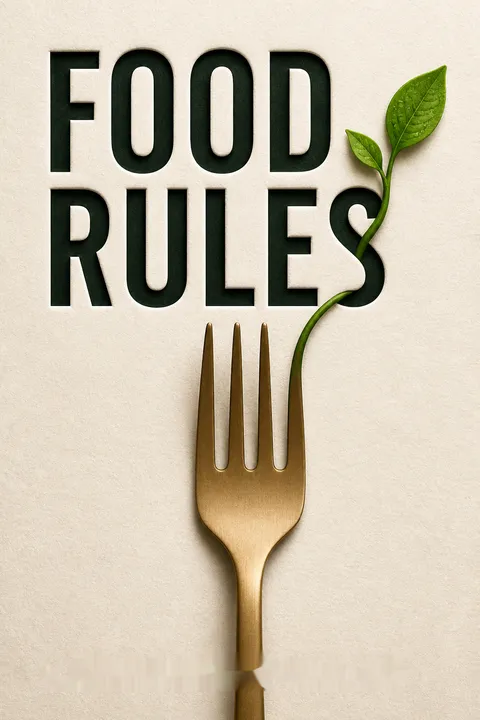

أهم النقاط
1. تناول الأطعمة الحقيقية الكاملة وتجنب المنتجات المصنعة
"تناول الطعام. ليس بكثرة. ومعظم ما تأكله من النباتات."
الأطعمة الحقيقية مقابل المواد الشبيهة بالطعام. لقد غمرت الصناعة الغذائية الحديثة أسواقنا بمنتجات معالجة بشكل مفرط لا تشبه الطعام الحقيقي إلا قليلاً. غالبًا ما تحتوي هذه المنتجات على مكونات غريبة، وكميات مفرطة من السكر والملح والدهون غير الصحية، وتفتقر إلى العناصر الغذائية الموجودة في الأطعمة الكاملة.
للتعرف على الطعام الحقيقي:
- اختر ما كانت جدتك الكبرى تعرفه
- تجنب المنتجات التي تحتوي على أكثر من خمسة مكونات
- ابتعد عن الأطعمة التي تحتوي على مكونات يصعب نطقها
- كن حذرًا من المنتجات التي تدعي فوائد صحية
- تسوق من محيط السوبرماركت حيث توجد عادة الخضروات الطازجة، اللحوم، ومنتجات الألبان
2. اجعل النباتات المصدر الأساسي لطعامك
"تناول معظم طعامك من النباتات، وخاصة الأوراق الخضراء."
فوائد النظام الغذائي النباتي. أظهرت العديد من الدراسات أن الأنظمة الغذائية الغنية بالخضروات والفواكه تقلل بشكل كبير من خطر الأمراض المزمنة. الأطعمة النباتية عادةً ما تكون أقل كثافة في السعرات الحرارية وأكثر غنى بالعناصر الغذائية مقارنة بالمنتجات الحيوانية، مما يجعلها مثالية للحفاظ على وزن صحي وصحة عامة جيدة.
نقاط مهمة:
- استهدف تنوعًا من الفواكه والخضروات الملونة
- أدرج الخضروات الورقية في نظامك الغذائي بانتظام
- اعتبر اللحوم كنكهة أو طعام للمناسبات الخاصة
- أضف البقوليات، الحبوب الكاملة، والمكسرات إلى وجباتك
- لا تغفل القيمة الغذائية للنباتات البرية عندما تكون متاحة
3. الاعتدال هو الأساس: كل أقل واستمتع أكثر
"توقف عن الأكل قبل أن تشعر بالشبع."
تقييد السعرات وفوائده الصحية. تظهر الأبحاث باستمرار أن تناول كميات أقل مما نأكل عادةً يمكن أن يعود بفوائد صحية كبيرة، منها إبطاء الشيخوخة وتقليل خطر الإصابة بالسرطان. العديد من الثقافات تمتلك حكمة تقليدية تشجع على الاعتدال في الأكل.
استراتيجيات لتناول كميات أقل:
- اتبع مفهوم "هارا هاتشي بو" الياباني - كل حتى تشعر بأنك ممتلئ بنسبة 80%
- اسأل نفسك إذا ما زال جوعك قائمًا بدلاً من أن تسأل إذا كنت شبعانًا
- اترك بعض الطعام في طبقك
- استخدم أطباقًا وكؤوسًا أصغر للتحكم في حجم الحصص
- تجنب العودة لأخذ حصص إضافية
4. اطبخ وجباتك بنفسك وتناول الطعام مع الآخرين
"تناول كل الوجبات السريعة التي تريد طالما أنك تطبخها بنفسك."
الطبخ المنزلي وتناول الطعام الاجتماعي. تحضير وجباتك بنفسك يمنحك السيطرة على المكونات وحجم الحصص. كما يجعل الحلويات أقل سهولة في الوصول، مما يقلل من استهلاكها بشكل طبيعي. تناول الطعام مع الآخرين يعزز الأكل الواعي ويحد من الإفراط في الأكل.
فوائد الطبخ المنزلي وتناول الطعام مع الآخرين:
- تحكم أفضل في المكونات والقيمة الغذائية
- تحكم طبيعي في حجم الحصص للحلويات والمأكولات الفاخرة
- زيادة التقدير لعملية إعداد الطعام
- إبطاء وتيرة الأكل عند تناول الطعام مع الآخرين
- تعزيز متعة الوجبات من خلال التفاعل الاجتماعي
5. كن واعيًا لعاداتك الغذائية وبيئتك
"كل عندما تشعر بالجوع، لا عندما تشعر بالملل."
الأكل الواعي. كثير من الناس يأكلون لأسباب غير الجوع، مثل الملل أو التوتر أو العادة. من خلال زيادة الوعي بأنماط أكلنا وبيئتنا، يمكننا اتخاذ خيارات صحية وتجنب استهلاك السعرات الحرارية غير الضرورية.
نصائح للأكل الواعي:
- حدد سبب أكل الطعام قبل أن تبدأ
- تجنب الأكل أثناء الانشغال (مثل مشاهدة التلفاز أو العمل)
- تناول الطعام على الطاولة، وليس أثناء التنقل
- انتبه إلى طعم الطعام وملمسه ورائحته
- استمع إلى إشارات الجوع والشبع من جسدك
6. احتضن ثقافات الطعام التقليدية وكن متشككًا تجاه الأطعمة الجديدة
"كل مثل الفرنسيين. أو اليابانيين. أو الإيطاليين. أو اليونانيين."
حكمة الأنظمة الغذائية التقليدية. العديد من ثقافات الطعام التقليدية صمدت أمام اختبار الزمن، مقدمة تغذية متوازنة وتعزيز الصحة العامة. غالبًا ما تركز هذه الأنظمة على الأطعمة الكاملة، والاعتدال، وعادات الأكل الاجتماعية.
الجوانب الأساسية لثقافات الطعام التقليدية:
- التركيز على الأطعمة الكاملة والمصنعة بأقل قدر ممكن
- تركيبات متوازنة من المغذيات (مثل الفاصوليا والذرة في أمريكا اللاتينية)
- أحجام حصص معتدلة
- وجبات اجتماعية بطيئة ومريحة
- الشك في الأطعمة الجديدة والموضات الغذائية
7. الجودة قبل الكمية: استثمر في طعام أفضل وكل أقل
"ادفع أكثر، وكل أقل."
قيمة الطعام عالي الجودة. اختيار طعام عالي الجودة وغالي الثمن غالبًا ما يؤدي إلى تناول كميات أقل بشكل عام. هذه الأطعمة عادةً ما تكون أكثر نكهة وإشباعًا، مما يتطلب حصصًا أصغر للشعور بالرضا.
فوائد الاستثمار في طعام عالي الجودة:
- طعم وقيمة غذائية أفضل
- زيادة الرضا من حصص أصغر
- دعم الإنتاج الغذائي المستدام والأخلاقي
- تقليل استهلاك الطعام بشكل عام
- فوائد صحية طويلة الأمد وتوفير في تكاليف الرعاية الصحية
8. استمع إلى إشارات الجوع والشبع من جسدك
"استشر حدسك."
الوعي بالجسم. تطورت أجسامنا لتشير إلى الجوع والشبع، لكن عادات الأكل الحديثة غالبًا ما تتجاهل هذه الإشارات. من خلال تعلم التعرف على إشارات جسدنا والاستجابة لها، يمكننا الأكل بشكل أكثر حدسية والحفاظ على وزن صحي.
تقنيات لتحسين الوعي بالجسم:
- تناول الطعام ببطء لإتاحة الوقت لوصول إشارات الشبع إلى الدماغ
- تحقق من مستوى جوعك قبل وأثناء الوجبات
- انتبه إلى تأثير الأطعمة المختلفة عليك
- تجنب الأكل بدافع الملل أو العواطف
- مارس تقنيات الأكل الواعي
9. تمهل واستمتع بوجباتك
"الوليمة تبدأ من اللقمة الأولى."
الاستمتاع بالطعام. الأكل ببطء لا يساعد فقط في التحكم بحجم الحصص، بل يعزز أيضًا متعة الوجبات. من خلال التركيز على نكهات وملمس كل لقمة، يمكننا الحصول على متعة أكبر من طعامنا مع تناول كميات أقل.
طرق للتمهل والاستمتاع بالوجبات:
- ضع شوكتك بين اللقم
- امضغ جيدًا وركز على النكهات
- شارك في الحديث أثناء تناول الطعام
- تناول لقيمات صغيرة وخذ فترات توقف بينها
- قدر مظهر ورائحة طعامك قبل الأكل
10. نظم أوقات تناولك حول وجبات منتظمة، لا الوجبات الخفيفة المستمرة
"تناول وجبات."
أهمية تنظيم الوجبات. لقد تآكل مفهوم الوجبات التقليدية بسبب الوجبات الخفيفة المستمرة والتناول المتكرر. مع ذلك، تساعد الوجبات المنظمة على التحكم في إجمالي السعرات وتعزيز عادات أكل أفضل.
فوائد تنظيم الوجبات:
- تحكم أفضل في حجم الحصص
- تقليل استهلاك الوجبات الخفيفة المصنعة
- فرص لتناول الطعام الاجتماعي ووقت العائلة
- تحسين الهضم من خلال نمط أكل منتظم
- تمييز أوضح بين الأكل بدافع الجوع وغير الجوع
ملخص المراجعات
يُعتبر كتاب "قواعد الطعام: دليل للأكل" من الكتب التي حظيت بإشادة واسعة لما يتميز به من بساطة وعمليّة في تقديم إرشادات لتناول الطعام الصحي. يجد العديد من القراء أن القواعد سهلة الفهم والتطبيق، ويُثمنون أسلوب بولان المختصر والمليء بالفكاهة في الكتابة. الرسالة الأساسية للكتاب "كُل طعامًا حقيقيًا. لا تفرط في الأكل. واعتمد في الغالب على النباتات" تلامس قلوب القراء وتلقى صدى واسعًا بينهم. مع ذلك، ينتقد بعضهم قصر الكتاب واعتماده على محتوى سبق وأن طرحه بولان في أعماله السابقة. وبشكل عام، يُقدّر القراء هذا الكتاب كمرجع سريع يساعدهم على اتخاذ خيارات غذائية أفضل، رغم أن البعض يتمنى وجود معلومات أكثر تفصيلًا حول كيفية تطبيق هذه القواعد عمليًا.
قرأ الآخرون أيضًا

الأسئلة الشائعة
What's "Food Rules: An Eater's Manual" about?
- Simple dietary guidelines: The book provides straightforward rules to help people make healthier food choices without relying on complex nutritional science.
- Focus on real food: It emphasizes eating whole, unprocessed foods and avoiding highly processed products that dominate the modern diet.
- Cultural wisdom: Pollan draws on traditional food wisdom and practices, suggesting that these can guide healthier eating habits.
- Practical advice: The book is structured to offer practical, everyday advice that can be easily incorporated into daily life.
Why should I read "Food Rules: An Eater's Manual"?
- Simplifies eating decisions: The book distills complex nutritional science into easy-to-follow rules, making healthy eating more accessible.
- Improves health: Following the rules can lead to better health outcomes by reducing the risk of chronic diseases associated with the Western diet.
- Cultural insights: It provides insights into how traditional diets and eating habits can contribute to better health.
- Actionable tips: The book offers practical tips that can be immediately applied to improve one's diet and relationship with food.
What are the key takeaways of "Food Rules: An Eater's Manual"?
- Eat real food: Focus on consuming whole, unprocessed foods that your ancestors would recognize.
- Mostly plants: Prioritize plant-based foods, especially leafy greens, for a healthier diet.
- Moderation is key: Eat less and be mindful of portion sizes to maintain a healthy weight and lifestyle.
- Cultural practices: Embrace traditional eating habits and practices for better health and well-being.
What are the best quotes from "Food Rules: An Eater's Manual" and what do they mean?
- "Eat food. Not too much. Mostly plants." This encapsulates the book's core message: focus on real food, control portions, and prioritize plant-based eating.
- "Don't eat anything your great-grandmother wouldn't recognize as food." This quote emphasizes avoiding highly processed foods that are a modern invention.
- "The whiter the bread, the sooner you'll be dead." It highlights the health risks associated with consuming refined grains and encourages whole grain consumption.
- "Eat all the junk food you want as long as you cook it yourself." This suggests that the effort involved in preparing junk food will naturally limit its consumption.
How does Michael Pollan define "real food" in "Food Rules: An Eater's Manual"?
- Whole foods: Real food includes plants, animals, and fungi that have been consumed for generations.
- Minimal processing: Foods should be minimally processed and free from artificial additives and preservatives.
- Recognizable ingredients: Ingredients should be familiar and something you would keep in your pantry.
- Avoidance of industrial products: Steer clear of products that are highly processed and designed for long shelf life.
What is the "Western diet" according to "Food Rules: An Eater's Manual"?
- Processed foods: The Western diet is characterized by a high intake of processed foods and refined grains.
- High in sugar and fat: It includes a lot of added sugars and unhealthy fats, contributing to chronic diseases.
- Low in whole foods: There is a lack of vegetables, fruits, and whole grains in the Western diet.
- Health consequences: This diet is linked to obesity, type 2 diabetes, cardiovascular disease, and certain cancers.
What does Michael Pollan suggest about portion control in "Food Rules: An Eater's Manual"?
- Eat less: Pollan advises eating less overall, as most people consume more than necessary for health.
- Stop before full: He suggests stopping eating before feeling completely full, following cultural practices like "hara hachi bu."
- Smaller portions: Use smaller plates and serve proper portions to naturally reduce food intake.
- Mindful eating: Pay attention to hunger cues and eat slowly to better gauge when to stop eating.
How does "Food Rules: An Eater's Manual" address the role of culture in eating habits?
- Traditional wisdom: Pollan emphasizes the value of traditional food cultures and their health benefits.
- Cultural practices: He suggests adopting eating habits from cultures known for their healthy diets, like the French or Japanese.
- Food rituals: The book highlights the importance of communal meals and eating as a social activity.
- Skepticism of new foods: Pollan advises caution with nontraditional foods and culinary innovations.
What are some practical rules from "Food Rules: An Eater's Manual" for healthier eating?
- Shop the peripheries: Focus on the outer aisles of the supermarket where fresh produce and whole foods are found.
- Cook your own food: Preparing meals at home gives control over ingredients and portion sizes.
- Avoid health claims: Be wary of processed foods that make health claims, as they are often misleading.
- Limit snacks: Restrict snacks to unprocessed plant foods like fruits and nuts.
How does "Food Rules: An Eater's Manual" suggest dealing with cravings for junk food?
- Cook it yourself: Pollan suggests that making junk food at home will naturally limit its consumption due to the effort involved.
- Treats as treats: Reserve junk food for special occasions rather than everyday consumption.
- Mindful indulgence: Enjoy treats in moderation and savor them when you do indulge.
- S policy: Follow a simple rule like "no snacks, no seconds, no sweets—except on days that begin with the letter S."
What does Michael Pollan say about the relationship between food and health in "Food Rules: An Eater's Manual"?
- Diet and disease: He highlights the strong link between the Western diet and chronic diseases like obesity and diabetes.
- Traditional diets: Populations with traditional diets generally have lower rates of these diseases.
- Reversing effects: Switching away from the Western diet can lead to significant health improvements.
- Focus on food, not nutrients: Pollan argues that focusing on whole foods rather than individual nutrients is key to better health.
How does "Food Rules: An Eater's Manual" suggest improving one's relationship with food?
- Mindful eating: Be present and attentive during meals, savoring each bite.
- Social meals: Share meals with others to enhance the eating experience and regulate portion sizes.
- Cook and garden: Engage in cooking and growing food to reconnect with the food production process.
- Relaxed attitude: Avoid obsessing over food rules and allow for occasional indulgences.
عن المؤلف

تحميل PDF
تحميل EPUB
.epub digital book format is ideal for reading ebooks on phones, tablets, and e-readers.








































