
أهم النقاط
1. بناء علاقة فورية: أساس التأثير
"لتسهيل تعلمك كيفية تطبيق هذه الأسرار النفسية، قُسم الكتاب إلى أربعين فصلاً صغيرًا، كل منها يتناول مواقف حياتية مختلفة."
المحاكاة والمطابقة. لبناء علاقة بسرعة، قم بمحاكاة لغة جسد الشخص الآخر، وأنماط حديثه، ومستوى طاقته بشكل خفي. هذا يخلق شعورًا لاواعيًا بالألفة والراحة. احذر من التقليد الحرفي لأنه قد يُفسر على أنه سخرية.
ابحث عن أرضية مشتركة. حاول إيجاد اهتمامات أو تجارب أو قيم مشتركة لتكوين اتصال فوري. يميل الناس بطبيعتهم إلى الاقتراب ممن يشبهونهم.
- اطرح أسئلة مفتوحة لاكتشاف القواسم المشتركة
- شارك قصصًا شخصية تتعلق بتجاربهم
- أظهر اهتمامًا حقيقيًا بوجهة نظرهم
الاستماع النشط. بيّن أنك مندمج تمامًا في الحوار من خلال الحفاظ على التواصل البصري، والإيماء بالرأس، وتقديم تأكيدات لفظية. أعد صياغة النقاط الرئيسية لتظهر فهمك وتقديرك لأفكارهم ومشاعرهم.
2. استغلال قوة الارتباط والمعاملة بالمثل
"يناقش الكتاب قانون الارتباط بتفصيل أكبر، لكنه هنا يُطبق بشكل محدد."
اصنع ارتباطات إيجابية. يميل الناس إلى محبة من يرتبطون معه بتجارب أو مشاعر إيجابية. اربط نفسك بشكل استراتيجي بمحفزات مفرحة لتكوين انطباعات إيجابية.
- التقي في أماكن ممتعة (مطعم مفضل، حديقة جميلة)
- شارك أخبارًا سارة أو قصصًا ملهمة
- كن حاملًا للمكافآت أو التقدير
استفد من مبدأ المعاملة بالمثل. ينص هذا المبدأ على أن الناس يشعرون بالالتزام برد الجميل، حتى لو كان صغيرًا. استخدم ذلك لصالحك من خلال تقديم مساعدة حقيقية أو لفتات طيبة.
- قدم معلومات أو مساعدة قيمة دون توقع مقابل
- امنح مجاملات صادقة أو مدحًا
- قم بخدمات غير متوقعة لخلق شعور بالامتنان
تذكر أن المعاملة بالمثل تكون أكثر فعالية عندما تكون صادقة وليست استغلالية. ركز على بناء علاقات حقيقية بدلًا من تبادلات سطحية.
3. إتقان فن الإقناع من خلال النداء العاطفي
"تسعون بالمئة من قراراتنا تستند إلى العاطفة، ثم نستخدم المنطق لتبرير أفعالنا."
حدد المشاعر الأساسية. افهم المشاعر الرئيسية التي تحرك سلوك الشخص الآخر أو قراراته. من المحفزات الشائعة: الخوف، الرغبة في الانتماء، الطموح، والأمان.
صغ رسائل تلامس العواطف. خاطب هذه المشاعر في تواصلك:
- استخدم السرد الحي لإثارة المشاعر
- ارسم صورة مقنعة للنتيجة المرجوة
- أبرز الخسائر المحتملة لاستثارة الخوف من الفقدان
وازن بين العاطفة والمنطق. رغم أن العواطف تحرك القرارات، يحتاج الناس إلى مبررات منطقية ليشعروا بالثقة في اختياراتهم. قدم حججًا عقلانية تدعم النداءات العاطفية:
- اعرض بيانات وإحصائيات ذات صلة
- استشهد بآراء خبراء أو شهادات
- بين علاقات السبب والنتيجة بوضوح
احرص على أن يكون أسلوبك صادقًا. قد تنجح الأساليب الاستغلالية مؤقتًا لكنها تضر بالثقة والمصداقية على المدى الطويل.
4. فك رموز لغة الجسد والإشارات غير اللفظية
"التواصل البصري مؤشر قوي على المزاج. عندما نكون في مزاج جيد، نميل إلى زيادة التواصل البصري المباشر."
اقرأ التعبيرات الدقيقة. تعلّم التعرف على تعبيرات الوجه العابرة التي تكشف عن المشاعر الحقيقية، والتي تدوم أقل من ثانية. هذه تعطيك رؤى ثمينة عن أفكار ومشاعر الشخص.
- رفع الحاجبين: دهشة أو عدم تصديق
- شد الشفاه: رفض أو كتمان معلومات
- تجعيد الأنف: اشمئزاز أو اعتراض
فسر الإيماءات والوضعية. لغة الجسد غالبًا ما تعبر أكثر من الكلمات:
- تقاطع الذراعين: موقف دفاعي أو انغلاق
- الميل إلى الأمام: اهتمام وانخراط
- التململ: توتر أو نفاد صبر
اعرض لغة جسد واثقة. استخدم الإشارات غير اللفظية لتبث السلطة والمصداقية:
- حافظ على وضعية مفتوحة بدون تقاطع الذراعين
- استخدم التواصل البصري المناسب (مع مراعاة الفروق الثقافية)
- وظف إيماءات هادفة لتأكيد النقاط المهمة
تمرّن على قراءة وضبط لغة الجسد في تفاعلاتك اليومية لتحسن مهاراتك التواصلية بشكل عام.
5. إدارة المحادثات الصعبة بحنكة نفسية
"عندما ترفض طلبًا (مصلحة تُطلب منك)، اطلب مصلحة من ذلك الشخص فورًا بعد رفضك."
أعد صياغة الحوار. حوّل التركيز من المواجهة إلى التعاون عبر إعادة تأطير القضية بشكل إيجابي. استخدم ضمير "نحن" لخلق شعور بالهدف المشترك.
استخدم تقنية "أشعر، شعرت، وجدت". اعترف بالمشاعر، وشارك وجهة نظرك، وقدم رؤية جديدة:
- "أفهم شعورك..."
- "لقد شعرت بالمثل سابقًا..."
- "لكنني وجدت أن..."
استثمر الصمت الاستراتيجي. قاوم الرغبة في ملء كل فجوة صمت. امنح لحظات صمت لتشجيع الطرف الآخر على التوسع أو إعادة النظر.
- عد في صمت حتى خمسة قبل الرد
- استخدم توقفات مدروسة لتأكيد نقاط مهمة
- امنح الصمت بعد طرح أسئلة عميقة
تذكر أن المحادثات الصعبة فرص للنمو والفهم إذا أُديرت بمهارة.
6. بناء الثقة والمصداقية في أي علاقة
"الناس لا يهتمون بما تعرفه حتى يعرفوا أنك تهتم بهم."
أظهر الاعتمادية. التزم بتنفيذ ما تعهدت به باستمرار، مهما كان بسيطًا. هذا يبني أساسًا من الثقة مع مرور الوقت.
- حدد توقعات ومواعيد واقعية
- تواصل مسبقًا في حال حدوث تأخيرات
- نفذ وعودك حتى لو كانت غير مريحة
مارس الانفتاح. مشاركة تجارب شخصية مناسبة والاعتراف بالأخطاء يجعل منك إنسانًا ويعزز الروابط العميقة.
- اعترف بنقاط تحتاج لتحسين
- شارك قصصًا شخصية ذات صلة
- اعترف عندما لا تملك كل الإجابات
حافظ على السرية. احترم المعلومات الخاصة وتجنب النميمة لتثبت أنك محل ثقة.
- لا تفشِ معلومات حساسة بدون إذن
- وجه المحادثات بعيدًا عن النميمة الضارة
- احمِ سمعة الآخرين كما تحمي سمعتك
تذكر أن الثقة تُبنى ببطء لكنها قد تُهدم في لحظة. اجعل الحفاظ عليها أولوية في كل تفاعلاتك.
7. استغلال علم نفس اتخاذ القرار
"الناس يريدون ما لا يستطيعون الحصول عليه. بالتوفر المستمر، تقل قيمتك."
افهم الانحيازات المعرفية. تعرف على الاختصارات الذهنية الشائعة التي تؤثر على اتخاذ القرار:
- انحياز التأكيد: البحث عن معلومات تؤكد المعتقدات القائمة
- تأثير التثبيت: الاعتماد المفرط على أول معلومة
- النفور من الخسارة: تفضيل تجنب الخسائر على تحقيق مكاسب مماثلة
أطر الخيارات بشكل استراتيجي. قدم البدائل بطريقة تبرز النتائج المرغوبة:
- استخدم التأطير الإيجابي للسلوكيات المرغوبة
- وظف استراتيجيات الندرة لزيادة القيمة المدركة
- قدم خيارات تمويهية لجعل الخيار المستهدف أكثر جاذبية
بسّط القرارات المعقدة. ساعد الآخرين على اتخاذ قرارات عبر تقسيم الخيارات المعقدة:
- قدم 3-5 خيارات كحد أقصى في كل مرة
- صنف الخيارات إلى مجموعات قابلة للإدارة
- وفر مزايا وعيوب واضحة لكل خيار
بفهم هذه المبادئ النفسية، يمكنك توجيه عمليات اتخاذ القرار بفعالية أكبر في السياقات الشخصية والمهنية.
8. تحويل الصراعات إلى فرص للنمو
"تخلصت العديد من الدراسات من أن الانقسام بين الناس يذوب عندما يواجهون تهديدًا خارجيًا معارضًا."
ابحث عن أرضية مشتركة. حدد أهدافًا أو قيمًا مشتركة لتوحيد الأطراف المتنازعة:
- ركز على الأهداف الكبرى
- أبرز المنافع المتبادلة للحل
- اصنع رؤية مشتركة للمستقبل
مارس التعاطف النشط. اسعَ لفهم وجهات نظر الآخرين بعمق:
- اطرح أسئلة استقصائية لكشف المخاوف الكامنة
- أكد المشاعر دون الحاجة للموافقة
- أعد صياغة وجهات النظر لضمان الفهم
سهل حل المشكلات التعاوني. وجه الأطراف المتنازعة نحو حلول تحقق مكاسب للجميع:
- اطرح عدة خيارات دون حكم مسبق
- قيّم الحلول بناءً على معايير موضوعية
- شجع على التنازل والمرونة
تذكر أن الصراعات، إذا أُديرت بمهارة، تقود إلى علاقات أقوى وحلول أكثر إبداعًا.
9. تنمية ثقة لا تتزعزع في أي موقف
"الابتسامة تحقق أربعة أشياء قوية: تنقل الثقة، والسعادة، والحماس، والأهم من ذلك، تظهر القبول."
نمِ عقلية النمو. اعتبر التحديات فرصًا للتعلم والتطور:
- اعتبر الفشل تغذية راجعة قيمة
- حدد أهدافًا صعبة لكنها قابلة للتحقيق
- احتفل بالتقدم وليس فقط بالنتائج
مارس وضعيات القوة. استخدم لغة الجسد لتعزيز الثقة:
- قف منتصبًا مع الكتفين إلى الخلف
- اشغل مساحة بوضعية مفتوحة
- حافظ على التواصل البصري بثقة
استعد جيدًا. ابنِ ثقتك من خلال المعرفة والممارسة:
- ابحث بعمق في المواضيع
- توقع الأسئلة أو الاعتراضات المحتملة
- تدرب على المحادثات أو العروض المهمة
تذكر أن الثقة الحقيقية تنبع من قبول الذات والتحسين المستمر، لا من مقارنة نفسك بالآخرين.
ملخص المراجعات
يحظى كتاب "كيف تجعل أي شخص يفعل أي شيء ولا تشعر بالعجز أبدًا" بتقييمات متباينة. فبينما يثني البعض على ما يقدمه من رؤى نفسية عملية وقابلة للتطبيق في الحياة اليومية، ينتقده آخرون بوصفه أسلوبًا تلاعبياً أو وعودًا مبالغًا فيها. يرى المراجعون الإيجابيون أن الكتاب مفيد لفهم سلوك الإنسان وتحسين التفاعلات الاجتماعية، في حين يرى النقاد أن التقنيات المطروحة معروفة لدى الكثيرين أو قد تكون مضللة. ويُقدر العديد من القراء أسلوب الكتاب المباشر وحجمه المختصر. وبشكل عام، تتباين الآراء حول ما إذا كان الكتاب يقدم استراتيجيات إقناع ذات قيمة فعلية أم يبسط بشكل مفرط تعقيدات العلاقات الاجتماعية.
قرأ الآخرون أيضًا










الأسئلة الشائعة
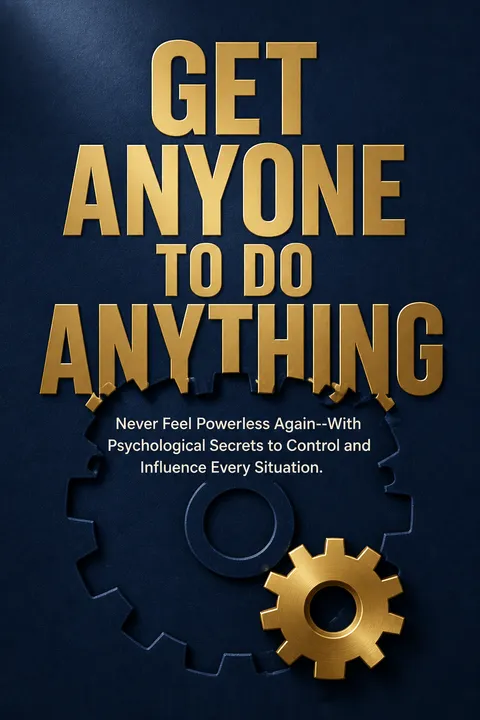
What's "Get Anyone to Do Anything" about?
- Overview: "Get Anyone to Do Anything" by David J. Lieberman is a guide to using psychological techniques to influence and control various situations in life. It aims to empower readers by providing strategies to handle interpersonal interactions effectively.
- Purpose: The book is designed to help readers feel less powerless by teaching them how to detect deceit, change minds, and control situations using psychological principles.
- Structure: It is divided into sections that cover topics like getting people to like you, avoiding manipulation, taking control of situations, winning competitions, and making life easier.
- Application: The techniques are presented as easy-to-follow formulas that can be applied to real-life scenarios, making them accessible to anyone looking to improve their social interactions.
Why should I read "Get Anyone to Do Anything"?
- Empowerment: The book offers tools to help you feel more in control of your interactions and relationships, reducing feelings of powerlessness.
- Practical Techniques: It provides actionable strategies that can be applied immediately to improve your ability to influence others and navigate social situations.
- Wide Applicability: Whether you're dealing with personal relationships, professional environments, or competitive situations, the book offers insights that can be universally applied.
- Psychological Insights: It delves into human behavior and psychology, offering a deeper understanding of why people act the way they do and how you can use this knowledge to your advantage.
What are the key takeaways of "Get Anyone to Do Anything"?
- Influence and Control: Learn how to influence others and control situations using psychological tactics that are based on human behavior principles.
- Avoid Manipulation: The book teaches you how to recognize and avoid being manipulated by others, ensuring you maintain control over your decisions.
- Effective Communication: It emphasizes the importance of communication skills in influencing others and provides techniques to improve your interactions.
- Self-Improvement: By understanding and applying these psychological strategies, you can improve your personal and professional relationships, leading to a more successful and fulfilling life.
How can I get anyone to like me, according to David J. Lieberman?
- Law of Association: Pair yourself with positive stimuli to create favorable associations in others' minds, making them more likely to like you.
- Repeat Exposure: Increase your interactions with someone, as familiarity tends to breed fondness rather than contempt.
- Reciprocal Affection: Show that you like and respect the person, as people tend to like those who like them.
- Rapport Building: Match the person's gestures, speech patterns, and interests to create a sense of similarity and connection.
What strategies does "Get Anyone to Do Anything" suggest for avoiding manipulation?
- Recognize Manipulation Tactics: Be aware of common manipulation tactics like guilt, intimidation, and appeal to ego, and learn to identify them in interactions.
- Stay Objective: Focus on the facts and avoid letting emotions cloud your judgment when dealing with potential manipulators.
- Set Boundaries: Clearly define your limits and communicate them to others to prevent being taken advantage of.
- Trust Your Instincts: If something feels off, trust your gut and take a step back to reassess the situation before making decisions.
How does David J. Lieberman suggest taking control of any situation?
- Limit Options: Narrow down choices to make decision-making easier and faster for others, increasing the likelihood of them taking action.
- Set Deadlines: Create a sense of urgency by giving clear deadlines, motivating people to act promptly.
- Use Inertia: Start with small requests to build momentum and increase the likelihood of compliance with larger requests.
- Expect Compliance: Act confidently and expect others to follow your lead, as people often respond to perceived authority.
What are the best quotes from "Get Anyone to Do Anything" and what do they mean?
- "People want what they can’t have." This quote highlights the psychological principle of scarcity, which suggests that people value things more when they perceive them as rare or difficult to obtain.
- "The fastest way to lose leverage is to make yourself completely available." This emphasizes the importance of maintaining a sense of mystery and not being overly accessible to maintain interest and influence.
- "Confidence in one’s position usually speaks for itself." This suggests that true confidence doesn't require constant validation or defense, and that genuine self-assurance is often self-evident.
- "We like people who are similar to us." This reflects the principle of similarity, which states that people are more likely to be attracted to and influenced by those who share their interests and values.
How can I win at any competition, according to "Get Anyone to Do Anything"?
- Home Field Advantage: Whenever possible, compete in familiar surroundings to increase your comfort level and decrease your opponent's.
- Social Facilitation: Use the presence of others to enhance your performance if you are skilled, but avoid audiences if you lack confidence.
- Surprise and Deception: Employ unexpected tactics to catch your opponent off guard and gain a strategic advantage.
- Mental Preparation: Focus on your objective, rehearse mentally, and have a backup plan to ensure you're ready for any outcome.
What does David J. Lieberman say about making a fantastic first impression?
- Smile: A genuine smile conveys confidence, happiness, and acceptance, making a positive first impression.
- Primacy Effect: The first impression sets the tone for future interactions, so make sure it's favorable to influence subsequent perceptions.
- Accessibility and Priming: Use positive language and imagery to create a favorable mental association before meeting someone.
- Be Prepared: Have a clear understanding of what you want to convey and be ready to adapt to the situation to ensure a strong first impression.
How can I get someone to follow through on a commitment, according to "Get Anyone to Do Anything"?
- Invoke Internal Consistency: Remind the person of their past reliability and the importance of following through to maintain their self-image.
- Create a Sense of Obligation: Let them know that you are counting on them and that their commitment is important to you.
- Verbal Confirmation: Secure a verbal agreement to reinforce their commitment and increase the likelihood of follow-through.
- Offer Support: Provide assistance or resources to help them fulfill their commitment, making it easier for them to follow through.
How does "Get Anyone to Do Anything" suggest handling difficult questions or arguments?
- Avoid Defensiveness: Do not get defensive or accept the premise of a negative question, as this puts you at a disadvantage.
- Ask for Clarification: Request specifics about the question or statement to shift the focus and gain control of the conversation.
- Redirect the Question: Change the question to one you can answer confidently, allowing you to steer the conversation in a more favorable direction.
- Use Conversation Stoppers: Employ phrases that cause the other person to pause and reconsider, giving you time to regroup and respond effectively.
What are the psychological secrets of leadership according to David J. Lieberman?
- Identification with Others: Effective leaders align their interests with those they lead, showing genuine care and concern for their well-being.
- Humility: Leaders who demonstrate humility and avoid ego-driven behavior are more likely to gain trust and respect from their followers.
- Simplicity and Clarity: Clear, simple, and organized communication is essential for inspiring and guiding others effectively.
- Charisma through Respect: Charismatic leaders make others feel valued and important, fostering loyalty and cooperation among their followers.
عن المؤلف
كتب أخرى لـ ديفيد جيه. ليبرمان




تحميل PDF
تحميل EPUB
.epub digital book format is ideal for reading ebooks on phones, tablets, and e-readers.








































