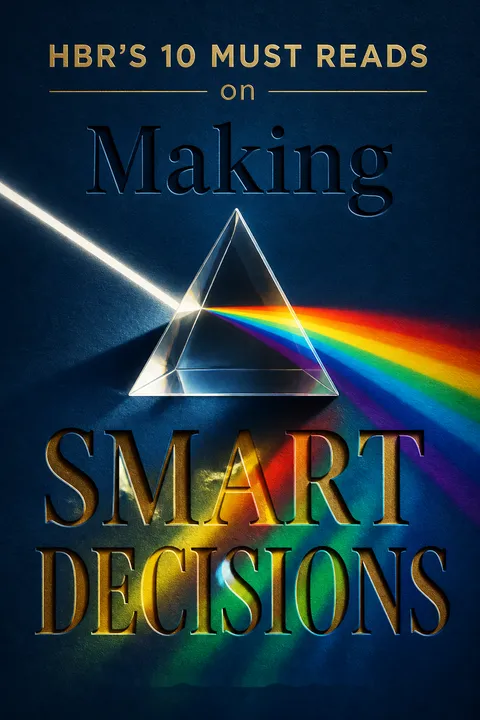

أهم النقاط
1. غالبًا ما تفشل التخطيط الاستراتيجي في دفع اتخاذ قرارات فعالة.
على الرغم من الوقت والجهد الكبيرين اللذين تبذلهما معظم الشركات في التخطيط الاستراتيجي، تشير أبحاثنا إلى أن هذه العملية غالبًا ما تشكل عائقًا أمام اتخاذ قرارات جيدة.
نقاط ضعف التخطيط التقليدي. تستثمر العديد من الشركات مبالغ كبيرة في التخطيط الاستراتيجي، إلا أن العملية غالبًا ما تخفق في تحقيق هدفها المنشود. فبدلًا من تسهيل اتخاذ قرارات فعالة، تتحول إلى تمرين مرهق يستهلك الوقت والموارد دون تحقيق نتائج ملموسة. ينبع هذا الانفصال من عدة عوامل، منها الطابع السنوي للعملية، وتركيزها على وحدات الأعمال الفردية، وغياب آليات واضحة لترجمة الخطط إلى أفعال.
أعراض التخطيط غير الفعال:
- استهلاك وقت مفرط
- مناقشات على مستوى عالٍ ومجردة
- انفصال عن العمليات اليومية
- تأثير محدود على الاستراتيجية الفعلية
الحاجة إلى نهج جديد. لتجاوز هذه القيود، يجب على المؤسسات إعادة التفكير في نهجها تجاه التخطيط الاستراتيجي. عليها الابتعاد عن العمليات الجامدة التي تُفرض من الأعلى، واحتضان أساليب أكثر مرونة وتكرارية ترتبط ارتباطًا وثيقًا باتخاذ القرار. وهذا يتطلب تحولًا في العقلية، من اعتبار التخطيط هدفًا بحد ذاته إلى رؤيته كوسيلة لتحقيق هدف أكبر: قرارات أفضل وأسرع وأكثر فاعلية.
2. التخطيط المستمر والمركز على القضايا أكثر فاعلية.
نتيجة لذلك، لا يؤثر التخطيط الاستراتيجي حقًا على استراتيجية معظم الشركات.
نهج ديناميكي. يتضمن النهج الأكثر فاعلية التخطيط المستمر والمركز على القضايا. وهذا يعني تحديد القضايا الحرجة التي يجب على الشركة معالجتها لتحقيق أهدافها الاستراتيجية، ثم تركيز جهود التخطيط على حل تلك القضايا المحددة. على عكس التخطيط التقليدي الذي يُجرى سنويًا وبشكل منفصل لكل وحدة، فإن هذا النهج مستمر وشامل على مستوى الشركة بأكملها.
السمات الرئيسية:
- مستمر: تُطوَّر الاستراتيجية وتُصقل على مدار العام، وليس فقط خلال فترة تخطيط محددة.
- مركز على القضايا: تُوجَّه جهود التخطيط نحو معالجة تحديات أو فرص استراتيجية محددة.
- شامل للشركة: تشمل العملية وحدات وأقسام متعددة، مما يعزز التعاون والتوافق.
فوائد التخطيط المستمر:
- مرونة أكبر: يمكن للشركة الاستجابة بسرعة لتغيرات السوق والفرص الناشئة.
- تحسين اتخاذ القرار: تتركز جهود التخطيط على القضايا الأكثر أهمية، مما يؤدي إلى قرارات أكثر وعيًا.
- تعزيز التوافق: تعزز العملية التعاون والتنسيق بين وحدات وأقسام الشركة.
3. ربط اتخاذ القرار بالتخطيط لتحقيق نتائج أفضل.
أنشئ آلية تساعدك على تحديد القرارات التي يجب اتخاذها لزيادة قيمة المساهمين.
التخطيط المدفوع بالقرارات. أكثر عمليات التخطيط الاستراتيجي فاعلية هي تلك التي ترتبط ارتباطًا وثيقًا باتخاذ القرار. وهذا يعني أن الهدف الأساسي من التخطيط هو تحديد القرارات الرئيسية التي يجب على الشركة اتخاذها لتحقيق أهدافها الاستراتيجية. وبعد تحديد هذه القرارات، يمكن استخدام عملية التخطيط لوضع خارطة طريق للتنفيذ.
عملية من خطوتين:
- تحديد القرارات الرئيسية: تحديد القرارات الأكثر أهمية لنجاح الشركة.
- تطوير خطة التنفيذ: إعداد خطة مفصلة لتنفيذ تلك القرارات.
نهج شركة بوينغ. تمثل شركة بوينغ للطائرات التجارية نموذجًا لهذا النهج. يجتمع التنفيذيون بانتظام لتحديد القضايا الاستراتيجية الأكثر إلحاحًا وطويلة الأمد للشركة. وبعد اختيار مسار العمل، يقومون بتحديث خطة الأعمال طويلة الأجل مع استراتيجية تنفيذية لذلك القرار. من خلال فصل—ولكن ربط—التخطيط والتنفيذ، تتخذ بوينغ قرارات أسرع وأفضل.
4. التركيز على القضايا الشاملة خلال مناقشات الاستراتيجية.
خلال مناقشات الاستراتيجية، ركز على القضايا التي تمتد عبر وحدات أعمال متعددة.
التعاون عبر الوحدات. يجب أن تركز مناقشات الاستراتيجية على القضايا التي تشمل عدة وحدات وأقسام. هذا يعزز التعاون والتوافق داخل المؤسسة، مما يؤدي إلى حلول أكثر فاعلية. كما يمنع الوحدات الفردية من اتباع استراتيجيات تتعارض مع الاستراتيجية العامة للشركة.
مثال مايكروسوفت. في مواجهة نقص في أفكار الاستثمار، بدأ قادة مايكروسوفت بتحديد قضايا مثل نمو سوق الحواسيب الشخصية والأمن، التي تعتبر حاسمة على مستوى الشركة بأكملها. تركز الحوارات بين قادة الوحدات واللجنة التنفيذية الآن على ما يمكن لمايكروسوفت ككل القيام به لمعالجة كل قضية، وليس على الاستراتيجيات التي يجب أن تضعها الوحدات الفردية. وقد ظهرت العديد من فرص النمو الجديدة.
فوائد التركيز الشامل:
- تحسين التوافق: يضمن أن جميع وحدات الأعمال تعمل نحو نفس الأهداف.
- تعزيز التعاون: يشجع التواصل والتنسيق بين الأقسام.
- زيادة الابتكار: يحفز تطوير حلول تفيد المؤسسة بأكملها.
5. تطوير الاستراتيجية بشكل مستمر على مدار العام.
وزع مراجعات الاستراتيجية على مدار العام بدلاً من حصرها في فترة قصيرة من شهرين إلى ثلاثة أشهر.
استراتيجية على مدار العام. بدلاً من حصر مراجعات الاستراتيجية في وقت محدد من السنة، وزعها على مدار العام. يتيح هذا نهجًا أكثر مرونة واستجابة في التخطيط، مما يمكن الشركة من معالجة القضايا فور ظهورها. كما يمنع أن تصبح عملية التخطيط عنق زجاجة تستهلك وقتًا وموارد مفرطة.
نهج شركة تيكسترون. يقوم التنفيذيون في شركة تيكسترون متعددة الصناعات بمراجعة استراتيجية وحدتين إلى ثلاث وحدات في كل ربع سنة، بدلاً من ضغط جميع مراجعات الوحدات في ربع واحد سنويًا. كما يعقدون مراجعات مستمرة تهدف إلى معالجة كل قضية استراتيجية على جدول أعمال الشركة. كانت تيكسترون في السابق من الشركات المتوسطة بين منافسيها، لكنها أصبحت من أفضل الشركات أداءً خلال 2004–2005.
مزايا المراجعات المستمرة:
- المرونة: يمكن للشركة تعديل استراتيجيتها وفقًا لتغيرات السوق.
- التركيز: تسمح العملية بجهد مركز على القضايا الفردية.
- الكفاءة: توزيع عبء العمل يقلل الضغط على التنفيذيين.
6. هيكلة مراجعات الاستراتيجية لإنتاج نتائج واضحة.
صمم وأجرِ جلسات الاستراتيجية بحيث يتفق المشاركون على الحقائق المتعلقة بكل قضية قبل اقتراح الحلول.
اتخاذ القرار المبني على الحقائق. هيكل مراجعات الاستراتيجية بحيث يتفق المشاركون على الحقائق المتعلقة بكل قضية قبل تقديم الحلول. يساعد هذا في تجنب النقاشات غير المثمرة التي تستند إلى افتراضات أو تفسيرات مختلفة. كما يضمن أن تكون القرارات مبنية على الواقع، لا على أماني أو تخيلات.
عملية تيكسترون المنضبطة. في تيكسترون، تُحل كل قضية استراتيجية من خلال عملية منضبطة:
- الاتفاق على الحقائق: تناقش لجنة الإدارة القضية وتتوصل إلى اتفاق على الحقائق ذات الصلة.
- توليد البدائل: تطرح المجموعة عدة بدائل استراتيجية قابلة للتطبيق.
- التقييم والاختيار: تقيم اللجنة البدائل من الناحيتين الاستراتيجية والمالية وتختار مسار العمل.
فوائد النهج المنظم:
- تحسين الموضوعية: تستند القرارات إلى حقائق وليس آراء.
- وضوح أكبر: يمتلك المشاركون فهمًا مشتركًا للقضية والحلول المقترحة.
- كفاءة أعلى: تكون العملية أكثر تركيزًا وإنتاجية.
7. موازنة النماذج التحليلية مع الحدس والحكم البشري.
يجب أن تكون شخصًا كميًا إذا كنت تدير شركة. التفاصيل الكمية مهمة حقًا.
حدود التحليل. رغم أن النماذج التحليلية أدوات قوية لاتخاذ القرار، لا ينبغي الاعتماد عليها فقط. الحدس والحكم البشري ضروريان أيضًا، خاصة في الحالات التي تكون فيها البيانات غير مكتملة أو غير موثوقة. من المهم فهم الافتراضات التي تقوم عليها النماذج والوعي بحدودها.
اعتبارات رئيسية:
- فهم النموذج: يجب ألا يستخدم المديرون نماذج لا يفهمونها.
- وضوح الافتراضات: يجب توضيح الافتراضات التي تستند إليها النماذج.
- إدارة النموذج: يجب مراقبة النماذج وتحديثها بانتظام.
- دعم بشري: يجب أن يكون هناك قرارون بشريون قادرون على تجاوز النماذج عند الضرورة.
أزمة الرهن العقاري عالي المخاطر. تشكل أزمة الرهن العقاري عالي المخاطر درسًا تحذيريًا حول مخاطر الاعتماد المفرط على النماذج التحليلية. استخدمت العديد من المؤسسات المالية نماذج متقدمة لتقييم مخاطر القروض عالية المخاطر، لكنها فشلت في احتساب احتمال حدوث تراجع واسع في سوق الإسكان. ونتيجة لذلك، تكبدت هذه المؤسسات خسائر فادحة.
8. تعدد وجهات النظر يؤدي إلى نتائج أفضل.
لن تتحسن القرارات، مثل أي نشاط تجاري آخر، دون مراجعة منهجية.
وجهات نظر متنوعة. لاتخاذ أفضل القرارات، من الضروري النظر في وجهات نظر متعددة. وهذا يعني إشراك أشخاص من خلفيات وأقسام ومستويات مختلفة داخل المنظمة في عملية اتخاذ القرار. كما يعني البحث النشط عن الآراء المعارضة وتحدي الافتراضات.
فوائد تعدد وجهات النظر:
- نطاق أوسع من الخيارات: يمكن أن تؤدي وجهات النظر المختلفة إلى اكتشاف حلول جديدة ومبتكرة.
- تحسين التحليل: تساعد وجهات النظر المتنوعة في كشف العيوب المحتملة في التحليل.
- زيادة الالتزام: إشراك المزيد من الأشخاص في اتخاذ القرار يعزز التزامهم بالنتيجة.
المراجعة المنهجية. لن تتحسن القرارات، مثل أي نشاط تجاري آخر، دون مراجعة منهجية. إذا لم تعرف أي من قراراتك هي الأهم، فلن تتمكن من تحديد أولويات التحسينات. إذا لم تعرف كيف تُتخذ القرارات في شركتك، فلن تستطيع تغيير عملية اتخاذها. وإذا لم تقيم نتائج التغييرات التي أجريتها، فمن غير المرجح أن تحقق قرارات أفضل.
ملخص المراجعات
يحظى كتاب "أفضل 10 مقالات من هارفارد بيزنس ريفيو حول اتخاذ القرارات الذكية" بتقييمات متباينة، حيث يبلغ متوسط تقييمه 3.74 من 5. يثمن القراء الأفكار التي يقدمها حول الانحيازات المعرفية وعمليات اتخاذ القرار داخل المؤسسات، معتبرينه مرجعًا قيمًا لقادة الأعمال. ومع ذلك، ينتقد البعض تركيزه على الشركات الكبرى والأمثلة القديمة التي قد لا تعكس الواقع الحالي. من نقاط القوة في الكتاب نصائح عملية لتحسين عمليات اتخاذ القرار وتجنب الأخطاء الشائعة. بيد أن بعض القراء يرون أنه يفتقر إلى استراتيجيات خاصة باتخاذ القرارات الشخصية ويحتوي على محتوى غير ذي صلة. وبشكل عام، يُعد الكتاب مصدرًا مفيدًا لصانعي القرار في المؤسسات، رغم بعض القيود التي يعاني منها.
قرأ الآخرون أيضًا




الأسئلة الشائعة
What’s "HBR’s 10 Must Reads on Making Smart Decisions" about?
- Curated HBR Collection: This book is a compilation of the most influential Harvard Business Review articles on decision making, selected to help leaders and managers make better, smarter choices.
- Focus on Decision Quality: It explores the psychological, organizational, and process-related factors that impact decision quality in business settings.
- Practical Tools and Frameworks: The book provides actionable frameworks, checklists, and real-world examples to help readers recognize and overcome common decision-making pitfalls.
- Broad Range of Topics: Articles cover everything from cognitive biases and groupthink to organizational culture, ethical blind spots, and strategic planning.
Why should I read "HBR’s 10 Must Reads on Making Smart Decisions"?
- Improve Decision Outcomes: The book equips readers with tools to avoid common errors and make more effective, reliable decisions.
- Learn from Experts: It features insights from leading thinkers like Daniel Kahneman, Ram Charan, and Thomas H. Davenport.
- Applicable Across Roles: Whether you’re a senior executive or aspiring manager, the lessons are relevant to anyone involved in business decisions.
- Enhance Organizational Performance: By applying the book’s advice, organizations can boost execution, innovation, and competitive advantage.
What are the key takeaways from "HBR’s 10 Must Reads on Making Smart Decisions"?
- Awareness of Biases: Recognizing and mitigating cognitive biases is essential for sound decision making.
- Decision as Process: Effective decisions are the result of robust processes, not isolated events or individual genius.
- Importance of Dialogue: Open, candid, and structured dialogue leads to better group decisions and organizational cultures.
- Role Clarity: Clearly defining who is responsible for each part of a decision (using models like RAPID) prevents bottlenecks and confusion.
What are the most common psychological traps in decision making, according to "The Hidden Traps in Decision Making" by Hammond, Keeney, and Raiffa?
- Anchoring Trap: Over-reliance on the first piece of information received, which skews subsequent judgments.
- Status-Quo Trap: Preference for maintaining current conditions, even when better alternatives exist.
- Sunk-Cost Trap: Continuing a course of action to justify past investments, rather than making rational choices.
- Confirming-Evidence Trap: Seeking out information that supports existing beliefs and ignoring contradictory data.
- Additional Traps: Framing, overconfidence, prudence, and recallability also distort decision making.
How does Daniel Kahneman’s 12-question checklist help reduce bias in team recommendations?
- Systematic Bias Detection: The checklist helps leaders identify self-interest, groupthink, overconfidence, and other biases in team proposals.
- Structured Review Process: It encourages decision makers to challenge assumptions, seek dissenting opinions, and consider credible alternatives.
- Data and Analogy Scrutiny: Questions prompt teams to examine the sources of their data, the relevance of analogies, and the adequacy of information.
- Promotes Outside View: The checklist pushes teams to take an “outside view” and consider scenarios, risks, and competitor responses.
What is the RAPID decision-making model described by Rogers and Blenko, and how does it clarify decision roles?
- Five Key Roles: RAPID stands for Recommend, Agree, Perform, Input, and Decide, each representing a distinct responsibility in the decision process.
- Prevents Bottlenecks: Assigning clear roles ensures decisions don’t stall due to ambiguity or overlapping authority.
- Focuses on Accountability: The “D” (Decide) is the single point of accountability, bringing closure and commitment to action.
- Adaptable Across Organizations: RAPID can be applied to strategic, operational, and cross-functional decisions to improve speed and effectiveness.
How can organizations avoid a culture of indecision, according to Ram Charan’s article?
- Foster Decisive Dialogue: Leaders must model and encourage open, honest, and constructive conversations that surface real issues.
- Design Social Operating Mechanisms: Regular, structured meetings and reviews should be built around candor, informality, and closure.
- Link Feedback and Follow-Through: Performance reviews and feedback must be candid, ongoing, and tied to execution and accountability.
- Address Dialogue Killers: Leaders should watch for and correct behaviors like information hoarding, lack of closure, and silent dissent.
What are the main causes of catastrophic business failures, as discussed in "How to Avoid Catastrophe" by Tinsley, Dillon, and Madsen?
- Ignoring Near Misses: Organizations often overlook small failures or close calls, misinterpreting them as signs of resilience rather than warnings.
- Cognitive Biases: Normalization of deviance and outcome bias blind managers to underlying risks and latent errors.
- Lack of Root Cause Analysis: Focusing on symptoms rather than investigating and correcting root causes allows problems to persist.
- Failure to Reward Reporting: Without incentives to surface near misses, employees may hide issues, increasing the risk of disaster.
What is the difference between advocacy and inquiry in group decision making, as explained by Garvin and Roberto?
- Advocacy: Participants argue for their preferred solutions, often leading to entrenched positions, suppressed dissent, and poor decisions.
- Inquiry: The group collaboratively explores multiple alternatives, encourages critical thinking, and values dissenting views.
- Constructive Conflict: Inquiry promotes cognitive (idea-based) conflict while minimizing affective (personal) conflict.
- Fairness and Closure: Effective inquiry ensures participants feel heard and leads to timely, well-supported decisions.
How does "HBR’s 10 Must Reads on Making Smart Decisions" address ethical blind spots in managerial decision making?
- Unconscious Biases: The book highlights how implicit prejudice, in-group favoritism, overclaiming credit, and conflicts of interest can unconsciously skew decisions.
- Data and Environment: It recommends collecting data to reveal biases and shaping environments to counteract stereotypes.
- Broadened Perspective: Managers are encouraged to use tools like the “veil of ignorance” and to consider counterintuitive options.
- Vigilance Over Intent: Ethical decision making requires ongoing vigilance and self-audit, not just good intentions.
What practical steps does Thomas H. Davenport recommend for improving organizational decision making?
- Identify and Prioritize Decisions: List the most important decisions for strategy execution and business success.
- Inventory Decision Factors: Assess who is involved, what information is available, and how decisions are currently made.
- Intervene and Redesign: Create new roles, processes, and systems to support better decision making, including centers of excellence or decision experts.
- Institutionalize and Review: Provide ongoing tools and training, and regularly assess both outcomes and processes for continuous improvement.
What are the best quotes from "HBR’s 10 Must Reads on Making Smart Decisions" and what do they mean?
- “Forewarned is forearmed.” (Hammond, Keeney, Raiffa): Awareness of psychological traps is the first step to avoiding them in decision making.
- “Leaders get the behavior they tolerate.” (Ram Charan): Organizational culture and decisiveness are shaped by what leaders allow and reinforce.
- “Decisions are the coin of the realm in business.” (Rogers & Blenko): Every business outcome is the result of a decision, making decision quality central to performance.
- “The art of management is the art of making meaningful generalizations out of inadequate facts.” (Dean Stanley Teele, cited by Garvin & Roberto): Managers must often make decisions with incomplete information, balancing analysis with judgment.
- “Only those who understand their own potential for unethical behavior can become the ethical decision makers that they aspire to be.” (Banaji, Bazerman, Chugh): Recognizing one’s own biases is essential for ethical leadership and sound decisions.

تحميل PDF
تحميل EPUB
.epub digital book format is ideal for reading ebooks on phones, tablets, and e-readers.








































