أهم النقاط
1. الدماغ اللاواعي هو المحرك الأساسي لمعظم سلوكياتنا
هناك من يسكن في رأسي، لكنه ليس أنا.
السيطرة لللاوعي. عقولنا الواعية تلعب دورًا أقل بكثير في أفكارنا وأفعالنا مما نعتقد عادةً. فمعظم سلوكياتنا، من الحركات الحركية البسيطة إلى اتخاذ القرارات المعقدة، تنبع من عمليات عصبية تحدث تحت مستوى الوعي الواعي.
تأثيرات خفية كثيرة. عوامل مثل الجينات، الهرمونات، الناقلات العصبية، والتجارب السابقة تشكل سلوكياتنا بطرق لا ندركها بوعي. حتى التغيرات الطفيفة في كيمياء الدماغ أو نشاطه العصبي يمكن أن تؤثر بشكل عميق على الشخصية والسلوك، كما نرى في حالات إصابات الدماغ أو الاضطرابات النفسية.
الوعي محدود. نحن ندرك وعيًا جزءًا ضئيلاً جدًا من نشاط دماغنا. تجربتنا الواعية أشبه بـ"عنوان صحيفة" مبسط يلخص تعقيدات عمل أجهزتنا العصبية، وليس سردًا كاملاً لعملياتنا الذهنية.
2. الإدراك هو واقع مُصنع، وليس تمثيلًا موضوعيًا
نحن ندرك القليل جدًا مما هو "خارجنا".
الدماغ يصنع واقعنا. ما نراه كعالم خارجي هو في الحقيقة بناء داخلي يصنعه دماغنا. حواسنا لا تسجل البيئة بشكل سلبي، بل تفسر البيانات الحسية المحدودة بنشاط لتوليد تجربتنا الذاتية.
الإدراك هو توقع. الدماغ يصنع توقعات مستمرة عن العالم بناءً على تجارب سابقة ونماذج داخلية. هذه التوقعات تشكل ما ندركه، وغالبًا ما تملأ الفجوات أو تتجاهل التناقضات لتكوين تجربة متماسكة.
الأوهام تكشف عن حدود الإدراك. الأوهام البصرية وظواهر مثل "عمى التغير" تظهر كيف يمكن لإدراكنا أن ينحرف عن الواقع الموضوعي. هذه الحدود في الإدراك عادة ما تكون تكيفية، تسمح لنا بالتركيز على المعلومات المهمة، لكنها أحيانًا تقودنا إلى الخطأ.
3. العقل الواعي له وصول محدود إلى عمليات اتخاذ القرار لدينا
نحن لسنا من يقود سفينة سلوكنا، على الأقل ليس بقدر ما نعتقد.
القرارات تسبق الوعي. أبحاث علم الأعصاب تشير إلى أن أدمغتنا تبدأ باتخاذ القرارات قبل أن نصبح واعين بها. هذا يتحدى الفكرة البديهية بأن أفكارنا الواعية هي المحرك الأساسي لاختياراتنا.
التبرير شائع. كثيرًا ما نختلق تفسيرات بعدية لسلوكياتنا، دون أن نكون على دراية بالدوافع اللاواعية الحقيقية وراءها. يظهر هذا بوضوح في مرضى "انفصال نصفي الدماغ" الذين يختلقون أسبابًا لأفعال يقودها نصف دماغهم المنفصل.
التحيزات الضمنية تؤثر علينا. أحكامنا وسلوكياتنا تتشكل بواسطة ارتباطات ومواقف لاواعية قد لا ندركها حتى. هذه التحيزات الضمنية تؤثر على كل شيء من قرارات التوظيف إلى العلاقات الشخصية.
4. أدمغتنا تتكون من أنظمة فرعية متنافسة
أنا كبير، وأحتوي على عوالم متعددة.
الدماغ كديمقراطية. بدلًا من وجود "ذات" موحدة، يتألف دماغنا من أنظمة عصبية متعددة، أحيانًا متنافسة. هذه "الفصائل" المختلفة في الدماغ غالبًا ما تمتلك أهدافًا وأولويات متضاربة.
النظام العاطفي مقابل النظام العقلاني. مثال رئيسي على الأنظمة المتنافسة هو التفاعل بين عمليات اتخاذ القرار العاطفية والعقلانية. هذه الأنظمة قد تؤدي إلى صراعات داخلية، مثل التفكير بين المكافآت الفورية والمكافآت طويلة الأمد.
التكامل هو الأساس. قد يعمل الوعي كحكم بين هذه الأنظمة المتنافسة، يساعد على دمج المعلومات وحل النزاعات لإنتاج سلوك متماسك. اضطرابات مثل اضطراب الهوية التفارقي أو بعض أشكال إصابات الدماغ يمكن أن تعطل هذا التكامل.
5. السلوك البشري ينبثق من تفاعلات معقدة بين الجينات والبيئة
ترث مخططًا جينيًا وتولد في عالم لا تختار فيه خلال سنواتك التكوينية.
الطبيعة والتنشئة متشابكتان. السلوك لا يتحدد فقط بالجينات أو البيئة منفردة، بل بتفاعلات معقدة بينهما. الاستعدادات الجينية قد تتعزز أو تخفت بفعل العوامل البيئية.
علم التخلق الوراثي يزيد التعقيد. التأثيرات البيئية يمكن أن تغير تعبير الجينات دون تغيير تسلسل الحمض النووي، مما يطمس الحدود بين الطبيعة والتنشئة. هذا يعني أن التجارب يمكن أن تترك آثارًا دائمة على السلوك عبر الأجيال.
الاختلافات الفردية تنشأ. تعقيد تفاعلات الجينات والبيئة يفسر لماذا يستجيب الأفراد بشكل مختلف لنفس الظروف، ولماذا يمكن للتوائم المتماثلة أن تطور شخصيات مميزة.
6. الإرادة الحرة ومسألة اللوم مفاهيم إشكالية في ضوء علم الأعصاب
اللوم هو السؤال الخاطئ.
الحتمية مقابل الوكالة. نتائج علم الأعصاب تتحدى المفاهيم التقليدية للإرادة الحرة، مشيرة إلى أن أفعالنا محددة بأسباب سابقة (حالات الدماغ، الجينات، البيئة) خارجة عن سيطرتنا الواعية.
تداعيات قانونية. هذا يطرح أسئلة صعبة على أنظمة العدالة الجنائية المبنية على مفاهيم المسؤولية الشخصية والعقاب المستحق. إذا كانت أفعالنا نتاج عوامل خارجة عن إرادتنا، فكيف يمكن تحميلنا اللوم حقًا؟
إعادة التفكير في العدالة. قد يركز النهج المستند إلى علم الأعصاب في العدالة أكثر على الوقاية، وإعادة التأهيل، وحماية المجتمع بدلاً من الانتقام. وهذا قد يؤدي إلى سياسات جنائية أكثر فاعلية وإنسانية.
7. فهم الدماغ يمكن أن يؤدي إلى سياسات اجتماعية أكثر فاعلية
لا يمكن اختزال نظرية ذات مغزى في علم الأحياء البشرية إلى الكيمياء والفيزياء فقط، بل يجب فهمها بمفرداتها الخاصة من التطور، المنافسة، المكافأة، الرغبة، السمعة، الطمع، الصداقة، الثقة، الجوع، وغيرها.
سياسات قائمة على الأدلة. يمكن أن توجه رؤى علم الأعصاب إلى أساليب أكثر فاعلية في التعليم، وعلاج الصحة النفسية، والتعافي من الإدمان، وإعادة تأهيل المجرمين.
تدخلات مخصصة. فهم الفروق الفردية في وظائف الدماغ يساعد على تصميم تدخلات أكثر تخصيصًا ونجاحًا لمشكلات السلوك والصحة النفسية.
اعتبارات أخلاقية. مع تزايد قدرتنا على التأثير وربما التلاعب بوظائف الدماغ، يجب أن نأخذ بعين الاعتبار بعناية الأبعاد الأخلاقية لتطبيق المعرفة العصبية في السياسات الاجتماعية.
8. الوعي قد يكون خاصية ناشئة من أنظمة عصبية معقدة
الوعي هو أصغر لاعب في عمليات الدماغ.
ظاهرة ناشئة. قد ينشأ الوعي من التفاعلات المعقدة بين الأنظمة العصبية، بدلاً من أن يكون مركزًا محددًا في الدماغ أو قابلًا للاختزال إلى خلايا عصبية منفردة.
ميزة تطورية. قد يعمل الوعي كنظام تحكم عالي المستوى، يسمح باتخاذ قرارات مرنة والتحكيم بين الأنظمة العصبية المتنافسة.
درجات الوعي. الوعي ليس حالة مطلقة بل على الأرجح موجود على طيف يمتد عبر أنواع مختلفة وحتى داخل الإنسان نفسه في ظروف متنوعة.
9. علم الأعصاب يتحدى المفاهيم التقليدية للطبيعة البشرية والذات
لقد تم إسقاطنا من مركز تصورنا لأنفسنا، وعالم أكثر روعة يبدأ في الظهور.
إعادة تعريف الطبيعة البشرية. تدفعنا رؤى علم الأعصاب إلى إعادة النظر في الأفكار الفلسفية والثقافية القديمة حول الطبيعة البشرية، الإرادة الحرة، والهوية الشخصية.
توسيع فهم الذات. رغم أن هذه النتائج قد تبدو كأنها تقلل من الوكالة البشرية، إلا أنها تقدم رؤية أكثر تعقيدًا وربما تمكينية للسلوك البشري وإمكاناته.
أسئلة أخلاقية ووجودية. مع كشفنا عن آليات الدماغ، يجب أن نواجه أسئلة عميقة حول الوعي، الهوية، ومكانتنا في الكون.
ملخص المراجعات
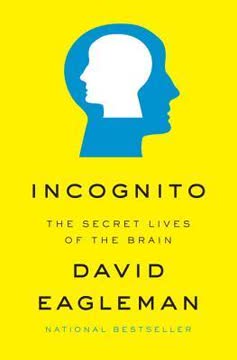
يستكشف كتاب "مجهول الهوية" العمليات الخفية التي تدور في أروقة الدماغ، متحديًا فهم القارئ لمفهومي الإرادة الحرة والوعي. يقدم ديفيد إيجلمان دراسات حالة وتجارب مثيرة توضح كيف تشكل العمليات اللاواعية سلوكنا وقراراتنا. بينما وجد بعض النقاد أن الكتاب يثير التفكير ويضيء جوانب جديدة، انتقده آخرون لتبسيطه المفرط لمواضيع معقدة. وقد حظي أسلوب الكاتب بالثناء لقدرته على جعل علم الأعصاب في متناول الجمهور العام. كما أعرب العديد من القراء عن تقديرهم لما يحمله الكتاب من دلالات لفهم السلوك البشري وإمكانية تطبيقاته في مجالات مثل العدالة الجنائية.
قرأ الآخرون أيضًا
 تجربة غامرة

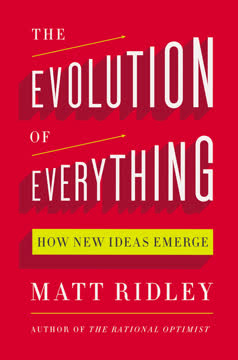
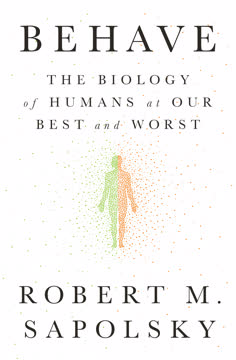
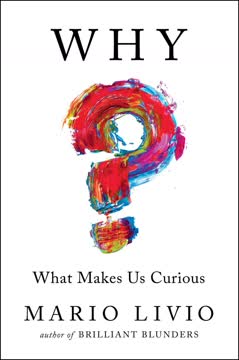

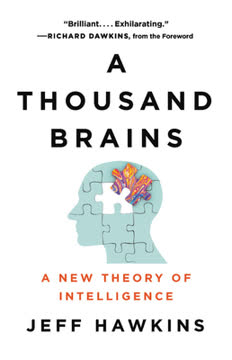
الأسئلة الشائعة
What's Incognito: The Secret Lives of the Brain about?
- Exploration of the subconscious: The book delves into the hidden workings of the brain, emphasizing that much of our behavior and thought processes occur outside of conscious awareness.
- Neuroscience and psychology: David Eagleman combines insights from neuroscience with psychological concepts to explain how our brains operate, often without our conscious input.
- Implications for human behavior: It discusses how understanding these subconscious processes can illuminate various aspects of human behavior, including decision-making, attraction, and morality.
Why should I read Incognito: The Secret Lives of the Brain?
- Insight into human nature: Reading this book provides a deeper understanding of the complexities of the human mind and the subconscious influences on our actions.
- Engaging storytelling: Eagleman presents scientific concepts in an accessible and engaging manner, making complex ideas relatable and easy to understand.
- Practical applications: The insights gained can be applied to everyday life, enhancing self-awareness and understanding of others' behaviors.
What are the key takeaways of Incognito: The Secret Lives of the Brain?
- Subconscious control: A significant portion of our thoughts and actions are governed by subconscious processes, which operate independently of our conscious mind.
- Team of rivals: The brain functions as a "team of rivals," with different neural circuits competing for control over our thoughts and actions, leading to internal conflicts.
- Evolutionary programming: Many of our instincts and preferences are hardwired into our brains through evolutionary processes, shaping our perceptions and behaviors.
What are the best quotes from Incognito: The Secret Lives of the Brain and what do they mean?
- “There’s someone in my head, but it’s not me.” This quote encapsulates the idea that much of our mental life is governed by subconscious processes that we are not aware of, highlighting the complexity of self-awareness.
- “Most of what we do and think and feel is not under our conscious control.” This emphasizes the extent to which our subconscious influences our behavior, suggesting that we often misattribute our actions to conscious decision-making.
- “In each of us there is another whom we do not know.” This reflects the idea that our subconscious holds parts of ourselves that we may not fully understand or recognize, pointing to the multifaceted nature of identity.
How does David Eagleman explain the concept of the subconscious in Incognito?
- Neural processes: Eagleman describes the subconscious as a collection of neural processes that operate without conscious awareness, influencing our thoughts and actions.
- Automatic functions: Many behaviors, such as driving or playing an instrument, become automatic through practice, allowing the subconscious to take over while the conscious mind focuses on other tasks.
- Conflict and competition: The subconscious is not a single entity but rather a collection of competing systems that can lead to internal conflicts, as different parts of the brain vie for control over our actions.
What is the "team of rivals" concept in Incognito: The Secret Lives of the Brain?
- Multiple systems: Eagleman posits that the brain consists of multiple systems that compete for control over our thoughts and behaviors, akin to a political system with rival parties.
- Internal conflicts: This competition can lead to internal conflicts, where different neural circuits may have opposing goals, resulting in feelings of indecision or ambivalence.
- Dynamic interactions: The interactions among these rival systems allow for flexibility and adaptability in behavior, as the brain can draw on different resources depending on the situation.
How does Incognito address the relationship between consciousness and decision-making?
- Limited access: Eagleman argues that our conscious mind has limited access to the vast array of processes occurring in the brain, which often dictate our decisions.
- Influence of emotions: Emotional responses can heavily influence decision-making, often overriding rational thought processes, leading to choices that may not align with our conscious intentions.
- Ulysses contracts: The book discusses how individuals can create "Ulysses contracts" to bind their future selves to decisions made in a more rational state, illustrating the struggle between immediate desires and long-term goals.
How does David Eagleman define consciousness in Incognito?
- Consciousness as a Small Part: Eagleman argues that consciousness is just a small fraction of our overall mental processes, primarily serving to narrate and justify actions initiated by unconscious systems.
- Conflict and Competition: He describes consciousness as a battleground for competing neural systems, where different impulses vie for control.
- Narrative Construction: The conscious mind is portrayed as a storyteller that fabricates explanations for our actions, often without awareness of the true influences at play.
How does Incognito relate neuroscience to the legal system?
- Neuroscience and Responsibility: Eagleman argues that insights from neuroscience should inform our understanding of moral responsibility and culpability.
- Revising Punishment Approaches: The book suggests that the legal system should shift from a focus on blameworthiness to a more evidence-based approach that considers the underlying neurobiology of criminal behavior.
- Future of Legal Policy: Eagleman envisions a future where neuroscience plays a central role in shaping legal policies, allowing for a more nuanced understanding of human behavior.
What role do secrets play in Incognito: The Secret Lives of the Brain?
- Neurobiological Perspective: Eagleman explores the concept of secrets from a neurobiological standpoint, suggesting that they arise from conflicts between different parts of the brain.
- Health Implications: The book discusses research indicating that keeping secrets can be detrimental to mental health, leading to increased stress and anxiety.
- Social Dynamics: Eagleman highlights the social aspects of secrets, noting that people often feel more comfortable sharing their secrets with strangers.
What are the implications of the team-of-rivals framework for understanding mental disorders in Incognito?
- Complexity of Disorders: The team-of-rivals framework helps explain the complexity of mental disorders by illustrating how competing neural systems can lead to maladaptive behaviors.
- Treatment Approaches: By recognizing that mental disorders may arise from conflicts between different brain systems, we can develop targeted treatment strategies.
- Rethinking Responsibility: Understanding mental disorders through this lens raises important questions about personal responsibility, suggesting individuals may have less control over their actions.
How does Incognito explain the phenomenon of "blindsight"?
- Unconscious visual processing: Blindsight refers to the ability of individuals with damage to their primary visual cortex to respond to visual stimuli without conscious awareness of seeing.
- Subcortical pathways: Eagleman explains that even when conscious vision is impaired, subcortical pathways can still process visual information.
- Implications for understanding consciousness: Blindsight challenges traditional notions of consciousness, suggesting that awareness is not a prerequisite for visual processing.