أهم النقاط
1. العزلة تغذي الإبداع واكتشاف الذات
لا يستطيع الطفل أن يكتشف حياته الشخصية إلا عندما يكون وحيدًا (أي بحضور شخص ما).
القدرة على العزلة: إن القدرة على التواجد بمفردنا تُعد من الجوانب الأساسية للنضج العاطفي والتطور الإبداعي. تُنمى هذه المهارة في الطفولة حين يشعر الطفل بالأمان الكافي ليستكشف عالمه الداخلي، بينما يكون الراعي حاضرًا لكنه غير متدخل.
فوائد العزلة:
- تسهيل التأمل الذاتي والاستبطان
- السماح بالتركيز المتواصل على الأنشطة الإبداعية
- تعزيز تطوير صوت فريد ومنظور خاص
- تمكين معالجة التجارب والمشاعر
لا ينبغي الخلط بين العزلة والوحدة أو الانعزال الاجتماعي، بل هي حالة اختيارية تسمح للفرد بالاتصال بأعمق أفكاره ومشاعره، مما يعزز النمو الشخصي والتعبير الإبداعي.
2. الفقدان المبكر والعزلة يغذيان الخيال
الكتابة ليست مهنة بل دعوة للحزن.
الإبداع التعويضي: يمكن أن تؤدي التجارب المبكرة من الفقدان أو الانفصال أو العزلة إلى تطوير عوالم داخلية غنية كآلية للتكيف. وغالبًا ما يترجم ذلك إلى زيادة في القدرة الإبداعية والخيالية في مرحلة البلوغ.
أمثلة على كتّاب تأثروا بالفقدان المبكر:
- إدوارد لير: انفصل عن والدته في سن الرابعة
- روديارد كيبلينغ: أُبعد عن والديه في سن السادسة
- بي. جي. وودهوس: تنقل بين الرعاة في طفولته المبكرة
رغم أن هذه التجارب قد تكون مؤلمة، إلا أنها قد تتحول إلى محفز لتطوير منظور فريد وقدرة خيالية قوية. فخلق عوالم أو شخصيات خيالية يمكن أن يصبح مصدر راحة وطريقة لمعالجة المشاعر المعقدة.
3. الاكتئاب والفقدان يلهمان الشفاء الإبداعي
الكتابة شكل من أشكال العلاج؛ وأحيانًا أتساءل كيف ينجو أولئك الذين لا يكتبون أو يؤلفون أو يرسمون من الجنون، والكآبة، والخوف الهستيري الملازم للحالة الإنسانية.
الشفاء الإبداعي: يستخدم العديد من الفنانين والكتّاب أعمالهم كوسيلة لمعالجة الحزن والفقدان والاكتئاب. يمكن أن يكون هذا الإبداع شكلاً من أشكال العلاج الذاتي والإصلاح العاطفي.
وظائف التعبير الإبداعي في التكيف:
- يمنح شعورًا بالسيطرة والإتقان
- يسمح باستكشاف ودمج المشاعر الصعبة
- يخلق معنى من التجارب المؤلمة
- يوفر وسيلة للتعبير عن المشاعر المعقدة
من الأمثلة البارزة "في الذاكرة" لتينيسون، التي كتبها ردًا على وفاة صديقه، وأعمال بيتهوفن الأخيرة التي ألفها أثناء معاناته من الصمم والعزلة.
4. البحث عن التماسك يحفز المبدعين الانطوائيين
من الجيد أنني لم أسمح لنفسي بالتأثر.
العقول الباحثة عن النمط: غالبًا ما يظهر المبدعون الانطوائيون دافعًا قويًا لإيجاد النظام، والتماسك، والمعنى في عوالمهم الداخلية والخارجية. يمكن أن يصبح هذا السعي للفهم محور عملهم وحياتهم.
خصائص المبدعين الانطوائيين:
- تركيز مكثف على العمليات الفكرية الداخلية
- تفضيل العزلة والتفاعل الاجتماعي المحدود
- رغبة قوية في الاستقلالية والاعتماد على الذات
- ميل لتطوير أنظمة أو نظريات شاملة
من الأمثلة الفلاسفة مثل كانط وفيتجنشتاين، الذين كرسوا حياتهم لتطوير أنظمة فلسفية متماسكة، غالبًا على حساب العلاقات الشخصية.
5. الاهتمامات والعمل يوفران إشباعًا يتجاوز العلاقات
لذلك أرى أنه لا شيء أفضل من أن يفرح الإنسان بأعماله؛ فهي نصيبه، فمن الذي سيُريه ما بعده؟
مصادر بديلة للمعنى: رغم أن العلاقات الشخصية غالبًا ما تُعتبر المصدر الأساسي للرضا في الحياة، يجد كثير من الأفراد إشباعًا عميقًا من خلال عملهم واهتماماتهم ومساعيهم الإبداعية.
طرق مساهمة العمل والاهتمامات في الرفاهية:
- توفير شعور بالهدف والاتجاه
- إتاحة فرص للنمو الشخصي والتعبير عن الذات
- خلق إحساس بالإتقان والإنجاز
- السماح بتطوير هوية فريدة
تتحدى هذه النظرة الفكرة القائلة بأن العلاقات الوثيقة هي الطريق الوحيد للسعادة، وتقترح أن الحياة المتوازنة يمكن أن تشمل كلا من الروابط الشخصية والمساعي الفردية.
6. الأفراد المبدعون يمرون بفترات تطور مميزة
لا يُمنح المستمع أي شيء، ولا يُبذل جهد لجذب انتباهه أو الحفاظ عليه. بدلاً من ذلك، يتواصل المؤلف مع نفسه أو يتأمل رؤيته للواقع، مفكرًا (كما لو) بصوت عالٍ ومهتمًا فقط بجوهر أفكاره الخالصة والعمليات الموسيقية التي غالبًا ما يصعب تمييزها عن تلك الأفكار.
التطور الإبداعي: يمر العديد من الفنانين والمفكرين بمراحل مميزة في تطورهم الإبداعي، غالبًا ما تُصنف إلى فترات مبكرة، وسطى، ومتأخرة.
خصائص الفترات الإبداعية:
- المبكرة: تعلم وإتقان التقنيات، بتأثير من السابقين
- الوسطى: تطوير صوت فريد، مع تركيز على التواصل والاعتراف
- المتأخرة: زيادة الاستبطان، التجريب في الشكل، قلة الاهتمام بالجمهور
من الأمثلة على ذلك رباعيات بيتهوفن المتأخرة وروايات هنري جيمس الأخيرة، التي تظهر تحولًا واضحًا عن الأساليب السابقة وتركيزًا على الاستكشاف الداخلي بدلاً من التواصل الخارجي.
7. السعي نحو الكمال هو دافع إنساني أساسي
الحب هو ببساطة اسم للرغبة والسعي نحو الكمال.
التجارب الموحدة: يظهر الرغبة الإنسانية في الكمال بطرق متعددة، من الحب الرومانسي إلى التجارب الصوفية للوحدة مع الكون.
أنواع التجارب الموحدة:
- الوقوع في الحب
- النشوة الدينية أو الروحية
- لحظات البصيرة الفنية أو العلمية العميقة
- مشاعر الاتصال بالطبيعة
تشترك هذه التجارب في عناصر مشتركة، مثل الشعور بالتسامى، فقدان حدود الأنا، والإحساس بالانسجام مع الذات والعالم. ورغم أنها غالبًا ما تُثار بعوامل خارجية، إلا أنها تعكس حالة داخلية من التكامل والكمال التي يراها الكثيرون الهدف الأسمى للوجود الإنساني.
قرأ الآخرون أيضًا





الأسئلة الشائعة
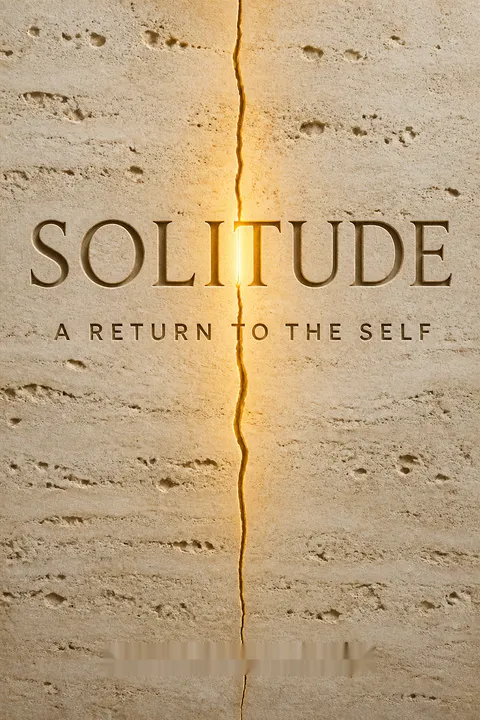
What's Solitude: A Return to the Self about?
- Exploration of Solitude's Value: The book examines how solitude fosters creativity and self-discovery, contrasting it with the modern focus on interpersonal relationships.
- Creative Individuals' Preference: Storr highlights how thinkers like Descartes and Newton thrived in solitude, suggesting it can be a source of happiness and fulfillment.
- Critique of Psychoanalysis: The author challenges the psychoanalytic view that happiness is solely derived from relationships, emphasizing the importance of personal interests and solitary pursuits.
Why should I read Solitude: A Return to the Self?
- Insight into Creativity: The book offers valuable insights into how solitude enhances creativity, essential for anyone interested in the creative process.
- Challenging Conventional Wisdom: It questions the belief that happiness is primarily found in relationships, encouraging a reevaluation of solitude's role in personal fulfillment.
- Historical and Philosophical Context: Storr uses historical examples and philosophical arguments to enrich understanding of solitude's role throughout history.
What are the key takeaways of Solitude: A Return to the Self?
- Solitude as Happiness: Solitude can lead to profound happiness and self-understanding, contrary to the belief that it equates to loneliness.
- Balance in Life: Storr emphasizes the need for a balance between personal relationships and impersonal interests for a fulfilling life.
- Creativity in Solitude: Many creative individuals find their best work emerges from solitude, highlighting its importance for personal growth.
What are the best quotes from Solitude: A Return to the Self and what do they mean?
- “Conversation enriches the understanding...”: This quote underscores that while social interactions are valuable, solitude is essential for deep thinking and creativity.
- “The burden of value...”: Storr suggests that over-relying on relationships for happiness can lead to disappointment, advocating for a broader view of fulfillment.
- “We must reserve a little back-shop...”: Emphasizes the necessity of personal space and time for self-reflection, vital for mental health and creativity.
How does Anthony Storr define solitude in Solitude: A Return to the Self?
- Positive State: Solitude is defined as a state of being alone that can lead to self-discovery and creativity, not as loneliness.
- Contrast with Isolation: Solitude is a choice fostering growth, while isolation is often imposed and detrimental.
- Essential for Creativity: Solitude is crucial for the creative process, allowing deep engagement with thoughts and ideas.
How does Solitude: A Return to the Self relate solitude to creativity?
- Catalyst for Creativity: Solitude acts as a catalyst, allowing individuals to tap into their imagination and produce their best work.
- Psychological Mechanism: Solitude enables deep reflection and imaginative thought, often hindered in social settings.
- Historical Examples: Figures like Kafka and Beethoven illustrate how isolation can lead to significant artistic breakthroughs.
How does Anthony Storr critique modern views on relationships in Solitude: A Return to the Self?
- Overemphasis on Relationships: Storr critiques the belief that happiness is solely derived from intimate relationships, calling it limiting.
- Value of Impersonal Interests: He emphasizes the importance of solitary pursuits, suggesting they provide significant fulfillment.
- Cultural Shift: Societal changes have increased anxiety about relationships, advocating for a balanced view that includes solitude.
What psychological theories does Anthony Storr reference in Solitude: A Return to the Self?
- Psychoanalytic Critique: Storr critiques Freud's focus on relationships as the primary happiness source, highlighting solitude's value.
- Jungian Concepts: He incorporates Jung's ideas of introversion and extraversion, exploring how temperaments relate to solitude.
- Object-Relations Theory: Discusses how early relationships shape personality, arguing solitude helps reconcile past experiences.
How does Solitude: A Return to the Self address the concept of introversion?
- Introversion and Creativity: Introverts may thrive in solitude, using it for creativity and reflection, finding fulfillment in their inner worlds.
- Psychological Resilience: Introverts develop resilience through solitary experiences, leading to deeper self-understanding.
- Cultural Implications: Storr argues society undervalues introverts' contributions, advocating for appreciating solitude's strengths.
How does childhood experience play into the themes of Solitude: A Return to the Self?
- Impact of Isolation: Childhood isolation can influence creativity, with solitary children developing rich inner lives.
- Formation of Identity: Solitude helps children form a coherent sense of self, crucial for development.
- Long-term Effects: Childhood solitude impacts adult relationships and creativity, highlighting the importance of understanding these dynamics.
How does Anthony Storr differentiate between solitude and loneliness in Solitude: A Return to the Self?
- Solitude as Positive: Solitude is a positive state for self-reflection and creativity, unlike loneliness, which is negative and isolating.
- Psychological Benefits: Solitude increases self-awareness and emotional clarity, while loneliness can lead to depression.
- Coping Mechanisms: Embracing solitude as a coping mechanism can transform it into a source of strength, reducing loneliness.
What is the significance of the title Solitude: A Return to the Self?
- Self-Discovery: The title reflects using solitude to reconnect with one's true self, fostering personal growth.
- Cultural Commentary: Challenges society's emphasis on social interaction, urging reconsideration of solitude's value.
- Integration of Experiences: Suggests integrating past experiences through solitude, leading to a coherent and fulfilled identity.
تحميل PDF
تحميل EPUB
.epub digital book format is ideal for reading ebooks on phones, tablets, and e-readers.








































