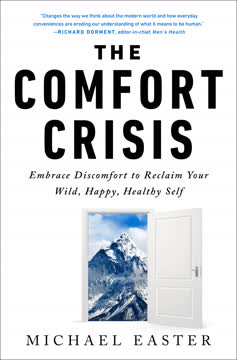
أهم النقاط
1. الراحة الحديثة تضعف قدرتنا الجسدية والذهنية على التحمل
نحن نعيش حياة محمية بشكل متزايد، معقمة، مضبوطة الحرارة، مفرطة التغذية، قليلة التحديات، ومحاطة بشبكات أمان.
تسلل الراحة: لقد قلّصت بيئتنا الحديثة بشكل كبير التحديات الجسدية والذهنية التي تطور الإنسان لمواجهتها. حدث هذا التحول بسرعة، حيث إن وسائل الراحة والتسهيلات التي تؤثر على حياتنا اليومية موجودة فقط في حوالي 0.004% من تاريخ البشرية. ومن نتائج هذا التغير الجذري:
- ارتفاع معدلات السمنة وأمراض القلب والسكري وغيرها من الأمراض المزمنة
- زيادة مستويات القلق والاكتئاب ومشاكل الصحة النفسية الأخرى
- تراجع القدرة على التعامل مع الضغوط وعدم الراحة
- انخفاض القدرة البدنية والتحمل
الفارق الكبير بين بيئة أجدادنا وظروف الحياة الحديثة خلق فجوة بين صفاتنا المتطورة وأسلوب حياتنا الحالي، مما أدى إلى ظهور العديد من المشاكل الجسدية والنفسية.
2. إعادة إدخال عدم الراحة يمكن أن يفتح إمكاناتنا ويحسن رفاهيتنا
ما لا يقتلنا يجعلنا أقوى.
المحن المتحكم بها: تعريض أنفسنا عمدًا لعدم الراحة والتحديات يمكن أن يؤدي إلى نمو شخصي ملحوظ وتحسين القدرة على التحمل. هذا المفهوم، المعروف بـ"الهرموسيس"، يشير إلى أن التوتر المعتدل يحفز تكيفات مفيدة في الجسم والعقل. من أمثلة عدم الراحة المتعمدة:
- التعرض للبرد (كالاستحمام بالماء البارد أو حمامات الثلج)
- التعرض للحرارة (كالساونا أو اليوغا الساخنة)
- الصيام أو تقليل السعرات الحرارية
- التمارين البدنية المكثفة
- الخروج من منطقة الراحة في المواقف الاجتماعية
بزيادة تحملنا تدريجيًا لعدم الراحة، يمكننا توسيع مناطق راحتنا لنصبح أكثر قدرة على مواجهة تحديات الحياة الحتمية. هذه الممارسة لا تحسن فقط صلابتنا الجسدية والذهنية، بل تعزز أيضًا شعورنا العام بالرفاهية والرضا عن الحياة.
3. احتضان الجوع يعزز الصحة ويعيدنا إلى ماضينا التطوري
الجوع هو أفضل توابل.
الصيام المتقطع: تجربة الجوع بانتظام يمكن أن تؤدي إلى فوائد صحية عديدة وتساعدنا على إعادة الاتصال بتراثنا التطوري. أجدادنا لم يكن لديهم وصول دائم إلى الطعام، وأجسامنا متكيفة لفترات الصيام. من فوائد احتضان الجوع:
- تحسين حساسية الأنسولين والصحة الأيضية
- تعزيز عمليات إصلاح الخلايا (الالتهام الذاتي)
- زيادة الوضوح الذهني والتركيز
- تقدير أفضل للطعام وتقليل الإفراط في الأكل
استراتيجيات دمج الجوع في الحياة الحديثة:
- تناول الطعام ضمن أوقات محددة (مثل صيام 16/8)
- صيام 24 ساعة بين الحين والآخر
- تقليل الوجبات الخفيفة والأكل اللاواعي
بإتاحة الفرصة لأن نشعر بالجوع بانتظام، نستطيع الاستفادة من عمليات الشفاء الطبيعية في أجسامنا وتطوير علاقة صحية مع الطعام.
4. الانغماس في الطبيعة ضروري للتوازن النفسي والإبداع
الطبيعة تحمل مفتاح رضانا الجمالي والفكري والمعرفي والروحي.
قوة الشفاء في الطبيعة: قضاء الوقت في البيئات الطبيعية له تأثيرات عميقة على صحتنا النفسية والجسدية. مفهوم "هرم الطبيعة" يقترح مستويات مختلفة من التعرض للطبيعة لتحقيق الفوائد المثلى:
- يوميًا: 20 دقيقة في الطبيعة الحضرية (كالحدائق أو الشوارع المظللة بالأشجار)
- أسبوعيًا: 5 ساعات في الطبيعة شبه البرية (المسارات المحلية أو الغابات)
- سنويًا: انغماس لعدة أيام في البرية النائية
فوائد التعرض للطبيعة:
- تقليل التوتر والقلق
- تحسين المزاج والوظائف المعرفية
- تعزيز الإبداع والقدرة على حل المشكلات
- زيادة الشعور بالاتصال والهدف
دمج الطبيعة في الحياة اليومية يمكن أن يكون بسيطًا كالمشي في حديقة محلية أو العناية بالنباتات المنزلية. التعرض المنتظم للبيئات الطبيعية يساعد على مواجهة الآثار السلبية للحياة الحضرية واستخدام الشاشات، ويعيد صلتنا الفطرية بالعالم الطبيعي.
5. مواجهة الموت تقود إلى حياة أكثر إشباعًا وهدفًا
لا يمكن أن يكون الموت مجرد مسألة مستشفيات وبيوت جنازات وتأمينات ومعاملات مالية.
تذكّر الموت: التفكير المنتظم في موتنا يمكن، بشكل متناقض، أن يؤدي إلى حياة أكثر معنى ورضا. هذه الممارسة، الشائعة في العديد من الثقافات والتقاليد الفلسفية، تساعدنا على ترتيب أولوياتنا والعيش بصدق أكبر. فوائد مواجهة الموت تشمل:
- زيادة التقدير للحياة وللحظات الحاضرة
- وضوح في اتخاذ القرارات وتحديد الأهداف
- تقليل القلق بشأن الأمور التافهة
- تعزيز التعاطف والرحمة تجاه الآخرين
طرق عملية لدمج الوعي بالموت:
- التأمل اليومي في الزوال (ميتاتكبا)
- زيارة المقابر أو حضور الجنازات
- الانخراط في التخطيط لنهاية الحياة
- قراءة الأعمال الفلسفية حول الموت والاحتضار
بمواجهة موتنا بشكل مباشر، يمكننا تنمية شعور أعمق بالهدف والعيش بشكل أكثر اكتمالًا في اللحظة الراهنة.
6. التحديات الجسدية، خاصة حمل الأوزان، ضرورية لللياقة العامة
المشي مع حمل الأوزان هو قوة وتمارين قلبية في آن واحد.
اللياقة الوظيفية: حمل الأوزان لمسافات، المعروف بـ"الركينغ"، هو نشاط بشري أساسي تم استبعاده إلى حد كبير من الحياة الحديثة. إعادة إدخال هذه الممارسة تقدم فوائد عديدة:
- تحسين صحة القلب والأوعية الدموية
- زيادة القوة العضلية والتحمل
- تعزيز كثافة العظام
- تحسين الوضعية وثبات الجذع
مزايا الركينغ:
- تأثير منخفض على المفاصل مقارنة بالجري
- قابل للتعديل لجميع مستويات اللياقة
- يجمع بين تدريب القوة والتمارين القلبية
- يمكن دمجه بسهولة في الأنشطة اليومية
إدخال حمل الأوزان في روتيننا الرياضي يساعد على سد الفجوة بين ماضينا التطوري وأنماط الحياة الحديثة الجلوسية، مما يوفر نهجًا أكثر توازنًا للصحة الجسدية.
7. إعادة اكتشاف الحركات الأساسية تحارب آثار الحياة الجلوسية السلبية
كنا في السابق نشطاء عامين في الحركة.
تغذية الحركة: أجسامنا مصممة لمجموعة متنوعة من الحركات، لكن الحياة الحديثة قلّصت بشكل كبير من تنوع حركاتنا. إعادة إدخال الحركات البشرية الأساسية يمكن أن تحسن الصحة العامة وتقلل الألم المزمن. الحركات الأساسية التي يجب دمجها:
- القرفصاء
- الرفع والحمل
- المشي والجري على أرض غير مستوية
- التسلق والتعلق
- التوازن
فوائد تنوع الحركة:
- تقليل الألم المزمن، خاصة آلام الظهر
- تحسين صحة المفاصل وحركتها
- تعزيز الإدراك الحسي والوعي بالجسم
- تحسين اللياقة الوظيفية العامة
بإدخال هذه الحركات الأساسية بوعي في حياتنا اليومية، يمكننا مواجهة الآثار السلبية للجلوس الطويل وأنماط الحركة المحدودة، مما يؤدي إلى صحة جسدية أفضل وتقليل خطر الألم والإصابات المزمنة.
ملخص المراجعات
حظي كتاب "أزمة الراحة" بتقييمات متباينة بين القراء. فقد وجد كثيرون فيه مادة تحفز على التفكير وتلهم القارئ، مشيدين بأسلوب إيستر الذي يمزج بين مغامراته الشخصية والبحث العلمي. وقد أعجبوا بالرسالة التي يحملها الكتاب حول أهمية تقبل الشعور بعدم الراحة والاقتراب من الطبيعة كوسيلة للنمو الشخصي. ومع ذلك، انتقد بعض النقاد تكرار المحتوى، وتركيزه المفرط على الذكورة، بالإضافة إلى نقص النصائح العملية التي يمكن للقارئ تطبيقها. كما أثارت وجهة نظر المؤلف المتميزة أحيانًا وسوء تفسيره لبعض البيانات جدلاً واسعًا. ورغم هذه الانتقادات، وجد العديد من القراء قيمة كبيرة في استكشاف الكتاب لمفهوم الراحة الحديثة وتأثيرها على الصحة والسعادة.
قرأ الآخرون أيضًا


الأسئلة الشائعة
What's The Comfort Crisis about?
- Exploration of Discomfort: The book examines how modern life has become too comfortable, leading to physical and mental stagnation. Michael Easter argues that embracing discomfort can lead to a more fulfilling and healthier life.
- Personal Journey: Easter shares his experiences, including a month-long hunting trip in the Alaskan Arctic, to illustrate the benefits of stepping outside one’s comfort zone.
- Scientific Backing: The narrative is supported by research showing how discomfort can improve resilience, mental health, and overall well-being.
Why should I read The Comfort Crisis?
- Reclaim Your Wild Self: If you feel stuck in a routine or overwhelmed by modern comforts, this book offers a roadmap to rediscovering your adventurous spirit.
- Practical Advice: Easter provides actionable strategies for incorporating discomfort into daily life, making it relevant for anyone looking to improve their mental and physical health.
- Engaging Narrative: The combination of personal anecdotes and scientific research makes for an engaging read that is both informative and entertaining.
What are the key takeaways of The Comfort Crisis?
- Embrace Discomfort: The central message is that discomfort is essential for growth and resilience. Experiencing challenges can lead to improved mental toughness and physical health.
- Nature’s Role: Spending time in nature is highlighted as a powerful antidote to modern stressors. The book emphasizes the importance of disconnecting from technology and reconnecting with the natural world.
- Misogi Concept: Easter introduces the Japanese concept of misogi, which involves undertaking difficult challenges to cleanse the mind and body, promoting personal growth.
What is the misogi method mentioned in The Comfort Crisis?
- Definition of Misogi: Misogi is a Japanese practice that involves undertaking a significant physical challenge to achieve mental clarity and personal growth. It’s about pushing oneself to the limits.
- Two Rules: The method has two main rules: it must be really hard, and you can’t die. This ensures that the challenge is both meaningful and safe.
- Benefits of Misogi: Engaging in misogi can lead to increased resilience, creativity, and a deeper connection to oneself and the environment.
How does The Comfort Crisis relate to modern health issues?
- Health Crisis: Easter discusses how the comforts of modern life contribute to rising rates of obesity, anxiety, and depression. He argues that our overly sanitized lifestyles are detrimental to our health.
- Discomfort as Medicine: The book posits that experiencing discomfort can serve as a form of medicine, helping to combat these modern health issues by promoting physical activity and mental resilience.
- Scientific Evidence: Easter references studies that show how discomfort can protect against various health problems, reinforcing the idea that a little struggle is beneficial.
What specific methods does Michael Easter recommend in The Comfort Crisis?
- Rucking: Easter advocates for rucking, which involves walking with a weighted backpack, as a way to build strength and endurance while embracing discomfort.
- Mindfulness of Death: He suggests contemplating mortality to gain perspective on life and prioritize what truly matters.
- Engaging in Misogi: The author introduces the concept of misogi, which involves undertaking challenging physical feats to push personal boundaries and foster growth.
How does The Comfort Crisis address the issue of modern obesity?
- Caloric Miscalculation: The book highlights how people often underestimate their caloric intake, particularly those who are overweight, leading to weight gain.
- Lifestyle Factors: Easter emphasizes that factors like sleep, stress, and activity levels significantly influence eating behaviors and weight management.
- Historical Context: He provides a historical perspective on how obesity rates have skyrocketed since the late 1970s due to changes in diet and lifestyle.
What are some memorable quotes from The Comfort Crisis and what do they mean?
- “We are living progressively sheltered, sterile, temperature-controlled, overfed, underchallenged lives.”: This quote encapsulates the book's critique of modern comfort and its negative impact on our well-being.
- “Embrace the suck.”: This phrase serves as a mantra for accepting and thriving in challenging situations.
- “Real hunger is seldom the real issue compared to the desire to eat.”: This highlights the distinction between physical hunger and emotional eating.
How does Michael Easter's personal journey influence The Comfort Crisis?
- Personal Anecdotes: Easter shares his experiences in the Alaskan wilderness, illustrating the transformative power of discomfort and nature.
- Struggles with Weight: He discusses his own challenges with weight and fitness, making his insights relatable and grounded in real-life experiences.
- Lessons Learned: The author reflects on the lessons he learned from embracing discomfort, which serve as a guide for readers seeking similar transformations.
What role does nature play in The Comfort Crisis?
- Connection to the Environment: The book emphasizes the importance of reconnecting with nature to foster physical and mental well-being.
- Natural Challenges: Easter argues that engaging with the natural world through activities like hiking, hunting, and rucking can help individuals rediscover their primal instincts and resilience.
- Therapeutic Benefits: The author discusses how spending time outdoors can reduce stress, improve mood, and enhance overall health.
How can I apply the lessons from The Comfort Crisis in my daily life?
- Incorporate Discomfort: Start by introducing small discomforts into your routine, such as cold showers, fasting, or physical challenges like rucking.
- Mindfulness Practice: Regularly reflect on your motivations for eating and engage in mindfulness to better understand your relationship with food.
- Seek Outdoor Experiences: Make a conscious effort to spend more time in nature, whether through hiking, camping, or simply walking outside, to enhance your connection to the environment.
How does The Comfort Crisis address the concept of boredom?
- Boredom as a Tool: Easter suggests that boredom can be a catalyst for creativity and self-discovery. It prompts individuals to seek new experiences and challenges.
- Disconnecting from Technology: The book argues that constant stimulation from devices prevents us from experiencing boredom, which is essential for mental health. Embracing boredom can lead to personal growth.
- Mindfulness in Boredom: The author encourages readers to use moments of boredom to reflect and engage with their thoughts, fostering a deeper understanding of themselves.