
أهم النقاط
1. التربية الواعية: رحلة لاكتشاف الذات وتمكين الطفل
لا وجود للأبوة المثالية، ولا للطفل المثالي.
تُعدّ التربية الواعية منهجًا تحويليًا يركّز على نمو الوالدين الشخصي بقدر ما يهتم بتطور الطفل. فهي تدرك أن الأطفال كائنات روحية تسير في مسارات فريدة خاصة بهم، وليست امتدادًا لأنا الوالدين. يتطلب هذا النهج من الوالدين أن:
- يواجهوا أنماطهم اللاواعية وحمولاتهم العاطفية
- يطوّروا وعيهم الذاتي واليقظة في تفاعلاتهم
- ينظروا إلى العلاقة بين الوالد والطفل كشراكة للنمو المتبادل
من خلال تبني التربية الواعية، يمكن للبالغين أن يحولوا تحديات تربية الأطفال إلى فرص للتأمل الذاتي والتطور الشخصي، مما يمكّن الأطفال من تطوير ذواتهم الحقيقية وتحقيق كامل إمكاناتهم.
2. احتضان فرادة طفلك والتخلي عن التوقعات
أطفالنا يستحقون والدين واعين، أليس من حقهم أن نسمح لأنفسنا بأن نتحول بفضلهم بقدر ما نسعى لتحويلهم؟
التخلي عن التوقعات أمر حيوي لتمكين الأطفال من الازدهار كذواتهم الحقيقية. كثيرًا ما يفرض الوالدان أحلامهم غير المحققة، ومخاوفهم، وتوقعات المجتمع على أطفالهم، مما يعيق نموهم الطبيعي. لاحتضان فرادة الطفل حقًا:
- راقب وقدّر صفات طفلك الفطرية دون حكم
- قاوم الرغبة في تشكيله وفق تصور مسبق للنجاح
- احتفل بتفرده حتى وإن اختلف عن تفضيلاتك الشخصية
بقبول الأطفال كما هم، يخلق الوالدان بيئة يشعر فيها الطفل بالأمان لاستكشاف ذاته الحقيقية وبناء الثقة في قدراته واهتماماته الفريدة.
3. الجناحان: الأصالة والاحتواء
لكي يطور الطفل سلوكًا واعيًا، يحتاج إلى تيارين من التعلم. أحب أن أتصورهما كجناحي نسر: الأصالة والاحتواء.
تحقيق التوازن بين الأصالة والاحتواء أمر ضروري لتنشئة أطفال متوازنين نفسيًا. فالأصالة تتيح للطفل التعبير عن ذاته الحقيقية، بينما يعلم الاحتواء احترام الحدود والاندماج في المجتمع. لتحقيق هذا التوازن:
- شجع التعبير عن الذات واعتبر مشاعر طفلك صحيحة
- ضع حدودًا واضحة ومتسقة واشرح أسباب القواعد
- علم الأطفال كيفية الموازنة بين الرغبات الشخصية والمعايير الاجتماعية
يساعد هذا النهج الأطفال على بناء هوية قوية مع تعلم التفاعل الإيجابي واحترام الأعراف الاجتماعية.
4. الحضور بدلًا من الكمال: التواصل من خلال الانتباه المتفاعل
قلة منا حظوا بأن تربوا على يد والدين متصلين بفرحهم الداخلي.
الحضور المتفاعل أهم من السعي للكمال في التربية. يحتاج الأطفال إلى اتصال حقيقي وانتباه صادق من والديهم. لتنمية هذا الحضور:
- خصص وقتًا مخصصًا للتفاعل الخالي من المشتتات مع طفلك
- مارس الاستماع النشط، مركزًا على الفهم لا الرد السريع
- شارك في أنشطة يحبها طفلك حتى وإن لم تكن من تفضيلاتك
بإعطاء الأولوية للحضور على الكمال، يبني الوالدان رابطة عاطفية قوية مع أطفالهم ويظهرون أهمية الاتصال الإنساني الحقيقي.
5. تنمية الذكاء العاطفي من خلال القبول
عندما نقبل أطفالنا كما هم، نخطئ إذا ظننا أن ذلك يعني السماح السلبي لهم بالاستمرار في سلوك قد يكون مدمرًا.
ينمو الذكاء العاطفي عبر القبول والاعتراف بمشاعر الطفل. لا يعني هذا الموافقة على كل السلوكيات، بل فهم المشاعر التي تقف خلفها. لتنمية الذكاء العاطفي:
- اسمح للأطفال بتجربة مشاعرهم والتعبير عنها دون حكم
- ساعدهم على التعرف على مشاعرهم وتسميتها
- علمهم طرقًا بناءة لإدارة التعبير عن المشاعر
بقبولهم وتوجيههم خلال تجاربهم العاطفية، يساعد الوالدان الأطفال على اكتساب مهارات التعامل مع المشاعر والعلاقات المعقدة طوال حياتهم.
6. الانضباط كتعليم لا عقاب
قد يوقف العقاب سلوكًا ما، أو لا يوقفه، لكنه بالتأكيد لا يعلم الطفل استبدال السلوك غير المناسب بسلوك أكثر إنتاجية.
إعادة صياغة الانضباط كعملية تعليمية تحول التركيز من العقاب إلى التوجيه. يساعد الانضباط الفعّال الأطفال على فهم عواقب أفعالهم وتعلم سلوكيات أفضل. لتطبيق هذا النهج:
- استخدم العواقب الطبيعية كلما أمكن لتعليم السبب والنتيجة
- اشرح أسباب القواعد والتوقعات
- كن قدوة للسلوك الذي ترغب في رؤيته لدى أطفالك
يؤدي هذا الأسلوب إلى تعزيز الفهم والتعاون بدلًا من الخوف والاستياء، مما يحقق تغييرات سلوكية دائمة.
7. الأخطاء فرص للنمو والتعلم
يجب أن تُنظر الأخطاء ليس كأمر يستوجب اللوم والعقاب، بل كنافذة للتعلم.
احتضان الأخطاء كفرص للتعلم يرسخ عقلية النمو لدى الأطفال. عندما يتعامل الوالدان مع الأخطاء بفضول ودعم بدلًا من غضب أو خيبة أمل، يشعر الأطفال بالأمان للمخاطرة والتعلم من تجاربهم. لتنمية هذا الموقف:
- رد على الأخطاء بهدوء وفضول
- ساعد الأطفال على تحليل الخطأ وكيفية التحسن
- شارك أخطاءك الشخصية وما تعلمته منها
يساعد هذا النهج الأطفال على تطوير المرونة ومهارات حل المشكلات وموقف إيجابي تجاه التحديات.
8. خلق توازن بين الهيكلية والمرونة
لا يمكن أن تكون كل الأمور قواعد. بيت به قواعد كثيرة جدًا سينهار يومًا ما.
إيجاد التوازن المناسب بين الهيكلية والمرونة ضروري لحياة أسرية متناغمة. يحتاج الأطفال إلى حدود للسلامة والاندماج الاجتماعي، لكن كثرة القواعد قد تكبت إبداعهم واستقلاليتهم. لتحقيق هذا التوازن:
- ضع قواعد أساسية قليلة غير قابلة للتفاوض للسلامة والاحترام
- أتح المجال للمرونة في الأمور الأقل أهمية مثل التفضيلات الشخصية
- شارك الأطفال في وضع وتعديل قواعد الأسرة مع تقدمهم في العمر
يعلم هذا النهج الأطفال احترام الحدود الضرورية مع تنمية مهارات اتخاذ القرار والمسؤولية الشخصية.
9. قوة السكون والامتنان في التربية
عندما نعلم أطفالنا أن يجدوا أصغر الأشياء في يومهم للتأمل فيها بامتنان، نعلمهم أن لديهم الكثير بالفعل بدلاً من الحاجة إلى هذا أو ذاك.
تنمية السكون والامتنان تغني العلاقة بين الوالد والطفل ونظرة الطفل للحياة بشكل عام. في عالمنا السريع، تعليم الأطفال تقدير اللحظات الهادئة والتعبير عن الشكر له أثر عميق. لتبني هذه الممارسات:
- أنشئ طقوسًا يومية للسكون مثل التأمل أو التأمل الهادئ
- مارس عادة الامتنان، كأن تشاركوا ما تشكرون عليه أثناء العشاء
- كن قدوة في تقدير الملذات البسيطة والنعم اليومية
تساعد هذه الممارسات الأطفال على تطوير السلام الداخلي والرضا ونظرة إيجابية للحياة.
10. رعاية إبداع طفلك واستقلاليته
الأطفال قادرون على التواصل مع ذاتهم الداخلية إذا ما وُجهوا بشكل صحيح.
تشجيع الإبداع والاستقلالية يمكّن الأطفال من تطوير مواهبهم الفريدة ومهارات حل المشكلات. يمكن للوالدين دعم ذلك من خلال:
- توفير فرص للعب المفتوح وغير المحدود
- تشجيع الاستكشاف والتجريب
- السماح للأطفال باتخاذ قرارات مناسبة لأعمارهم وحل مشكلاتهم بأنفسهم
من خلال رعاية هذه الصفات، يساعد الوالدان أطفالهم على أن يصبحوا مفكرين واثقين ومبدعين مستعدين لمواجهة تحديات الحياة.
ملخص المراجعات
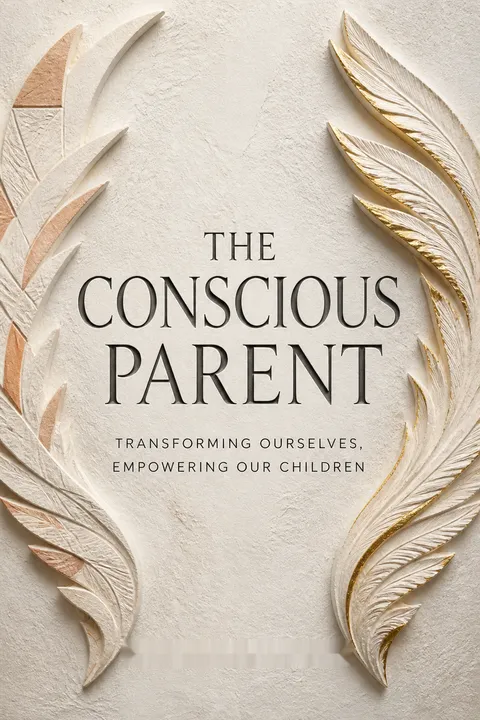
يحظى كتاب "الوالد الواعي" بتقييمات متباينة. إذ يشيد الكثيرون بأسلوبه التحويلي في التربية، الذي يركز على الوعي الذاتي وقبول الأطفال كما هم. يثمن القراء التركيز على النمو الشخصي واليقظة الذهنية في دور الوالدين. ومع ذلك، يرى البعض أن محتواه متكرر، غامض، أو يميل إلى الطابع الروحي المفرط. كما يشير النقاد إلى نقص في النصائح العملية واعتماد على أمثلة متطرفة. ورغم هذه الانتقادات، يعتبره كثيرون مرجعًا مهمًا في مجال التربية الواعية، حيث يشجع الآباء على مراجعة دوافعهم وتوقعاتهم من أجل بناء علاقات صحية أكثر مع أبنائهم.
قرأ الآخرون أيضًا







الأسئلة الشائعة
What's The Conscious Parent about?
- Transformative Parenting Approach: The Conscious Parent by Shefali Tsabary emphasizes a spiritual journey in parenting, advocating for a shift from traditional methods to a more conscious, aware approach.
- Self-Discovery Through Parenting: It posits that parenting is not just about raising children but also about personal transformation, encouraging parents to reflect on their emotional wounds.
- Mutual Growth: The book highlights that children are unique individuals, and the parent-child relationship is a partnership for mutual spiritual growth.
Why should I read The Conscious Parent?
- Deep Insight into Parenting: The book offers profound insights into the psychological and emotional aspects of parenting, challenging conventional wisdom.
- Practical Guidance: Tsabary provides practical advice on connecting with your child on a deeper level, emphasizing presence and awareness.
- Encourages Self-Reflection: It prompts parents to examine their beliefs and behaviors, fostering personal growth that positively impacts their children.
What are the key takeaways of The Conscious Parent?
- Parenting as a Spiritual Journey: Parenting is a path to spiritual awakening for both parents and children, viewing children as partners in this journey.
- Importance of Self-Awareness: Parents need to connect with their emotions and past experiences to avoid projecting issues onto their children.
- Embracing Imperfection: Accepting imperfections in parenting and childhood allows for a more authentic and loving relationship.
What are the best quotes from The Conscious Parent and what do they mean?
- “To parent perfectly is a mirage.”: This underscores the unrealistic expectations of perfection in parenting, suggesting that embracing imperfection is essential.
- “You are raising a spirit throbbing with its own signature.”: Emphasizes the individuality of each child, encouraging parents to nurture their child’s authentic self.
- “Our children are our greatest awakeners.”: Highlights the reciprocal nature of the parent-child relationship, suggesting children lead parents to greater self-awareness.
How does The Conscious Parent define conscious parenting?
- Awareness and Presence: Being fully present and aware in the parenting process, recognizing one’s emotional state and its effects on interactions.
- Mutual Growth: Parenting is a two-way street where both parent and child grow together, fostering a deeper connection.
- Emotional Responsibility: Parents must take responsibility for their emotional responses, creating a healthier environment for both parties.
What methods does The Conscious Parent suggest for improving parent-child relationships?
- Engaged Presence: Advocates for being fully engaged and present with your child, actively listening and responding to their needs.
- Emotional Validation: Encourages parents to validate their child’s feelings and experiences, fostering a stronger bond.
- Setting Boundaries: Emphasizes the importance of setting appropriate boundaries while nurturing individuality.
How can I apply the principles of The Conscious Parent in my daily life?
- Practice Self-Reflection: Regularly reflect on your emotions and how they influence your parenting, helping you respond more thoughtfully.
- Create a Safe Space: Foster an environment where your child feels safe to express their feelings without fear of judgment.
- Embrace Imperfection: Accept that both you and your child will make mistakes, using these moments as opportunities for growth.
What challenges does The Conscious Parent address in parenting?
- Emotional Triggers: Discusses how unresolved emotional issues from a parent’s past can affect their parenting, encouraging recognition and addressing of these triggers.
- Balancing Control and Freedom: Highlights the challenge of finding the right balance between guiding children and allowing them freedom.
- Navigating Change: Encourages parents to embrace changes in parenting as opportunities for growth rather than obstacles.
How does The Conscious Parent view the role of ego in parenting?
- Ego as a Barrier: The ego often acts as a barrier to authentic connection with children, leading to control and unrealistic expectations.
- Transitioning from Ego to Essence: Encourages parents to move beyond egoic attachments to discover their true essence for a more genuine relationship.
- Awareness of Egoic Patterns: Recognizing and understanding one’s egoic patterns is essential for conscious parenting.
What is the significance of acceptance in The Conscious Parent?
- Unconditional Acceptance: Emphasizes accepting children for who they are, fostering a sense of security and self-worth.
- Acceptance as a Foundation: Acceptance is the foundation for healthy relationships, allowing for open communication and emotional growth.
- Modeling Acceptance: Parents are encouraged to model acceptance, teaching children to embrace their uniqueness and that of others.
How does The Conscious Parent suggest handling mistakes made in parenting?
- Acknowledge and Learn: Encourages parents to acknowledge mistakes and view them as learning opportunities, fostering growth.
- Open Communication: Advocates for open communication about mistakes, helping children understand that everyone makes errors.
- Forgiveness and Moving Forward: Emphasizes the importance of forgiveness for oneself and the child, allowing for healing and a stronger bond.
How does The Conscious Parent address discipline?
- Focus on Teaching, Not Punishing: Advocates for a discipline approach that emphasizes teaching rather than punishment, guiding children toward better choices.
- Use Mistakes as Learning Opportunities: Encourages viewing mistakes as valuable lessons, fostering resilience and learning.
- Engage in Open Dialogue: Suggests having open conversations about behavior and expectations, helping children feel heard and respected.

تحميل PDF
تحميل EPUB
.epub digital book format is ideal for reading ebooks on phones, tablets, and e-readers.








































