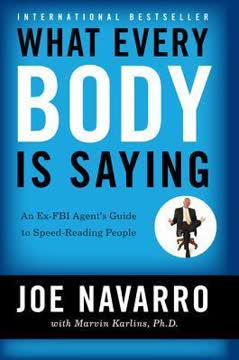
أهم النقاط
1. التواصل غير اللفظي لغة عالمية تكشف عن مشاعرنا الحقيقية
منذ ولادتنا وحتى وفاتنا، نبحث عن معلومات مفيدة—في البداية من آبائنا، ثم من أصدقائنا وزملائنا في العمل وشركائنا العاطفيين—لكي تكشف لنا ما يدور في أذهانهم.
قوة التواصل غير اللفظي. غالبًا ما تتحدث لغة الجسد بصوت أعلى من الكلمات، كاشفة عن مشاعرنا الحقيقية ونوايانا. هذه اللغة الصامتة متجذرة في ماضينا التطوري، حيث أن العديد من السلوكيات مبرمجة في حمضنا النووي. من تعابير الوجه الدقيقة إلى الإيماءات اللاواعية، تنقل أجسادنا باستمرار معلومات عن حالتنا العاطفية، ومستوى راحتنا، وحتى صدقنا.
عالمية وغريزية. العديد من الإشارات غير اللفظية مشتركة بين الثقافات، مثل:
- الابتسامة للتعبير عن السعادة
- تجعيد الحاجبين لإظهار القلق
- تقاطع الذراعين للراحة الذاتية أو الحماية
- الميل نحو الأشخاص الذين نحبهم
من خلال فهم هذه الإشارات، يمكننا التنقل بشكل أفضل في المواقف الاجتماعية، وتحسين علاقاتنا، واكتساب رؤى قيمة حول أفكار ومشاعر الآخرين.
2. الوجه لوحة تعبيرية عن المشاعر، وكل جزء فيه يروي قصة خاصة
يحتوي الوجه على أكثر من عشرين مجموعة عضلية مميزة يمكنها خلق أكثر من أربعة آلاف تعبير مختلف، وفقًا للدكتور بول إيكمان.
التعابير الدقيقة للوجه. وجوهنا معبرة للغاية، قادرة على نقل مجموعة واسعة من المشاعر عبر حركات دقيقة للعضلات. من المناطق الأساسية التي يجب مراقبتها:
- العيون: اتساعها في الدهشة، وضيقها في الشك
- الحاجبان: رفعهما في حالة عدم التصديق، وتجعيدهما في التركيز
- الفم: الابتسامة الصادقة (التي تشمل العيون) أو المزيفة (الفم فقط)
- الأنف: تجعيده في الاشمئزاز
- الفك: شدّه في الغضب أو التوتر
قراءة تعابير الوجه. من خلال الانتباه لهذه التعابير، يمكننا فهم الحالة العاطفية وردود فعل الآخرين. ومع ذلك، من المهم مراعاة السياق والبحث عن مجموعات من السلوكيات بدلاً من الاعتماد على إشارة واحدة فقط.
3. وضعية الجسم والإيماءات تعبر عن الثقة والراحة والحالات الداخلية
تقليد وضعية الجسم (الانعكاس) يشير إلى الاتفاق في الحديث أو المزاج أو الطبع.
وضعيات القوة. يمكن لوضعية أجسادنا أن تؤثر بشكل كبير على كيفية رؤية الآخرين لنا وحتى على شعورنا بأنفسنا. من وضعيات الثقة:
- الوقوف منتصبًا مع الكتفين إلى الخلف
- شغل مساحة (انتشار الذراعين والساقين)
- الحفاظ على وضعية مفتوحة (عدم تقاطع الذراعين أو الساقين)
الراحة وعدم الراحة. تكشف لغة الجسد أيضًا عن مستوى راحتنا في المواقف المختلفة:
- الميل نحو شخص ما يدل على الاهتمام أو الاتفاق
- الميل بعيدًا يشير إلى عدم الراحة أو الاختلاف
- تقليد وضعية الآخر يحدث غالبًا بشكل لا واعٍ عندما نشعر بالتوافق
من خلال تبني وضعيات واثقة بوعي والانتباه إلى وضعيات الآخرين، يمكننا تحسين تفاعلاتنا وبناء علاقات أقوى.
4. اليدان والقدمان مؤشرات قوية على نوايانا ومشاعرنا
أيدينا تتواصل باستمرار مع الآخرين لتعبر عن شغفنا ورغباتنا وقدراتنا واهتماماتنا، والأهم من ذلك، من خلال أبسط لمسة، عن حبنا.
إيماءات اليد. أيدينا معبرة للغاية ويمكنها الكشف عن الكثير من أفكارنا ومشاعرنا:
- راحتي اليدين المفتوحتين تدلان على الصدق والانفتاح
- القبضات المشدودة قد تشير إلى الغضب أو العزيمة
- اللعب بالأصابع أو لمس الذات غالبًا ما يدل على القلق أو عدم الراحة
سلوك القدمين. غالبًا ما تُغفل، لكن أقدامنا قد تكشف الكثير:
- التوجيه نحو شخص ما يدل على الاهتمام أو الانخراط
- التوجيه بعيدًا قد يشير إلى الرغبة في المغادرة أو عدم الراحة
- "الأقدام السعيدة" (القفز أو الهز) قد تعبر عن الحماس أو الترقب
من خلال الانتباه إلى هذه الحركات اللاواعية غالبًا، يمكننا الحصول على رؤى قيمة حول مشاعر ونوايا الآخرين الحقيقية.
5. التوتر والقلق يظهران في سلوكيات جسدية محددة
التوتر والخوف والقلق قد يسببون جفاف الفم (المصطلح الطبي لذلك هو جفاف الفم).
مؤشرات التوتر. عندما نكون تحت الضغط، غالبًا ما تظهر أجسادنا علامات واضحة:
- زيادة في الرمش أو حركة العين
- تنظيف الحلق أو البلع
- لمس الرقبة أو الوجه
- عض الشفاه أو شدها
- التنفس السريع والسطحي
سلوكيات التهدئة. لمواجهة التوتر، نلجأ غالبًا إلى أفعال مهدئة للذات:
- اللعب بالمجوهرات أو الأشياء
- فرك اليدين أو الذراعين
- تعديل الملابس
- لمس الشعر أو لفّه
التعرف على هذه السلوكيات في أنفسنا والآخرين يساعدنا على تحديد التوتر والتعامل معه بفعالية أكبر.
6. السياق الثقافي يشكل تفسير لغة الجسد
في بعض الثقافات، يُسمح بالنظر إلى شخص ما لمدة ثلاث إلى أربع ثوانٍ، بينما في ثقافات أخرى يُعتبر أي تجاوز لثانيتين وقاحة.
الاختلافات الثقافية. رغم أن العديد من الإشارات غير اللفظية عالمية، إلا أن معانيها قد تختلف بين الثقافات:
- التواصل البصري: مطول في بعض الثقافات، ومتجنب في أخرى
- المساحة الشخصية: تختلف بشكل كبير بين الثقافات
- الإيماءات: قد تحمل معانٍ مختلفة (مثل إشارة الإبهام للأعلى التي قد تكون مسيئة في بعض البلدان)
التفسير السياقي. لفهم لغة الجسد بدقة، من الضروري مراعاة:
- الخلفية الثقافية
- السياق الموقفي
- السلوكيات الأساسية للفرد
بفهم هذه الفروقات الثقافية وتكييف تواصلنا غير اللفظي وفقًا لها، يمكننا تحسين التفاعلات بين الثقافات وتجنب سوء الفهم.
7. تطوير الذكاء غير اللفظي يعزز العلاقات الشخصية والمهنية
القادة الفعالون يستمعون وينقلون عبر قناتين: اللفظية وغير اللفظية.
تحسين المهارات غير اللفظية. تعزيز قدرتنا على قراءة واستخدام لغة الجسد يمكن أن يؤثر بشكل كبير على حياتنا الشخصية والمهنية:
- فهم أفضل لمشاعر ونوايا الآخرين
- تحسين التواصل وبناء الثقة
- تعزيز مهارات القيادة والتفاوض
- تقديم خطابات عامة أكثر صدقًا وجاذبية
التطبيق العملي. لتطوير الذكاء غير اللفظي:
- مراقبة الناس في مواقف مختلفة
- ممارسة الاستماع النشط مع التركيز على الكلمات ولغة الجسد معًا
- طلب ملاحظات حول تواصلنا غير اللفظي
- تجربة وضعيات وإيماءات مختلفة لمعرفة تأثيرها على مزاجنا وانطباع الآخرين
من خلال صقل هذه المهارات، نصبح متواصلين أكثر فاعلية، ونبني علاقات أقوى، ونتنقل في المواقف الاجتماعية بسهولة وثقة أكبر.
ملخص المراجعات
يحظى كتاب "ما يقوله كل جسد" بتقييمات متباينة، حيث يبلغ متوسط تقييمه 3.91 من 5. يجد العديد من القراء فيه مادة غنية ومثيرة للاهتمام، مشيدين بخبرة نافارو وأمثلته الواقعية التي يوردها. يُثنى على الكتاب لتفسيره المفصل لإشارات لغة الجسد ومعانيها المختلفة. ومع ذلك، يرى بعض النقاد أنه يتكرر في بعض المواضع، أو أن المعلومات تبدو بديهية، كما ينتقد البعض تركيزه المفرط على سيناريوهات تطبيق القانون. يشير عدد من المراجعين إلى أن المعلومات، رغم إثارتها، قد يصعب تطبيقها في المواقف اليومية. ورغم هذه الانتقادات، يوصي كثير من القراء به كمدخل قوي لفهم التواصل غير اللفظي.
قرأ الآخرون أيضًا

 تجربة غامرة
 تجربة غامرة



 تجربة غامرة

الأسئلة الشائعة
What's "The Dictionary of Body Language" about?
- Comprehensive Guide: "The Dictionary of Body Language" by Joe Navarro is a detailed field guide to understanding human behavior through nonverbal communication.
- Body Language Insights: It covers over 400 body language cues, from head to feet, explaining what each gesture or movement might indicate about a person's thoughts or feelings.
- Practical Applications: The book is designed to help readers decode body language in everyday situations, enhancing their ability to interpret others' intentions and emotions.
- Author's Expertise: Joe Navarro, a former FBI agent, draws on his extensive experience in behavioral analysis to provide insights that are both practical and scientifically grounded.
Why should I read "The Dictionary of Body Language"?
- Improve Communication Skills: Understanding body language can significantly enhance your ability to communicate effectively and empathetically with others.
- Professional Advantage: In professional settings, being able to read nonverbal cues can give you an edge in negotiations, interviews, and team interactions.
- Personal Relationships: The book offers tools to better understand friends, family, and partners, potentially improving personal relationships.
- Expert Knowledge: Joe Navarro's background as an FBI agent provides a unique perspective on the importance and application of body language in high-stakes situations.
What are the key takeaways of "The Dictionary of Body Language"?
- Nonverbal Communication: Body language is a critical component of communication, often revealing more than spoken words.
- Comfort vs. Discomfort: Many body language cues can be categorized as indicators of psychological comfort or discomfort.
- Cultural Variations: While some gestures are universal, others can vary significantly across different cultures, highlighting the importance of context.
- Practical Exercises: The book encourages readers to practice observing and interpreting body language in real-life situations to improve their skills.
How did Joe Navarro's background influence "The Dictionary of Body Language"?
- FBI Experience: Navarro's 25-year career with the FBI, particularly in behavioral analysis, provided him with firsthand experience in reading body language.
- Real-World Application: His work involved interviewing criminals and spies, where understanding nonverbal cues was crucial for gathering information.
- Scientific Approach: Navarro combines his practical experience with scientific research to offer a comprehensive understanding of body language.
- Cultural Adaptation: His personal journey from Cuba to the U.S. required him to adapt to new cultural norms, enhancing his sensitivity to nonverbal communication.
What are some specific body language cues discussed in "The Dictionary of Body Language"?
- Head Movements: Includes nodding, head tilting, and head scratching, each with different implications for agreement, curiosity, or confusion.
- Eye Behavior: Covers pupil dilation, eye contact, and blinking rates, which can indicate interest, stress, or deception.
- Hand Gestures: Discusses steepling, hand wringing, and finger pointing, which can convey confidence, anxiety, or aggression.
- Posture and Positioning: Explores how body orientation and posture can signal openness, defensiveness, or dominance.
How does "The Dictionary of Body Language" address cultural differences in body language?
- Cultural Context: The book emphasizes the importance of understanding cultural norms when interpreting body language, as gestures can have different meanings in different cultures.
- Examples Provided: Navarro provides specific examples of gestures that vary across cultures, such as the meaning of eye contact or handshakes.
- Universal vs. Cultural: While some body language cues are universal, others are deeply rooted in cultural practices, requiring careful consideration.
- Practical Advice: Readers are encouraged to learn about cultural differences to avoid misinterpretations, especially in international or multicultural settings.
What are the best quotes from "The Dictionary of Body Language" and what do they mean?
- "If language was given to men to conceal their thoughts, then gesture’s purpose was to disclose them." This quote highlights the idea that body language often reveals what words may hide.
- "Our bodies reveal very accurately, in real time, our state of unease." It underscores the reliability of nonverbal cues in indicating discomfort or stress.
- "People often lie, but their nonverbals usually reveal how they actually feel." This emphasizes the importance of observing body language to discern true emotions.
- "The nonverbal cues we give, and those we notice in others, matter significantly." It stresses the impact of body language on communication and relationships.
How can "The Dictionary of Body Language" be applied in professional settings?
- Interviewing Skills: Understanding body language can help interviewers assess candidates' confidence and honesty.
- Negotiation Tactics: Recognizing nonverbal cues can provide insights into the other party's level of agreement or resistance.
- Leadership Development: Leaders can use body language to project confidence and build rapport with their teams.
- Conflict Resolution: Identifying signs of discomfort or aggression can aid in de-escalating tense situations.
What are some common misconceptions about body language addressed in "The Dictionary of Body Language"?
- Deception Myths: Navarro clarifies that no single gesture definitively indicates lying; context and clusters of behaviors are crucial.
- Cultural Misunderstandings: The book dispels the notion that all body language is universal, highlighting the need for cultural awareness.
- Overinterpretation: Readers are cautioned against overanalyzing isolated gestures without considering the overall context and baseline behaviors.
- Infallibility: While body language is informative, it is not infallible and should be used in conjunction with other communication cues.
How does "The Dictionary of Body Language" suggest improving one's ability to read body language?
- Observation Practice: The book encourages regular observation of people in various settings to hone body language reading skills.
- Acting Out Cues: Readers are advised to act out behaviors described in the book to better understand and remember them.
- Contextual Awareness: Emphasizes the importance of considering the context and baseline behaviors when interpreting body language.
- Feedback and Reflection: Suggests seeking feedback from others and reflecting on personal experiences to improve accuracy in reading nonverbal cues.
What are some practical exercises from "The Dictionary of Body Language" to enhance understanding?
- People Watching: Spend time observing people in public places, noting their body language and hypothesizing about their emotions or intentions.
- Mirror Practice: Use a mirror to practice and recognize your own body language, improving self-awareness and control.
- Role-Playing: Engage in role-playing exercises with friends or colleagues to practice interpreting and responding to nonverbal cues.
- Journaling Observations: Keep a journal of body language observations and reflections to track progress and insights over time.
How does "The Dictionary of Body Language" address the role of technology in nonverbal communication?
- Digital Limitations: The book acknowledges that digital communication lacks the richness of face-to-face interactions, where body language plays a crucial role.
- Video Conferencing: Suggests paying attention to available nonverbal cues, such as facial expressions and tone of voice, during video calls.
- Social Media: Highlights the challenges of interpreting emotions accurately through text-based communication without nonverbal context.
- Balancing Technology: Encourages maintaining a balance between digital and in-person interactions to preserve the depth of human communication.
عن المؤلف
كتب أخرى لـ جو نافارو