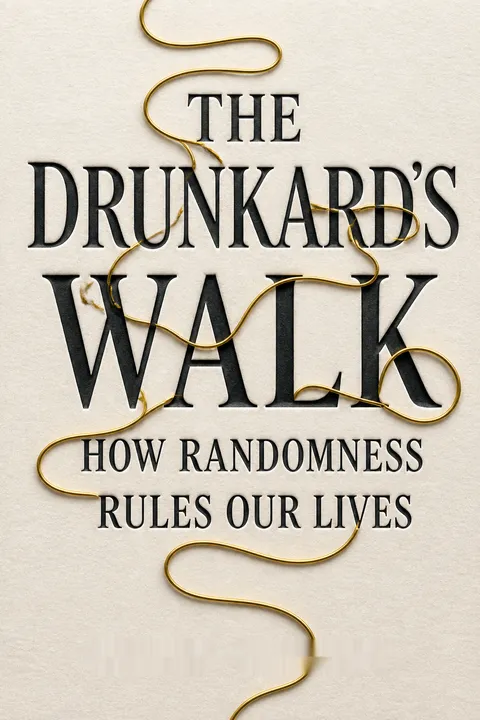

أهم النقاط
1. يلعب العشوائية دورًا حاسمًا في تشكيل حياتنا ونجاحنا
"غالبًا ما تأتي الأحداث العشوائية مثل الزبيب في علبة الحبوب – في مجموعات، وسلاسل، وتجمعات."
العوامل غير المتوقعة تؤثر على النتائج. تتشكل حياتنا باستمرار من خلال أحداث عشوائية، تمامًا كما يتوزع الزبيب بشكل غير متوقع في الحبوب. يمكن لهذه الأحداث أن تؤثر بشكل كبير على مساراتنا المهنية، وعلاقاتنا، وإنجازاتنا الشخصية. على سبيل المثال، قد تؤدي مقابلة عشوائية إلى فرصة عمل، أو قد يؤثر تغير غير متوقع في السوق على استثماراتنا.
العشوائية تخلق فرصًا وتحديات في آن واحد. فبينما قد تؤدي العشوائية إلى نجاحات غير متوقعة، فإنها قد تسبب أيضًا نكسات غير متوقعة. إن فهم هذه الطبيعة المزدوجة للعشوائية يساعدنا على:
- البقاء منفتحين على إمكانيات جديدة
- تطوير الصمود في مواجهة النكسات
- إدراك أن ليس كل النتائج تحت سيطرتنا
2. الحدس البشري غالبًا ما يفشل في استيعاب الطبيعة الحقيقية للاحتمالات
"أدمغتنا ليست مهيأة جيدًا لحل مسائل الاحتمالات."
سوء فهم الاحتمالات يؤدي إلى قرارات خاطئة. كثيرًا ما يعجز الحدس البشري عن التعامل مع مفاهيم العشوائية والاحتمالات، مما يؤدي إلى سوء تفسير واتخاذ قرارات غير سليمة. يظهر هذا بوضوح في مجالات مثل:
- القمار والمشاركة في اليانصيب
- الاستثمارات المالية
- تقييم المخاطر في الحياة اليومية
تجاوز الانحيازات الحدسية يتطلب جهدًا واعيًا. لكي نتخذ قرارات أفضل مبنية على الاحتمالات، علينا أن:
- نثقف أنفسنا حول مفاهيم الاحتمالات الأساسية
- نستخدم أدوات وأُطُرًا لتحليل المواقف بموضوعية
- نكون واعين لميلنا إلى تفسير الأحداث العشوائية بشكل خاطئ
3. التوزيع الطبيعي وقانون الأعداد الكبيرة يفسران العديد من الظواهر
"التوزيع الطبيعي لا يساعدنا فقط على فهم هذه التباينات، بل مكّن من تطبيقات إحصائية عديدة تُستخدم على نطاق واسع اليوم في العلوم والتجارة."
منحنى الجرس يصف العديد من الظواهر الطبيعية والاجتماعية. التوزيع الطبيعي، أو منحنى الجرس، هو أداة قوية لفهم التباين في مجالات متعددة مثل:
- القياسات الفيزيائية (الطول، الوزن)
- درجات الاختبارات والأداء الأكاديمي
- عوائد الأسواق المالية
العينات الكبيرة تمثل السكان الأساسيين بدقة أكبر. ينص قانون الأعداد الكبيرة على أنه مع زيادة حجم العينة، يقترب متوسطها من المتوسط الحقيقي للسكان. هذا المبدأ ضروري لـ:
- إجراء استطلاعات دقيقة
- تقييم موثوقية النتائج التجريبية
- فهم السلوك طويل الأمد للعمليات العشوائية
4. الأنماط الماضية لا تضمن النتائج المستقبلية في العمليات العشوائية
"إذا كانت الأحداث عشوائية، فنحن لسنا في السيطرة، وإذا كنا نتحكم في الأحداث، فهي ليست عشوائية."
مغالطة المقامر تؤدي إلى توقعات خاطئة. يعتقد الناس خطأً أن الأحداث الماضية في عملية عشوائية تؤثر على النتائج المستقبلية. هذا الاعتقاد الخاطئ قد يؤدي إلى قرارات غير سليمة في مجالات مثل:
- استراتيجيات القمار والمراهنات
- الاستثمارات المالية
- توقع "سلاسل الفوز" في الرياضة
التعرف على العشوائية الحقيقية أمر حاسم. لتجنب الوقوع في مغالطة المقامر:
- افهم أن كل حدث في عملية عشوائية حقيقية مستقل بذاته
- استند في قراراتك إلى الاحتمالات الحالية لا إلى النتائج السابقة
- كن متشككًا تجاه الأنماط في العينات الصغيرة
5. الانحيازات المعرفية تشوه إدراكنا للعشوائية والسببية
"يفشل الناس بشكل منهجي في رؤية دور الصدفة في نجاح المشاريع ونجاح الأشخاص."
انحياز التأكيد يعزز المعتقدات القائمة. نميل إلى البحث عن المعلومات التي تؤكد أفكارنا المسبقة وتجاهل الأدلة المخالفة. يؤثر هذا الانحياز على تفسيرنا للأحداث العشوائية من خلال:
- نسب النجاح إلى المهارة والفشل إلى الحظ السيء
- المبالغة في تقدير قدرتنا على التنبؤ بالنتائج
- تجاهل دور الصدفة في النتائج الإيجابية
انحياز الإدراك بعد الحدث يخلق سرديات زائفة. بعد وقوع الحدث، نعتقد غالبًا أننا كنا قادرين على توقعه، مما يؤدي إلى:
- ثقة مفرطة في قدرتنا على التنبؤ بالمستقبل
- نسب السبب بشكل خاطئ في مواقف معقدة
- الفشل في التعلم من النتائج غير المتوقعة حقًا
6. النجاح غالبًا ما يكون مزيجًا من المهارة والمثابرة والصدفة
"من الأكثر موثوقية الحكم على الأشخاص من خلال تحليل قدراتهم بدلاً من مجرد النظر إلى لوحة النتائج."
الموهبة وحدها لا تضمن النجاح. رغم أهمية المهارة والعمل الجاد، تلعب العوامل العشوائية دورًا كبيرًا في تحديد النتائج. يتجلى ذلك في مجالات مثل:
- الأعمال: تؤثر ظروف السوق والتوقيت بشكل كبير على نجاح الشركة
- الفنون والترفيه: تعتمد لحظات الانطلاق أحيانًا على لقاءات أو فرص غير متوقعة
- الاكتشافات العلمية: لعبت الصدفة دورًا في العديد من الاكتشافات المهمة
المثابرة تزيد من فرص النجاح. من خلال وضع أنفسنا باستمرار في مواقف النجاح، نزيد فرص استفادتنا من الأحداث الإيجابية العشوائية. يشمل هذا النهج:
- تطوير عقلية النمو
- التعلم من الفشل والنكسات
- الاستمرار في الجهد على مدى فترات طويلة
7. فهم العشوائية يمكن أن يؤدي إلى اتخاذ قرارات أفضل وزيادة الصمود
"الخطوة الأولى هي إدراك أن النجاح أو الفشل أحيانًا لا ينشأ من مهارة عظيمة أو عدم كفاءة كبيرة، بل من، كما كتب الاقتصادي أرمين أليشيان، 'ظروف عارضة'."
الاعتراف بالعشوائية يقلل من التوتر واللوم. إدراك دور الصدفة في النتائج يمكن أن يؤدي إلى:
- تعاطف أكبر مع إخفاقات الآخرين
- تقليل لوم الذات على النكسات
- توقعات أكثر واقعية للنجاح
التكيف مع عدم اليقين يحسن اتخاذ القرار. من خلال تقبل الطبيعة غير المتوقعة للحياة، يمكننا:
- التركيز على العمليات بدلاً من النتائج
- وضع خطط بديلة لسيناريوهات مختلفة
- البقاء مرنين ومنفتحين على الفرص الجديدة
8. وهم السيطرة يؤثر على تفسيرنا للأحداث
"بينما قد يدفع الناس بالكلام عن مفهوم الصدفة، فإنهم يتصرفون كما لو أن الأحداث العشوائية تحت سيطرتهم."
المبالغة في تقدير السيطرة الشخصية تؤدي إلى أحكام خاطئة. يعتقد الناس غالبًا أن لديهم تأثيرًا أكبر على الأحداث العشوائية مما هو عليه في الواقع. يمكن أن يؤدي هذا الوهم إلى:
- توتر غير ضروري عندما لا تتطابق النتائج مع التوقعات
- ثقة مفرطة في المواقف الخطرة
- الفشل في إدراك حدود الوكالة الشخصية
التوازن بين السيطرة والقبول يحسن الرفاهية. للتعامل مع عدم اليقين بشكل أفضل:
- ركز على العوامل التي يمكنك التحكم بها مع الاعتراف بالعشوائية
- طور استراتيجيات للتكيف مع النتائج غير المتوقعة
- نمِّ عقلية تجمع بين الجهد والقبول بالصدفة
9. التفكير الإحصائي ضروري لفهم البيانات والتنبؤات
"انتقل العلماء لحماية أنفسهم من التعرف على أنماط زائفة من خلال تطوير طرق التحليل الإحصائي لتحديد ما إذا كانت مجموعة الملاحظات تدعم فرضية ما بشكل جيد أو إذا كان الدعم الظاهر يرجع على الأرجح إلى الصدفة."
المعرفة الإحصائية تساعد على تجنب سوء التفسير. فهم المفاهيم الإحصائية الأساسية ضروري لـ:
- تقييم الادعاءات العلمية ونتائج الأبحاث
- اتخاذ قرارات مستنيرة بناءً على البيانات
- التعرف على متى تشير الارتباطات إلى علاقة سببية
مفاهيم إحصائية أساسية للحياة اليومية:
- حجم العينة وتمثيلها
- الارتباط مقابل السببية
- الدلالة الإحصائية
- الانحدار نحو المتوسط
10. انحياز الإدراك بعد الحدث يؤدي إلى ثقة مفرطة في قدرتنا على التنبؤ
"بعد وقوع الحدث، بالطبع، يكون الإشارة واضحة كالكريستال؛ يمكننا الآن رؤية الكارثة التي كانت تشير إليها... لكن قبل الحدث، تكون غامضة ومليئة بمعانٍ متضاربة."
تبدو الأحداث الماضية أكثر قابلية للتنبؤ مما كانت عليه فعلاً. يؤدي انحياز الإدراك بعد الحدث إلى المبالغة في تقدير قدرتنا على توقع الأحداث الماضية، مما يسبب:
- ثقة مفرطة في التنبؤات المستقبلية
- لوم غير عادل لصانعي القرار الذين واجهوا عدم اليقين
- الفشل في التعلم من النتائج غير المتوقعة حقًا
مكافحة انحياز الإدراك بعد الحدث يتطلب جهدًا واعيًا:
- توثيق التوقعات وعمليات اتخاذ القرار
- مراجعة وتحليل القرارات السابقة بانتظام
- الاعتراف بدور الصدفة في النجاحات والإخفاقات على حد سواء
قرأ الآخرون أيضًا



الأسئلة الشائعة
What's The Drunkard's Walk about?
- Exploration of randomness: The book examines how randomness influences our lives, decisions, and perceptions, often in ways we don't realize.
- Historical context: Leonard Mlodinow provides a historical overview of probability theory, highlighting contributions from figures like Gerolamo Cardano and Blaise Pascal.
- Real-life applications: It illustrates how randomness affects everyday situations, from gambling to decision-making, helping readers recognize the role of chance in their lives.
Why should I read The Drunkard's Walk?
- Enhances critical thinking: The book sharpens your understanding of probability and randomness, encouraging you to question assumptions and recognize biases.
- Practical insights: Mlodinow offers practical insights applicable to investing, parenting, and health, leading to better decision-making.
- Engaging narrative: The book combines storytelling with scientific concepts, making complex ideas accessible and enjoyable.
What are the key takeaways of The Drunkard's Walk?
- Role of chance: Chance plays a significant role in our lives, often more than we realize, influencing outcomes beyond skill or effort.
- Misinterpretation of data: People often misinterpret statistical data, leading to flawed conclusions, as illustrated by concepts like the "law of small numbers."
- Understanding probability: Readers gain a better understanding of probability, learning to assess risks and make informed decisions.
What are the best quotes from The Drunkard's Walk and what do they mean?
- "Life is both hard to predict and hard to interpret." This quote emphasizes life's unpredictability due to randomness, suggesting our attempts to make sense of events can lead to misunderstandings.
- "Success or failure sometimes arises neither from great skill nor from great incompetence but from fortuitous circumstances." It highlights that many outcomes are determined by chance rather than individual merit.
- "The human mind is built to identify for each event a definite cause." This points to a cognitive bias where people seek clear explanations, often overlooking randomness.
How does Leonard Mlodinow explain randomness in The Drunkard's Walk?
- Randomness defined: Mlodinow defines randomness as the lack of a predictable pattern or order in events, influencing many processes in nature and human affairs.
- Drunkard's walk metaphor: The title refers to a mathematical concept describing random motion, illustrating life's unpredictability.
- Impact on decision-making: Understanding randomness can improve decision-making by recognizing when chance influences choices.
What is the "law of large numbers" as discussed in The Drunkard's Walk?
- Definition of the law: It states that as the number of trials increases, observed frequencies of outcomes converge to their expected probabilities.
- Jakob Bernoulli's contribution: Bernoulli formalized this concept, explaining why larger samples yield more reliable results.
- Practical implications: It has applications in finance, medicine, and social sciences, emphasizing the importance of sufficient trials for accurate estimates.
What is the "gambler's fallacy" mentioned in The Drunkard's Walk?
- Definition of the fallacy: The gambler's fallacy is the mistaken belief that past independent events influence future outcomes in random processes.
- Psychological implications: This fallacy arises from cognitive biases and the human tendency to seek patterns in randomness.
- Real-life examples: It manifests in contexts like sports betting and stock market investments, leading to poor decision-making.
How does Mlodinow address the concept of "false positives" in The Drunkard's Walk?
- Understanding false positives: A false positive occurs when a test incorrectly indicates the presence of a condition, relevant in medical testing and statistical analysis.
- Bayesian perspective: Bayesian analysis helps assess the likelihood of false positives by considering prior probabilities and condition prevalence.
- Implications for decision-making: Understanding false positives is crucial for informed decisions, especially in healthcare and legal contexts.
What is the "Monty Hall problem" and how is it explained in The Drunkard's Walk?
- Overview of the problem: It involves a game show scenario where a contestant chooses between three doors, with a prize behind one.
- Counterintuitive solution: Switching doors increases the contestant's chances of winning from 1/3 to 2/3, illustrating how probabilities shift.
- Importance of understanding: The problem shows how human intuition can be misleading in probability, encouraging critical thinking.
How does The Drunkard's Walk relate to decision-making in everyday life?
- Influence of randomness: Recognizing randomness's role can lead to better decision-making, avoiding reliance solely on intuition.
- Application of probability concepts: The book encourages applying concepts like the law of large numbers to everyday situations.
- Improving judgment: It aims to improve judgment by fostering a deeper understanding of randomness and probability.
What is the butterfly effect, and how is it explained in The Drunkard's Walk?
- Definition of the butterfly effect: It refers to small changes in initial conditions leading to vastly different outcomes.
- Lorenz's discovery: Edward Lorenz found that tiny data differences could lead to dramatically different weather predictions.
- Implications for life: The butterfly effect applies to many life aspects, highlighting chance's role in shaping experiences.
How can I apply the concepts from The Drunkard's Walk to my life?
- Embrace uncertainty: Accepting randomness as a natural part of life can lead to more informed decisions and reduced anxiety.
- Learn from failure: Viewing failures as growth opportunities encourages risk-taking and pursuing new opportunities.
- Cultivate awareness: Understanding chance and cognitive biases can improve decision-making and provide a nuanced life perspective.


تحميل PDF
تحميل EPUB
.epub digital book format is ideal for reading ebooks on phones, tablets, and e-readers.








































