أهم النقاط
1. تعرف على الحلم ودورك كحالم
تخيل للحظة أنك في حلم.
العالم هو حلم. في التقليد التولتيكي، تُعتبر واقعنا حلمًا جماعيًا، حيث يختبر كل فرد حلمه الشخصي بداخله. هذا المفهوم يدعونا لأن نرى أنفسنا كحالمين وحلم في آنٍ واحد، قادرين على تشكيل واقعنا.
نحن نشارك في خلق الواقع. تصوراتنا ومعتقداتنا وأفعالنا تساهم في "حلم الكوكب" المشترك. ومن خلال إدراك هذا، نستطيع تحمل مسؤولية دورنا في خلق تجاربنا وتفاعلاتنا مع الآخرين.
الوعي هو المفتاح. يبدأ طريق الإتقان بالوعي بأننا نحلم وأن لدينا القدرة على التأثير في حلمنا. هذا الوعي يمكننا من السير في الحياة بنية وحرية أكبر.
2. افهم وتحرر من الترويض والارتباطات
الارتباط هو فعل أخذ شيء ليس جزءًا منك وجعله جزءًا منك من خلال استثمار عاطفي أو طاقي.
الترويض يشكل معتقداتنا. منذ الطفولة، نُشَكَّل على تبني معتقدات وسلوكيات معينة عبر نظام من المكافآت والعقوبات. وغالبًا ما يؤدي هذا الترويض إلى التخلي عن ذاتنا الحقيقية مقابل من نعتقد أنه يجب أن نكون.
الارتباطات تقيد حريتنا. نرتبط بأشياء خارجية ومعتقدات وأفكار، مما يجعلها جزءًا من هويتنا. وهذه الارتباطات قد تسبب المعاناة عند تهديدها وتحد من قدرتنا على رؤية الأمور بوضوح.
التحرر يتطلب وعيًا. إدراك ترويضنا وارتباطاتنا هو الخطوة الأولى لتحريرها. هذه العملية تتيح لنا استعادة ذاتنا الحقيقية واتخاذ قرارات مبنية على تفضيلاتنا الحقيقية بدلًا من ردود الأفعال المشروطة.
3. ازرع الحب غير المشروط لنفسك وللآخرين
الحب غير المشروط هو إدراك القداسة في كل إنسان نلتقي به، بغض النظر عن دوره في الحياة أو اتفاقه مع طريقة تفكيرنا الخاصة.
حب الذات هو الأساس. زراعة الحب غير المشروط للذات هو حجر الأساس للحرية الشخصية والعلاقات الصحية. يعني قبول نفسك وتقديرها بغض النظر عن الظروف الخارجية أو الإنجازات.
مد الحب للآخرين. عندما نحب الآخرين بلا شروط، نراهم كما هم حقًا – تجليات للقداسة – دون أن نُسقط عليهم توقعاتنا أو أحكامنا.
المغفرة هي المفتاح. ممارسة المغفرة، لنفسك وللآخرين، ضرورية للحفاظ على الحب غير المشروط. فهي تحررك من السيطرة التي تمارسها الأحداث الماضية وتتيح لك التفاعل مع اللحظة الحاضرة بشكل أعمق.
4. اتقن عواطفك وتجاوز الصراعات
لا أحد غيرك مسؤول عن ردود فعلك العاطفية.
العواطف معلمون. عواطفنا أدوات ثمينة لاكتشاف الذات والنمو. تكشف عن ارتباطاتنا ومخاوفنا ومجالات تطورنا الشخصي.
الوعي يسبق الإتقان. التعرف على عواطفنا وقبولها عند ظهورها هو الخطوة الأولى لإدارتها بفعالية. هذا الوعي يمكننا من الرد بتروٍ بدلًا من رد الفعل التلقائي.
الصراع فرصة. يمكن النظر إلى الخلافات والصراعات كفرص للنمو والفهم الأعمق. من خلال التعامل معها بالاحترام والحب غير المشروط، نستطيع تجاوزها بفعالية والحفاظ على نزاهتنا الشخصية.
5. اكسر دائرة ردود الفعل التلقائية
بدون وعي، تقيد الأفعال المتكررة قدرة العقل على إدراك كل الخيارات المتاحة.
القيادة الذاتية المحدودة تعيق النمو. كثير من قراراتنا وأفعالنا اليومية تتم تلقائيًا دون تفكير واعٍ. وهذا قد يؤدي إلى العيش على وضع الطيار الآلي، مما يحد من إمكاناتنا للنمو وتجارب جديدة.
ازرع الوعي. ممارسة اليقظة واتخاذ القرارات الواعية تساعد في كسر دائرة ردود الفعل التلقائية. يتطلب ذلك التوقف للتفكير في خياراتنا ومدى توافقها مع ذاتنا الحقيقية.
احتضن الإمكانيات الجديدة. بالتحرر من ردود الفعل التلقائية، نفتح لأنفسنا مجالًا أوسع من الإمكانيات في كل موقف. وهذا يؤدي إلى تجارب أكثر وعيًا وإشباعًا.
6. ارتدِ وازلِ الأقنعة بوعي
سيد الذات يرتدي أي قناع بوعي كامل أنه مجرد قناع، هوية مؤقتة تخدم وظيفة معينة، ويتخلى عنه بسهولة عندما لا يعود ضروريًا.
الأقنعة تخدم غرضًا. كلنا نرتدي أقنعة أو أدوارًا مختلفة في مواقف متنوعة. هذه الأدوات تساعدنا في التنقل بين التفاعلات الاجتماعية والعلاقات.
تجنب التماهي مع الأقنعة. الخطر يكمن في الاعتقاد بأن هذه الأقنعة هي ذاتنا الحقيقية. سيد الذات يدرك أن الأقنعة مؤقتة ولا تعكس هويته الأصيلة.
مارس التحول الواعي. استخدم الأقنعة بنية واضحة للتفاعل بفعالية مع الآخرين، مع الحفاظ على وعيك بذاتك الحقيقية طوال الوقت. هذا يسمح بعلاقات صادقة مع الحفاظ على النزاهة الشخصية.
7. حدد أهدافك من منطلق حب الذات
عندما تستخدم حب الذات غير المشروط كنقطة انطلاق عند تحديد أي هدف، تبقى واعيًا أن الكمال ليس مرتبطًا بالنتيجة النهائية، بل بحقيقة اللحظة الحاضرة.
تجنب حب الذات المشروط. كثير من الناس يحددون أهدافهم من مكان الحكم على الذات أو الشعور بالنقص، مما يجعل قيمتهم الذاتية مرتبطة بتحقيق نتائج معينة. هذا النهج غالبًا ما يؤدي إلى المعاناة والشك الذاتي.
احب نفسك طوال الرحلة. حدد أهدافك من أساس حب الذات غير المشروط، معترفًا بقيمتك الجوهرية بغض النظر عن النتائج. هذا النهج يعزز الدافع الحقيقي والمرونة.
استمتع بالرحلة. عندما تحدد أهدافك بحب الذات، تستطيع الاستمتاع بعملية السعي نحوها بغض النظر عن النتيجة النهائية. هذه العقلية تؤدي إلى إشباع ونمو شخصي أكبر.
8. احتضن الوفرة ورفض عقلية الندرة
هناك دائمًا ما يكفي من كل ما تحتاجه في هذه اللحظة.
الندرة أسطورة. الاعتقاد بالندرة غالبًا ما يولد الخوف والتنافس والشعور بالنقص. الاعتراف بالوفرة يتيح نهجًا أكثر سلامًا وتعاونًا في الحياة.
ثق في رزق الحياة. سيد الذات يفهم أن الحياة توفر بالضبط ما هو مطلوب في كل لحظة، حتى وإن لم يتطابق مع رغباتنا أو توقعاتنا.
ازرع الامتنان والثقة. من خلال احتضان الوفرة والثقة في مسار الحياة، نستطيع التخلي عن الحاجة للسيطرة على النتائج والتركيز بدلاً من ذلك على استثمار كل لحظة بأفضل شكل.
ملخص المراجعات
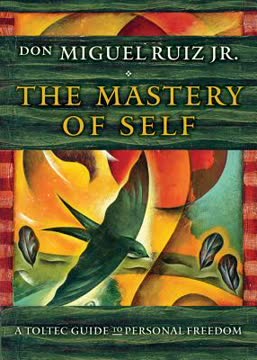
يحظى كتاب "إتقان الذات" بإشادة واسعة من القراء لما يحتويه من حكمة عملية حول حب الذات، والتسامح، والنمو الشخصي. يجد الكثيرون في هذا الكتاب تحولًا حقيقيًا في حياتهم، إذ يقدم تمارين وأفكارًا قيمة تساعد على التحرر من القيود الاجتماعية المفروضة. يثمن القراء أسلوب الكتابة الواضح والأمثلة القريبة من الواقع، ويشير بعضهم إلى تشابهات مع كتب تطوير الذات الأخرى، بينما يبرز آخرون المنظور الفريد للثقافة التولتيكية التي يتبناها الكتاب. تتردد رسائل الكتاب حول الحب غير المشروط، وتحديد الأهداف، والصدق مع النفس بقوة في نفوس معظم القراء، الذين يوصون به لكل من يسعى إلى التطور الشخصي والروحي.
قرأ الآخرون أيضًا
الأسئلة الشائعة
What's "The Mastery of Self" about?
- Personal Freedom: "The Mastery of Self" by Miguel Ruiz Jr. is a guide to achieving personal freedom through self-awareness and self-mastery, rooted in Toltec wisdom.
- Toltec Tradition: The book draws on the teachings of the Toltec tradition, emphasizing the importance of understanding oneself as an artist of life.
- Self-Discovery: It provides tools and exercises to help readers uncover self-limiting beliefs and release attachments that hinder personal growth.
- Practical Application: The book encourages readers to apply ancient wisdom in modern life to achieve clarity and live authentically.
Why should I read "The Mastery of Self"?
- Self-Improvement: If you're seeking personal growth and a deeper understanding of yourself, this book offers practical guidance.
- Ancient Wisdom: It provides insights from the Toltec tradition, offering a unique perspective on self-mastery and personal freedom.
- Actionable Exercises: The book includes exercises designed to help you incorporate its teachings into your daily life.
- Empowerment: Reading this book can empower you to break free from domestication and attachments, leading to a more fulfilling life.
What are the key takeaways of "The Mastery of Self"?
- Know Thyself: Understanding oneself is crucial for personal freedom and is a central theme of the book.
- Domestication and Attachments: Recognizing and releasing these are essential steps toward self-mastery.
- Unconditional Love: Practicing unconditional love for oneself and others is a powerful tool for transformation.
- Awareness and Choice: Cultivating awareness allows for conscious choices, breaking the cycle of automatic responses.
How does Miguel Ruiz Jr. define "domestication" in "The Mastery of Self"?
- System of Control: Domestication is described as a system of control where individuals are conditioned to adopt beliefs and behaviors through rewards and punishments.
- Self-Domestication: Over time, people internalize these beliefs and continue to self-domesticate, often without external influence.
- Impact on Identity: This process can lead to living a life that is not truly one's own, as individuals conform to external expectations.
- Breaking Free: The book emphasizes the importance of recognizing and breaking free from domestication to reclaim one's authentic self.
What is "attachment" according to "The Mastery of Self"?
- Emotional Investment: Attachment involves emotionally or energetically investing in something that is not inherently part of oneself.
- Beyond Material Objects: While it can start with material possessions, attachment often extends to beliefs, ideas, and roles.
- Source of Suffering: Attachments can lead to suffering when they are threatened, whether the threat is real or perceived.
- Awareness and Release: The book encourages awareness of attachments and the practice of letting them go to achieve personal freedom.
How does "The Mastery of Self" suggest practicing unconditional love?
- Self-Love First: The book emphasizes starting with unconditional love for oneself, as you cannot give what you do not have.
- Transforming the Narrator: It involves transforming the internal narrator from a parasite, which uses negative self-talk, to an ally that inspires and supports.
- Forgiveness: Practicing forgiveness for oneself and others is a key component of unconditional love.
- Respect and Acceptance: Unconditional love involves respecting others' choices and accepting them without trying to control or change them.
What exercises does "The Mastery of Self" include to help readers?
- Identifying Domestications: Exercises to help readers recognize ideas instilled in them that no longer serve their true self.
- Releasing Attachments: Activities designed to identify and let go of attachments to material items, beliefs, and roles.
- Forgiveness Rituals: Practices to facilitate forgiveness of past grievances, both for oneself and others.
- Awareness Development: Exercises to enhance present-moment awareness and break the cycle of automatic responses.
What is the role of "masks" in "The Mastery of Self"?
- Temporary Identities: Masks are temporary identities or roles that people wear to relate to others in specific situations.
- Awareness of Masks: The book stresses the importance of recognizing that these masks are not the true self.
- Shape-Shifting: A Master of Self can choose to wear or discard masks as needed, without losing sight of their authentic self.
- Avoiding Identity Confusion: The book warns against confusing any mask with one's true identity, as this leads to suffering.
How does "The Mastery of Self" address goal setting?
- Unconditional Self-Love: Goals should be set from a place of unconditional self-love, not fear or self-judgment.
- Enjoying the Process: The focus is on enjoying the journey and the process of working toward goals, rather than just the outcome.
- Awareness of Motivation: It encourages awareness of the motivations behind goals to ensure they align with one's true desires.
- Flexibility and Adaptation: The book advises being open to changing goals if necessary, without self-judgment.
What does "The Mastery of Self" say about comparison and competition?
- Myth of Scarcity: The book challenges the myth of scarcity, which leads to fear and competition among individuals.
- Trust in Abundance: It promotes the idea that there is always enough of what is needed in the moment.
- Role Models vs. Comparison: While role models can inspire, comparing oneself to them can lead to self-domestication.
- Unique Path: Emphasizes forging one's own path and being content with one's unique journey.
What are the best quotes from "The Mastery of Self" and what do they mean?
- "A moment of clarity without any action is just a thought that passes in the wind." This quote emphasizes the importance of taking action on insights for them to have a meaningful impact.
- "You become a Master of Self when you can engage the Dream of the Planet and everyone in it without losing sight of your Authentic Self." It highlights the goal of maintaining one's true self while interacting with the world.
- "Understanding the teachings is the first step, but applying them is what makes you a Master." This underscores the necessity of practical application of knowledge for true mastery.
- "You are not your thoughts." A reminder that one's true self is beyond the internal narrator and its judgments.
How does "The Mastery of Self" relate to the Toltec tradition?
- Toltec Wisdom: The book is rooted in the Toltec tradition, which views individuals as artists of life, creating their own reality.
- Eagle Knight Lineage: Miguel Ruiz Jr. is part of the Eagle Knight lineage, continuing the teachings passed down through generations.
- Ancient Teachings, Modern Application: The book presents ancient Toltec wisdom in a way that is applicable to modern life.
- Focus on Self-Mastery: The Toltec tradition emphasizes self-mastery as a path to personal freedom and fulfillment.