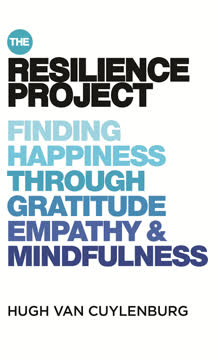
أهم النقاط
1. يولد الصمود من المحن: معركة أخت المؤلف مع فقدان الشهية العصبي
"إذا أكلت الطعام ستتحسن وستعود عائلتنا سعيدة مرة أخرى، ولن يبكي والديّ، فلماذا لا تأكل فقط؟"
أزمة عائلية كمحفز. كانت معاناة أخت المؤلف جورجيا مع فقدان الشهية العصبي بمثابة المحك لفهم المرض النفسي وقوة الصمود. في البداية، لم يُفهم حالها جيدًا وواجهت إحباطًا، لكن كفاحها أدى في النهاية إلى رؤى عميقة حول التعاطف والدعم وتعقيدات تحديات الصحة النفسية.
فهم تحولي. رحلة المؤلف من الإنكار إلى القبول بحالة أخته تعكس التحول المجتمعي الأوسع في كيفية النظر إلى المرض النفسي. أصبحت هذه التجربة الشخصية أساسًا لمهمته مدى الحياة لمساعدة الآخرين على بناء الصمود وإيجاد السعادة.
2. الامتنان يغير النظرة: دروس من قرية هندية نائية
"ديس!"
درس ستانزين القوي. في قرية نائية في جبال الهيمالايا، التقى المؤلف بستانزين، فتى صغير جسد الامتنان من خلال الإشارة المستمرة وتقدير الأشياء البسيطة في الحياة. أصبحت هذه التجربة حجر الزاوية في نهج المؤلف نحو السعادة والصمود.
الامتنان في التطبيق. تعلم المؤلف أن التركيز النشط على ما يملكه الإنسان والتعبير عن الامتنان له، بدلاً من التذمر على ما ينقصه، يمكن أن يحسن بشكل كبير من الصحة النفسية. وأصبح هذا المبدأ جزءًا أساسيًا من نهج GEM (الامتنان، التعاطف، اليقظة الذهنية) الذي طوره المؤلف.
3. التعاطف واللطف محفزان للسعادة
"عندما تفعل شيئًا لطيفًا لشخص آخر، يفرز دماغك الأوكسيتوسين، المعروف بـ 'هرمون الحب'."
علم اللطف. تظهر الأبحاث أن أفعال التعاطف واللطف تحفز إفراز الأوكسيتوسين، مما يعزز مشاعر الفرح والسعادة والمحبة. هذا الاستجابة البيولوجية تؤكد أهمية التعاطف في تعزيز الرفاهية الشخصية والمجتمعية.
تنمية التعاطف. يؤكد المؤلف على أهمية ممارسة التعاطف بنشاط من خلال:
- الاستماع دون حكم
- القيام بأعمال عشوائية من اللطف
- وضع النفس مكان الآخرين
- التعرف على مشاعر الآخرين وتأكيدها
4. ممارسة اليقظة الذهنية تعزز الرفاهية العاطفية
"تجلس متربعًا على أرض صلبة وتشعر بالألم، لكن بمحاولة مراقبة الألم بدلاً من التفاعل معه، يميل إلى التلاشي. الأمر نفسه ينطبق على الألم العاطفي."
اليقظة كأداة. يصف المؤلف كيف تساعد ممارسات اليقظة الذهنية، وخاصة التأمل، الأفراد على إدارة التوتر والقلق والألم العاطفي. من خلال التركيز على اللحظة الحالية ومراقبة الأفكار والأحاسيس دون حكم، يمكن للناس تطوير صمود عاطفي أكبر.
دمج اليقظة. يقترح المؤلف طرقًا مختلفة لدمج اليقظة في الحياة اليومية:
- جلسات تأمل يومية
- تمارين التنفس الواعي
- تقنيات مسح الجسم
- الوعي باللحظة الحالية أثناء الأنشطة الروتينية
5. قوة الاتصال الشخصي في التغلب على التحديات
"إذا لم تكن متأكدًا، من الأفضل أن تسألهم فقط."
أهمية التواصل. يؤكد المؤلف على الدور الحاسم للاتصالات الشخصية في الصحة النفسية والصمود. يشارك قصصًا عن كيف يمكن لأفعال بسيطة من التواصل وإظهار الاهتمام الحقيقي برفاهية الآخرين أن تحدث تأثيرات عميقة.
بناء علاقات ذات معنى. يقترح المؤلف:
- الاستماع النشط للآخرين
- إظهار الضعف والصدق
- المتابعة المنتظمة مع الأصدقاء والأحباء
- خلق فرص للحوار العميق والهادف
6. تطبيق مبادئ GEM في الرياضة والتعليم
"إذا أردت أن تكون جيدًا في شيء عليك أن تتدرب عليه. أفهم ذلك لأنني رياضي محترف. أعرف كيف أتدرب وأمارس هذه الأمور."
GEM في الميدان. يصف المؤلف كيف تم تطبيق مبادئ الامتنان والتعاطف واليقظة الذهنية بنجاح في فرق رياضية ومؤسسات تعليمية مختلفة. أدت هذه الممارسات إلى تحسين الأداء، وتماسك الفريق، والرفاهية الفردية.
تطبيقات عملية. تشمل أمثلة تطبيق GEM:
- تدوين الامتنان من قبل الرياضيين
- تمارين بناء التعاطف في بيئات الفريق
- جلسات اليقظة قبل المباريات أو الدروس
- دمج مبادئ GEM في روتين التدريب اليومي
7. أهمية الهدف والعيش في اللحظة الحاضرة
"خطتي هي أن أمنح كل لحظة أعيشها كامل انتباهي وتركيزي، سواء مع عائلتي أو أصدقائي، في المدارس أو مع فرق الرياضة أو الشركات."
إيجاد الهدف. يؤكد المؤلف على أهمية تحديد الهدف الأسمى الذي يتجاوز الأهداف أو الإنجازات المحددة. هذا الإحساس الشامل بالهدف يوفر الاتجاه والإشباع، حتى في مواجهة النكسات أو التحديات.
التركيز على اللحظة الحاضرة. يدعو المؤلف إلى:
- منح الانتباه الكامل للمهمة أو التفاعل الحالي
- تجنب القلق المفرط بشأن المستقبل
- تقدير وتجربة كل لحظة بشكل كامل
- إدراك أن الإشباع الحقيقي يأتي من الحضور الواعي
8. تأثير التكنولوجيا على الصحة النفسية واستراتيجيات استعادة الانتباه
"نحن مستهدفون من قبل منصات التواصل الاجتماعي التي تستخدم تقنيات تManipulative مصممة لجعلنا نعود إلى شاشاتنا باستمرار."
اليقظة الرقمية. يسلط المؤلف الضوء على الآثار السلبية للاستخدام المفرط للتكنولوجيا على الصحة النفسية ويقدم استراتيجيات لاستعادة الانتباه وتحسين الرفاهية.
خطوات عملية. تشمل التوصيات:
- حذف تطبيقات التواصل الاجتماعي من الهواتف
- إيقاف الإشعارات
- إعادة ترتيب شاشات الهواتف لتقليل المشتتات
- ممارسة "الديتوكس الرقمي" بانتظام
- الوعي بوقت الشاشة وتأثيره على المزاج والعلاقات
9. مشروع الصمود: نشر السعادة من خلال مبادئ GEM
"هدفي ببساطة هو مساعدة الناس على أن يكونوا أكثر سعادة."
مهمة السعادة. يصف المؤلف نمو مشروع الصمود من مهمة شخصية إلى حركة واسعة النطاق تهدف إلى تحسين الصحة النفسية والرفاهية من خلال مبادئ الامتنان والتعاطف واليقظة الذهنية.
التأثير والتوسع. لقد وصل مشروع الصمود إلى:
- أكثر من 1400 مدرسة في أستراليا
- العمل مع فرق رياضية محترفة وشركات
- التوسع دوليًا إلى نيوزيلندا والمملكة المتحدة
- التركيز على الممارسات المبنية على الأدلة لتحسين الصحة النفسية
- التأكيد على أهمية التعاون في مجال الصحة النفسية
تُظهر رحلة المؤلف من تجاربه الشخصية مع المرض النفسي إلى إنشاء برنامج واسع النطاق لتحسين الصحة النفسية قوة الصمود وإمكانية التغيير الإيجابي من خلال ممارسات بسيطة يومية.
ملخص المراجعات
يحظى كتاب "مشروع الصمود" بتقييمات متباينة. فالكثيرون يثنون على رسالته الملهمة وسهولة قراءته، ويجدون قيمة في تركيزه على الامتنان، والتعاطف، واليقظة الذهنية. ومع ذلك، يرى النقاد أنه يفتقر إلى العمق، ويعتمد بشكل مفرط على قصص رياضية، كما يبسط قضايا الصحة النفسية المعقدة بشكل مفرط. بعض القراء يقدرون القصص الشخصية التي يرويها، في حين يعتبرها آخرون نوعًا من التفاخر الذاتي. كما أن نهج الكتاب في موضوع الصمود واستخدامه لتجارب التطوع السياحي يثيران جدلاً واسعًا. وبشكل عام، يبدو أن آراء القراء منقسمة حول فعاليته كدليل للتنمية الذاتية مقارنة بسيرته الذاتية.
قرأ الآخرون أيضًا



الأسئلة الشائعة
What's "The Resilience Project" about?
- Focus on Happiness: "The Resilience Project" by Hugh van Cuylenburg explores how to lead a happier, more contented, and fulfilling life through gratitude, empathy, and mindfulness.
- Personal Journey: The book is based on Hugh's experiences as a teacher in India, where he observed the happiness and resilience of underprivileged children.
- Mental Health Awareness: It addresses the contrast between the mental health struggles in developed countries and the contentment found in less privileged communities.
- Practical Tools: The book provides tools and exercises to help readers integrate gratitude, empathy, and mindfulness into their daily lives.
Why should I read "The Resilience Project"?
- Improved Wellbeing: The book offers practical advice on improving mental health and overall wellbeing through simple daily practices.
- Inspirational Stories: Hugh shares personal and moving stories, including his sister's battle with anorexia, which provide real-life context to the concepts discussed.
- Scientific Backing: The principles of gratitude, empathy, and mindfulness are supported by research and studies, making the advice credible and actionable.
- Universal Relevance: The lessons and exercises are applicable to anyone, regardless of age or background, aiming to enhance personal happiness and resilience.
What are the key takeaways of "The Resilience Project"?
- Gratitude: Focus on what you have rather than what you lack to cultivate happiness.
- Empathy: Being kind and understanding towards others can significantly boost your own happiness.
- Mindfulness: Practicing mindfulness helps you stay present and reduces stress and anxiety.
- Connection: Building strong, meaningful connections with others is crucial for mental health and resilience.
How did Hugh van Cuylenburg's experiences in India influence "The Resilience Project"?
- Observations of Happiness: Hugh noticed the happiness and resilience of children in a remote Indian village despite their lack of material wealth.
- Key Traits Identified: He identified gratitude, empathy, and mindfulness as the key traits contributing to their happiness.
- Personal Transformation: The experience was transformative for Hugh, leading him to integrate these principles into his own life and work.
- Foundation of the Project: These observations became the foundation for The Resilience Project, which aims to teach these principles to others.
What is the significance of gratitude in "The Resilience Project"?
- Focus on Positives: Gratitude involves focusing on the positives in life, which can shift your mindset from scarcity to abundance.
- Daily Practice: Hugh suggests writing down three things that went well each day to cultivate a habit of gratitude.
- Scientific Support: Research shows that practicing gratitude can improve mood, reduce symptoms of depression, and enhance overall wellbeing.
- Real-Life Examples: The book provides examples of how gratitude has positively impacted individuals, including Hugh's own experiences.
How does empathy play a role in "The Resilience Project"?
- Understanding Others: Empathy involves understanding and sharing the feelings of others, which can lead to acts of kindness.
- Oxytocin Release: Kind acts release oxytocin, the 'love hormone,' which promotes feelings of happiness and connection.
- Stanzin's Example: Hugh shares the story of Stanzin, a boy in India who exemplified empathy through his caring actions towards others.
- Practical Exercises: The book includes exercises to help readers practice empathy in their daily interactions.
What is mindfulness according to "The Resilience Project"?
- Present Moment Focus: Mindfulness is about focusing on the present moment, which can reduce stress and improve mental clarity.
- Daily Meditation: The book suggests incorporating meditation into daily routines to enhance mindfulness.
- Benefits of Mindfulness: Practicing mindfulness can lead to lower levels of stress, anxiety, and depression, and improve overall quality of life.
- Cultural Practices: Hugh observed the daily meditation practices of the villagers in India, which inspired him to include mindfulness in the project.
How does "The Resilience Project" address mental health issues?
- Personal Stories: Hugh shares personal stories, including his sister's struggle with anorexia, to highlight the impact of mental health issues.
- Practical Solutions: The book offers practical solutions through the principles of GEM (Gratitude, Empathy, Mindfulness) to improve mental health.
- Support Resources: It includes a list of mental health support services for readers who may need professional help.
- Community Impact: The project aims to create a positive impact on mental health in schools, sports teams, and workplaces.
What are some exercises from "The Resilience Project" to practice GEM?
- Gratitude Journaling: Write down three things that went well each day to cultivate gratitude.
- Empathy Letters: Write a letter to someone expressing gratitude or empathy to strengthen connections.
- Mindfulness Walks: Go for a walk and focus on three things you see, hear, and feel to practice mindfulness.
- Daily Reflection: Reflect on positive experiences and interactions to reinforce the practice of GEM.
How has "The Resilience Project" been implemented in schools and sports teams?
- School Programs: The project has been integrated into the curriculum of over 1400 schools, teaching students the principles of GEM.
- Sports Partnerships: It has been adopted by major sports teams, including AFL and NRL clubs, to enhance player wellbeing and resilience.
- Positive Feedback: The project has received positive feedback from educators, students, and athletes for its impact on mental health and performance.
- Ongoing Support: The Resilience Project provides ongoing support and resources to schools and teams to ensure the principles are effectively practiced.
What are the best quotes from "The Resilience Project" and what do they mean?
- "Focus on what you have, not what you don't have." This quote emphasizes the importance of gratitude in finding happiness.
- "Empathy is the ability to feel what another person is feeling." It highlights the role of empathy in building connections and fostering kindness.
- "Mindfulness is taking time to focus solely on the present moment." This quote underscores the benefits of mindfulness in reducing stress and improving mental clarity.
- "We are put on Earth to connect with others." It reflects the book's message about the importance of meaningful connections for mental health.
How can "The Resilience Project" help someone struggling with mental health?
- Practical Tools: The book provides practical tools and exercises to help manage stress, anxiety, and depression.
- Positive Mindset: It encourages a positive mindset through gratitude, empathy, and mindfulness practices.
- Supportive Community: The project fosters a supportive community in schools, sports teams, and workplaces to promote mental wellbeing.
- Professional Resources: It includes information on mental health support services for those who need professional help.








































