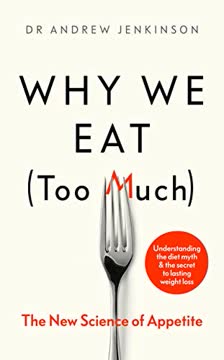
أهم النقاط
1. السمنة ليست مسألة قوة إرادة شخصية
"إذا سألت معظم أخصائيي التغذية أو الأطباء عما إذا كانوا على دراية بهذه الآلية – التكيف الأيضي مع الإفراط في الأكل – فسيجيبون بالنفي."
اللوم الشخصي غير مبرر. السمنة ليست مجرد نتيجة للكسل أو ضعف الإرادة. فالجسم البشري يمتلك آليات أيضية معقدة تتحكم في الوزن بشكل يتجاوز السيطرة الواعية. لقد فهم الأطباء السمنة تقليديًا على أنها فشل شخصي، بينما هي في الواقع عملية بيولوجية.
تعقيد الأيض. يحتوي الجسم على أنظمة متطورة للحفاظ على توازن الطاقة، منها:
- الأيض التكيفي الذي يحرق أو يخزن السعرات الحرارية
- الإشارات الهرمونية التي تتحكم في الشهية
- الاستعدادات الجينية لتنظيم الوزن
- التأثيرات البيئية على نقطة ضبط الوزن
سوء الفهم العلمي. التدريب الطبي التقليدي لا يفسر بشكل كافٍ الآليات البيولوجية للسمنة، مما يؤدي إلى علاجات غير فعالة ووصم اجتماعي. يعمل الجسم بنشاط للحفاظ على الوزن المثالي الذي يراه، وغالبًا ما يعارض محاولات فقدان الوزن الواعية.
2. لجسمك نقطة ضبط وزن محددة مسبقًا
"نقطة ضبط الوزن هي الملك الذي يحكم القاعدتين الأولى والثانية في علم الأيض – فهي المحركة لهما."
منظم حرارة الوزن البيولوجي. يمتلك الجسم آلية داخلية تشبه منظم الحرارة تحافظ على نطاق وزن محدد مسبقًا. تُحسب هذه النقطة بناءً على عوامل جينية وبيئية وتاريخية، مما يجعل فقدان الوزن أكثر تعقيدًا من مجرد حساب السعرات.
آليات نقطة الضبط:
- يتحكم بها الوطاء (الهيبوثالاموس)
- تتأثر بهرمونات مثل اللبتين
- تتكيف مع الإشارات البيئية
- يمكن رفعها أو خفضها بتدخلات محددة
آلية البقاء. تطورت نقطة ضبط الوزن كاستراتيجية حماية لضمان البقاء خلال فترات نقص الغذاء المحتملة، مما يجعل الجسم مقاومًا للتغيرات الكبيرة في الوزن.
3. الحميات الغذائية ترفع نقطة ضبط وزنك
"الحمية المتكررة طريقة فعالة لتدريب جسمك على السمنة."
التكيف الأيضي. الحميات المتكررة تحفز الجسم على رفع نقطة ضبط الوزن. كل حمية ترسل إشارة إلى الجسم عن احتمال نقص الغذاء في المستقبل، مما يجعله أكثر كفاءة في تخزين الطاقة ويبطئ الأيض.
عواقب الحمية:
- انخفاض معدل الأيض
- زيادة هرمونات الجوع
- احتمال أكبر لزيادة الوزن مستقبلاً
- أضرار أيضية محتملة طويلة الأمد
الأثر النفسي. تخلق الحميات دورة من فقدان الوزن المؤقت يليه استعادته، مما يؤدي إلى الإحباط والضيق النفسي بشأن الوزن.
4. الهرمونات تتحكم في الوزن أكثر من السعرات
"لم تكن الشهية تحت سيطرة واعية كبيرة؛ بل كانت تحكمها هذه الهرمونات المكتشفة حديثًا."
تنظيم هرموني. تتحكم الهرمونات مثل الغريلين، اللبتين، والبيبتيد-واي واي في الشهية والوزن بشكل أساسي، وتعمل بشكل مستقل عن القرارات الواعية.
آليات هرمونية رئيسية:
- الغريلين يحفز الجوع
- اللبتين يرسل إشارات عن مخزون الطاقة
- الأنسولين يدير سكر الدم وتخزين الدهون
- البيبتيد-واي واي يثير الشعور بالشبع
السيطرة اللاواعية. تعمل هذه الهرمونات عبر حلقات تغذية راجعة معقدة في الجسم، مما يجعل تنظيم الوزن مسألة إشارات بيولوجية أكثر من إرادة.
5. بيئة الطعام تحدد الوزن
"لا يوجد موسم خريف طبيعي يمكن أن يسبب هذا التغير الكبير في الأحماض الدهنية نحو أوميغا-6 بعيدًا عن أوميغا-3."
التأثير البيئي. البيئة الغذائية الحديثة، التي تتميز بالأطعمة المصنعة والزيوت النباتية والكربوهيدرات المكررة، تغير بشكل جذري إشارات الأيض وتنظيم الوزن.
عوامل بيئية:
- توفر الأطعمة المصنعة
- استهلاك السكر والكربوهيدرات المكررة
- نسب أحماض أوميغا الدهنية
- تقنيات معالجة الطعام
عدم التوافق التطوري. تطورت أجسامنا في بيئات تحتوي على أطعمة طبيعية وغير معالجة، مما يجعل المشهد الغذائي الحالي غير متوافق مع أنظمتنا الأيضية.
6. أحماض أوميغا الدهنية تؤثر على الأيض
"إخوة أوميغا-6، حراس الجدران الصارمون وغير الودودين، لديهم ارتباط سري بالقنب."
الأيض الخلوي. تلعب أحماض أوميغا-3 وأوميغا-6 دورًا حيويًا في وظائف الخلايا، الالتهابات، وإشارات الأيض.
تأثيرات أحماض أوميغا:
- تؤثر على مرونة أغشية الخلايا
- تنظم الالتهاب
- تؤثر على حساسية الأنسولين
- تؤثر على معدل الأيض
تعطيل النظام الغذائي الحديث. غيرت الأنظمة الغذائية الغربية بشكل كبير نسبة أوميغا-3 إلى أوميغا-6 الطبيعية، مما قد يساهم في خلل أيضي.
7. الأنسولين يدفع لزيادة الوزن
"مستويات الأنسولين الأعلى تعني مقاومة أكبر للبتين وبالتالي نقطة ضبط وزن أعلى."
دور الأنسولين الأيضي. الأنسولين هرمون رئيسي في تنظيم الوزن، يتحكم في سكر الدم وتخزين الدهون.
آليات الأنسولين:
- يدير امتصاص الجلوكوز
- يحفز تخزين الدهون
- يتفاعل مع هرمونات أيضية أخرى
- يتأثر بتكوين النظام الغذائي
تأثير النظام الغذائي. تناول أطعمة تسبب ارتفاعات سريعة في الأنسولين يمكن أن يؤدي إلى تغييرات أيضية طويلة الأمد وزيادة الوزن.
8. التوتر والنوم يؤثران على تنظيم الوزن
"إذا كنت تحت ضغط مفرط، فإن أيضك يتصرف مثل حيوان مصاب."
استجابة التوتر الفسيولوجية. تؤثر مستويات الكورتيزول والميلاتونين بشكل كبير على تنظيم الوزن عبر آليات أيضية وهرمونية.
عوامل التوتر والنوم:
- الكورتيزول يزيد الشهية
- النوم السيء يعطل إشارات الأيض
- التوتر المزمن يغير نقطة ضبط الوزن
- العمل الليلي قد يحفز زيادة الوزن
نهج صحي شامل. إدارة التوتر والحفاظ على نمط نوم صحي ضروريان للحفاظ على وزن صحي.
9. العوامل الجينية والوراثية تؤثر على السمنة
"بمجرد أن نفهم هذه الإشارات، ونقطة ضبط الوزن، سيكون وزننا تحت سيطرتنا أخيرًا."
الاستعداد الجيني. خطر السمنة وراثي بنسبة تقارب 75%، مع دور ثانوي للعوامل البيئية.
آليات جينية:
- ميول أيضية موروثة
- تعديلات وراثية فوق الجينية (إبيجينيتك)
- اختلافات عرقية في قابلية السمنة
- تأثير التاريخ العائلي
القدرة على التكيف. رغم الدور الكبير للجينات، يمكن لتغييرات نمط الحياة تعديل تنظيم الوزن.
10. فقدان الوزن المستدام يتطلب تغييرات في نمط الحياة
"سر فقدان الوزن الناجح والمستدام هو فهم كيفية تنظيم أجسامنا لنقطة ضبط الوزن."
نهج شامل. إدارة الوزن الفعالة تتطلب تعديلات شاملة في نمط الحياة، لا مجرد تدخلات مؤقتة.
استراتيجيات تعديل نمط الحياة:
- تحسين جودة الطعام
- إدارة التوتر
- تحسين النوم
- ممارسة النشاط البدني بانتظام
- فهم الاستجابات الأيضية الفردية
منظور طويل الأمد. فقدان الوزن المستدام يعني خلق بيئة داعمة وفهم الإشارات الأيضية الفردية.
ملخص المراجعات
يستعرض كتاب "لماذا نأكل (بكثرة)" العلوم الكامنة وراء زيادة الوزن والسمنة، متحديًا الحكمة التقليدية في مجال الحميات الغذائية. يقدّر القراء الشروحات التفصيلية المتعلقة بعملية الأيض، والهرمونات، ونقطة التوازن التي يحددها الجسم. ويُضفي خبرة المؤلف كجراح متخصص في جراحات السمنة مصداقية قوية على حججه. ورغم أن كثيرين وجدوا الكتاب غنيًا بالمعلومات ويفتح آفاقًا جديدة، إلا أن بعضهم انتقد النصائح العملية واعتبرها غير قابلة للتطبيق أو غير مكتملة. كما أثار موقف الكتاب من الدهون، والكربوهيدرات، والأطعمة المصنعة جدلاً واسعًا بين القراء. وبشكل عام، يقدم الكتاب رؤية جديدة لإدارة الوزن، مع التركيز على تغييرات نمط الحياة المستدامة بدلاً من الحميات السريعة والمؤقتة.
قرأ الآخرون أيضًا



الأسئلة الشائعة
What's Why We Eat (Too Much) about?
- Focus on Obesity: The book delves into the multifaceted causes of obesity, arguing that it is not simply due to lack of willpower or poor lifestyle choices.
- Metabology Concept: Dr. Andrew Jenkinson introduces "metabology," the study of metabolism and appetite regulation, influenced by hormones and environmental factors.
- Bariatric Surgery Insights: Insights from Jenkinson's experience as a bariatric surgeon are shared, explaining how surgery can reset weight set-points and alter appetite signals.
- Obesity Epidemic: The book examines the modern obesity epidemic, attributing it largely to changes in lifestyle and dietary habits.
Why should I read Why We Eat (Too Much)?
- Comprehensive Understanding: It offers a thorough understanding of the biological and environmental factors contributing to obesity, challenging common misconceptions.
- Practical Solutions: The book provides actionable advice for managing weight and improving health, emphasizing sustainable lifestyle changes over temporary diets.
- Empathy for Sufferers: Jenkinson emphasizes empathy for those struggling with obesity, highlighting factors beyond individual control to foster a compassionate view.
- Engaging Narrative: The author combines scientific research with personal anecdotes and patient stories, making complex concepts accessible and relatable.
What are the key takeaways of Why We Eat (Too Much)?
- Weight Set-Point Theory: Each person has a weight set-point, a predetermined weight defended by hormonal signals and metabolic adjustments.
- Obesogenic Environment: The modern food environment, rich in processed foods, contributes significantly to obesity.
- Long-Term Lifestyle Changes: Sustainable weight loss is achieved through long-term changes in eating and lifestyle habits, not short-term diets.
- Role of Hormones: Hormones like leptin and insulin play crucial roles in appetite regulation and weight management.
What is the weight set-point theory mentioned in Why We Eat (Too Much)?
- Definition: The theory suggests that each individual has a specific weight range that their body naturally tries to maintain.
- Body's Response: When weight changes, the body adjusts metabolism and appetite to return to the set-point, complicating sustained weight loss.
- Influencing Factors: Genetics, environment, and hormonal signals can influence the weight set-point.
- Implications: Understanding this theory helps in setting realistic expectations for weight management and emphasizes creating a supportive environment.
How does Why We Eat (Too Much) address the role of insulin in weight gain?
- Insulin's Function: Insulin regulates blood sugar by facilitating glucose uptake into cells, released in response to sugar and carbohydrates.
- Insulin and Weight Set-Point: High insulin levels can lead to increased fat storage and a higher weight set-point, contributing to obesity.
- Dietary Changes: Reducing sugar and refined carbs can lower insulin levels, helping to reset the weight set-point and promote weight loss.
What dietary changes does Why We Eat (Too Much) recommend?
- Eat Whole Foods: Emphasizes consuming fresh vegetables, meats, fish, and dairy, avoiding added sugars and unhealthy fats in processed foods.
- Avoid Sugar and Refined Carbs: Advises against high-sugar and refined carbohydrate foods, focusing on low-glycemic index foods for sustained energy.
- Increase Healthy Fats: Encourages incorporating healthy fats from avocados, nuts, and olive oil to promote satiety and regulate appetite hormones.
What is the significance of omega-3 and omega-6 fatty acids in Why We Eat (Too Much)?
- Essential Fatty Acids: Omega-3 and omega-6 are crucial for health, obtained through diet, and play roles in cellular function and inflammation regulation.
- Imbalance in Modern Diets: The typical Western diet is high in omega-6 from vegetable oils and low in omega-3s, leading to inflammation and weight gain.
- Restoring Balance: Recommends dietary adjustments to improve the omega-3 to omega-6 ratio, such as consuming more fatty fish and reducing vegetable oil intake.
How does Why We Eat (Too Much) explain the psychological aspects of eating?
- Mindful Eating: Encourages being present and aware during meals to recognize hunger cues and improve the relationship with food.
- Food Cravings: Discusses how cravings are influenced by emotional and environmental factors, offering strategies like mindfulness to manage them.
- Psychological Support: Emphasizes the importance of psychological support in weight management, particularly for those with a history of dieting.
What are some practical steps outlined in Why We Eat (Too Much) for lowering the weight set-point?
- Five-Step Program: Includes eating more whole foods, improving sleep quality, optimizing cellular health, toning muscles, and reducing insulin levels.
- Focus on Cooking: Encourages cooking meals with fresh ingredients to improve dietary quality and foster a positive relationship with food.
- Regular Exercise: Suggests incorporating enjoyable physical activities to improve metabolic health and lower the weight set-point.
What are the best quotes from Why We Eat (Too Much) and what do they mean?
- "Prevention is better than cure.": Stresses addressing root causes of obesity and lifestyle diseases rather than focusing solely on treatment.
- "You are what you eat.": Highlights the connection between diet and health, emphasizing the impact of food quality on well-being.
- "The answer is all around us.": Encourages looking at food culture and making conscious dietary choices for better health.
How does Why We Eat (Too Much) explore the historical context of human diets?
- Diet Evolution: Discusses how human diets have evolved from natural foods to processed diets and the health impacts of this transition.
- Historical Insights: Provides insights into dietary changes over time and their role in the modern obesity epidemic.
- Consequences of Transition: Examines the shift to processed foods and its contribution to increased rates of obesity and related diseases.
What insights does Why We Eat (Too Much) offer from bariatric surgery?
- Surgical Interventions: Explains how bariatric surgery can effectively reset a person's weight set-point and alter appetite signals.
- Weight Management: Offers insights into how surgical procedures can aid in long-term weight management and health improvement.
- Patient Experiences: Shares experiences and outcomes from patients who have undergone bariatric surgery, illustrating its impact on weight and appetite.








































