Plot Summary
Shattered Foundations Revealed
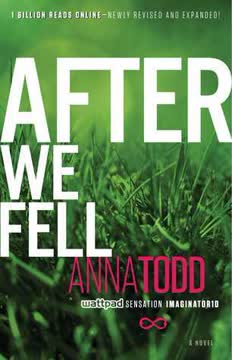
Hardin's life is thrown into chaos when he learns that Christian Vance, not Ken Scott, is his biological father. The revelation shatters his already fragile sense of self, fueling anger and betrayal. Tessa, equally stunned, tries to support him, but the news ripples through their relationships, leaving everyone—Hardin, Tessa, Ken, Christian, and Trish—adrift. Hardin's identity crisis is immediate and violent, and the couple's bond is tested as they struggle to process the truth. The emotional fallout is swift, with Hardin lashing out and Tessa caught between her love for him and her own confusion. This moment marks the beginning of a new, more painful chapter in their story, where nothing feels certain and every relationship is suddenly in question.
Rage, Ruin, and Running
Overwhelmed by the truth about his parentage, Hardin spirals into a violent rage, destroying property and nearly getting arrested. His pain manifests in self-destructive behavior, pushing away those who care for him. Tessa desperately tries to reach him, but Hardin's instinct is to run—from her, from his family, from himself. The couple's old patterns of volatility resurface, and the emotional distance between them grows. Hardin's inability to process his pain in a healthy way threatens to destroy not only his relationships but also his future. Tessa's fear for him is palpable, but she is also forced to confront her own limits and the cost of loving someone so broken.
Searching for Each Other
As Hardin disappears into the night, Tessa and their friends frantically search for him, fearing what he might do. The city becomes a maze of missed calls, unanswered texts, and near-misses. Tessa's anxiety mounts as she retraces his steps, haunted by memories of their past and the possibility of losing him for good. Meanwhile, Hardin is lost in his own head, torn between wanting to be found and wanting to disappear. Their mutual longing is evident, but so is the exhaustion from years of emotional turmoil. The search becomes symbolic of their relationship: always chasing, never quite catching, always on the edge of disaster.
Spiraling Into Old Patterns
Hardin seeks solace in alcohol and fleeting distractions, falling back into the habits that once nearly destroyed him. Tessa finds him in a bar, drunk and in the company of people from his past, and is forced to confront the reality that love alone cannot save someone who refuses to be saved. Their interactions are raw, painful, and familiar—full of longing, anger, and regret. The cycle of hurt and reconciliation threatens to repeat endlessly, and both are left questioning whether they can ever truly break free from their destructive patterns.
Breaking Points and Betrayals
The emotional tension reaches a breaking point when Hardin, in a drunken haze, nearly burns down his childhood home. Tessa's attempts to intervene are met with resistance, and the situation escalates until Christian Vance arrives, taking the blame for the fire to protect Hardin. The consequences are immediate: Christian is injured and faces arrest, and Hardin is left to grapple with guilt and shame. Tessa, exhausted and heartbroken, realizes that she cannot continue to sacrifice herself for someone unwilling to change. This night marks a turning point, forcing both to confront the reality of their choices.
The House, the Fire, the Past
In the aftermath of the fire, Hardin is forced to face the ghosts of his past—his mother's suffering, his father's failures, and his own role in perpetuating pain. Tessa, too, is haunted by her own family's dysfunction and the realization that she cannot fix Hardin's wounds. The couple's conversations are fraught with pain and honesty, as they attempt to untangle the web of secrets and lies that have defined their lives. The fire becomes a metaphor for the destruction wrought by generational trauma, and both must decide whether to rebuild or walk away.
Aftermath and Reckoning
As the dust settles, Hardin and Tessa are left to pick up the pieces. Hardin's guilt over Christian's injury and his own actions is overwhelming, while Tessa is forced to confront her own breaking point. The couple's relationship is at its most fragile, with both questioning whether love is enough to overcome the damage done. Tessa's own family tragedy—her father's death—adds another layer of grief, and she is left feeling numb and adrift. The reckoning is both personal and relational, as each must decide what they are willing to endure for the sake of love.
Distance, Denial, and Despair
Tessa and Hardin part ways, each believing it is for the best. Tessa returns home, seeking solace and healing, while Hardin remains lost in his pain. The distance between them is both physical and emotional, and both struggle to find meaning in their lives apart. Tessa begins to rediscover herself, building new routines and relationships, while Hardin confronts the emptiness left by her absence. The despair is palpable, but so is the faint hope that time and space might bring clarity and growth.
The Cost of Survival
Tessa faces devastating news about her fertility, learning that she may never be able to have children. The loss is profound, compounding her grief over her father and her separation from Hardin. She is forced to reevaluate her dreams and what it means to survive in the aftermath of so much pain. Hardin, too, must come to terms with the consequences of his actions and the reality that some wounds may never fully heal. Both are changed by their experiences, and survival becomes less about endurance and more about acceptance.
Choosing to Walk Away
Recognizing that their relationship has become toxic, Tessa makes the difficult decision to walk away from Hardin. She chooses herself for the first time, prioritizing her own healing and future over the cycle of hurt and reconciliation. Hardin, devastated but understanding, promises to give her the space she needs, even as it breaks his heart. The act of letting go is both an ending and a beginning, as both are forced to confront who they are without each other. The pain is immense, but so is the possibility of transformation.
Healing in the Absence
In the months and years that follow, Tessa and Hardin embark on separate journeys of healing and self-discovery. Tessa moves to New York, builds a new life, and finds purpose in her work and friendships. Hardin, too, seeks help, confronting his addictions and learning to take responsibility for his actions. Their paths occasionally cross, and the love between them remains, but both are changed—stronger, wiser, and more self-aware. The absence, though painful, becomes the crucible in which they are remade.
New York, New Selves
Years later, Tessa and Hardin reconnect in New York, each having grown and healed in their own ways. Their interactions are marked by maturity, honesty, and a newfound respect for each other's boundaries. The city becomes a backdrop for their tentative steps toward reconciliation, as they navigate the complexities of forgiveness and the possibility of a future together. The past is not forgotten, but it no longer defines them. Instead, they are free to choose each other anew, on their own terms.
Letters, Pages, and Truths
Tessa discovers that Hardin has written a book about their relationship—a raw, unfiltered account of their love, pain, and growth. Reading his words, she is confronted with the full truth of their journey, both the darkness and the light. The manuscript becomes a catalyst for deeper understanding and forgiveness, allowing both to see each other—and themselves—more clearly. The act of writing and reading becomes an act of healing, bridging the gap between past and present.
Forgiveness and Forward Motion
With the truth laid bare, Tessa and Hardin are finally able to forgive each other and themselves. Their reunion is not a return to old patterns, but the beginning of something new—built on honesty, respect, and mutual growth. They choose to move forward together, not because they need each other to survive, but because they want to share their lives as equals. The journey has been long and painful, but it has made them stronger and more capable of real, lasting love.
Full Circle: Family and Future
In the years that follow, Tessa and Hardin marry and start a family, overcoming the obstacles that once seemed insurmountable. Their love, once defined by chaos and destruction, becomes a source of stability and joy. Surrounded by friends and family, they create a home filled with laughter, forgiveness, and hope. The story comes full circle, proving that even the most broken people can find healing and happiness—together and apart. Their journey is a testament to the power of love, resilience, and the courage to begin again.
Analysis
A modern meditation on love, trauma, and self-reinventionAfter Ever Happy is more than a romance; it is a raw exploration of how deeply family secrets, addiction, and generational pain can shape our sense of self and our capacity to love. Anna Todd's narrative is unflinching in its portrayal of toxic cycles, showing how easy it is to mistake passion for destiny and how hard it is to choose healing over habit. The novel's greatest strength lies in its refusal to offer easy answers: love is not a cure-all, and forgiveness is not a one-time act but a daily choice. Through Tessa and Hardin's journey, readers are invited to consider the difference between loving someone and saving them, and to recognize the importance of boundaries, self-worth, and growth. The story ultimately affirms that happiness is not found in perfection or in another person, but in the courage to face the truth, to forgive, and to begin again—together or apart. In a world obsessed with fairy-tale endings, After Ever Happy offers something more honest and, in its own way, more hopeful: the promise that even the most broken among us can find peace, purpose, and love after everything.
Review Summary
Reviews for After Ever Happy are mixed, averaging 3.93/5. Many readers found it the strongest entry in the series, praising character growth and a more mature tone. Fans appreciated Tessa and Hardin's eventual happy ending after years of turbulent separation. Critics slammed the toxic relationship dynamics, poor pacing, rushed epilogues, and glorification of abusive behavior. A recurring theme across reviews is addictiveness despite quality concerns, with many finishing the series despite reservations, feeling emotionally drained yet compelled by the story's drama.
People Also Read











Characters
Hardin Scott
Hardin is the emotional epicenter of the novel—a young man shaped by trauma, addiction, and the revelation that his entire identity is built on a lie. His journey is one of self-destruction and, ultimately, self-discovery. Hardin's relationship with Tessa is both his salvation and his greatest challenge, as he oscillates between pushing her away and clinging to her for dear life. His anger and volatility mask a deep vulnerability, and his path to healing is marked by painful honesty, therapy, and the willingness to confront his past. Over time, Hardin learns to take responsibility for his actions, to forgive himself, and to love Tessa in a healthier, more mature way. His growth is hard-won, but it is real, and by the end, he is transformed from a boy defined by pain into a man capable of love and hope.
Tessa Young
Tessa is the novel's emotional anchor—a woman whose love for Hardin is both her greatest strength and her deepest vulnerability. Throughout the story, Tessa is forced to confront the limits of her compassion and the cost of sacrificing herself for someone else's healing. Her journey is one of self-discovery, as she learns to set boundaries, to choose herself, and to find meaning beyond her relationship with Hardin. Tessa's struggles with family, loss, and infertility add layers of complexity to her character, making her both relatable and inspiring. By the end, she emerges as a woman who knows her worth, capable of loving deeply without losing herself in the process.
Christian Vance
Christian is the unexpected father figure whose revelation upends Hardin's world. His complicated history with Trish and Ken sets the stage for much of the novel's drama. Christian's willingness to take responsibility for his actions—both past and present—marks him as a man seeking redemption. His relationship with Hardin is fraught but ultimately healing, as both men learn to forgive and accept each other. Christian's choices, especially his decision to take the blame for the fire, demonstrate a capacity for sacrifice and growth.
Ken Scott
Ken is the man who raised Hardin, despite knowing he might not be his biological son. His journey is one of regret, sobriety, and the desire to make amends. Ken's relationship with Hardin is complicated by years of neglect and pain, but his efforts to rebuild trust are genuine. He represents the possibility of change and the importance of chosen family. Ken's acceptance of Hardin, even after the truth is revealed, is a testament to unconditional love.
Trish Daniels
Trish is a woman defined by her mistakes and the secrets she keeps. Her affair with Christian and her inability to protect Hardin from pain cast a long shadow over the story. Trish's struggle to forgive herself and to be forgiven by her son is a central emotional thread. She embodies the complexities of motherhood, love, and regret, and her journey is one of seeking peace in the aftermath of chaos.
Landon Gibson
Landon is Tessa's best friend and Hardin's stepbrother, serving as a stabilizing force amid the chaos. His loyalty, kindness, and honesty make him a touchstone for both protagonists. Landon's own journey—moving to New York, building a life, and starting a family—mirrors the themes of growth and new beginnings. He is the embodiment of healthy love and support, often providing the perspective and tough love that Tessa and Hardin need.
Kimberly Vance
Kimberly is Christian's partner and a close friend to Tessa. Her own experiences with betrayal and forgiveness parallel the main couple's journey. Kimberly offers wisdom, humor, and unwavering support, helping Tessa navigate the complexities of love, loss, and self-discovery. She represents the importance of female friendship and the power of resilience.
Smith Vance
Smith, Christian's young son, is a quiet but significant presence. His relationship with Hardin—his half-brother—offers moments of levity and tenderness. Smith's innocence and curiosity serve as a reminder of the possibility of new beginnings and the importance of family, chosen or otherwise.
Karen Scott
Karen, Ken's wife, is a source of warmth and stability. Her pregnancy and the expansion of the Scott family symbolize hope and the potential for healing. Karen's acceptance of Hardin and her efforts to build bridges between fractured relationships highlight the novel's themes of forgiveness and growth.
Zed Evans
Zed is a recurring figure in Tessa and Hardin's story, representing both temptation and the dangers of unresolved jealousy. His presence forces both protagonists to confront their insecurities and the boundaries of trust. Zed's own struggles with rejection and longing add complexity to the love triangle, but ultimately, he serves as a catalyst for Tessa's realization of what she truly wants.
Plot Devices
Dual Narration and Emotional Intimacy
The novel employs a dual narrative structure, alternating between Hardin and Tessa's points of view. This device allows readers to experience the raw, unfiltered emotions of both protagonists, fostering empathy and a deeper understanding of their motivations. The shifting perspectives also highlight the misunderstandings and miscommunications that fuel much of the drama, making the moments of connection and reconciliation all the more powerful.
Cyclical Structure and Repetition
The story is structured around cycles of hurt, separation, and reunion, mirroring the real-life patterns of toxic relationships. This repetition serves to underscore the difficulty of breaking free from destructive habits and the courage required to choose growth over comfort. The cyclical nature of the plot also allows for incremental character development, as each iteration brings Tessa and Hardin closer to self-awareness and healing.
Symbolism of Fire and Destruction
The recurring motif of fire—most notably in the burning of Hardin's childhood home—serves as a powerful symbol of both destruction and the possibility of rebirth. The fire represents the pain of the past, the consequences of unchecked anger, and the need to let go in order to move forward. It is both a literal and figurative turning point, forcing characters to confront what must be left behind.
Manuscript as Meta-Narrative
The discovery of Hardin's manuscript functions as a meta-narrative device, allowing the characters (and readers) to revisit their journey from a new perspective. The act of writing and reading becomes a form of therapy, confession, and reconciliation. The manuscript bridges the gap between past and present, offering a path to forgiveness and understanding that words alone could not provide.
Foreshadowing and Parallelism
The novel is rich with foreshadowing—subtle hints of coming tragedy, healing, and transformation. Parallel storylines (such as the relationships between parents and children, or between Tessa and her mother) reinforce the themes of generational trauma and the possibility of breaking the cycle. The use of literary allusions (to Austen, Brontë, Hemingway) adds depth and resonance, situating the characters' struggles within a broader tradition of love and loss.