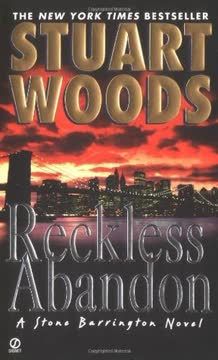
Plot Summary
Miami Murders Unleashed
The narrative erupts with violence: Sara Tennant arrives at work and finds her boss, developer Manny Jimenez, executed in cold blood in his own garage. On a golf course, another developer, Steven Steinberg, is assassinated mid-swing by a mysterious sniper. The brutality is chillingly efficient, emphasizing both precision and intent—the killer's identity unknown, the motive unclear but the message grimly unified. These parallel deaths, unconnected on their surface beyond the developers' profession, unmask Miami's dark undercurrents. Shockwaves ripple outward as the community reels, and law enforcement begins to piece together what seems both random and chillingly orchestrated. Soon, questions flourish: who benefits from such coordinated removals, and what's the hidden calculus behind the slaughter of two men so alike yet so disconnected?
Dinner Interrupted By Violence
Police Chief Holly Barker enjoys dinner with her father, Ham, and the enigmatic Ed Shine, a retired New York property developer. Their evening darkens when Shine proudly unveils his prized blood orchid hybrid—only for a bullet to crash through the greenhouse. Military-trained Ham identifies the weapon and the intention: a professional, silenced hit, missed by inches. As officers quickly secure the scene, Holly interviews Ed, who claims to have no enemies—but his past and sizable fortune suggest deeper currents. The violence is both intimate and clinical, shaking Holly's sense of safety while reigniting her latent grief over her fiancé's murder. The sense of threat here shifts from random chance to targeted vengeance, implicating the insular world of property, power, and pain.
Three Developers, One Bullet
Holly connects the attempt on Shine's life with the killings in Miami. Upon reading of the mirrored deaths, she corresponds with Detective Jim Connor, confirming all victims were high-profile developers. The M.O.: silenced .22 rifles and headshots—impersonal, not crimes of passion. Hints of a syndicate emerge, and the suggestion of a contract killing grows. As professionals pass blame and flounder for leads, Holly is both local observer and emotional epicenter. Her isolation, the specter of her dead fiancé, and the echoing violence strip her community's sense of calm. This is no mere vendetta—the stakes are about greed, legacy, and property, twisting ambition into collateral damage.
Deadly Bidding War
Federal officials quietly process bids for Palmetto Gardens, a scandal-shadowed, high-value development. Only one legitimate bidder emerges: Blood Orchid Properties (BOP), a shell company. The missing bids? Those of the two Miami developers—now dead. Suspicion deepens as the General Services Administration (GSA) tiptoes forward with the sale, ignoring how murder warped the playing field. The FBI's Harry Crisp learns of the odd vacuum, while Holly is drawn further in following the property's local resonance. Ed Shine, the lucky winner, cryptically signals his purchase and brushes off the dangerous pattern. Every character circles a prize laced with blood, while authorities scramble to keep pace with a conspiracy rooted in property and protected by violence.
Orchids, Auctions, and Ambush
Ed Shine relishes his acquisition of Blood Orchid Estates, promising exclusivity and prosperity, but Holly's suspicions won't rest. As she, Ed, and Ham tour the transformed property, the shadow of violence clings to every amenity. Lethally competitive, the real estate world is unmasked as both local and global—a nexus where legitimate fortunes mingle with laundered drug money. For Holly, golf games and clubhouses conceal plotting and paranoia; trust is thin, alliances shifting. The property's allure lies in its secrecy, but secrets, she knows, eventually bleed out. While the FBI quietly takes over the murder investigation, local law straddles the lines between authority, vulnerability, and the need to keep up appearances.
Secrets at Palmetto Gardens
Holly's own life becomes a target: evidence of a break-in and an expertly planted phone bug shakes her further. A local locksmith, Phil Sweat, strengthens her home security, revealing the sophistication behind the surveillance—this is no jealous lover or casual thief, but an organized attempt to monitor police activity. Her professional confidence wanes as the invader neatly rearranges her magazines and subtly alters her environment. Meanwhile, the FBI's information hoarding and political maneuvering impede Holly's search for answers. This chapter exposes the vulnerability of even the most capable, crafting a personal siege that mirrors the larger, systemic conspiracy at play.
Harbingers of Intrusion
As Holly surveys her eerily tidy home, she notes subtle but telling changes—a churned kitchen cord here, a perfectly aligned pile of magazines there. Paranoia intertwines with her need for control. The bug in her phone lines becomes a metaphor for her own feelings of violation and isolation. The boundary between her professional and private lives blurs—her fear exacerbated by news coverage of unsolved developer murders and the stonewalling of widows. Holly faces not only the external mystery but also internal grief for her late fiancé, realizing that her recovery is continually disrupted by each new intrusion and threat. When her suspicion is confirmed by experts, the conspiracy becomes both a web around her community and a fog inside her own head.
Locked Doors and Open Lines
Resolving not to be victimized, Holly upgrades her entire home defense system with Phil Sweat's expertise. New locks, high-tech alarms, and motion-detecting surveillance offer the illusion of safety but also confirm her stalkers' skill. An over-the-counter, sophisticated listening device is found, broadcasting her calls—leaving only uncertainty about who listens. Holly must decide between removing the bug (and losing the chance to track its user) or leaving it in place—embracing the role of bait. Here, the theme of active resistance meets the boundaries of technology and trust. Personality, psychology, and paranoia intersect as Holly transforms her home from sanctuary to fortress, but the feeling of being hunted intensifies.
Policing the Eavesdropper
Holly plans a sting operation—her young officer, Teddy Wright, will watch for anyone tampering with the phone lines. But the plan goes awry: Teddy is attacked and left unconscious, underscoring the ruthlessness of her adversaries. As Teddy's mother is comforted and the department reckons with its own vulnerability, Holly ponders what she or her team could possibly be working on that would incite such an escalation. The investigation into the bugging presents more dead ends, but the operation's failure upends Holly's emotional stronghold. The violence is personal now, making it clear that for whoever is orchestrating this, intimidation and physical harm are tools as essential as bribery and surveillance.
Trust, Trauma, and Threats
Holly's father's new romantic interest and Holly's own flirtation with FBI agent Grant Early bring sparks of hope and emotional complexity. Amid lingering grief, Holly is tempted by the future but tormented by the risks of intimacy. She is reminded that no one is above suspicion—not new friends nor federal agents. In exploring new bonds, Holly also exposes her personal vulnerabilities and familial bonds. The dangers of her job, the proximity of violence, and the reality of betrayal shape how she sees herself, her community, and potential sources of comfort. Each step forward is haunted by the possibility of loss, forcing Holly to balance pragmatism, optimism, and fear.
Bugged Conversations, Hidden Lives
As phone taps appear in both Holly's and her father's homes, it's confirmed—their intimate lives are under constant threat and observation. Ginny, Holly's new friend and budding flight instructor, offers some distraction and training, but every ally and contact becomes a potential risk. The boundaries between personal and professional further erode, especially as relationships deepen and surveillance stretches from the police chief's home to her inner circle. The need to live life as usual while under threat tests Holly's emotional fortitude. The overlapping spheres of comfort, romance, and crime grow indistinguishable, and each moment is colored by dread as well as the urge to persevere.
New Bonds and New Jobs
With mounting stress in the department, Ed Shine offers Holly a lucrative security job at Blood Orchid, which she declines out of a need for professional purpose and autonomy. Deputy Chief Hurd Wallace considers early retirement, eyeing opportunity with Shine. Holly must balance her ambition, love of policing, and the lure of easy money—while watching her support system fragment or shift outside her influence. New social alliances form as the fallout from violence, bureaucracy, and paranoia shape careers and relationships. Change is inevitable, and navigating these transitions is as tricky and dangerous as decoding any criminal plot.
Lessons in Flight and Fear
Holly seeks freedom in flight lessons with Ginny, learning the technical and emotional thrill of piloting her own course—quite literally. Yet even in the sky, danger finds her. A suspicious van seen from above, followed by an assault and near-fatal head injury, serve as reminders that the ground beneath her is always shifting. The juxtaposition of flight—symbolizing escape, control, and a new perspective—and the ever-present threat roots the novel's symbolic underpinnings. Holly's autonomy can only go so far; enemies adapt as quickly as she does, striking when and where she feels safest.
Attack From the Sky
When Holly and Ginny take off for a routine touch-and-go practice, gunfire erupts—first shattering glass, then disabling their small aircraft. Ginny's calm, experience, and skill save them from disaster, as they land at an abandoned airfield with bullets riddling their plane. The attack, staged from Blood Orchid territory, confirms the boundless ambition and power of their hidden enemies. This direct, lethal threat from above—rather than the more insidious intrusions of spying and sabotage—ratchets up the tension and redefines the opposition as both omnipresent and desperate. The sky, once promise of escape, proves as contaminated as the ground.
Offer You Can Refuse
Holly and Grant are invited to an extravagant dinner by Shine, with the Pellegrino family and GSA insider Willard Smith in attendance. The gathering is no social affair—it's a pageant of criminal confidence. Ed unveils the extent of their ambitions: owning resorts, banks, and eventually legal casinos, all built on laundered money, murder, and manipulation. Holly is paraded as trophy, tested and taunted, with every guest seemingly complicit in conspiracy or violence. The convergence of plotters in one room clarifies the scale and reach of their syndicate, the sheer normality of their self-regard, and the depth of Holly's peril.
Shadows and Suspicions
The scales fall as Holly uncovers the true history of Ed Shine—aka "Eddie Numbers," a mob-connected fixer using a lifetime of criminal ingenuity to cloak vast real estate empires in legitimacy. The FBI and local police scramble to gather evidence as all threads—cash-laden vaults, property auctions rigged by murder, government insiders (like Smith), and global cyber-laundering—are tied to Shine's shadowy past and the Pellegrino mob. Holly realizes her safe havens are riddled with enemies, and every friendship potentially masks threat. The strategy shifts from defense to exposure; survival means outing the rot at the heart of her own town.
New Love, Old Wounds
Holly and Grant's relationship intensifies, offering brief respite but also delicate new risks. Amid the chaos, the couple finds moments of joy—shared intimacy promising hope for a future beyond crime and violence. Yet their love is tested by gunfire, betrayal, and the constant possibility that one or both could be lost in the next volley of shots. Their alliance is symbolically and literally tested in bed, in the line of fire, and in mutual acts of daring and survival. The emotional support they offer each other becomes a crucial resource, even as the city's conspirators close in.
The Body in the River
A corpse discovered in the Indian River turns out to be Carlos Alvarez, a skilled locksmith who had bugged Holly's home and helped orchestrate the violent campaign against developers. Clinical, forensic, and procedural, the scene unfolds as the medical examiner and police try to reconstruct Alvarez's last days and connections. Evidence—ligature marks, the condition of his teeth, his criminal expertise—suggests he was both a tool and a liability to those higher up. The investigation peels back another thin layer shielding the architects of Orchid Beach's troubles, hinting there are still more dangerous masterminds yet to be confronted.
Unmasking a Killer
Holly's digging draws her ever closer to the heart of the operation. She persuades Marina, Alvarez's fiancée, to share what she knows, despite fears for her own life, and follows every lead from pawned jewelry to coded ledgers. But each clue triggers greater danger—hits on witnesses, murder at funerals, and attempts on Holly herself. The body count mounts, illustrating how the criminal web, desperate to hide its transfers of millions, infects not just business but also romance, family, and routine civic order. Holly is forced to balance methodical police work with acute survival instincts as the city's criminal underbelly turns openly predatory.
Farewells, Filings, and Fugitives
A major shake-up in Holly's department as Hurd Wallace leaves for new opportunities and the city council debates strategy changes. Meanwhile, trauma radiates through the community as funerals for the slain devolve into carnage and missed connections—Marina, protected but increasingly desperate, seeks closure for her lost loved ones. Holly must balance practical management, emotional care for her team and friends, and the intellectual burden of connecting seemingly unconnected deaths. The cumulative effect is loss: of staff, of loved ones, of normalcy—even of the pretense that the system can hold against outside forces.
Outgunned, Outmaneuvered
Holly and law enforcement orchestrate a sting to catch Trini Rodriguez, only for the plan to go tragically wrong. At a funeral boobytrapped with explosives, Marina and many innocents die, and chaos engulfs the peaceful square. The enemy proves more prepared and unrestrained than expected; assassins are always a step ahead, willing to destroy lives en masse to tie up loose ends. Holly's survival, alongside a handful of others, is as much luck as it is calculation. In the aftermath, guilt, rage, and the sting of failure knit together—the cost of crime is no longer abstract; it's communal, personal, and searingly immediate.
Sanctuary and Betrayal
Reeling from disaster, Holly hides out at Blood Orchid, choosing the supposed safety of Shine's territory—only to realize this sanctuary is also a stage for betrayal. Confrontations clarify hidden identities, and even allies are revealed as complicit. While plotting next moves and awaiting data from trusted contacts (like Grant), Holly is forced to reckon with the reality that nowhere and no one is entirely safe. In this liminal period, the nature of justice, authority, and community itself shifts; Holly's only certainties are her own conscience and the dogged pursuit of the truth.
Shattered Funerals, Shaken Lives
Traumatized by her plan's catastrophic outcome and the massacre at the cemetery, Holly isolates herself further, trusting only a shrinking circle. The theme of loss—of hope, of community, of innocence—resonates as she processes both strategic defeat and emotional devastation. Coping mechanisms waver; self-blame and survivor's guilt drive her to the edge. The case is no longer just about law and order—now it's about reckoning, atonement, and the hard reality that evil doesn't always wear visible uniforms. Yet somewhere in despair, a glimmer of resolve to see justice done survives.
Drowned by Conspiracy
Holly and Grant, ambushed and betrayed by Shine, are thrown into a flooding vault, left to die. Utilizing resourcefulness and Hidden fallback mechanisms, they barely escape, swimming out as water sweeps through the underground, almost symbolic of the cleansing of secrets. The attempted execution by drowning is the ultimate expression of the enemy's desperation—using not just brute force but also elaborate safeguards gone weaponized. Survival here is as much a test of will and ingenuity as it is of heroism. The persistent undertow is that conspiracy, greed, and the thirst for control can drown even the most diligent protectors.
Mob Ties, False Friends
In the final confrontation, Holly uncovers Shine's full identity—a mob accountant turned property magnate, laundering criminal millions through seemingly legitimate ventures and government auctions. The criminal syndicate is revealed as multi-ethnic, technologically savvy, and ruthlessly willing to kill every participant and bystander to preserve profit and power. FBI, police, lawyers, and crooks overlap in a tangle; even momentary lapses in trust can spell disaster. Holly's moral backbone, rooted in honesty and resilience, becomes the template for surviving in a world bent on corruption and self-preservation.
Final Vault: Drowning Hour
Trapped in the vault, Holly and Grant, imprisoned by the conspiracy, battle against rising waters. Resourcefulness saves them—an interior safety mechanism, a bit of luck, and their joint determination allow them to escape moments before drowning. As they flee, gunbattles erupt, and their assailants attempt to use the airfield for escape. This confluence of cleverness, courage, and desperation resolves key storylines: even when surrounded and nearly destroyed, the heroes endure by careful reasoning, mutual trust, and last-minute derring-do.
All Accounts Settled
The criminal enterprise implodes under a cascade of violence, betrayal, and law enforcement. Holly, Grant, and Daisy help intercept Shine, the Pellegrinos, and their enforcers as they make a final bid for escape aboard a sabotaged private jet. Gunfire, explosions, and apprehension of masterminds bring bitter closure. Cleanup and accountability follow: Holly ensures the jurisdictional credit remains with her team, not the FBI, and the cost of greed is visibly exacted. Grant's undercover role is rewarded, careers are re-anchored, and, as the legal system moves in, the personal stories—loved and lost, trusted and betrayed—reassert the need for healing, renewal, and, for Holly and Grant, the possibility of a future earned through hardship.
Analysis
A mosaic of violence, betrayal, and the fight for order
"Blood Orchid" distills the noir sensibility of the modern crime thriller—where sunshine and violence, trust and treachery, surface and secret constantly chafe. At its heart, the novel is about the impossibility of clear boundaries: between business and crime, love and suspicion, the law's order and disorder's allure. Holistic trust is impossible—every mentor has his price, every institution its cracks. Stuart Woods crafts an intricate, character-driven web in which even the apparent victories are won at significant personal and communal cost. The motif of "home" and sanctuary—invaded, bugged, violated—becomes a meditation on privacy and the nature of safety in a world of information oversharing and systemic corruption. In love, as in law, protagonists must risk betrayal to reap authentic connection; in policing, as in politics, vigilance is not enough—one must also master the doublethink of modern conspiracy. The final lesson of "Blood Orchid" is hard-won: justice is provisional, and healing—both personal and civic—requires the courage to outlast, outwit, and, above all, to refuse surrender to either fear or cynicism.
Review Summary
Characters
Holly Barker
Holly, the Chief of Police of Orchid Beach, is a model of competence, resilience, and vulnerability. Still coping with the trauma of her fiancé's murder, she redirects her grief into her work, making her both methodical and compassionate. Holly navigates the treacherous waters of small-town policing, where everyone knows each other but no one is above suspicion. Her psychoanalytic profile suggests a striving for control as a way to process loss, alternating between nurturing and assertive. As the conspiracy pulls her deeper, she becomes both investigator and prey, forced to trust her instincts, adapt quickly, and safeguard not only her town but also her own healing. Her arc is about rediscovering agency and connection in a world that repeatedly threatens both.
Grant Early
Grant is an FBI agent whose easy humor and emotional intelligence conceal deep professional stress and personal risk. Sent undercover to investigate the criminal networks in Orchid Beach, he blends sophistication with core integrity. Grant's evolving relationship with Holly provides her with both emotional comfort and investigative partnership. His psychological distance comes from years of secret-keeping and roleplaying, but when pressed, loyalty and love motivate him to risk both career and life for Holly. As a man operating in the ambiguous gray of law enforcement, Grant's development is marked by the growing impossibility of separating the professional from the personal.
Ed Shine (Gaetano Costello / "Eddie Numbers")
Shine is the epitome of charming, avuncular legitimacy—a retired developer, orchid lover, and would-be benefactor. Yet beneath the civility is a past forged in mob finance, a prodigy at hiding criminal cash in plain sight. Psychoanalytically, Shine is both control-freak and sentimentalist—enjoying power for its own sake, but prone to real (if limited) affection. His relationships—offering jobs, protection, and sanctuary—are transactional as well as emotional, masking his role as the critical architect of the money-laundering and murder plot. His psychological downfall is hubris: believing himself untouchable by either affection or the law.
Trini Rodriguez (Enrico)
Trini is Ed Shine's secret son and primary hitman—a man whose loyalty is routinely bought and tested by violence. His psychoanalytic portrait is that of a child desperate for parental approval but warped by a lifetime of brutality. Trini is clever, cunning, and ruthless, but his Achilles' heel is overreliance on force and obedience, mistaking fear for respect. His pursuit of Holly and others is relentless, blending personal animus and professional calculation.
Ham Barker
Holly's father Ham is a stabilizing presence, a seasoned military man with his own history of trauma but considerable wisdom. He supports Holly and Ginny, his new love interest, offering perspective and much-needed levity. Psychoanalytically, Ham's defense mechanisms involve stoicism, humor, and quiet pride. His development, from protective patriarch to encouraging advocate of Holly's independence, demonstrates both personal growth and commitment to family legacy.
Ginny Heller
Ginny—a flight instructor and Ham's girlfriend—embodies self-reliance and innovation. She becomes a fast friend to Holly, rescuing her from both danger and stagnation through skillful flying and companionship. Psychologically, Ginny is marked by resilience, independence, and emotional candor, helping bridge the gap between the personal and professional spheres of Holly's life.
Hurd Wallace
Orchid Beach's deputy chief embodies steadiness and institutional memory. Torn between opportunity (insecurity chief for Shine) and loyalty, his decision to leave marks the beginning of seismic change in the local power structure. Hurd's psychoanalytic stance is that of the archetypal "good cop"—steady, rational, often underappreciated, and caught in the crossfire of ambition and ethics.
Pio and Ignacio Pellegrino (The Falcone Family)
Pio and his father Ignacio are chameleons—respectable Miami restauranteurs by day, mafia liaisons by night. Their psychological identities are slippery, rooted in generational criminality, a flair for disguise, and delight in manipulation. They are dangerous not merely for brutality, but for their adaptability: shifting names, businesses, and allegiances to outflank law enforcement at every turn. Sentiment for family is diluted by the requirements of business.
Marina Santos
Marina, Carlos Alvarez's fiancée, is swept up in a nightmare of violence and loss—targeted because of her proximity to the criminal syndicate. Her psychological arc traces a rapid, tragic descent from hope and planning (engagement, new jewelry) to trauma, bereavement, and ultimate death. She symbolizes the cost to ordinary people trapped in the machinery of profit and criminality.
Harry Crisp
Harry is the FBI's Miami agent-in-charge, balancing professional ambition with a penchant for secrecy. His psychological profile is of a man chronically risk-averse, controlling, and desperate to preserve both credit and territory. For Holly and Grant, Harry is both a resource and an obstacle, his loyalties shifting according to institutional prestige more than personal connection. He is a reminder that the greatest threats sometimes come not from the enemy, but from those supposedly on your side.
Plot Devices
Interconnected Murders and Motiveless Malice
The opening salvo of seemingly unrelated developer murders is linked via forensic, ballistic, and professional evidence. The same tools—silenced rifles, controlled shots—produce patterns that point to an organized conspiracy. These crimes act both as red herrings and as breadcrumbs for the astute: the outward randomness serves to chill the community and confound casual analysis, while alerting key investigators to deeper, system-wide corruption.
Surveilled Homes, Unseen Intruders
Through home invasions, bugged phones, and shadowy surveillance, the personal sanctuaries of the protagonists become battlegrounds. The persistent motif of intrusion highlights the porousness of authority and the ephemeral nature of privacy—the more secure a place feels, the more likely it's already compromised. This device escalates tension while turning the physical and emotional space of "home" into contested territory.
Government as Both Target and Tool
The plot is built around a GSA property auction; the winners, losers, and even the auditors may be pawns or players. Meanwhile, law enforcement—from local police to the FBI—manages both competence and systemic dysfunction. The arrival of insider Willard Smith, undisclosed criminal records, and the obscured chain of intelligence sharing demonstrate how bureaucracy can sustain or sabotage justice. The government's dual role as administrator and victim spotlights the weaknesses of procedural reliance.
False Fronts, Hidden Names
The use of aliases (Shine/Costello, the Pellegrinos/Falcones), shell companies, and layered backstories embodies the plot's obsession with self-reinvention. As characters pass for friends, mentors, or even lovers, the reader—and Holly—are made to question the authenticity of every gesture, word, and relationship. The device fuels paranoia and suspense, making the process of unmasking as thrilling as any shootout.
Violence as Both Message and Misdirection
Shootings, bombings, and staged "accidents" (from sniper fire to boobytrapped funerals) serve not only to remove enemies and witnesses but also to send signals to both rivals and enforcers. Such crimes are layered—performative as well as practical—intended to stoke fear, inspire compliance, and, at times, distract from the true locus of conspiracy.
Symbolic Spaces: The Vault and the Airfield
The bank-like vault, first as repository of ill-gotten gains and ultimately as execution chamber, symbolizes ambition gone rot and the lengths to which conspirators will go to protect their wealth. The airfield, site of both criminal enterprise and final stand, transforms from symbol of mobility and freedom into a trap, with escape always just out of reach.
Narrative Structure: Parallel Tracks, Colliding Fates
The storytelling alternates intimate point of view (Holly's emotional landscape) with larger ensemble play—tracking law, crime, and government across Miami, Orchid Beach, and federal offices. Small-town warmth collides with global criminality; love stories intertwine with procedural drama; moments of levity punctuate grim turns. Chapters often end on cliffhangers, and information is doled out so that readers share Holly's confusion, discoveries, and dawning sense of threat.
Foreshadowing and Irony
Early mentions of security vulnerabilities, obsession with personal loss, or throwaway details (like the special Blood Orchid flower) transform into major plot points. Ironies abound: yesterday's savior is today's suspect; a gift of sanctuary contains a death sentence; the enforcement of order breeds chaos.