
Key Takeaways
1. Formulas fail because life and faith are inherently relational, not transactional
It seems if there were a formula to fix life, Jesus would have told us what it was.
The illusion of control. Many modern Christians treat spirituality like a self-help program, searching for step-by-step formulas to fix their lives. We buy books that promise happiness in three easy steps because we crave control over our chaotic existence. However, reducing a complex relationship with a living God to a transactional recipe strips faith of its mystery and depth.
The failure of steps. When we look at the biblical narrative, we find that the characters who followed God did not live formulaic lives. Figures like Stephen, Paul, and Peter did not experience neat, upward-trending paths of personal fulfillment; instead, they walked through suffering, mystery, and deep relational encounters.
- Stephen was stoned to death shortly after his conversion.
- Paul was blinded, beaten, and routinely imprisoned.
- Peter was rescued from a fishing business only to face crucifixion.
Embracing the mystery. Real life is like fine wine—it is complex, nuanced, and does not appeal to those who demand childishly simple answers. True spiritual growth happens slowly, like a tree growing by a river, rather than through instant, three-step programs. By abandoning formulas, we open ourselves to a dynamic, living relationship with a God who constantly shakes things up to test our faith.
2. We create God-impostors to gain control and avoid the vulnerability of true intimacy
The very scary thing about religion, to me, is that people actually believe God is who they think He is.
The Santa Claus theology. We often construct a version of God that mirrors Santa Claus—a safe, distant figure who rewards good behavior with material blessings and demands no real intimacy. This transactional deity allows us to maintain our independence while checking off religious duties. We prefer a predictable system of rules because actual relationships are messy, unpredictable, and require us to expose our true selves.
The danger of projection. When we project our own political, social, and cultural biases onto God, we end up worshiping an idol of our own making. This small, projected god exists solely to validate our identities and justify our prejudices against others.
- Televangelists use God to promise financial wealth in exchange for donations.
- Politicians claim God's endorsement for their specific nationalistic agendas.
- Religious groups use doctrine to build walls of exclusion rather than bridges of grace.
The call to reality. Misrepresenting God not only wrecks our spiritual lives but also makes the Creator look foolish to a watching world. If we want to experience authentic faith, we must allow the real Jesus of the Gospels to dismantle our comfortable assumptions. This requires us to embrace a God who is "other," terrifyingly grand, and yet deeply patient with our brokenness.
3. The "hidden language" of humanity is a desperate search for relational validation
What if the economy we are really dealing in life, what if the language we are really speaking in life, what if what we really want in life is relational?
The search for identity. Beneath our daily conversations about politics, careers, and fashion lies a deeper, unspoken language. Every human being is constantly negotiating a profound sense of lack, searching for someone or something outside themselves to declare that they are valuable. We collect achievements, memorize poetry, or buy expensive cars not for the items themselves, but for the relational currency they provide.
The drive of comparison. Because we are separated from the ultimate Source of our identity, we turn to a jury of our peers for validation. This drive to feel important explains almost every human behavior, from the playground to the boardroom.
- We seek social status to feel secure in our communities.
- We compare our looks, wealth, and intelligence to others to measure our worth.
- We experience jealousy, pride, and envy only because we are looking to others to tell us who we are.
The relational cure. The Gospel is the only message that directly addresses this core human deficit. It is not a set of rules to get us onto a "nice list," but a story of a Creator who is obsessed with mending the relational tear. When we realize our value is secure in God's love, we can finally stop performing for the applause of a fickle human audience.
4. God communicates through story and art because cold facts cannot convey relational meaning
It makes you wonder if guys like John the Evangelist and Paul and Moses wouldn’t look at our systematic theology charts, our lists and mathematical formulas, and scratch their heads to say, Well, it’s technically true; it just isn’t meaningful.
The limits of logic. In our modern, scientifically minded culture, we tend to reduce the Bible to a textbook of systematic theology. We create charts, lists, and diagrams to make faith feel manageable and intellectually defensible. However, cold facts and technical truths are incapable of capturing the emotional and relational essence of God's message to humanity.
The power of art. God chose to communicate His truth through a rich tapestry of narrative, poetry, song, and even bizarre visions. This artistic methodology is not a design flaw; it is the only language capable of speaking directly to the human heart.
- Moses stopped his historical narratives to break into Hebrew poetry.
- David wrote raw, emotional psalms to express his fear and devotion.
- Jesus spoke almost exclusively in parables to bypass intellectual defenses.
Meaning over information. Just as listing a girlfriend's physical statistics on a piece of paper will not make her swoon, presenting the Gospel as a dry list of doctrines fails to inspire true devotion. Ideas must sink deeply into the soul through story and metaphor before they can effect real change. When we strip the narrative and poetry from our faith, we are left with an empty system that has no power to comfort a broken heart.
5. The Fall stripped humanity of its divine validation, leaving us spiritually naked and ashamed
No insecurity was felt when the person who loved you was around, but in his absence, it instantly comes to the surface.
The loss of glory. In the Garden of Eden, Adam and Eve lived in perfect, unhindered relationship with God. They got their sense of security, value, and purpose directly from His presence, which shone through them like sunlight. Because they were completely filled with His glory, they walked around naked and felt absolutely no shame or self-doubt.
The origin of shame. The moment this relationship was broken by betrayal, the couple instantly realized they were naked and hid themselves. This sudden awareness of self was not a minor behavioral shift, but a profound psychological and spiritual trauma.
- Shame and insecurity rushed in to fill the vacuum left by God's absence.
- They immediately tried to cover themselves with fig leaves to hide their vulnerability.
- They became defensive, blaming each other and the serpent for their failure.
The genetic mutation. We are all born into the spiritual fallout of this ancient war, living like the mutated children of Chernobyl. Our souls are naturally distorted, and we spend our lives trying to sew together artificial clothes of wealth, status, and morality to hide our nakedness. Only by returning to a relationship with our Creator can we experience the healing that removes our deep-seated shame.
6. Without God, we live in a "lifeboat" of constant comparison and social survival
In the lifeboat, associating with losers can cost you your life.
The survival mindset. When we are separated from God, our social environment transforms into a crowded lifeboat where resources are scarce and survival is everything. In this metaphorical lifeboat, we believe our emotional and spiritual lives are constantly at stake. We operate under the terrifying assumption that we must prove our value to avoid being thrown overboard by our peers.
The rules of the boat. To survive in the lifeboat, we develop complex, often cruel systems of social hierarchy. We constantly measure ourselves against others, using arbitrary criteria to determine who has value and who does not.
- We use physical beauty, athletic prowess, and wealth as point systems to claim superiority.
- We aggressively associate with "winners" to boost our own social standing.
- We actively dissociate from and ridicule "losers" to protect ourselves from social death.
The tragedy of exclusion. This lifeboat mentality is the root cause of racism, classism, and social cruelty, as seen in the brutal bullying of outcasts like Pete. We treat others as rivals rather than neighbors because we are terrified of losing our own fragile sense of significance. Until we step out of the lifeboat and find our security in Christ, we will continue to sacrifice our neighbors for our own self-preservation.
7. Jesus completely subverts the lifeboat economy by valuing the marginalized and ordinary
He seemed to want people to be together, to live together and love one another and link arms.
An alternative economy. When Jesus entered human history, He did not play by the rules of the lifeboat. Coming from a place of perfect relational security with the Father, He possessed no desire for human applause or social status. Instead, He lived with a shocking disregard for the social hierarchies that humans use to measure worth.
The friend of outcasts. Jesus systematically bypassed the powerful and respectable, choosing instead to spend His time with those at the very bottom of the social ladder. His presence was a safe haven for the broken, the diseased, and the socially despised.
- He ate and drank with tax collectors, prostitutes, and Samaritans.
- He was physically ordinary, possessing no outward beauty or majesty to attract people.
- He openly rebuked the religious and political elites who used their status to oppress others.
The power of love. By looking people in the eye and declaring their immense worth, Jesus healed the deep wounds of the lifeboat. His love was so profound and personal that it transformed ordinary, broken men into brave apostles willing to face torture and death. Jesus did not offer a political revolution or a self-help program; He offered Himself as a constant, loving companion.
8. The Gospel is a relational invitation to a spiritual marriage, not a checklist of beliefs
Becoming a Christian might look more like falling in love than baking cookies.
Beyond the checklist. Many people mistake the Gospel for a set of theological propositions or a moral checklist. We hand out pamphlets with bullet points, assuming that if a person intellectually agrees with a few facts, they are saved. However, reducing the Gospel to a dry transaction misses the entire point of Christ's mission, which is an invitation to an intimate, life-altering relationship.
The marital metaphor. The Bible consistently uses deeply relational metaphors to describe our connection to God, rather than legal or mechanical terms. These metaphors emphasize that our faith is alive, dynamic, and requires complete vulnerability.
- We are described as the bride, and Christ as the passionate Bridegroom.
- We are children adopted by a loving, attentive Father.
- We are sheep who intimately know and trust the voice of our Shepherd.
A beautiful surrender. True conversion is not like deciding to sit in a chair; it is like falling deeply in love and choosing to merge your life with another. It requires us to doff our old names, abandon our self-protective lifeboat strategies, and surrender completely to Christ. When we view the Gospel through this relational lens, spiritual disciplines like fasting and Communion transform from religious chores into beautiful expressions of love.
9. True morality is an act of love toward a Person, not a weapon for culture wars
If we are preaching morality without Christ, and using war rhetoric to communicate a battle mentality, we are fighting on Satan’s side.
The motive of love. When morality is divorced from a relationship with Jesus, it quickly degenerates into a cold code of rules used to judge and exclude others. True biblical morality is not about keeping a clean record to prove we are better than our neighbors; it is an act of love and devotion toward a Person. Just as a husband remains faithful to his wife out of love rather than a legal contract, we obey God because we cherish our union with Him.
The trap of self-righteousness. Using morality as a weapon in a culture war is a dangerous distraction from the true mission of the church. When we focus exclusively on political battles and social policing, we end up acting like the Pharisees, whom Jesus violently opposed.
- We declare war on the very people Jesus came to rescue and love.
- We use issues like abortion and gay marriage to build a false sense of superiority in the lifeboat.
- We replace the message of grace and forgiveness with bitter, divisive war rhetoric.
The call to humility. Jesus calls us to lay down our stones, confess our own deep brokenness, and reach out to the marginalized with radical compassion. Our job is not to build a temporary, forced moral utopia on earth, but to love our enemies and feed the poor directly. When our morality flows from a heart captivated by Christ, it becomes a beautiful, healing force rather than a source of division.
10. Religion becomes a dangerous trap when it is used to prove we are right and others are wrong
If we trust in a formula, if we trust in steps, we are not trusting in God.
The pride of rightness. One of the most subtle and destructive traps in the spiritual life is the desire to be right. We often use our theological knowledge, denominational labels, and religious practices to build a sense of superiority over others. This intellectual pride is just another lifeboat survival strategy, allowing us to feel secure by looking down on those we deem spiritually inferior.
The danger of performance. When we treat faith as a public relations campaign for God, we focus on outward performance rather than inward transformation. We become actors on a religious stage, performing spiritual disciplines to win the applause of our peers.
- We attend church and serve in ministries to maintain a respectable social image.
- We master theological trivia to win arguments rather than to know God.
- We show favoritism to the wealthy and attractive, bringing the rules of the lifeboat into the sanctuary.
The path of freedom. Jesus calls us to abandon this exhausting religious circus and find our true rest in Him. He does not demand that we become theological experts or moral superstars; He simply asks if we love Him. By shifting our focus from proving we are right to resting in His love, we find the freedom to love others unconditionally, without expecting anything in return.
Review Summary
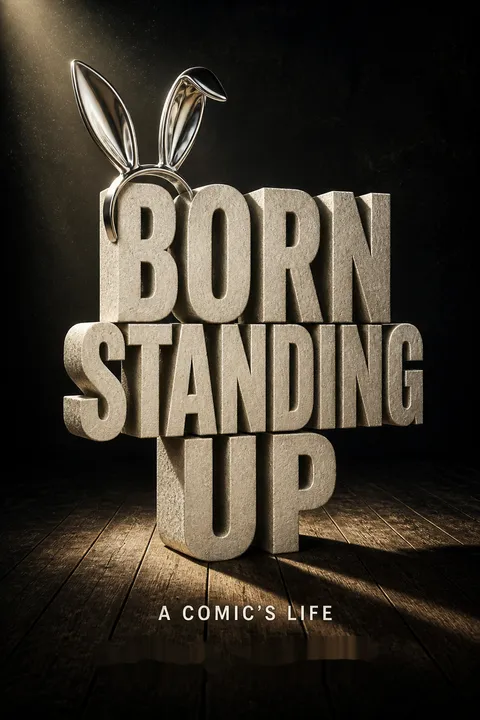
Born Standing Up offers an intimate look at Steve Martin's early career as a stand-up comedian. Readers appreciate Martin's honesty, detailing his difficult relationship with his father and the years of hard work that led to his success. The memoir focuses on his journey from Disneyland magician to comedy superstar, exploring the development of his unique comedic style. While some found the book's tone detached, many praised its insights into the craft of comedy and the fleeting nature of fame. Overall, it's considered a valuable read for fans and aspiring performers alike.
People Also Read






FAQ
What's Born Standing Up: A Comic's Life by Steve Martin about?
- Memoir of a Comedian: The book is a memoir by Steve Martin, detailing his journey from a young aspiring comedian to a successful entertainer.
- Behind the Scenes: It provides an inside look at the challenges and triumphs Martin faced in the world of stand-up comedy.
- Personal Growth: The narrative explores themes of personal growth, perseverance, and the evolution of Martin's comedic style.
Why should I read Born Standing Up: A Comic's Life by Steve Martin?
- Insightful Journey: Readers gain insight into the life of one of comedy's most influential figures, learning about his creative process and career milestones.
- Inspirational Story: The book offers inspiration through Martin's determination and resilience in the face of setbacks and failures.
- Humor and Wit: Martin's signature humor and wit are evident throughout, making it an entertaining and engaging read.
What are the key takeaways of Born Standing Up: A Comic's Life by Steve Martin?
- Persistence Pays Off: Martin's story highlights the importance of persistence and hard work in achieving success.
- Creative Evolution: The book illustrates how Martin's comedic style evolved over time, emphasizing the value of adaptability and innovation.
- Personal Reflection: It encourages readers to reflect on their own journeys and the role of passion in pursuing one's dreams.
What are the best quotes from Born Standing Up: A Comic's Life by Steve Martin and what do they mean?
- “It takes a long time to become an overnight success.”: This quote underscores the years of effort and dedication behind seemingly sudden achievements.
- “Be so good they can’t ignore you.”: Martin emphasizes the importance of excellence and standing out in one's field.
- “Comedy is the art of making people laugh without making them puke.”: This humorous quote reflects Martin's approach to comedy, balancing humor with taste.
How does Steve Martin describe his early career in Born Standing Up: A Comic's Life?
- Humble Beginnings: Martin started his career performing at small venues, often facing tough crowds and limited success.
- Learning and Growth: He used these early experiences to hone his craft, learning from each performance and gradually improving his act.
- Building a Reputation: Over time, Martin's persistence and unique style helped him build a reputation, leading to larger audiences and greater opportunities.
What challenges did Steve Martin face in his comedy career according to Born Standing Up: A Comic's Life?
- Audience Reactions: Martin often faced indifferent or hostile audiences, requiring resilience and adaptability.
- Creative Struggles: He grappled with finding his comedic voice and balancing originality with audience expectations.
- Personal Sacrifices: The demands of his career led to personal sacrifices, including time away from family and friends.
How did Steve Martin's comedic style evolve in Born Standing Up: A Comic's Life?
- Experimentation: Martin experimented with different comedic styles, incorporating elements of absurdity and surrealism.
- Influences: He drew inspiration from various sources, blending traditional stand-up with innovative techniques.
- Signature Style: Over time, Martin developed a distinctive style characterized by wit, physical comedy, and a unique stage presence.
What role did personal reflection play in Steve Martin's journey as described in Born Standing Up: A Comic's Life?
- Self-Assessment: Martin frequently reflected on his performances, identifying areas for improvement and growth.
- Learning from Mistakes: He viewed failures as learning opportunities, using them to refine his act and approach.
- Continuous Improvement: Personal reflection was key to Martin's continuous improvement and eventual success in comedy.
How does Steve Martin address the concept of success in Born Standing Up: A Comic's Life?
- Redefining Success: Martin emphasizes that success is not just about fame or wealth but also personal fulfillment and creative satisfaction.
- Long-Term Perspective: He highlights the importance of viewing success as a long-term journey rather than a single achievement.
- Balancing Act: Martin discusses the challenge of balancing professional success with personal happiness and well-being.
What insights does Born Standing Up: A Comic's Life by Steve Martin offer about the entertainment industry?
- Behind the Curtain: The book provides a candid look at the realities of the entertainment industry, including its challenges and rewards.
- Networking and Relationships: Martin underscores the importance of building relationships and networking within the industry.
- Adapting to Change: He discusses the need to adapt to changing trends and audience preferences to remain relevant.
How does Steve Martin's personal life influence his career in Born Standing Up: A Comic's Life?
- Family Background: Martin's family background and upbringing played a significant role in shaping his comedic sensibilities.
- Personal Experiences: His personal experiences, both positive and negative, influenced his material and performance style.
- Balancing Personal and Professional: The book explores the challenges of balancing personal life with the demands of a career in comedy.
What lessons can aspiring comedians learn from Born Standing Up: A Comic's Life by Steve Martin?
- Embrace Failure: Martin's journey teaches aspiring comedians to embrace failure as a stepping stone to success.
- Be Authentic: He emphasizes the importance of authenticity and staying true to one's comedic voice.
- Commitment to Craft: Aspiring comedians can learn the value of dedication and continuous improvement in mastering their craft.

Download PDF
Download EPUB
.epub digital book format is ideal for reading ebooks on phones, tablets, and e-readers.








































