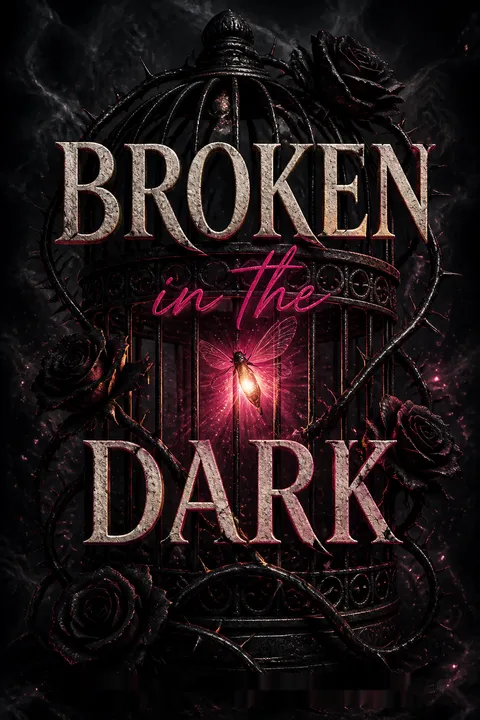
Plot Summary
Shattered Girl, Shattered Rescue
Scarlett, a young woman whose spirit languishes in the dark, is found imprisoned and abused by unknown captors. Reduced to a shell, she lies chained, her hope extinguished—until chaos erupts above her and a band of violent, determined men, led by Leo Alarie, storm in. Their arrival is both salvation and rekindling of old pains, as Scarlett is swept from horror into the uncertain promise of safety. While the Alarie brothers may be lethal and cold-eyed, they treat her with a reverence that ignites a flickering hope: perhaps, even after all she's suffered, she can be brought back from the brink. The moment marks the start of her battle, not merely for survival, but for wholeness.
Return to Forbidden Sanctuary
Scarlett awakens in the affluent but fortress-like Alarie estate, surrounded by a family as powerful as they are haunted—her childhood friends turned guardians. The return is bittersweet. She is offered sanctuary, but is smothered by guilt and fear: her brutal memories, the old love for Leo, and the mysterious, violent events that drove her away years ago. Everyone means to help, but their closeness is edged with suspicion and pain. Yet, beneath it all, the Alaries' love and protectiveness stand in stark contrast to her father's abuse and the trauma Scarlett still carries. Bonds begin reforming—but trust is frail, and the shadows from her time in captivity cling to her mind and body.
Hearts Entwined by Shadows
Scarlett and Leo's relationship—once tender and unrequited—is strained by their new circumstances. Leo wrestles with guilt and unresolved passion; Scarlett is torn between longing and self-loathing. The family, strategizing for Scarlett's safety, proposes a protective marriage: a cold arrangement, yet one that forces Leo and Scarlett closer together. As they walk this knife's edge between trauma and love, they unearth old secrets: the family's own losses, the violence that shaped them all, and the deep vulnerability behind Leo's stoic façade. The looming threat of Scarlett's captor and the world's darkness test their fragile affection, and draw out raw, honest need.
Haunted by Unseen Devils
Scarlett is gripped by recurring nightmares, panic attacks, and the lingering presence of her unseen abuser—Le Diable, the Devil. Desperate to reclaim power, she begins trauma counseling and cautiously reengages with the world. But each small step forward is hunted by memories and a chilling sense that her tormentor is not finished with her. Leo and the Alaries, meanwhile, seek to root out her kidnapper, torn between violent retribution and frustration at dead ends. The family closes ranks, and Scarlett discovers she can no longer distinguish whether the external threats or her internal scars are more dangerous. The sense of being watched, hunted, suffuses her every waking hour.
The Unbreakable Alarie Pact
With enemies circling, the Alarie siblings form an unyielding wall around Scarlett. Their separate roles as family business leaders—Vin as patriarch, Alex as strategist, Mauro as enforcer, Maddy as emotional anchor—are marshalled in her defense. A marriage contract is drawn up between Scarlett and Leo, binding them together not only for safety, but as bait for their invisible enemy. Each Alarie's methods are different: some tender, some ruthless, some calculating. But united, their message is clear: "one of us" is sacred. Scarlett's fragile sense of belonging is restored, but the price is her autonomy, and being thrust into their world means inheriting their dangers too.
Protective Marriage, Hidden Wounds
The protective marriage, designed as both shield and lure, takes place in solemn, awkward circumstances—a far cry from the romantic future Scarlett once imagined with Leo. Both are haunted by memories of a fateful night seven years prior, and by the injuries, visible and invisible, that neither dares discuss. Their wedding night is not one of consummation, but of consent and boundaries, as Leo promises never to touch Scarlett without her instigation. Days blend into weeks of careful, frustrating proximity. Beneath the fragile trust lurks fear of rejection, old heartbreak, and the inescapable shadow of Scarlett's abduction. Every connection is tentative; every gesture loaded.
Past Scars, Present Fears
Scarlett's return forces her to confront the full rot of her history: the abusive, controlling father who shaped her life, and the devastating violence that tore her youth apart. Visiting her father's grave, she unearths the guilt and relief entwined within his death, realizing that his influence continues to grip her even from beyond the grave. Meanwhile, the Alaries grieve their own brutal losses—especially the murder of their patriarch, linking their fate to Scarlett's in ways only gradually revealed. The generational cycle of abuse, vengeance, and secrecy presses on them all, and Scarlett must choose whether to remain a victim of her past or begin forging something new.
The Firefly Reignites
Scarlett and Leo's relationship, once suspended in guilt and self-hate, gradually transforms as both struggle to heal. Through small, deliberate steps—shared meals, gentle touch, candid therapy, and finally, confessions of longing—desire and connection are rekindled. Leo's patience, self-restraint, and gestures of care—preparing food, offering safety, and providing symbols of her lost light—help Scarlett reclaim agency, pleasure, and the hope of intimacy. But every advance is haunted by uncertainty: Is she ready for love? Can Leo want her, broken as she feels? The process is messy, nonlinear, and, above all, deeply tender.
Struggling to Heal in Darkness
The road to recovery is plagued by relapses, nightmares, and self-doubt. Small triggers send Scarlett into spirals of panic, while feeling like an outsider even within the Alarie home. Yet, with the support of family—and Leo's steadfast presence—she learns to name her pain, assert her needs, and slowly rebuild autonomy. Taking a self-defense class with Mauro, wrestling with sharp objects, and insisting on her own boundaries becomes both survival and reclamation. She recognizes her worth through the acts of being seen, believed, and protected—yet comes to see the necessity of protecting herself, too. The scars from the dark begin to decorate her strength, not her shame.
Enemy at the Gates
Despite precautions, signs surface that the enemy—Le Diable and his silent partner—has infiltrated the estate. A mysterious visitor appears at a family event, and warning messages and threats invade Scarlett's private spaces. The sense of siege escalates, twisting Scarlett's hard-won frail stability. The truth is chilling: the violence is not random, but comes from someone close. Paranoia, suspicion, and old debts between families boil over as secrets crackle beneath every surface. The Alaries brace for confrontation, fear gripping the household, even as they refuse to let Scarlett become a victim once again.
The Masked Betrayer Unveiled
The hidden evil finally rips off its mask. Dolion—trusted friend, confessor, and security detail—emerges as Le Diable, the devil who hunted Scarlett in the dark. Yet the horror runs deeper: Anthony, Scarlett's presumed-dead father, masterminded the cycle of betrayal, plotting not only her abduction but the murder of the Alarie patriarch years ago. The twin monsters expose their collusion: a twisted payment of daughter to devil for debts owed and power lust. For Scarlett, the double shock breaks and remakes her in the same breath. It's not only her trauma she must fight, but the generational evil that made her its pawn.
Trapped by Blood and Lies
Scarlett and Maddy are both abducted and held captive, victims of the sins of their fathers. The rescue is no longer about a single victim—it's about whether love, loyalty, and sisterhood can triumph over trauma and cruelty. Scarlett, drawing on self-defense and sheer determination, manages to free herself and fight back, saving both herself and Maddy in a moment that is brutal, terrifying, and cathartic. As gunfire and violence roar outside, the battle within is even more stark: will they remain victims, or assert themselves as survivors and protectors for each other? The fight for life is entwined with the fight for meaning.
Rage, Revenge, and Reckoning
The final confrontation is marked by violence as the Alaries, with help from extended family, take the war to their enemies with pitiless efficiency. Betrayers are unmasked, and Anthony and Dolion face the sum of their sins. The reprisals are personal and unflinching, as Leo and his brothers administer justice in the same language of violence and humiliation their foes dispensed for years. The family's blood debt is paid in kind, burning the old world to ash. Scarlett, at the center, is both witness and symbol: not a broken damsel, but survivor and transformer of legacy.
Survival and Emergence
With the devils vanquished and the estate reclaimed, the survivors—Scarlett, Leo, Maddy, and others—gather to rebuild their shattered lives. The wounds, both visible and hidden, demand patience and collective care. Over shared meals, new projects, and old in-jokes, the family tentatively celebrates life's persistence. Scarlett, once the hunted, dedicates herself to helping others through the women and children's center and begins to imagine a future not dictated by pain. Healing is revealed as an ongoing act, not a destination. Old nightmares slowly loosen their grip, and light returns—never as it was, but as something won.
Love Reclaimed from Ashes
Scarlett and Leo, no longer bound by contracts or fear, commit to each other in a real, chosen marriage. Their union is no longer just a shield against the world, but becomes a sanctuary—two survivors building something new. Scarlett learns to wear her scars with pride; Leo banishes his own guilt. Their love is a slow, patient answer to the world's brutality. Together, they discover safety not in fortresses or guns, but in each other, and in the fierce community they've built.
The Firefly Never Breaks
Scarlett's journey is crowned by a sense of wholeness she long thought lost. The firefly—the symbol of Leo's enduring affection and Scarlett's irrepressible light—becomes emblematic of survival, resilience, and hope. The couple recreates their memories, reclaiming their joy from the dark. Their home evolves into a haven not only for themselves but for others still haunted by their own shadows. Where once the dark was death, now it is simply a background for the light each brings to the other.
Rebuilding, Remembering, Becoming
The narrative closes on the forging of new kinship and purpose: Scarlett's found family flourishes—Maddy, Alina, the Alarie siblings, even once-lost friends. The Alarie home, no longer merely a fortress, becomes a true sanctuary, animated by healing projects, laughter, and celebration. New rituals are founded, old wounds patched. The survivors look both to the past—with grief, forgiveness, and respect for those lost—and to the future, intent on breaking cycles of violence and nurturing the light they've won.
A New Dawn, Unbroken
The novel's coda is celebration: Leo and Scarlett's renewed vows, a wedding suffused with joy dreamed and deferred. The firefly motif shines as their promise to each other, and the trauma that once haunted them has been woven into their story—not erased, but outshone. As they face parenthood, service, and quiet days together, they realize their true triumph: not that evil can be eradicated, but that love and resilience can endure. "Broken in the Dark" becomes not a mark of defeat, but a badge of overcoming—together.
Analysis
Broken in the Dark is a contemporary dark romance that grapples fearlessly with trauma, family legacy, and the reclamation of self after violence. At its core, the novel explores the many forms of "being broken" and resolutely insists that survival—and eventual thriving—is possible, but only through courage, vulnerable community, and self-definition beyond what was done to one. Through Scarlett's harrowing journey from total victimization to empowered survivor, the narrative traces a path for readers who have known the dark, never sugarcoating the hurdles or the pain, yet always offering the possibility of light. The Alarie family's world—ruled by violence, secrets, and codes of loyalty—is both critique and celebration of belonging: true safety, it insists, is not in fortresses or forced alliances but honest love, chosen rituals, and mourning and forgiving the past. Scarlett's healing, and her romance with Leo, are rendered believable by their patience, missteps, and gentle negotiation of consent—a rarity in tales treating such grave subject matter. Though steeped in revenge and gothic melodrama, the novel's most radical gesture lies in its ending: light, hope, and growth are not the absence of darkness, but the ability to shine—bravely, again and again—despite it. Its lesson is as old as storytelling: we are not the sum of what was done to us, but of how we rise, and whom we rise with.
Review Summary
Broken in the Dark is a mafia romance series opener featuring childhood sweethearts Leo and Scarlett, reunited after seven years and a traumatic kidnapping. Readers consistently praise Leo as an ideal romantic hero — patient, protective, and devoted — while appreciating the thoughtful portrayal of Scarlett's healing journey. The marriage of convenience and second chance tropes were fan favorites. Common criticisms include a predictable villain, inconsistent character moments, and lighter-than-expected dark romance elements. Overall rating of 4.06 reflects a largely enthusiastic reception, with readers eagerly anticipating future installments featuring the Alarie siblings.
People Also Read

Characters
Scarlett Balcom Alarie
Scarlett is the emotional and narrative center of the novel—a young woman battered by unimaginable trauma, but never truly extinguished. Once spirited and imaginative, years of paternal abuse and a brutal kidnapping leave her with deep scars: PTSD, panic, and the conviction she is irreparably "broken." Her relationship with Leo, first an adolescent crush, becomes her sanctuary and her test: through their arranged marriage, she slowly reclaims agency, trust, and desire. Scarlett's journey is both inward and outward—she must face the haunting legacy of her father, the machinations of powerful men, and her own self-doubt. By choosing courage, seeking help, and, crucially, refusing to be defined by her pain, Scarlett transforms into a resilient, compassionate heroine, determined not only to heal herself but to extend hope to others.
Leonardo "Leo" Alarie
Leo, once Scarlett's best friend and secret beloved, embodies both the darkness of the Alarie family legacy and the fierce light of devotion. Haunted by his inability to prevent either Scarlett's suffering or his own father's murder, Leo is self-sacrificing, stoic, and occasionally terrifying—but with a core defined by longing and tenderness. His journey is one of learning to forgive himself, to give and receive love with boundaries, and to trust that his own darkness can be softened by Scarlett's light. His slow-burn, attentive care—marked by rituals, gifts (the firefly, the nightlight, the scarred hand)—are the means by which he helps Scarlett (and himself) recover. Ultimately, he is proof that real strength lies in vulnerability, not violence.
Vincenzo "Vin" Alarie
As the eldest sibling, Vin is the archetype of mafia responsibility and fraternal loyalty. Coolly strategic, he balances the family's business interests with genuine care for each member. His actions drive many key plot turns, including the defensive marriage plot and the eventual takedown of internal enemies. For Scarlett, he shifts from distant "fixer" to found brother—protective, loving, willing to break rules for those he claims. Vin's own hidden wounds (the loss of his father, strain of leadership) surface through his actions and millstones, but his greatest strength is in seeing the bigger picture, forging alliances, and never letting emotion override duty—except, sometimes, for his sisters.
Madeleine "Maddy" Alarie
Madeleine is both Scarlett's best friend and the emotional heart of the Alarie family. Her loyalty is unconditional, but her own pain is largely hidden: anxiety, sense of responsibility, and complicated relationships (especially with Eli and with her fiancé Alastor). Unlike Scarlett, Maddy is always giving, less practiced at receiving care—her arc is one of learning to ask for help, to demand more, and to refuse to accept "good enough" from men or life. She also acts as a key bridge between Scarlett and the rest of the Alaries, refusing to let shame or fear become isolation. Resilient, funny, and quietly insightful, Maddy is proof that survival sometimes looks like mundane bravery.
Mauro Alarie
Once boisterous, Mauro is marked by tragedy—having lost his voice during the warehouse bombing. He communicates in grunts, gestures, and notepads, but is no less expressive or protective. His relationship with Scarlett is both gentle and fierce (he's her self-defense teacher). Mauro's very presence is a reminder that scars, seen and unseen, are part of the family's fabric. He demonstrates how healing is collaborative: his progress, like Scarlett's, is measured in small victories, hard-won trust, and acts of caretaking. He epitomizes the theme that masculinity can be both strong and soft, violent and nurturing.
Alessandro "Alex" Alarie
Alex is the family's strategist—aloof, obsessive about order, and a quietly devastating operator in business and cyberwarfare. His genius is essential to uncovering clues, hacking threats, and dismantling the enemies' networks. He offers a counterpoint to the brawn of others, showing that insight and mastery of systems are as necessary as force. Alex's particular bond with Scarlett is slightly removed but deeply sincere, and his own anxieties and losses surface in moments of candor. His character embodies the struggle between predictability and chaos—a theme mirrored in the family's fight for control over their lives.
Cecilia Alarie
Scarlett's surrogate mother and Leo's real one, Cecilia is both nurturing and unyielding. She embodies the paradox of fierce compassion—grieving her husband, orchestrating the protective marriage, and loving every Alarie (by blood or by choice) with a vast heart. Her acceptance of Scarlett, especially after learning of Anthony's abuse, is pivotal to Scarlett's recovery. Cecilia is also politically astute, manipulating situations from behind the scenes for the family's benefit.
Eli Lyon
Eli is Leo's childhood friend, outsider to the Alarie bloodline but not to its ethos. As Scarlett's bodyguard and Maddy's onetime beloved, he is both comic relief and a crucial presence. Haunted by his own demons, Eli is fiercely skilled and self-deprecating, but his protectiveness is second to none. He stands as proof that family, especially found family, is built through acts, not lineage.
Dolion / Le Diable
Dolion hides in plain sight as a family confidant and professional, his identity as Le Diable (the Devil) only revealed late. He represents the banality and intimacy of evil—his fixation on Scarlett is at once pathetic and horrifying. Motivated by entitlement and resentment, Dolion is a warning: monsters are made as much by neglect as by malice. His trauma and envy are shaped (and weaponized) by Anthony, and his final defeat is both a personal and collective exorcism.
Anthony Balcom
Anthony is the hidden puppetmaster—Scarlett's father, abuser, and the author of both her pain and the Alaries' blood feud. His villainy is complex: shaped by power-lust, disappointment, and calculated self-interest, not merely sadistic pleasure. His greatest crime is seeing his daughter as a commodity, offering her to Dolion for vengeance and profit. Anthony's eventual unmasking and destruction is the narrative's necessary reckoning with inherited evil, and with the limits of forgiveness.
Plot Devices
Dual Narration and Shifting Perspectives
The narrative unfolds through alternating points of view, most often Scarlett's and Leo's, sometimes others', allowing a mosaic of perceptions—trauma, guilt, passion, and strategy. This not only builds suspense by revealing clues and motivations gradually, but situates the reader both within Scarlett's wounded psyche and Leo's haunted resolve. As the mystery and threat escalate, the shifting viewpoints heighten the psychological tension, create misunderstandings, and pull back the curtain on the family's collective (and individual) wounds.
Symbolism: Fireflies and Light
The firefly is a recurring motif—both as a pet name and an emblem of hope, survival, and the magic innate in Scarlett. Light and dark are woven throughout: the nightlight, the painted ceiling, the flowers, the library, the night sky, all underline Scarlett's enduring glow in the face of crushing pain, and Leo's faith that "the firefly reignites." Healing is always cast as entering the light, or being able to stay unbroken when the dark returns.
Masked Identity and Betrayal
The novel is built on secrets and betrayals: Anthony's (literally) hidden survival; Dolion's double life as trusted friend and predator; the enemy within, not just without. These reveals are meticulously foreshadowed through strange alliances, suspicious absences, and a mounting sense of paranoia and siege. The narrative leverages misdirection, repetition of old traumas, and sudden role reversal (the protector is the threat) as engines for both suspense and theme.
Closure Through Cyclical Revenge
Vengeance is both motivator and resolution—each act of evil is eventually mirrored back: the tormentors burned, the abusers broken, the cycle of violence confronted head-on by those who suffered most. Yet the narrative is careful not to suggest that violence alone brings healing; instead, justice is contextualized as both necessary reckoning and the start of something new. The final restorative acts—wedding, library, children's center—are true closure.
Healing Through Chosen Family and Ritual
The novel foregrounds the role of found family in recovery: through protection, gentle teasing, mutual aid, and, crucially, allowing vulnerability. Self-defense lessons, shared meals, reading, and therapy sessions are not merely narrative devices but rituals of survival and rebirth. Recovery is unglamorous, slow, sometimes interrupted. Ultimately, the family's survival and Scarlett's brighter future are rendered credible because they are built through daily, humble acts of mutual care.
Foreshadowing and Interwoven Timelines
The story's chronology bends at moments of crisis, with memories of the pivotal night seven years prior returning repeatedly, and details—injuries, objects, absences—gaining meaning as secrets break open. Each revelation (who died, who survived, who was betrayed) transforms the meaning of earlier actions and choices, ensuring that the final confrontation is both inevitable and fraught with the weight of history.
Love as Reclamation
Central to Scarlett's journey is reclaiming her sexuality, agency, and joy. This is staged through both isolation and connection—first, the inability to be touched, then the gradual, hard-won rediscovery of safe intimacy, culminating in mutual declaration of love and chosen marriage. The theme is clear: love is not a panacea, but it is both prize and process—earning it, choosing it, daring to believe in it again.
Download PDF
Download EPUB
.epub digital book format is ideal for reading ebooks on phones, tablets, and e-readers.








































