
Plot Summary
Sixty-Three Yards Forward
John Sawtelle's journey begins with a simple act: his car overheats on a remote Wisconsin road, and he and his new pup, Gus, set out to find water. This seemingly trivial event leads John to an abandoned farm, a place that will become the center of his life's work and legacy. The chapter sets the tone for the novel's exploration of fate, chance, and the unexpected beginnings of great quests. John's playful handstand down the road, measured at sixty-three yards, becomes a metaphor for the leaps of faith and the unpredictable paths that shape a life. The moment is unremarkable to John at the time, but it marks the start of a generational saga, where small decisions ripple outward, changing the course of many lives.
Something Beyond Something
John's life in Hartford is shaped by his restless curiosity and his marriage to Mary, a fiercely independent woman with a complicated past. Their love story is both ordinary and extraordinary, rooted in mutual respect and a shared desire for something more than the "rabbit-life." Mary's resilience, forged through hardship and betrayal, complements John's optimism and inventiveness. Together, they build a life filled with dogs, dreams, and the pursuit of meaning. The chapter explores the interplay between fate and free will, the courage to leap toward the unknown, and the power of partnership to transform adversity into possibility. Their union is the foundation for the generations that follow.
Pariah and Possibility
After a violent incident at the Kissel factory, John becomes a pariah in his community, wrongly suspected of complicity in a shooting. Unable to find work, he faces ostracism and uncertainty. Yet, through the support of friends and the steadfastness of Mary, he endures. The chapter delves into the complexities of reputation, the pain of exclusion, and the quiet heroism required to persist in the face of misunderstanding. John's journey is marked by small acts of kindness and ingenuity, as he navigates a world that is both factory and family, filled with both murder and grace. The seeds of his future legacy are sown in these trials.
The Reward and the Globe
John is summoned by the dying Louis Kissel, who offers him a strange reward: a lifetime job at the factory, regardless of performance. The encounter is a meditation on justice, guilt, and the impossibility of true recompense. John's memories of childhood—especially the episode with Miss Diffy's globe—reveal his lifelong fascination with the world's machinery and the boundaries between imagination and reality. The globe becomes a symbol of perspective, the desire to see the world from the inside, and the risks of stepping outside the expected. The chapter is suffused with the bittersweet knowledge that every reward carries its own punishment, and that the past is never truly past.
Granddaddy's Frozen Wisdom
John's friendship with Elbow and So Jack is deepened through their shared work and the legendary horse, Granddaddy. The chapter is rich with humor and warmth, as So Jack's tales—especially the recurring "Granddaddy's froze up again" routine—become a way to teach children (and adults) about patience, teamwork, and the power of belief. Granddaddy, the horse who can count and feign lameness, is both a literal and metaphorical anchor, embodying the wisdom of listening, the value of rest, and the importance of knowing when to move and when to stay. The animal world is shown as a mirror for human striving and folly.
Rooms Make People
Mary's reflections on the rooms she inhabits—especially her sanctuary above the carriage house—reveal how physical spaces shape identity, behavior, and destiny. The chapter explores the interplay between form and function, the ways in which rooms can provoke or prevent both harm and healing. Mary's insight that "rooms make people as much as people make rooms" becomes a guiding principle for her life and her marriage. The spaces she creates are both refuge and laboratory, places where love, creativity, and resilience are cultivated. The chapter is a meditation on the power of environment to nurture or constrain the soul.
Dreams Were Thunder
The Sawtelles' decision to buy the farm is fraught with secrets, misunderstandings, and the need for forgiveness. Mary's confrontation with her stepfather, The Beast, is a masterclass in reclaiming power and demanding justice. The chapter is filled with emotional thunder—arguments, reconciliations, and the stormy process of making life-altering decisions. The dogs, ever-present, are both witnesses and participants in the family's dramas. The chapter ends with the promise of new beginnings, as the Sawtelles, joined by friends and animals, set out to build a life on their own terms, guided by dreams and the willingness to face the unknown.
Squeezing the Beast
Mary's journey to confront her stepfather in Lincoln is a reckoning with the betrayals and compromises of her childhood. She leverages her knowledge and courage to secure the financial means for her and John to start anew. The chapter is a study in negotiation, power, and the complexities of forgiveness. Mary's ability to "squeeze the Beast" without resorting to vengeance is a testament to her strength and pragmatism. The past is neither forgotten nor excused, but transformed into the foundation for a different kind of life. The chapter is a turning point, where old debts are settled and new possibilities are claimed.
One Impossible Thing
John's challenge to Elbow—to believe in impossible things—becomes the rallying cry for their collective leap into the future. The handstand, the fencing match, and the stories of molasses floods and miracles are all metaphors for the courage required to attempt what seems unattainable. The chapter is suffused with humor, camaraderie, and the deep bonds of friendship. The impossible becomes possible through trust, persistence, and the willingness to risk failure. The chapter ends with the friends united in purpose, ready to build something beautiful together, even if they don't yet know what it will be.
Frank's Impossible Return
Frank Eckling's return to the Sawtelles' circle is marked by pain, anger, and the long process of healing. His war injuries—physical and psychological—are a constant presence, shaping his interactions and his sense of self. The chapter explores the limits of consolation, the difficulty of forgiveness, and the redemptive power of work, friendship, and animals. Frank's journey is one of learning to live with loss, to accept help, and to find purpose in the midst of suffering. The chapter is a testament to the resilience of the human spirit and the possibility of transformation, even after great trauma.
Last Days at Elm Street
The Sawtelles' preparations to leave Elm Street are filled with nostalgia, regret, and anticipation. The process of selling, packing, and saying goodbye is both practical and symbolic—a shedding of old skins and the embrace of new identities. The chapter is rich with small moments of grace and humor, as the family navigates the logistics of departure and the emotional complexities of leaving behind a place that has been both home and battleground. The act of letting go is shown as both loss and liberation, the necessary prelude to growth and renewal.
There Are Times You Need a Road
The journey north to the new farm is both literal and metaphorical—a passage from one life to another, filled with uncertainty and hope. The chapter is a tapestry of stories, advice, and reflections, as the travelers—human and animal—navigate the roads, both paved and unpaved, that lead to their new home. The wisdom of Granddaddy, the horse, and the lessons of So Jack are woven throughout, reminding the characters (and readers) that sometimes you need a road, and sometimes you need a roof. The chapter is a celebration of movement, possibility, and the courage to keep going.
Foundation Stock
The story of the Sawtelle dogs' foundation stock is a meditation on breeding, selection, and the interplay of nature and nurture. The chapter traces the lineage of the dogs, the choices that shaped their traits, and the philosophy that guided their development. The dogs are not just animals, but the living embodiment of the family's values, dreams, and experiments. The chapter is a reflection on the responsibilities of stewardship, the unpredictability of inheritance, and the ways in which every generation builds on the work of those who came before. The legacy of the dogs is both gift and challenge.
Combination Man
John's work as a lineman and installer for the telephone company becomes a metaphor for the connections—literal and figurative—that bind people, places, and stories. The chapter explores the satisfaction of skilled labor, the camaraderie of collective effort, and the quiet heroism of those who keep the world running. The telephone lines are both lifelines and symbols of the invisible threads that connect past and present, self and other. The chapter is a celebration of competence, adaptability, and the dignity of work, as well as a meditation on the ways in which every life is a combination of many roles.
Minch Rules
The world of dog fighting, as orchestrated by Ev Minch, is a dark mirror to the Sawtelles' philosophy of care and stewardship. The chapter is unflinching in its depiction of brutality, exploitation, and the rationalizations that enable cruelty. Yet, even here, moments of resistance, compassion, and agency emerge—dogs refusing to fight, people questioning the rules. The chapter is a meditation on the limits of empathy, the dangers of power without conscience, and the ways in which systems—legal, social, personal—can be bent to serve both good and evil. The struggle to define and defend what matters is at the heart of the story.
Consoler and Betrayer
Claude's descent into deception, violence, and self-betrayal is a harrowing exploration of the ways in which good intentions can lead to terrible outcomes. The chapter is filled with tension, as secrets unravel and the consequences of choices become inescapable. The bonds of family, friendship, and loyalty are tested to the breaking point. Yet, even in the midst of betrayal, the possibility of consolation, forgiveness, and new beginnings remains. The chapter is a study in the complexity of human motivation, the difficulty of atonement, and the enduring hope for reconciliation.
Familiaris: The Work of Leaving
As John ages, he turns to the work of recording the stories of the dogs, the family, and the farm. The act of writing Familiaris becomes both a way to preserve the past and to make sense of a life filled with joy, sorrow, and meaning. The chapter is a meditation on the power of narrative to heal, to connect, and to endure. The work of leaving is shown as both an ending and a beginning, the necessary labor of passing on what matters to those who come after. The chapter is suffused with gratitude, regret, and the quiet triumph of having lived and loved well.
Beyond Something
The novel's epilogue is a lyrical meditation on the mysteries that lie beyond the visible, the known, and the possible. The boundaries between human and animal, self and other, life and death are blurred, as the characters—living and dead, human and canine—continue to influence, inspire, and console one another. The story ends not with closure, but with an opening: a call to seek, to hope, and to believe in the impossible. The legacy of the Sawtelles, their dogs, and their dreams endures, echoing through time and memory, inviting each new generation to leap toward the something beyond something.
Analysis
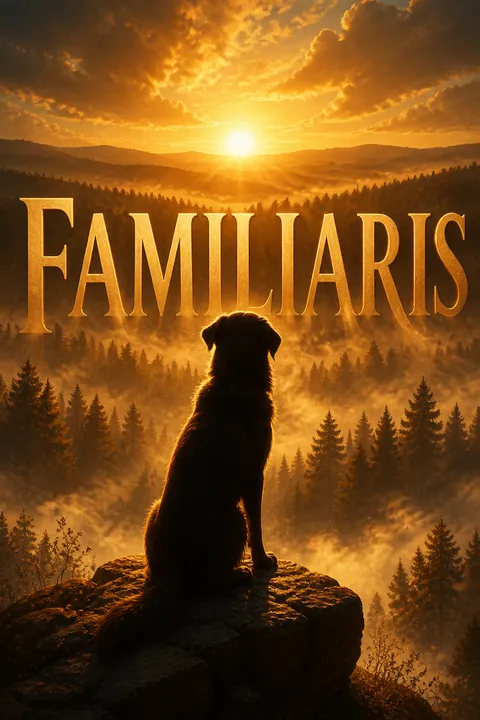
Familiaris is a sweeping, ambitious meditation on the nature of inheritance, the boundaries between human and animal, and the search for meaning in a world marked by both beauty and suffering. At its heart, the novel is about the courage to leap into the unknown, to believe in impossible things, and to build a legacy—of love, work, and care—that endures beyond one's own life. The Sawtelle family's journey, from pariah to patriarch, from trauma to transcendence, is both deeply personal and universally resonant. The dogs, as companions, teachers, and inheritors, are both literal and symbolic, embodying the best and worst of human striving. The novel's structure—nonlinear, recursive, filled with letters, dreams, and stories within stories—mirrors the complexity of memory and the impossibility of closure. Familiaris invites readers to reflect on the ways in which we are shaped by our past, the spaces we inhabit, and the animals we love. It is a story about the work of leaving, the art of storytelling, and the enduring hope that, even in the face of loss, something beautiful and meaningful can be built. The lessons are many: that forgiveness is possible, that legacy is both gift and challenge, and that the boundaries between self and other, human and animal, past and future, are more porous than we imagine. In the end, the novel is a call to seek, to hope, and to believe in the something beyond something—the impossible thing that makes life worth living.
Review Summary
People Also Read




Characters
John Sawtelle
John is the restless, curious heart of the Sawtelle saga. His life is marked by a series of leaps—literal and figurative—into the unknown. Driven by a desire to understand the world and improve it, he is both a tinkerer and a philosopher, equally at home with machines, animals, and ideas. His marriage to Mary is the anchor of his life, and together they build a legacy of dogs, family, and possibility. John's optimism is tempered by hardship, loss, and the slow accumulation of wisdom. He is a man who believes in impossible things, who finds meaning in small acts, and who endures through resilience, humor, and love. His journey is one of transformation, from pariah to patriarch, from seeker to storyteller.
Mary Svoboda Sawtelle
Mary is the soul of the Sawtelle family, a woman shaped by adversity and determined to claim her own destiny. Her intelligence, wit, and strength are matched by a deep capacity for love and forgiveness. Mary's past—marked by betrayal and survival—gives her a keen sense of justice and a refusal to be defined by others' expectations. She is both sanctuary and challenger for John, pushing him to grow while grounding him in reality. Mary's insights into space, behavior, and the architecture of self shape the family's life and legacy. Her death is a wound that never fully heals, but her presence endures in memory, story, and the lives she touched.
Elbow (Ulysses Elbow)
Elbow is John's lifelong friend and the quiet counterpoint to his exuberance. A man of few words but deep feeling, Elbow expresses himself through the things he builds—beds, tables, Tonewood furniture—that become vessels for meaning, memory, and connection. His Shaker heritage informs his pursuit of simplicity, utility, and beauty. Elbow's journey is one of self-acceptance, learning to value his own unique way of being in the world. His relationships—with John, Audie, and the wider Sawtelle circle—are marked by loyalty, patience, and a willingness to support others' dreams. Elbow's legacy is one of quiet excellence and the enduring power of making.
Frank Eckling
Frank is the novel's most complex and conflicted character, a man scarred by war, addiction, and loss. His return to the Sawtelle circle is fraught with anger, bitterness, and the struggle to find meaning in suffering. Frank's journey is one of slow healing, as he learns to accept help, forgive himself, and rediscover purpose through work, friendship, and the companionship of animals. His sharp wit and cynicism mask a deep vulnerability and a longing for connection. Frank's evolution—from self-destructive outsider to valued friend and mentor—is a testament to the possibility of redemption and the enduring need for consolation.
Mary's Step-Father (The Beast, Alfons Svoboda)
Alfons is both villain and victim, a man whose charm and self-mythologizing mask a deep insecurity and capacity for harm. His betrayal of Mary is the crucible in which her strength is forged. The confrontation between Mary and Alfons is a study in power, negotiation, and the complexities of forgiveness. Alfons's eventual capitulation is less redemption than defeat, but it allows Mary to claim her own future. He is a reminder of the dangers of unchecked ego and the necessity of standing up to injustice.
So Jack Von Osten
So Jack is the keeper of Granddaddy, the legendary horse, and the purveyor of wisdom through story and example. His routines—especially the "Granddaddy's froze up again" act—are both entertainment and instruction, teaching patience, teamwork, and the value of rest. So Jack's sentimental counseling, offered through Granddaddy, is a gentle parody of therapy and a genuine source of comfort. His journey is one of adaptation, resilience, and the quiet heroism of those who care for animals and people alike.
Claude Sawtelle
Claude is the family's most enigmatic and troubled member, a young man marked by brilliance, restlessness, and a capacity for deception. His descent into violence and betrayal is both shocking and deeply human, the result of wounds both given and received. Claude's journey is one of exile, wandering, and the search for forgiveness. His return is fraught with ambiguity, but his presence is a reminder of the enduring bonds of family and the possibility of change.
Gar Sawtelle
Gar is the bridge between generations, the son who takes up the work of the farm and the dogs, building on the foundation laid by John and Mary. His steadiness, competence, and quiet ambition are matched by a deep sense of responsibility and a willingness to adapt. Gar's journey is one of growth, as he learns to balance tradition and innovation, to honor the past while shaping the future. His relationships—with Trudy, his children, and the wider Sawtelle circle—are marked by loyalty, care, and the desire to do right by those he loves.
Ida Paine / Nyx
Ida is the novel's most mysterious figure, a woman whose origins are shrouded in myth and whose abilities blur the boundaries between human and supernatural. Her connection to the land, the animals, and the cycles of life and death is profound and unsettling. Ida's dual nature—human and other, self and Nyx—makes her both guide and warning, a reminder of the mysteries that lie beyond reason. Her interventions are both blessing and curse, shaping the destinies of those around her in ways they cannot fully understand.
The Dogs (Vi, Gus, Needles, Penny, Forte, Jug, Almondine, etc.)
The dogs are both characters and symbols, embodying the values, dreams, and experiments of the Sawtelle family. Each dog—Vi, Gus, Needles, Penny, Forte, Jug, Almondine, and many others—has a distinct personality, role, and arc. They are witnesses to human drama, participants in the family's joys and sorrows, and agents of change. The dogs' evolution, from foundation stock to the miracle month yearlings, is a testament to the power of care, selection, and the interplay of nature and nurture. They are both gift and challenge, reminding the humans of what is possible, what is lost, and what endures.
Plot Devices
Generational Saga and Nonlinear Narrative
The novel unfolds as a multigenerational saga, weaving together the stories of the Sawtelle family, their friends, and their dogs across decades. The narrative is nonlinear, moving fluidly between past and present, memory and anticipation, dream and reality. Letters, dreams, and stories within stories are used to reveal character, foreshadow events, and deepen themes. The use of recurring motifs—such as the globe, the handstand, the suitcase, and the voicewood panel—creates a sense of resonance and continuity. The structure allows for both intimacy and scope, inviting readers to see the connections between small moments and larger destinies.
Animal-Human Parallelism and Symbolism
The dogs are not merely pets or background; they are central to the novel's exploration of inheritance, agency, and the boundaries between species. Their training, breeding, and evolution are both literal and symbolic, reflecting the hopes, fears, and experiments of the humans. The dogs' behaviors—miracle month, gaze following, mimicry—are used to explore questions of consciousness, communication, and the possibility of transcendence. The animal world is a parallel narrative, offering both critique and consolation to the human story.
Letters, Dreams, and Metafiction
The novel is rich with letters, dreams, and stories within stories, blurring the lines between fiction and reality, past and present, self and other. The act of writing Familiaris becomes a central plot device, a way for John (and the author) to grapple with loss, preserve memory, and make sense of a life. Dreams are used to reveal hidden truths, foreshadow events, and connect characters across time and space. The metafictional elements invite readers to reflect on the nature of storytelling itself, the limits of knowledge, and the enduring power of narrative to heal and connect.
Foreshadowing and Echoes
The novel is structured around patterns and echoes—events, phrases, and images that recur across generations and contexts. The handstand, the globe, the suitcase, the voicewood panel, and the phrase "suppose you could do one impossible thing" are all used to foreshadow later developments and to create a sense of destiny and interconnectedness. The echoes between human and animal, past and present, self and other, invite readers to look for meaning in the patterns of life, even when the answers remain elusive.








































