
Plot Summary
The Blue Lady Murders
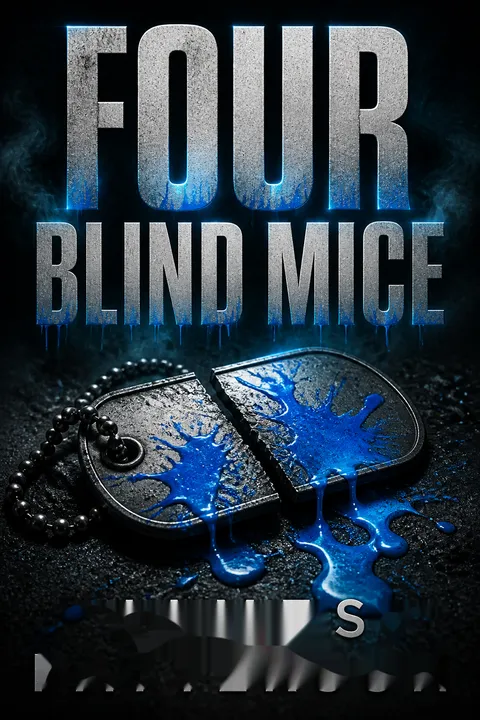
In a quiet North Carolina town, three military wives are found murdered and grotesquely painted blue. The evidence points overwhelmingly to Sergeant Ellis Cooper, a decorated Vietnam veteran. The prosecution's case is airtight: Cooper's fingerprints, DNA, and personal knife are all found at the scene. Despite his impassioned pleas of innocence, Cooper is convicted and sentenced to death. The community is satisfied, but beneath the surface, something feels wrong. The murders are too theatrical, the evidence too perfect, and the brutality too calculated. The stage is set for a deeper investigation, one that will challenge the very foundations of justice and loyalty among soldiers and friends.
A Friend's Last Plea
Detective John Sampson, Alex Cross's lifelong friend, is devastated by Cooper's conviction. He believes in Cooper's innocence with unwavering certainty, rooted in their shared history from the Army. Sampson pleads with Cross to take on one last case before retiring, hoping his friend's investigative genius can uncover the truth. Cross, torn between his family and his sense of duty, agrees to help, making a promise to his grandmother, Nana Mama, that this will be his final case. Their journey begins with a road trip to North Carolina, where the bonds of friendship and the weight of past loyalties drive them into the heart of a conspiracy.
Three Blind Mice Watch
Unbeknownst to the world, the true murderers—three former Army Rangers known as the "Three Blind Mice"—watch Cooper's trial with satisfaction. Led by the cold and calculating Thomas Starkey, with Brownley Harris and Warren Griffin at his side, they celebrate their success in framing Cooper. Their camaraderie is forged in the fires of Vietnam, and their ritualistic killings are both a continuation of old habits and a twisted form of justice. They film their crimes, reliving them with perverse pride, and remain untouchable, hidden behind layers of military secrecy and brotherhood.
The Framed War Hero
Cross and Sampson visit Cooper on death row, where he recounts his version of events. He describes a night of drinking, an alibi that was ignored, and a sense of being targeted for reasons he cannot fathom. The evidence against him is overwhelming, yet he insists he was framed. Cross senses the truth in Cooper's words and begins to question the integrity of the investigation. The detectives encounter resistance from the Army and local authorities, who are eager to close the case and move on. The deeper they dig, the more they sense a cover-up rooted in the military's desire to protect its own.
Cross and Sampson Investigate
As Cross and Sampson probe the case, they encounter a wall of silence from Army officials and local police. Their investigation uncovers a pattern: other soldiers have been convicted and executed for similar crimes, each case marked by planted evidence and painted victims. The detectives' persistence draws unwanted attention, and they are warned to abandon their search. Despite the mounting danger, Cross and Sampson press on, driven by loyalty to Cooper and a growing sense of injustice. Their efforts begin to unravel a web of deceit that stretches back decades.
The Boy in the Window
A breakthrough comes when a young, wheelchair-bound boy named Ronald Hodge reveals he saw three men outside the murder scene, one with a video camera. His testimony, ignored by previous investigators, provides the first real evidence that Cooper was not alone at the scene. Cross and Sampson realize the significance of this overlooked witness and begin to piece together the true sequence of events. The boy's courage in speaking out becomes a turning point, giving the detectives hope that they can save Cooper before it's too late.
Patterns of Painted Death
Cross's research uncovers other cases across the country where victims were painted after death, and soldiers were convicted on dubious evidence. Each case follows a chillingly similar pattern: planted weapons, staged scenes, and a rush to judgment. The detectives begin to suspect a coordinated effort to frame innocent men, possibly as part of a larger vendetta or cover-up. The ritualistic nature of the killings points to a deeper psychological motive, one rooted in the trauma and moral ambiguity of war.
The Army's Gray Wall
Attempts to appeal to military authorities are met with indifference or hostility. General Bowen, the commanding officer at Fort Bragg, is particularly adamant about Cooper's guilt, reflecting the Army's desire to maintain order and avoid scandal. Cross and Sampson's efforts to reopen the case are stonewalled at every turn, and they are even arrested and briefly jailed after a bar fight instigated by hostile soldiers. The Army's "gray wall" of silence proves nearly impenetrable, reinforcing the detectives' belief that powerful forces are invested in keeping the truth buried.
The Killers' Rituals
Meanwhile, Starkey, Harris, and Griffin continue their killing spree, targeting vulnerable women and leaving behind their signature painted corpses. Their actions are both a continuation of their wartime roles as assassins and a perverse form of entertainment. They film their crimes, relishing the power and control they wield. Their ability to blend into civilian life, working as gun salesmen and family men, makes them all the more dangerous. The line between soldier and killer blurs, raising questions about the lasting impact of war on the human psyche.
Domestic Shadows and Doubts
As the investigation intensifies, Cross's home life is strained. Nana Mama's health falters, and Cross grapples with the demands of fatherhood and the risks of his profession. His budding romance with Jamilla Hughes, a detective from California, offers moments of solace but also highlights the sacrifices required by his calling. The emotional toll of the case weighs heavily, forcing Cross to confront his own vulnerabilities and the limits of his ability to protect those he loves.
The Trail of Innocents
The detectives discover a disturbing pattern: multiple soldiers across the country have been executed for crimes they likely did not commit. Each case is linked by the presence of painted victims and evidence that points to a sophisticated frame-up. Anonymous emails from someone calling themselves "Foot Soldier" provide cryptic clues, suggesting an insider's knowledge of both the murders and the military's inner workings. The scope of the conspiracy becomes clear—innocent men are being sacrificed to protect a darker truth.
The Ghosts of An Lao
The investigation leads Cross and Sampson to the An Lao Valley in Vietnam, where atrocities committed by American soldiers decades earlier set the stage for the current wave of murders. The Three Blind Mice were originally sent to "clean up" rogue units responsible for civilian massacres, but instead became killers themselves. The trauma and guilt of those years have festered, manifesting in a cycle of violence and retribution that spans generations. The detectives realize that the true motive behind the murders is revenge for past sins, both real and imagined.
The Hunters Become Hunted
As they close in on the truth, Cross and Sampson become targets themselves. The Three Blind Mice, aware that the detectives are onto them, attempt to eliminate their pursuers. A deadly game of cat and mouse unfolds, culminating in a violent confrontation in the woods. Cross is captured and nearly killed, but Sampson, thought to be dead, reappears and saves his friend in a dramatic reversal. The hunters have become the hunted, and the cycle of violence reaches its bloody climax.
Love and Loss at Home
In the aftermath of the confrontation, Cross and his family begin to heal. Nana Mama undergoes a successful medical procedure, and Sampson finds love with Billie Houston, the widow of another framed soldier. Cross's relationship with Jamilla deepens, offering hope for a future beyond the darkness of his work. The emotional scars of the case linger, but moments of joy and connection remind the characters of what is worth fighting for.
The Army's Deadly Secret
The detectives uncover the final piece of the puzzle: a high-ranking Army officer, General Hutchinson, orchestrated the cover-up of the An Lao Valley atrocities and sanctioned the murders to protect his career. When Cross confronts him, Hutchinson attempts to have him killed, but is ultimately brought down by a group of Vietnamese vigilantes seeking their own form of justice. The revelation exposes the depths of institutional corruption and the lengths to which those in power will go to protect themselves.
The Fourth Blind Mouse
The mysterious "Foot Soldier" is revealed to be Tran Van Luu, a former Kit Carson scout and now a prisoner on death row. Luu orchestrated the revenge killings as payback for the atrocities committed in his homeland, using the Three Blind Mice as his instruments. His actions blur the line between justice and vengeance, forcing Cross to confront uncomfortable truths about the nature of war, guilt, and retribution. The cycle of violence is both personal and political, rooted in wounds that never fully heal.
The Final Reckoning
With the deaths of the Three Blind Mice and the exposure of the Army's crimes, the case comes to a close. Yet the resolution is bittersweet—innocent men have died, and the true cost of justice is measured in lives lost and families shattered. Cross must reckon with the limits of his power to set things right, and the knowledge that some wounds can never be fully healed. The story ends with a sense of hard-won closure, but also a recognition that the past is never truly past.
Healing, Hope, and New Beginnings
In the aftermath, Cross embraces the importance of family, love, and the small joys that make life worth living. Sampson marries Billie, and Cross contemplates a new career with the FBI, seeking a way to balance his need for justice with his responsibilities at home. The lessons of the case linger: the dangers of unchecked power, the corrosive effects of secrecy, and the enduring strength of friendship and love. The story closes on a note of hope, as Cross looks to the future with renewed purpose and a deeper understanding of the complexities of justice and forgiveness.
Analysis
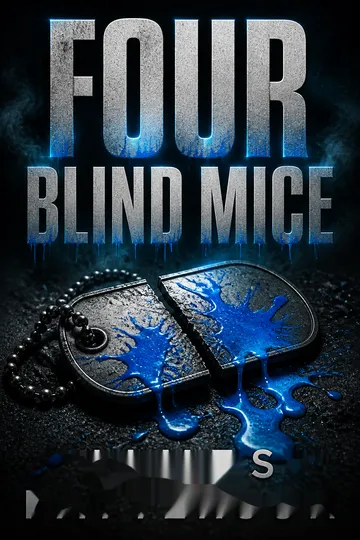
A modern parable of justice, trauma, and institutional failureFour Blind Mice is more than a fast-paced thriller; it is a meditation on the costs of war, the dangers of unchecked authority, and the enduring power of friendship and love. James Patterson uses the framework of a murder mystery to explore the psychological scars left by combat, the ease with which institutions can sacrifice individuals for the sake of expediency, and the moral ambiguity that arises when justice and revenge become intertwined. The novel's structure—alternating between the perspectives of detectives, killers, and victims—invites readers to empathize with characters on all sides, blurring the line between hero and villain. The recurring motifs of painted bodies and straw dolls serve as haunting reminders of the past's grip on the present, while the "gray wall" of military silence highlights the challenges of seeking truth in a world built on secrets. Ultimately, Four Blind Mice is a story about the necessity of confronting uncomfortable truths, the importance of accountability, and the possibility of healing through love, forgiveness, and the relentless pursuit of justice.
Review Summary
Four Blind Mice receives mixed but generally positive reviews, averaging 4.06/5. Readers praise Patterson's fast-paced storytelling, short chapters, and the compelling dynamic between Alex Cross and John Sampson as they investigate military corruption linked to Vietnam War crimes. Many enjoy the action and suspense, while critics note weak romantic subplots, implausible action sequences, and shallow character development. Fans of the series appreciate the personal storylines involving Nana Mama and Sampson's growth, though some feel the ending is rushed.
Characters
Alex Cross
Alex Cross is a brilliant Washington, D.C. detective and psychologist, known for his empathy, intelligence, and unwavering moral compass. As the protagonist, Cross is driven by a deep sense of responsibility to the innocent and a personal code that often puts him at odds with authority. His relationships—with his children, his grandmother Nana Mama, and his best friend John Sampson—anchor him emotionally, even as his work exposes him to the darkest aspects of humanity. Throughout the story, Cross grapples with the tension between his professional obligations and his desire for a peaceful family life. His psychological insight allows him to see through deception, but also makes him vulnerable to the emotional toll of his cases. Cross's journey in this novel is one of perseverance, self-doubt, and ultimately, hope.
John Sampson
John Sampson is Cross's childhood friend and partner, a physically imposing and emotionally complex man shaped by a difficult upbringing and military service. His loyalty to Ellis Cooper is unwavering, rooted in shared experiences of hardship and brotherhood. Sampson's tough exterior masks a deep well of compassion and vulnerability, particularly in his relationships with Nana Mama and, later, Billie Houston. The case forces Sampson to confront his own trauma and the limits of his ability to protect those he loves. His journey is one of healing, as he learns to trust and open himself to love after years of emotional isolation.
Ellis Cooper
Sergeant Ellis Cooper is a decorated Vietnam veteran whose life is destroyed by a wrongful conviction. His stoicism and dignity in the face of injustice reflect both his military training and his deep sense of betrayal. Cooper's insistence on his innocence, even as he faces execution, is both heartbreaking and infuriating, as the system refuses to hear his truth. His character embodies the psychological scars of war and the vulnerability of those who serve, highlighting the ease with which institutions can sacrifice individuals for the sake of expediency.
Thomas Starkey
Colonel Thomas Starkey is the mastermind of the Three Blind Mice, a former Army Ranger whose intelligence and charm mask a capacity for cold-blooded violence. His leadership skills, honed in combat, are twisted into a tool for orchestrating ritualistic murders. Starkey's psychological profile is marked by a need for control, a sense of superiority, and a profound moral detachment. He is both a product and a perpetrator of the Army's darkest impulses, embodying the dangers of unchecked authority and the corrosive effects of war.
Brownley Harris
Harris is Starkey's right-hand man, a stocky, aggressive former Ranger whose loyalty to Starkey is matched only by his capacity for cruelty. He relishes the violence of their crimes, often serving as the group's enforcer and provocateur. Harris's psychological makeup is shaped by years of combat and a deep-seated resentment, making him both dangerous and unpredictable. His interactions with Cross and Sampson reveal a man who has lost touch with empathy, driven by a need to assert dominance and inflict pain.
Warren Griffin
The youngest of the Three Blind Mice, Griffin is characterized by his impulsiveness and desire for approval from Starkey and Harris. His long-standing admiration for his comrades is tinged with insecurity, leading him to participate eagerly in their crimes. Griffin's psychological profile is marked by a need for belonging and a willingness to suppress his conscience in order to fit in. His actions reflect the dangers of groupthink and the ease with which individuals can be drawn into collective violence.
Nana Mama (Regina Hope Cross)
Nana Mama is Alex Cross's grandmother, the emotional heart of the family. Her wisdom, strength, and unconditional love provide stability amid chaos. Nana's declining health serves as a reminder of mortality and the importance of cherishing loved ones. Her influence on Cross and Sampson is profound, shaping their values and guiding their choices. Nana's resilience in the face of adversity embodies the enduring power of family and tradition.
Jamilla Hughes
Jamilla is a detective from California who becomes romantically involved with Cross. Her intelligence, independence, and emotional depth make her both a partner and a confidante. Jamilla's own experiences with trauma and loss mirror Cross's, creating a bond rooted in mutual understanding and respect. Her presence in the story offers hope for healing and the possibility of a future beyond the darkness of their work.
Billie Houston
Billie is the widow of another framed soldier, whose quest for justice brings her into contact with Sampson. Her strength, compassion, and resilience make her a compelling character in her own right. Billie's relationship with Sampson is a source of healing for both, offering a second chance at happiness after profound loss. Her journey reflects the broader themes of forgiveness, redemption, and the search for meaning in the aftermath of tragedy.
Tran Van Luu (Foot Soldier)
Luu is a former Kit Carson scout and the true architect behind the revenge killings. His actions are driven by a desire to avenge the atrocities committed in his homeland, blurring the line between justice and vengeance. Luu's psychological complexity lies in his ability to rationalize violence as retribution, while maintaining a philosophical detachment. His manipulation of the Three Blind Mice and his cryptic communications with Cross reveal a mind shaped by trauma, loss, and an unyielding sense of purpose.
Plot Devices
Dual Narrative Structure and Shifting Perspectives
The novel employs a dual narrative structure, alternating between the perspectives of Alex Cross, the Three Blind Mice, and other key players. This technique allows readers to experience the story from multiple angles, building suspense as the detectives close in on the killers while the murderers plot their next move. The shifting perspectives also humanize the antagonists, revealing the psychological scars and motivations that drive their actions. Foreshadowing is used extensively, with cryptic emails from "Foot Soldier" hinting at deeper layers of conspiracy and betrayal. The narrative's pacing is relentless, with short chapters and frequent cliffhangers that keep readers engaged and heighten the sense of urgency.
Symbolism and Ritual
The use of painted corpses and straw dolls as calling cards serves as a powerful symbol of both the killers' ritualistic mindset and the lingering trauma of war. These motifs evoke the dehumanization and moral ambiguity of combat, as well as the desire for control and retribution. The recurring imagery of color—red, white, and blue—underscores the tension between patriotism and violence, while the straw dolls represent the ghosts of the past demanding justice. The rituals performed by the killers mirror the psychological need to impose order on chaos, even as they perpetuate further suffering.
Institutional Corruption and the "Gray Wall"
The novel explores the theme of institutional corruption through the Army's "gray wall" of silence. The reluctance of military authorities to confront wrongdoing, coupled with their willingness to sacrifice individuals for the sake of reputation, creates an environment in which injustice flourishes. The cover-up of the An Lao Valley atrocities and the framing of innocent soldiers reflect the dangers of unchecked power and the corrosive effects of secrecy. The detectives' struggle to penetrate this wall highlights the challenges of seeking truth in a system designed to protect itself.
Psychological Trauma and Cycles of Violence
The psychological impact of war is a central theme, shaping the motivations and actions of both the killers and the investigators. The Three Blind Mice are products of a system that trained them to kill without question, and their inability to reintegrate into civilian life leads to a cycle of violence and retribution. The trauma experienced by victims, survivors, and even the detectives themselves underscores the lasting effects of violence on the human psyche. The novel suggests that healing is possible, but only through confrontation, accountability, and the willingness to break the cycle.
Alex Cross Series Series






About the Author

Download PDF
Download EPUB
.epub digital book format is ideal for reading ebooks on phones, tablets, and e-readers.








































