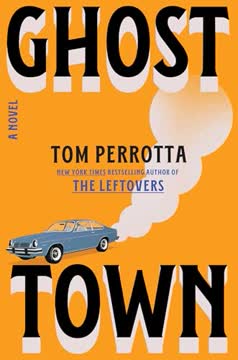
Plot Summary
Invitation from Creamwood
Jimmy Perrini, now a successful writer under the name Jay Perry, receives an email from the mayor of Creamwood, New Jersey. The town is naming a new municipal building after his late father, Frank Perrini, and invites Jimmy to the ceremony. The message stirs up old wounds and memories of his childhood, especially the pain associated with his original name and the town he left behind. Jimmy is torn between ignoring the invitation and confronting the ghosts of his past. The email becomes a catalyst, forcing him to reflect on the summer of 1974, a season that changed everything for him and his family. The chapter sets the stage for a journey into memory, loss, and the search for reconciliation with a place and self he tried to forget.
The Normal Family Myth
Jimmy recalls his early childhood in Creamwood, a town defined by sameness, conformity, and the unspoken rules of what it meant to be "normal." The Perrinis—Mom, Dad, Denise, and Jimmy—fit the mold, or so it seemed. Their lives revolved around community rituals, Catholic traditions, and the subtle hierarchies of small-town life. Yet, beneath the surface, there's a sense of fragility and denial. Jimmy's memories are tinged with nostalgia but also skepticism, as he recognizes how unreliable and selective memory can be. The chapter explores the comfort and suffocation of belonging, the quiet judgments passed on outsiders, and the seeds of difference and exclusion that will later haunt Jimmy's understanding of himself and his hometown.
Mother's Sudden Death
At thirteen, Jimmy's world is upended when his mother dies of cancer. The family's efforts to shield him from the truth leave him unprepared for the finality of her passing. For his older sister Denise, the death is a long, painful ordeal; for Jimmy, it's a sudden, incomprehensible blow. The chapter captures the disorientation of grief, the way time fractures, and the loneliness that follows. Jimmy's last moments before her death—playing in a Little League championship game—become a source of lifelong regret. The loss marks the end of childhood innocence and the beginning of a more complicated, haunted relationship with family, memory, and the town itself.
The Night of the Game
The night his mother dies, Jimmy is on the baseball field, caught between the thrill of the game and the undercurrents of adolescent longing and confusion. His team, the underdog Mosquito Control, faces off against the Knights of Columbus. Amid the excitement, Jimmy is distracted by Janie, a girl he likes, and the awkwardness of their recent interactions. The game is interrupted when his cousin Wayne arrives with devastating news. The public spectacle of the game, the private heartbreak, and the awkward comfort of a near-stranger all collide, leaving Jimmy suspended between childhood and the adult world of loss.
Cousins and Divided Houses
Wayne, Jimmy's older cousin, has recently moved in next door with his wife Nilda, stirring up old family tensions. Wayne's father, Uncle Al, is estranged from Jimmy's dad, and their presence is a reminder of class differences, generational divides, and the changing face of the neighborhood. Wayne is a hippie, Nilda is racially ambiguous, and their arrival is met with suspicion and gossip. Yet, in Jimmy's moment of crisis, Wayne becomes a source of unexpected comfort. The chapter explores the complexities of family loyalty, the boundaries of acceptance, and the subtle ways in which outsiders can become lifelines.
The Wake and the Gift
The wake for Jimmy's mother is a blur of faces, condolences, and the surreal experience of seeing her body in the coffin. The community turns out in force, offering praise and platitudes, but Jimmy feels disconnected from the rituals of grief. He receives a condolence card and a Burger King gift certificate from Janie, a gesture that is both touching and awkward. The chapter highlights the inadequacy of words, the strangeness of public mourning, and the ways in which children are expected to perform adulthood before they are ready. Jimmy's sense of isolation deepens, even as he is surrounded by people.
Ghosts in the Living Room
In the days after the funeral, Jimmy is adrift. The house is full of reminders of his mother—her handmade coverlet, her careful arrangements, her absence at the kitchen table. He tries to find solace in routine, but everything is tinged with loss. The family struggles to adapt: his father throws himself into work and home improvement projects, Denise prepares for graduation, and Jimmy drifts through the summer, increasingly aware of the gaps left by his mother's death. The chapter explores the persistence of grief, the ways the dead linger in the spaces they once filled, and the difficulty of moving forward.
Eddie's Vega and Escape
Jimmy's grief and alienation draw him into the orbit of Eddie Fitzpatrick, a slightly older, troubled boy with a reputation as a burnout. Eddie's powder-blue Vega becomes a vehicle for escape—literally and figuratively—as Jimmy rides through the night, smoking pot and listening to rock music. The car is both sanctuary and trap, a place where Jimmy can forget his pain but also where he is exposed to new risks and temptations. Eddie's recklessness, Leonard's casual racism, and the undercurrent of violence in their world foreshadow the dangers ahead. The chapter captures the thrill and peril of adolescent rebellion, the search for belonging, and the ghosts that ride with us.
Summer Rec and New Bonds
Jimmy finds a semblance of purpose volunteering at the Creamwood Summer Rec program, where he is welcomed by older counselors and given a yellow "COUNSELOR" shirt. He forms a bond with Olivia Jean Riley, the brilliant, eccentric valedictorian, who introduces him to new ideas and experiences. The summer is a patchwork of small victories—helping kids with crafts, feeling useful, and being noticed by someone who sees him as more than a grieving boy. Olivia's own history of loss and her fascination with the supernatural draw Jimmy into a deeper, more complicated friendship, hinting at the possibility of healing and connection.
The Ouija Board Session
Olivia invites Jimmy to use a Ouija board at Janie's empty house, hoping to contact their dead parents. The session is charged with anticipation and fear, as Jimmy yearns for a message from his mother but instead encounters a lonely spirit named "Uncle Bob." The experience is unsettling, raising questions about the boundaries between the living and the dead, the reliability of signs, and the hunger for reassurance. The Ouija board becomes a symbol of the ways in which grief distorts reality, and how the search for meaning can lead to unexpected, sometimes disturbing, revelations.
Race, Neighbors, and Tension
The arrival of Nilda's cousin Hector, a young Black man, exposes the racial fault lines in Creamwood. The neighbors' discomfort is palpable, and even Jimmy's father hesitates when asked to sponsor Hector for the union. A dinner at a Chinese restaurant with Wayne, Nilda, Hector, and Yvette becomes a flashpoint when Mr. Kazmierski, Jimmy's teacher, confronts them with thinly veiled racism. The chapter explores the town's insularity, the persistence of prejudice, and the ways in which "normalcy" is policed and defended. The fire that later destroys Wayne and Nilda's house is foreshadowed as a violent response to change.
Fantabulous Night and Bad Air
As summer wanes, Jimmy's relationship with Eddie and Leonard grows more fraught. A wild night of driving the wrong way on the Parkway nearly ends in disaster, and Jimmy becomes increasingly aware of the darkness lurking in Eddie's car—both literal and metaphorical. The "bad air" in the Vega is linked to the ghost of Eddie's uncle, a murderer who haunts the back seat. Jimmy's attempts to distance himself from Eddie are complicated by loyalty, fear, and the sense that he is being watched by forces he cannot control. The chapter is a meditation on risk, guilt, and the invisible legacies of violence.
Fire on Morgan Street
The summer ends in catastrophe when Wayne and Nilda's house burns down, killing Hector and Jimmy's father, who dies trying to save him. The fire is officially ruled an accident, but Jimmy suspects arson, a final act of exclusion against an unwelcome outsider. The event shatters what remains of Jimmy's childhood, forcing him to leave Creamwood and begin a new life with relatives. The chapter is a reckoning with the costs of prejudice, the randomness of fate, and the ways in which communities enforce their boundaries through violence and silence.
Aftermath and Leaving Home
In the wake of the fire, Jimmy's life is uprooted. He moves in with his wealthy uncle, attends a new school, and loses touch with the people and places that once defined him. The trauma of the summer is buried, replaced by a new identity and a determination to forget. The chapter explores the mechanisms of denial, the price of survival, and the ways in which unresolved grief and guilt shape the adult Jimmy. The past becomes a ghost town, a place he cannot revisit without risking the collapse of the self he has constructed.
Return to a Changed Town
Decades later, Jimmy returns to Creamwood for the dedication of the building named after his father. The town has changed—more diverse, more prosperous, but still haunted by its history. Jimmy tours his old neighborhood, visits the site of the fire, and reflects on the stories that have been told and those that have been erased. He recognizes the progress that has been made but also the wounds that remain unhealed. The return is both a homecoming and a confrontation with the ghosts of his childhood, an attempt to reconcile the person he was with the person he has become.
Ghosts, Memory, and Forgiveness
At the library event, Jimmy reads from his new work, "Ghost Town," and is overwhelmed by memories and visions—his mother in her funeral dress, the ghostly presence of Uncle Bob, the faces of friends and enemies. The act of storytelling becomes an exorcism, a way to honor the dead, acknowledge the pain, and accept the complexity of his history. Jimmy chooses to focus on love rather than rage, to remember his mother's kindness rather than the violence that shaped his life. The chapter closes with a sense of hard-won forgiveness, the possibility of healing, and the understanding that the ghosts of the past are always with us, but do not have to define us.
Analysis
A meditation on grief, memory, and the costs of exclusionGhost Town is a powerful exploration of how loss, prejudice, and the longing for belonging shape both individuals and communities. Through Jimmy's journey—from the trauma of his mother's death, through the dangers and temptations of adolescence, to the reckoning of adulthood—Tom Perrotta examines the ways in which the past persists, haunting us with unresolved guilt and unspoken truths. The novel is both a coming-of-age story and a critique of suburban America, exposing the violence beneath the veneer of normalcy and the price paid by those who do not fit. The use of ghosts and the supernatural underscores the persistence of grief and the need for acknowledgment and forgiveness. Ultimately, the book suggests that healing is possible, but only through honesty, empathy, and the courage to confront the ghosts that linger in our homes, our towns, and our hearts.
Review Summary
Reviews for Ghost Town are mixed, averaging 3.77 out of 5. Many praise Perrotta's authentic portrayal of 1970s suburban New Jersey, Jimmy's convincing grief, and the novel's emotional depth and readability. Fans of his previous work appreciate his empathetic character sketches and nostalgic atmosphere. Common criticisms include underdeveloped characters, an incomplete ghost story thread, timid handling of racial themes, a passive protagonist, and an unsatisfying narrative structure. Some felt the present-day framing device was unnecessary, while others found the book too short and underbaked.
People Also Read







Characters
Jimmy Perrini / Jay Perry
Jimmy is the protagonist, a boy whose life is fractured by the death of his mother and the subsequent unraveling of his family. Sensitive, introspective, and prone to self-doubt, Jimmy is shaped by loss, guilt, and the pressures of conformity in Creamwood. His relationships—with his father, sister, friends, and first loves—are marked by longing and the fear of abandonment. As an adult, he reinvents himself as Jay Perry, a writer who mines his painful past for stories but struggles with the burden of memory. Jimmy's journey is one of reckoning: with grief, with the ghosts of his childhood, and with the possibility of forgiveness. His development is a movement from denial and avoidance toward acceptance and self-understanding.
Denise Perrini
Denise is Jimmy's older sister, a figure of both comfort and distance. She experiences their mother's death as a slow, agonizing ordeal, and takes on adult responsibilities before she is ready. Denise is watchful, cautious, and sometimes resentful of Jimmy's ability to reinvent himself. Their relationship is strained by time, politics, and the divergent paths they take, but there is an underlying bond of shared loss. Denise's inability to escape Creamwood contrasts with Jimmy's flight, highlighting the different ways siblings process trauma and the enduring ties of family.
Frank Perrini (Jimmy's Father)
Frank is a working-class father, defined by duty, pride, and a deep sense of responsibility. He copes with his wife's death by immersing himself in work and home projects, struggling to express emotion or connect with his children. His relationship with Jimmy is marked by awkwardness and missed opportunities for intimacy. Frank's ultimate act—dying while trying to save Hector in the fire—cements his legacy as a hero in the town's eyes, but also as a man trapped by the expectations and limitations of his time. His memory becomes both a source of pride and a haunting absence for Jimmy.
Olivia Jean Riley
Olivia is the valedictorian, a prodigy marked by tragedy and eccentricity. Her intelligence and sensitivity set her apart, and her fascination with the Ouija board reflects her own search for connection with her dead father. Olivia becomes Jimmy's confidante, first love, and partner in exploring the boundaries between life and death. Their relationship is intense, awkward, and ultimately transformative, offering Jimmy a glimpse of healing and the possibility of moving beyond grief. Olivia's own struggles with loss and her eventual disappearance from Jimmy's life underscore the impermanence of even the most meaningful connections.
Eddie Fitzpatrick
Eddie is a year older than Jimmy, a burnout with a troubled family history and a penchant for danger. His powder-blue Vega is both a symbol of freedom and a harbinger of disaster. Eddie introduces Jimmy to drugs, rebellion, and the darker side of adolescence. Their friendship is fraught with jealousy, competition, and the ever-present threat of violence. Eddie's inability to escape his own demons, and his eventual death in a car crash, serve as a cautionary tale and a reminder of the thin line between survival and self-destruction.
Wayne
Wayne is Jimmy's older cousin, a countercultural figure who returns to Creamwood with his wife Nilda. Estranged from his own father, Wayne represents an alternative to the town's conformity and prejudice. He becomes a source of support for Jimmy, offering weed, conversation, and a glimpse of a different way of living. Wayne's presence challenges the boundaries of family and community, and his house becomes the site of both hospitality and tragedy. His inability to protect Hector from the town's hostility is a source of guilt and sorrow.
Nilda
Nilda is Wayne's wife, a woman of uncertain ethnicity who becomes the subject of gossip and speculation in Creamwood. Her kindness, beauty, and resilience make her a stabilizing force in Jimmy's life. Nilda's relationship with Wayne and her cousin Hector highlights the complexities of identity, belonging, and the limits of acceptance in a segregated community. Her grief after the fire is profound, and her fate is left unresolved, a testament to the costs of exclusion.
Hector Lopez
Hector is Nilda's cousin, a young Black man seeking opportunity and connection in Creamwood. His presence exposes the town's racism and the fragility of its "normalcy." Hector's aspirations—to join the union, to build a life—are thwarted by suspicion and violence. His death in the fire is both a personal tragedy and a symbol of the community's failure to embrace change. Hector's memory haunts Jimmy, who recognizes too late the price of silence and complicity.
Leonard
Leonard is Eddie's friend, a McDonald's worker whose casual racism and aggression escalate the dangers Jimmy faces. Leonard's influence is toxic, pushing boundaries and inciting conflict. He embodies the darker impulses of the town—resentment, exclusion, and the need to police difference. Leonard's role in harassing Hector and Greg, and his presence in the Vega, make him a figure of fear and a catalyst for tragedy.
Uncle Bob (Spirit)
Uncle Bob is the spirit encountered on the Ouija board, later revealed to be the ghost of Eddie's uncle, a murderer who haunts the Vega. He represents the legacy of violence, shame, and the ways in which the past refuses to stay buried. Uncle Bob's presence is both a warning and a mirror, forcing Jimmy to confront the darkness within himself and his community. The inability to lay this ghost to rest underscores the novel's central theme: that the wounds of the past persist until they are acknowledged and mourned.
Plot Devices
Unreliable Memory and Narrative Fracture
The novel is structured as a series of recollections, filtered through Jimmy's adult perspective. The narrative frequently questions the accuracy of memory, highlighting the ways in which trauma, denial, and nostalgia distort the past. This device creates a sense of uncertainty and suspense, as the reader is invited to piece together what really happened. The jumps between past and present, the gaps in Jimmy's recollection, and the layering of stories within stories all serve to reinforce the central theme: that the past is never fixed, and that understanding requires both honesty and imagination.
Ghosts and the Supernatural
Ghosts—literal and figurative—pervade the novel. The Ouija board sessions, the presence of Uncle Bob, and the recurring visions of Jimmy's mother all blur the line between the living and the dead. These supernatural elements function as expressions of grief, guilt, and the longing for connection. They also serve as plot devices to externalize internal conflicts, to dramatize the persistence of the past, and to suggest that some wounds can only be healed by confronting what haunts us.
Social Exclusion and Racial Tension
The insularity of Creamwood, its resistance to change, and its enforcement of "normalcy" are central to the plot. The arrival of outsiders—Wayne, Nilda, Hector—triggers suspicion, gossip, and ultimately violence. The fire that destroys Wayne and Nilda's house is both a literal and symbolic act of exclusion, a manifestation of the town's refusal to accept difference. The novel uses these plot devices to explore the costs of conformity, the dangers of silence, and the ways in which communities police their boundaries.
Foreshadowing and Circular Structure
The narrative is rich in foreshadowing: the early references to fire, the recurring images of ghosts, the sense of impending disaster. The structure is circular, beginning and ending with Jimmy's return to Creamwood, and with the act of storytelling itself. This device reinforces the idea that the past is never truly past, and that healing requires both a reckoning with history and a willingness to imagine a different future.








































