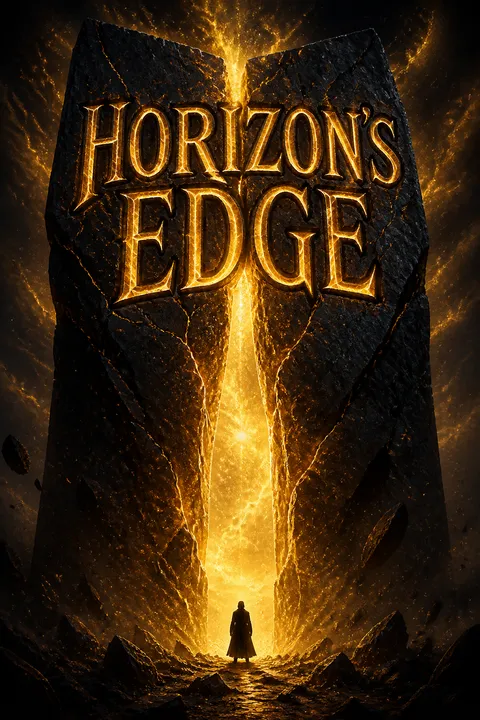
Plot Summary
Graves in the Darkness
Arthur begins this journey suffocated by the aftermath of loss: he buries Alea, the formidable Lance, in the bowels of Widow's Tomb, reflecting on the tragic fragility of life and the shadow of his past self. The reality that even the strongest can fall shakes him. Alea's death reveals the threat of the black-horned demons—beings capable of extinguishing the best among them—and confirms Arthur's growing suspicion of a coming war. As Arthur mourns and marks her passing, he draws close to his dragon bond, Sylvie, whose transformation and unwavering companionship comfort him. Yet, Alea's lonely end engraves a lesson—relationships and love are precious, and Arthur's power remains insufficient to protect those he treasures. The first cracks of determination form within him: complacency is his true enemy.
Homecoming of Weight
Returning home, Arthur faces the weight of his family's fear. His battered appearance spurs overwhelming relief, anger, and love from his mother and sister, amplifying his feelings of guilt for the constant worry he inflicts. Despite being hailed a hero for his actions in the dungeon, his mother's pleas make clear that his safety, not his heroism, matters most to them. The warmth of his family's embrace brings both comfort and the realization that he is no ordinary child—their love and pride weigh heavily, and their growth mirrors his own. Arthur promises himself and them not to bear this burden alone, solidifying his resolve to become the protector they need.
Strangers and Shopkeepers
To find ways to grow stronger, Arthur searches for elixirs to speed his training. He stumbles into a bizarre "shop"—dilapidated, enigmatic, and seemingly connected to fate itself. An eccentric old man, a vanishing silver coin, and a mysterious cat mark his visit. He eventually receives a tiny orb from the shopkeeper, purportedly valuable, though he cannot measure its worth. After leaving, he's astonished to find the alley and shop have magically transformed into something grand and reputable. The encounter ignites a sense of magical unease: reality in this world is slippery, hints of greater forces at play surround him, and even the smallest, strangest moments can ripple across destiny.
Bonds and Breakthroughs
Amid domesticity, Arthur savors time with his family while secretly wrestling with his limitations. Home is both safe harbor and the source of sharpened purpose. Pushing his core's growth, he reaches a crucial breakthrough in his mana cultivation—an inward storm of magic, focus, and frustration at his own weakness. The sharp threshold between childhood and responsibility becomes more pronounced. The message from Sylvia, that answers will come with further growth, drives him onward. He learns that pure power, creativity, and unrelenting training will be needed to face the coming trials, but that love remains his strongest anchor.
Shadows Gathering
Xyrus Academy's balance is tipping; hidden prejudices fester amid growing racial and social divisions. Noble human students and radicalized factions begin targeting Arthur and the non-human students, disturbing the peace he once enjoyed. The Disciplinary Committee struggles for relevance and authority, discovering their inability to act decisively due to political pressures. Professor Goodsky and other leaders sense threats from within and without. Simultaneously, whispers of the black-horned demons' deeper motives stir. The destruction of a symbolic hall unifies the sense of impending doom; beneath the academy's glittering surface, darkness festers and anticipates chaos.
The Price of Power
Arthur rushes to Tessia's side during her dangerous assimilation with the Elderwood Guardian's beast will. The process nearly destroys her—her body wracked with wild power and a will that threatens to consume her. Only through the intervention of the mysterious orb, given by the enigmatic shopkeeper, is her life—perhaps her very soul—saved. Tess's resultant, unnatural leap in magical strength hints at dangerous, unknown forces. Meanwhile, the truth about the Six Lances and the artifacts that empower them is revealed by Virion: their strength, origins from a "deity," and the soul-bonded oaths that chain them to the royal families. Power, in every form, is bought with compromise and cost.
Unstable Hearts
Arthur's friendships and romantic ties deepen under pressure. His reunion with Tessia is framed by mutual vulnerability: relief and love battle embarrassment, and both teens acknowledge a bond stronger than mere friendship. Virion's remorse and wisdom anchor Arthur through newfound revelations. Meanwhile, the shadow of Arthur's past and his inability to protect everyone gnaws at his psyche. The Disciplinary Committee and Student Council, meanwhile, fracture over failures and betrayals, unable to cope with internal threats or trust one another fully. The stage is set—personal relationships are the true frontlines in the coming storm.
Destiny's Puppeteers
Arthur is drawn to the enigmatic Windsom—a being of immense power—who unveils the reality of "deities," Asuras, and the ancient pact between gods and mortal races. Arthur learns his dragon bond, Sylvie, is the scion of one of these Asuras—descended from Sylvia, herself the daughter of the mightiest Asura of all. He is caught in a web of prophecy, cosmic war, and ancient grudges: the Vritra clan, led by Agrona, have breached the Asuras' code to experiment on mortals, creating the very demons plaguing this world. Arthur's bond with Sylvie is no accident; fate and lineage have appointed him as a chess piece in a war that will shape both worlds.
Lances and Lineage
Arthur is given a stark choice: ally himself with the Asuras and become their agent (and thus gain their protection and resources), or risk losing Sylvie and the hope of saving Dicathen. He learns that all the "beast wills" and ancient artifacts are but echoes of this divine intervention and that training past the white core stage is the only path forward. Sylvie's veiled heritage ensures Arthur's involvement; secrecy and loyalty both reward and imprison him. The Council of Dicathen, meanwhile, barely comprehends the scale of the coming devastation, and their agents—Cynthia Goodsky and the Six Lances—struggle to contain threats they cannot see.
Widening Divides
Hatred, manipulation, and betrayal seep through Xyrus Academy as radical groups escalate violence, fueled by human supremacist ideology and faculty complicity. Students and faculty alike are drawn into the conflict: humiliations, arson, and finally, full-blown conspiracies burst into the open. Beneath the surface, a shadowy leader with demonic connections manipulates events, recruiting the disgraced Lucas Wykes and promising him the power to defeat Arthur—by targeting Tessia. As cracks in the magical and social order widen, the very institution meant to foster unity becomes the epicenter of catastrophe.
Convergence of Chaos
The academy's fragile order collapses amid betrayals from within. Kai, a trusted Member of the Disciplinary Committee, is unmasked as the spy who masterminds their downfall—aided by radical human students and corrupt authorities. Professor Goodsky, herself compromised and fighting a shadow war, cannot intervene. A series of calculated strikes, spellwork, and assassinations put the Disciplinary Committee and Student Council on the defensive. Tessia is captured; Lucas, monstrous and deranged from forbidden elixirs, is transformed into an instrument of murder. As the city's magical defenses fall and terror seizes the campus, no one who matters is spared the trauma.
Xyrus Under Siege
An orchestrated horde of corrupted beasts and traitors engulfs Xyrus Academy. Students, now prey, are herded into submission under threat of death, while traitors among the staff and students force further division. The barrier that once protected all now traps them in bloody carnage. Lucas Wykes, under Draneeve's command, becomes inhuman—driven by vengeance and envy, wielding preternatural might at the cost of his sanity. Elijah Knight, Arthur's best friend, experiences his own monstrous transformation in desperation, wielding mysterious black magic to wreak havoc on his enemies. Friends fall, traitors are revealed, and hope seems a battered, dwindling thing.
The Bird's Cage
With the academy fully under enemy control, survivors are corralled around the bell tower. Draneeve, their captor, orchestrates gruesome executions—displaying decapitated heads, publicly torching resistors as a demonstration of power. Theodore and Doradrea, beloved students, die before all. Draneeve's magic proves insurmountable; his minions, including Lucas, enforce terror with inhuman force. The Disciplinary Committee and professors resist valiantly but are overwhelmed. Tessia, beaten and drugged, is paraded for Arthur to find. Elijah's own power and fate remain uncertain, but his transformation hints at darker forces waiting to emerge.
Unleashing the Beast
Amidst slaughter and despair, Arthur returns in a storm of fury, accompanied by Sylvie in her true draconic form. His arrival radiates both reassurance and terror; for the first time, he allows anger to consume him. Lucas boasts of his atrocities against Tessia, but Arthur's rage eclipses all. As his friends look on in awe and fear, Arthur does not rush to their aid—instead, he verifies Tessia's safety. The narrative pivots: Arthur is no longer simply a protector—he is an avenger, and his retribution is mythically brutal.
The Dragon's Rage
Lucas, drunk on stolen power, challenges Arthur and launches spells capable of destroying buildings. Arthur, now transcending the threshold of human ability with the power of his dragon's will, methodically and mercilessly dismantles Lucas—first his spells, then his limbs, then his identity. He exacts vengeance for every wound, every threat, every atrocity Lucas or his allies have wrought. The violence is not simply personal—it is the world's response to betrayal and evil. Arthur is forced to become what he most fears: an angel of death, a maker of examples.
Fractures and Reckonings
Arthur's shattering victory does not bring joy. The crowd, once grateful, is now terrified of him; their savior is as otherworldly as their enemies. The carnage, the revelation of his powers, and his connection to Sylvie (the legendary dragon) mark him as both threat and anomaly in the eyes of authority. As the magical barrier falls and the Lances arrive, Arthur faces a new ordeal: retribution not from enemies but from allies. Lucas's brother—a Lance—seeks vengeance, and only the intervention of other Lances prevents a summary execution.
The Cost of Victory
In the final reckoning, Arthur is shackled and stripped of his titles, to be judged by those whom he has just saved. His actions—brutal, necessary, but terrifying—mark him as an outsider and a threat. Friends and family see him battered, changed, and more alone than ever. As the world reels, alliances are reforged and mysteries deepen. The war foreshadowed at the book's start seems inexorable, the cost of both heroism and failure excruciatingly high. The arc closes with Arthur's fate uncertain, his bond with Sylvie—and with destiny itself—drawing him ever deeper toward a future only hinted at.
Analysis
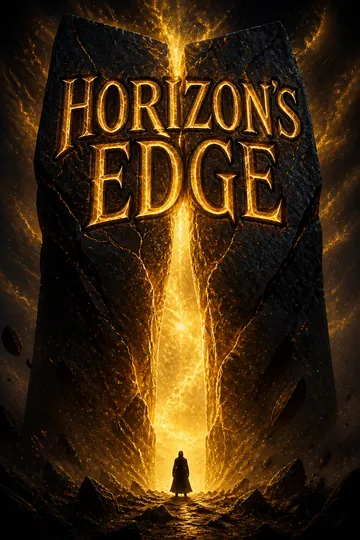
"Horizon's Edge" explores the profound cost of survival—personal, social, and cosmic—on the journey from child to champion. TurtleMe's story is a meditation on trauma: every heroic act births a new wound, every breakthrough leaves the protagonist further alienated. This installment's brilliance lies in its careful balance—Arthur's ascent in power never romanticizes violence but lays bare its aftershocks in guilt, terror, and isolation. The book's core lesson is that the true enemy is not only the demon at the gate but complacency, prejudice, and the darkness within even our champions. Arthur is forced to face the reality that salvation and damnation may be separated by a single desperate decision. The instability of the world—racism, betrayal, corrupted authority—is mirrored in Arthur's unstable power and Sylvie's sealed potential. By the close, the reader is left with no illusions: war is coming, peace is always provisional, and the true cost of heroism is paid in the shattered trust of those one would die to protect. The narrative dares readers to ask: when saviors become as terrifying as their enemies, who will decide what should be saved?
Review Summary
Horizon's Edge received mixed reviews, with an average rating of 4.34 out of 5. Some readers praised the character development, world-building, and plot twists, while others criticized the pacing, multiple POV changes, and perceived decline in quality compared to earlier books. Common complaints included unearned revelations, clichéd elements, and an unsatisfying cliffhanger ending. Positive reviews highlighted the immersive storytelling and emotional impact, while negative reviews focused on inconsistent character behavior and overpowered villains. The book's reception was polarized, with some readers eagerly anticipating the next installment and others dropping the series.
People Also Read
Characters
Arthur Leywin
Arthur is a child forged from two lives: a king reborn in the body of a prodigy, blessed with rare magical talent and burdened by the wisdom and scars of a former ruler. His psyche is splintered, carrying guilt for every friend lost or endangered, and driven by love for his family and friends—especially Tessia and Sylvie. Throughout "Horizon's Edge," Arthur is tested by the seductive threat of power and the fear of losing those he loves. His development is marked by traumatic growth—moving from naïve hope to grim determination; from heroism to vengeance. Psychologically, Arthur is at war with himself: the need to protect collides with the realization that his strength is both salvation and curse for those around him.
Sylvie
Sylvie is far more than Arthur's dragon companion; she is the daughter of the greatest Asura, disguised in a childlike animal form due to magical seals placed upon her for protection. Psychologically, she is both innocent—possessing a child's loyalty and sense of play—and ancient, carrying echoes of divine memory and power. Sylvie's growth mirrors Arthur's; she hungers to protect, growing in magical might as she matures. Her lineage connects Arthur irreversibly to the higher destinies of two worlds. Their bond is primal, mutual, and central to the plot's cosmic stakes.
Tessia Eralith
Tessia, the elf princess and Arthur's closest friend (and love interest), undergoes dramatic transformation—gaining a powerful beast will but teetering on the brink of self-destruction. Her relationship with Arthur is a source of emotional vulnerability and strength for them both. Tessia's arc is one of survival, assimilation, and confronting the cost of power. The trauma she endures—both externally in battle and internally with her unstable will—drives her toward agency, but also places her repeatedly in mortal danger as a symbol and target for the story's antagonists.
Virion Eralith
Grandpa Virion is wisdom incarnate—pragmatic, haunted by loss and regret but fiercely dedicated to protecting Tessia, Arthur, and the fragile unity of the continent. His psychoanalytical core is paternal: he carries moral scars from old wars and personal tragedies (including the sacrifice of his Diviner wife). As a mentor, he shares forbidden truths and pushes Arthur to accept the world's complexity. Virion's age brings both insight and the acute pain of watching loved ones suffer or die.
Cynthia Goodsky
Director Goodsky is torn between duty to the academy and continent and shadowy knowledge of threats from beyond. Always two steps ahead or behind, she operates with conflicting motives: guiding and sheltering the gifted, neutralizing spies, trying to buy time against onrushing fate. Her inner life is marked by exhaustion, regret, and the pain of betraying or using those she cares for. She stands as a psychological mirror of Arthur: a protector who must accept her own limitations.
Lucas Wykes
Lucas is Arthur's shadow—a fellow prodigy, broken by resentment and inferiority, who seeks easy power through forbidden means. Psychologically, he is defined by envy, self-loathing, and the terror of mediocrity. His transformation into a monstrous pawn of Draneeve and the Vritras is both literal and metaphorical: he loses his humanity even as he gains short-lived power. Lucas's ultimate fate is a cautionary tale—envy, when wedded to power and opportunity, destroys all, including the self.
Elijah Knight
Elijah is Arthur's steadfast ally, but his arc takes a dramatic turn as a mysterious darkness surfaces within him during the academy's fall. His sudden, uncontrollable surge of black magic hints at hidden origins and casts foreshadowing on his true nature. Psychoanalytically, Elijah represents the unpredictability of potential: he is motivated by faith in Arthur, but may become an instrument of much greater, possibly perilous, destiny.
Windsom
Windsom is an otherworldly being—at once teacher, evaluator, and ascetic judge—whose approach to Arthur and the mortal world is clinical, even disdainful. He unveils the realities of the Asuras, the cosmic war, and Sylvie's lineage, setting Arthur on a predefined but secret-laden path. Windsom's psychology is marked by duty, frustration at mortal slowness, and nostalgia/pain for those he has lost (or failed to protect).
Draneeve
As Draneeve manipulates events behind the scenes, he embodies the calculated cruelty and appetite for chaos of the Vritras and their corrupted followers. He sees mortals as pieces on a chessboard, enjoying both spectacle and suffering. Psychologically, he is a sociopath with no empathy, but also reveals subordination to even greater powers, suggesting a chain of manipulation that extends beyond the continent.
Claire Bladeheart, Curtis Glayder, and Disciplinary Committee
The student officers and their leader embody the virtues of courage, duty, and humility—virtues tested to breaking by conspiracy, violence, and helplessness. Their internal struggles, especially Claire's guilt and Curtis's rage, foreground the shattering impact of failure and the erosion of trust within the system meant to preserve peace.
Bairon Wykes and The Lances
The Lances represent the ultimate magical authority—chosen, bound by ancient artifacts and oaths, but deeply human in their failings. Bairon is vengeful and arrogant, seeking retribution for his brother's destruction, blind to greater threats. The Lances' internal division, pride, and capacity for cold detachment (exemplified by the icy female Lance) showcase both the necessity and the insufficiency of raw power in the world's defense.
Plot Devices
Reincarnation and Trauma as Growth
This dual psyche allows for both wisdom and self-doubt and makes every loss double-edged: he experiences both as an innocent and as one unable to escape the ghosts of his prior failures.
The Symbolic Bond
On the literal level, their familiar-bond offers strength and shared growth; on the mythic, it defies the Asuras' rules, makes Arthur a subject of prophecy, and tangles him in a divine war. Their relationship is the emotional and metaphysical heart of the tale.
Artifacts and Ancient Pacts
These objects serve as both power-ups and narrative markers—they allow mortals to transcend, but only at the cost of oath, risk, or latent corruption. The artifacts literally and figuratively bind their wielders, turning them into both champions and captives of destiny.
Foreshadowing and Dual Realities
Arthur's story operates on two simultaneous planes—the personal and the cosmic; the day-to-day is regularly interrupted by revelations of deeper wars, lineages, and manipulations. The trauma at Xyrus is both a self-contained disaster and a parable for the larger conflicts to come.
Betrayal and Institutional Failure
These failures reinforce the theme that evil does not only come from outside but is seeded within, often turning ideals into weapons against their own.
Brutal Consequence and The Darkness of Power
The violence Arthur enacts is both justified and horrifying, marking him as feared and mistrusted by those he saves. Power without wisdom, or employed in rage, becomes its own horror.
The Beginning after the End Series
About the Author
Download PDF
Download EPUB
.epub digital book format is ideal for reading ebooks on phones, tablets, and e-readers.








































