
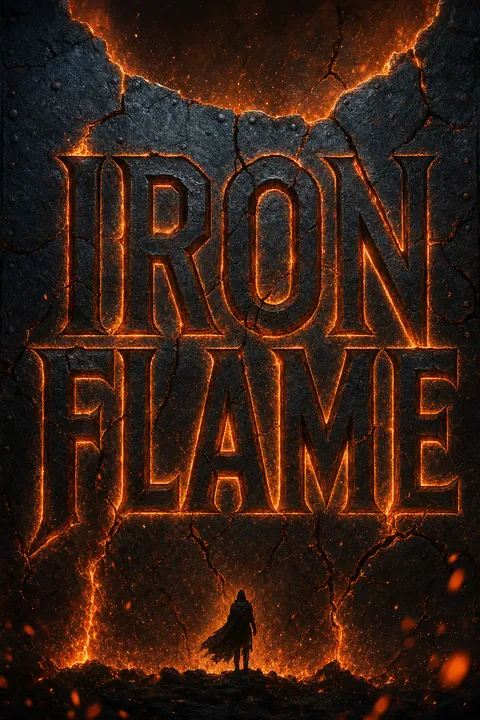


Plot Summary
Revolution Tastes Oddly Sweet
Recovering from a venin's poisoned blade in the fortress of Aretia, Violet1 reunites with her brother Brennan,5 whom she mourned as dead for six years. He mended her, and now leads a secret revolution against Navarre's lies. She learns the fables were true: venin, dark wielders who drain the land, and their monstrous wyvern advance city by city while Navarre hides behind its wards and lets Poromish civilians die.
Xaden Riorson,2 her lover and the revolution's leader, concealed Brennan5's survival, and she cannot forgive the omission. The rebel Assembly debates imprisoning her as a security risk. Ultimately she and the survivors of the deadly battle at Resson must decide whether to fly back to Basgiath to save the marked cadets there.
The opening weaponizes reunion as disorientation. Brennan's resurrection collapses Violet's grief into betrayal, establishing the book's central wound: those who love her lie to protect her. Yarros frames trust as an epistemic problem, tying Violet's scribe identity (a seeker of verifiable fact) to a world where institutions manufacture reality. The venin revelation reframes Navarre's heroism as bureaucratic cowardice, introducing the moral engine of the narrative. Violet's fury at Xaden is less about the secret than about being denied agency over her own understanding, a theme that will recur relentlessly. The Assembly's suspicion positions her as perpetually caught between belonging and threat.
The Death Roll Surprise
To spare the marked ones from execution, Violet1's group flies home and interrupts their own graduation, where their names are being read from the death roll. Xaden2 spins a lie that gryphons ambushed them, killing Liam20 and Soleil, while a wounded Violet1 confirms it under her mother's7 interrogation.
General Sorrengail7 believes them and turns her fury on Colonel Aetos, who secretly engineered the lethal War Games that sent the squad to die. Violet1 publicly humiliates Dain Aetos,8 her former best friend who stole her memories and doomed them.
But triumph curdles fast: Colonel Aetos and a cruel new vice commandant, Major Varrish,13 deliver a veiled threat that secrets die with those who keep them, plus orders designed to separate Violet1 from Xaden.2
The graduation ambush dramatizes survival as performance. Violet must master the very skill she resents in Xaden: selective truth. Her mother's willingness to believe her, tempered by icy professionalism, exposes the transactional love that defines the Sorrengail family. The public rejection of Dain crystallizes betrayal's aftermath: intimacy weaponized into vulnerability. Yarros stages institutional menace not through violence but through paperwork and euphemism. Varrish's arrival marks the shift from external war to internal siege, and the leave orders convert the mated-dragon bond, once romantic destiny, into an instrument of state control. The lie binds the squad in complicity, deepening their found-family loyalty.
Seven Days Apart
Because Tairn3 and Sgaeyl are mates who cannot bear long separation, Xaden2's posting to the brutal Samara outpost drags the couple into rotating leaves engineered to keep them apart. Xaden2 refuses full honesty about the revolution, so Violet1 withholds her heart, demanding total disclosure before she loves him again.
He courts her instead with letters revealing his childhood and a Tyrrish weaving book. Visiting Samara, she finds him bare-knuckle fighting other lieutenants for a single weekend pass, and their chemistry reignites even as he vows not to weaponize sex to win her back.
Meanwhile Varrish13 torments Violet,1 fixated on her hidden second dragon, the adolescent Andarna,4 who sleeps through a mysterious, prolonged growth process the elders have never seen last so long.
Distance becomes the crucible for a mature reconception of intimacy. Xaden's letters reframe romance as slow disclosure rather than physical conquest, inverting the previous year's dynamic where he pursued and she resisted. His refusal to use sex as leverage is a study in restraint as devotion. Violet's ultimatum, full disclosure or nothing, articulates the book's thesis that trust cannot be partial. Andarna's endless sleep functions as a ticking anomaly, seeding dread beneath the courtship. Varrish's obsession telegraphs that Violet's rarest asset, her second dragon, makes her a target, converting maternal-style protection of Andarna into a strategic liability.
Say Her Name and Die
Colonel Aetos begins eliminating the Resson witnesses. During sparring assessment, a hulking first-year comes hunting Violet,1 but her friend Nadine playfully claims the name first and has her neck snapped instantly.
Violet1 fights the assassin alone, refusing help because protecting her killed Liam,20 and finally kills him after brutal combat. The message is unmistakable: silence the survivors. Attacks escalate against Bodhi, Imogen,19 and Eya as well.
Xaden2 returns wounded to find Violet1 bruised and strangled, promising to shield her while teaching her to block the memory-reader Dain.8 Quietly, Violet1 launches her real campaign in the Archives, recruiting the deaf scribe Jesinia15 to smuggle her classified books on how the First Six wove Navarre's protective wards.
Nadine's death is a grotesque accident of identity: she dies wearing Violet's name like a borrowed coat, literalizing survivor's guilt. Violet's insistence on fighting unaided reveals trauma transmuted into isolation, her belief that proximity to her is fatal. The assassination campaign exposes the quadrant as a machine that consumes its own, indistinguishable from the enemy it claims to oppose. Her turn to the Archives marks a crucial pivot: rather than await rescue, Violet leverages her scribe training toward salvation, making knowledge her weapon. Recruiting Jesinia extends her found family across quadrant lines and raises the stakes of complicity.
Forty Strikes on the Mountain
When Andarna4 fails to appear for maneuvers, Varrish13 charges Violet1 with dereliction and forces her signet trainer, Professor Carr, to make her wield lightning bolt after bolt until her body burns from within. Past forty strikes her muscles seize, she cannot release the power, and she cleaves a ridge from the mountain before collapsing in near-total burnout.
Tairn3 plunges her into an icy river to save her life, and her friends carry her back, never learning the punishment was Varrish13's revenge for her concealed dragon. Days later, Tairn3 ends the abuse himself, seizing the throat of Varrish13's one-eyed orange, Solas, and forcing the vice commandant to his knees to apologize, which transforms Solas into Violet1's vengeful new nemesis.
The near-burnout renders political sadism as bodily horror, magic turned against its wielder as institutional discipline. Carr's complicity shows how professional detachment enables cruelty; he sees Violet as a signet, not a person. The scene interrogates the fantasy of power by exposing its cost: unchecked strength without control becomes self-immolation. Tairn's intervention rebalances the dominance hierarchy, asserting that dragons answer to no human, but it also creates blowback, seeding Solas as a personal antagonist. Yarros threads disability throughout: Violet's fragile body is both her vulnerability and, paradoxically, the site of her extraordinary endurance and eventual mastery.
The Chair Beneath Basgiath
Rider Survival Course drags Violet1's squad into a hidden torture chamber where instructors beat them for secrets. Varrish13 escalates it, hauling in Dain8 and pressuring him to read Violet1's stolen memories, which would expose Aretia and every marked one.
Dain8 refuses, walking out rather than violate her again, and Varrish13 dislocates her shoulder in fury. Nolon the mender heals her only so she can be shattered anew.
When leadership is summoned away, the squad melts the door hinges, and Violet1 discovers Xaden2 secretly runed her black-hilted dagger to unlock any door she desperately needs opened. They escape, earning a classified patch. Violet1 also realizes the school is brewing an elixir capable of severing riders from their dragons and their signets.
The interrogation chamber literalizes the book's obsession with what the body and mind will surrender under pressure. Dain's refusal complicates the villain-friend binary: his conscience survives his earlier crime, offering the first crack toward reconciliation. Xaden's hidden rune reframes his secrecy as protective foresight rather than mere control, quietly arguing his case in the ongoing trust debate. The escape rewards ingenuity over brute force, honoring Violet's analytical mind. The signet-blocking elixir introduces a chilling escalation: the institution engineering ways to disarm its own weapons, foreshadowing a war fought as much through betrayal as through fire.
The Boy She Killed Returns
A leaked leaflet announces that the Poromish city of Zolya has fallen to blue-fire dragons, which Markham dismisses as propaganda while hunting whoever printed it. Then leadership unveils Nolon's supposed triumph: Jack Barlowe,14 the sadistic rider Violet1 crushed under a landslide during last year's War Games, mended back to life across months of secret surgeries.
He nods at her almost gently, unsettling everyone who remembers he tried to murder her. Devera reports an unprecedented three-drift assault on the outposts, and Violet1 realizes the enemy is raiding them for the alloy daggers that power Navarre's wards. The revelation hardens her resolve: only reactivating Aretia's dormant wardstone can shield the innocent from the advancing venin.
Jack's resurrection is uncanny in the Freudian sense: the thing that should stay dead returning, its familiarity now menacing. His inexplicable kindness destabilizes Violet's certainties, planting the seed of a later, darker revelation about what mending truly saved. The Zolya leaflet exposes propaganda as governance; Markham's cool spin shows truth managed rather than told. Yarros builds dread through accumulation: fallen cities, outpost raids, disappearing weaponry. Violet's inference about the daggers demonstrates her deductive gift and reframes the whole war economy. The wardstone becomes her fixation, the one lever a scribe's mind believes can move history.
Stealing the First Six
Violet1 learns the journals of Warrick and Lyra, two of the First Six who wove Navarre's wards, sit in King Tauri's warded royal vault beneath the Archives. Only royal blood can breach the protections, so she recruits Aaric Graycastle,11 the king's hidden third son secretly enrolled as a cadet.
With Xaden2's shadows cloaking them, Jesinia15 guiding, and the squad standing lookout, they descend into the vault. Aaric11 drags Violet1 through the royal wards and burns his hands seizing both journals.
They sprint out as the Archives' deadly nightly seal races them shut, Xaden2 holding the door with sheer shadow. Violet1 splits the spoils, sending Warrick's journal to Brennan5 while keeping the other, certain she has finally found how to raise Aretia's wards.
The heist crystallizes the found family as a functioning cell, each member's signet and secret converging toward a shared aim. Aaric's royal blood, weaponized against his own father's vault, dramatizes the generational rejection of inherited power that runs through the marked ones. The physical toll (his burned hands) insists that even privilege pays a price at the border of forbidden knowledge. Yarros stages the Archives as sacred and lethal, a temple that devours trespassers, mirroring how dangerous truth is in this world. Violet's decision to split the journals reflects hard-won strategic caution: redundancy against loss, trust distributed rather than hoarded.
Five Days in the Brig
Believing herself safe, Violet1 drinks lemonade from Nolon, who has drugged it on Varrish13's orders after the royal wards' alarm exposed the theft. She wakes strapped in a cell beneath Basgiath, where Varrish13 breaks her bones one at a time for days, demanding to know what she means to ward and who helped her.
His true aim is baiting Xaden2 into a rescue so he can seize the shadow wielder himself. Hallucinating her dead friend Liam20 for comfort, Violet1 refuses to break even when Dain8 is dragged in to read her mind. Forced to choose, Dain8 relives the horror of Resson through her memories, then buries a blade in Varrish13 rather than betray her secrets.
The torture arc weaponizes intimacy: Nolon, a lifelong healer, becomes betrayer, collapsing Violet's last assumption of safety. Yarros renders endurance as identity; Violet's refusal to break is her scribe's discipline turned survival, compartmentalizing pain into a mental box. The Liam hallucination externalizes grief as a coping companion, blurring trauma and comfort. Dain's arc reaches catharsis: given the chance to complete his original sin, he instead sacrifices his standing to save her, converting guilt into redemptive action. The chamber becomes a crucible where loyalty is tested by agony, and where the personal war (Varrish's grudge) reveals itself as the true engine of cruelty.
Watch Me Burn It Down
Xaden2 arrives having slaughtered the guards, kills Varrish13's aide, and lets Violet1 drive the alloy dagger into Varrish13's heart. He declares he would let Aretia burn before losing her, confessing at last that he loves her. General Sorrengail7 intercepts them but hands over an antidote and a farewell, revealing she once traded Violet1's protection to Xaden2 in exchange for smuggling the marked ones into the quadrant, and that her blade carved the scars on his back.
Rather than flee alone, Violet1 insists every cadet get a choice. Dain8 calls formation, Xaden2 exposes the truth of the venin, and nearly half the Riders Quadrant defects, flying to Aretia in the largest riot Violet1 has ever seen.
Xaden's rescue inverts the martyr trope: he chooses the person over the cause, prioritizing love above revolution, a radical value in a war narrative. His confession, extracted by crisis rather than offered freely, complicates the trust debate he and Violet keep circling. The mother's revelation reframes their entire romance as partly contractual, seeding doubt Violet will later confront. Her demand that cadets choose, rather than being spirited away, marks her ethical maturation: agency for all, not just herself. The mass defection transforms a personal escape into a schism, converting the couple's private stakes into a continental rupture.
The Wardstone Stays Cold
In Aretia, Violet1 reunites with the awakened Andarna,4 whose damaged wing means she will never bear a rider. She discovers Xaden2 owns the half-burned throne of Tyrrendor and answers to no one.
Believing the ritual required the blood of six powerful riders, Violet1 bleeds the Assembly's strongest onto the dormant wardstone. Nothing stirs. The stone stays lifeless, her first public failure. Professor Felix16 begins teaching her real control over her lightning through runed conduits, revealing Carr taught her only brute force.
Meanwhile Tecarus17's gryphon fliers, led by the venomous Cat,12 are absorbed into rider squads, forcing two ancient enemies to train together amid open hostility while Violet1 races to decode the wards before the venin arrive.
Failure humanizes Violet, puncturing the fantasy of the prodigy who solves everything. The cold wardstone rebukes her literalism, hinting the true answer lies outside human assumptions. Felix's tutelage reframes power as precision and joy rather than fear and volume, a therapeutic arc: Violet learns to inhabit her gift rather than dread it. The rider-flier merger stages reconciliation as friction, insisting that alliance is labor, not sentiment. Cat's hostility introduces a rival who mirrors Violet's insecurities, and the emotional-amplification threat she poses externalizes Violet's own unprocessed jealousy, making self-mastery the precondition for defeating manipulation.
A Venin in the Chest
Defying Xaden,2 Violet1 flies with Brennan5 and Mira6 to Cordyn, where Viscount Tecarus17 promises a luminary to fire Aretia's forge if she wields for him. His arena test unleashes a captured venin from an enchanted chest, and the three siblings fight for their lives on ground the dark wielder drains until Violet1 electrocutes the flooded arena and kills him.
Enraged that she risked everything, Xaden2 nearly strangles Tecarus17 with shadows. They win the luminary but must also carry Tecarus17's gryphon cadets, including Cat,12 Xaden2's former betrothed, back to Aretia. Violet1 learns the root of Cat12's venom: their broken alliance cost Cat12 a crown she believed was promised to her.
Cordyn stages agency as defiance: Violet refuses to be protected into passivity, seizing the mission Xaden withheld. The arena is a brutal metaphor for how the powerful treat the gifted as spectacle, Tecarus a collector who covets rather than values, foreshadowing threats to Violet's autonomy. Xaden's near-murder of a royal exposes the ferocity beneath his control, the monster he warns he can be. The Cat backstory reframes female rivalry away from petty jealousy toward political stakes: a crown, an alliance, a life uprooted. It also forces Violet to separate genuine feeling from manufactured emotion, sharpening her self-knowledge.
Death on the Cliffs of Dralor
To bond riders and fliers, the squads hike the treacherous Medaro Pass while dragons fly patrol. When a triggered trap sends the flier Luella lunging, she and Visia slip from the ledge, and Violet1 cannot save both. Luella falls to her death, and Cat12 blames Violet1 forever. Then wyvern erupt from the mist, proving the dark wielders now know Aretia harbors dragons and fliers.
Later, hunting summoning runes in a mountain cave, Violet1's squad is ambushed by Solas, the one-eyed orange whose rider Varrish13 is dead. Solas kills Visia, but Andarna,4 damaged wing and all, breathes fire and tears out his throat, becoming a slayer at a devastating cost to her young soul.
The cliff catastrophe reprises Violet's core trauma: an impossible triage where saving one dooms another, echoing Liam's death and cementing Cat's grief-driven hatred. Yarros refuses clean heroism; competence does not guarantee survival. The wyvern's appearance confirms the enemy's intelligence network, tightening the noose around Aretia. Solas's ambush closes a revenge loop while opening a new wound in Andarna, whose first kill burdens a psyche described as adolescent. The moment marks Andarna's terrible coming-of-age: power arrives inseparable from moral weight. Violet's helplessness on the ledge underscores that even the storm-wielder cannot outrun gravity or loss.
The Six Were Dragons
Retranslating Warrick's journal with Dain,8 Violet1 realizes the ritual demanded the breath of six dragons, one from each den, not the blood of riders. The dragons breathe fire into Aretia's wardstone and the wards rise at last, striking dead any wyvern that crosses.
But General Melgren18 summons the rebels, warning that his precognition shows Samara falling on solstice, and offers Tyrrendor's independence if they fight for Navarre. Brennan5 and the Assembly refuse, condemning Navarre to the mercy it never showed others.
As they part, Violet1's mother7 secretly presses Lyra's second journal into her hands with a chilling clue: the Aretian wards are flawed, because fliers can still wield within them, and the enemy is smuggling runed stones to reanimate wyvern.
The retranslation vindicates Violet's persistence and rebukes human exceptionalism: the wards were always a dragon's gift, misremembered by a species that centers itself. Success is immediately shadowed by imperfection, denying easy triumph. The Melgren summit stages moral symmetry: the rebels now wield Navarre's own doctrine of selective salvation against it, forcing readers to sit with the discomfort of righteous cruelty. Lilith's covert gift complicates her villainy, revealing a mother maneuvering within a monstrous system. The flawed-ward clue plants the mechanism for the coming disaster, transforming a victory into a countdown.
It Was Never Samara
Studying enemy movements, Violet1 realizes the horde massing on the border is a feint. Because three marked ones blind Melgren18's precognition, the true assault will fall on Basgiath itself, where the wardstone chamber sits undefended. Xaden2 takes the plan to the Assembly, loses the vote, then chooses Violet1 over the movement and flies anyway with whoever will follow.
The squad and dozens of riders race eighteen hours home. They find the wardstone chamber already breached, its stone shattered, and Jack Barlowe14 waiting inside, revealed as a venin who turned while living within the wards. He drags down the protections and gloats that dark wielders have been smuggled into Navarre disguised as loyal riders all along.
Violet's deduction weaponizes the very blindness the marked ones inflict on Melgren, turning a rebel asset into the enemy's shield, an elegant irony. The Assembly's rejection and Xaden's defiance reprise their recurring value clash: cause versus person, now resolved through action rather than argument. The return to Basgiath completes a homecoming spiral, the school as both origin and battleground. Jack's unveiling as a venin who turned inside the wards detonates the book's central paradox: the fortress was never secure, its defenders potentially compromised. The infiltration reframes the entire war as a betrayal from within, deepening the theme that walls cannot keep out corruption.
The Iron Flame
As a thousand wyvern and seventeen venin storm Basgiath at dawn, Violet1's squad guards the airspace above the ward chamber while Brennan5 mends the shattered stone. Andarna4 reveals herself as a seventh, unknown breed of dragon, able to camouflage and breathe fire, and she incinerates the venin sent to capture Violet.1
Below, Violet1 pours her power into the stone until she begins burning out, unable to charge something so vast alone. Her mother7 seizes the siphon Sloane10 and channels Aimsir's power and both their life forces into the wardstone, sacrificing herself. The dragons fire the stone, the wards blaze up in an iron flame, and every wyvern on the field drops lifeless.
The climax fuses spectacle with intimate sacrifice. Andarna's seventh-breed reveal pays off her long, anomalous sleep and her outsider ache, reframing difference as destiny. Violet's near self-immolation dramatizes the seductive logic of martyrdom, the same impulse the enemy exploits. Lilith's death completes her arc from cold instrument to fierce mother: her lifelong ruthlessness is retroactively recast as calculation aimed at keeping her children alive. The iron flame, birthed from a parent's body, literalizes generational sacrifice as the price of protection. Yarros insists that survival is purchased in grief, and that the strongest wards are built from love spent, not power alone.
Home at a Terrible Cost
With the wards restored, the venin flee and Melgren18's forces hunt them. Sawyer19 survives losing his leg, the squad tallies its wounded, and Melgren18 negotiates the rebels' return to a Navarre that can no longer hide the truth from its people. Violet,1 Mira,6 and Brennan5 grieve their mother,7 whose final act redeemed a lifetime of glacial sacrifice made to keep her children breathing.
But when Violet1 finds Xaden2 at the edge of the ravine, having killed the Sage who tormented them both, he finally lifts his eyes to hers. A faint red ring rims his gold-flecked irises. Fear him most, he tells her, the man she loves now something else entirely.
The resolution refuses catharsis, layering triumph with unbearable loss. Lilith's redemption forces a reckoning: love in this world wears the mask of coldness, its warmth visible only in fatal choices. The wounded squad and the negotiated return signal that victory reshapes rather than ends the war. Then the final image detonates everything: Xaden's red-ringed eyes reveal that his devotion, the book's moral anchor, has cost him his soul. Yarros closes on the terrifying inversion of the romance: the protector becomes the thing he swore to destroy. Love, so often salvation here, is revealed as the very lever that corrupts.
Epilogue
In the aftermath, Xaden2 cannot sleep. He relives the battlefield, where the Sage who tormented him and Violet1 held him helpless, taunting that he would turn venin for love, and that if Xaden2 failed, he would drain Violet1 himself. With his own power spent and Violet1 miles away burning out to raise the wards, Xaden2 did the unthinkable: he reached into the earth and channeled its raw, stolen power, becoming what he had sworn to destroy.
Slipping from Violet1's bed, he descends to Jack Barlowe14's cell and demands a cure. Jack14 only laughs. There is no cure for what they are, he says, only control and endless hunger, and he welcomes Xaden2 into their monstrous family, calling them brothers now.
The POV shift to Xaden reframes the entire novel as a tragedy of protective love. His turning is not weakness but the ultimate expression of the value he has championed all along: choosing Violet over everything, even his humanity. The Sage's prophecy, seeded in Violet's recurring nightmares, pays off with devastating dramatic irony, since the audience recognizes the trap before the couple can. Jack's gleeful welcome collapses the hero-villain binary the book has interrogated throughout, suggesting corruption is a spectrum, not a threshold. The absence of a cure, only control, echoes the disability motif and Violet's own struggle for mastery, binding lovers in a shared, precarious discipline against their own natures.
Analysis
Iron Flame is a middle-book that weaponizes its own delayed gratification, structuring romance and revolution alike around the tension between trust and control. Yarros stages a sustained argument about information as power: who hoards it, who is denied it, who dies for it. Violet,1 a scribe forced into a warrior's body, embodies the conviction that verifiable truth is a moral necessity, and her recurring conflict with Xaden2 dramatizes the impossibility of loving someone who protects you by keeping you ignorant. Their relationship matures from physical chemistry toward the harder intimacy of full disclosure, culminating in his confession of a signet that could get him executed, a gesture that reframes vulnerability as the highest form of devotion. Institutionally, the novel indicts Navarre as a state that manufactures reality, erasing history, spinning propaganda, and abandoning outsiders to preserve the comfort of insiders. The rebels' refusal to aid Navarre at Melgren18's request forces an uncomfortable moral symmetry: righteousness curdles into the very selfishness they condemn, denying readers a clean ethical high ground. Grief and guilt saturate the book. Violet1's survivor's guilt over Liam,20 externalized as a comforting hallucination, mirrors her mother's7 lifelong calculus of sacrifice, and both resolve in the recognition that love here wears the mask of coldness, its warmth visible only in fatal choices. Yarros also foregrounds embodiment and disability: Violet1's fragile, pained body is simultaneously her limitation and the seat of extraordinary endurance, and the wards' final activation is purchased with a mother's life, literalizing protection as generational sacrifice. The devastating epilogue collapses the hero-villain binary the novel has probed throughout, suggesting corruption is a spectrum walked in the name of love. Survival, the book insists, is never free, and the strongest walls are built from what we spend to raise them.
Review Summary
Iron Flame received mixed reviews, with ratings ranging from 1 to 5 stars. Many readers found it action-packed and enjoyable, praising the character development and world-building. However, others criticized the pacing, repetitive dialogue, and lack of depth. Some felt the romance between Violet and Xaden was problematic due to miscommunication and trust issues. The book's length and info-dumping were also points of contention. While some considered it a worthy sequel, others were disappointed compared to the first book. The ending left many readers eager for the next installment.
People Also Read

Characters
Violet Sorrengail
Truth-seeking lightning riderScribe-trained but forced into the deadly Riders Quadrant, Violet is physically fragile, with hypermobile joints and chronic pain, yet lethal with daggers and capable of wielding lightning. Her defining hunger is for verifiable truth, a scribe's compulsion that makes secrecy feel like betrayal and drives her relentless research. Small in stature, she compensates through intellect, speed, and sheer refusal to break. Psychologically, she carries survivor's guilt over Liam20 and channels grief into hyper-competence and self-blame, believing proximity to her endangers those she loves. Her arc turns on learning to trust others with information, to accept her own agency, and to master rather than fear her volatile power. Fierce, analytical, and stubborn, she loves ferociously while demanding honesty as the price of that love.
Xaden Riorson
Secretive shadow-wielding leaderHeir to the burned duchy of Aretia and leader of the venin-fighting revolution, Xaden is a shadow wielder whose ruthlessness masks a devotion that borders on obsession. Son of the executed rebellion leader, he bears literal and figurative scars and carries responsibility for the marked children he vouched for. He governs by control, hoarding secrets he insists protect those he loves, which repeatedly wounds Violet1, who craves transparency. Beneath his glacial composure lies a man reshaped by loss and terror of losing more. His growth traces a reluctant surrender to openness: learning that trust must flow both ways and that love demands the vulnerability of being fully known. Lethal, magnetic, and self-sacrificing, he would rather lose the war than lose her.
Tairn
Violet's fearsome battle dragonAn enormous, ancient black morningstartail, one of the most formidable dragons on the Continent, bonded to Violet1. Arrogant, dry-witted, and fiercely protective, he treats human fragility with exasperated impatience but guards Violet1 with lethal devotion. Mated to Sgaeyl, his bond shapes the couple's fate. He mentors Violet1 in her power and often serves as her conscience and steadying anchor.
Andarna
The mysterious second dragonThe small dragon who bonded Violet1 as a juvenile, once golden and able to stop time. Now sleeping through a strange, prolonged growth, she awakens changed and struggling. Adolescent in temperament, moody and yearning to belong, she idolizes Tairn3 and feels fundamentally different from her kind. Fiercely loyal, she refuses to abandon Violet1 even at great personal risk, and her secret nature proves pivotal.
Brennan Sorrengail
The brother back from deadViolet1's eldest sibling, presumed killed in the Tyrrish rebellion six years earlier, secretly alive and leading the Aretian revolution under a new name. A gifted mender and brilliant tactician, he resembles their late father and carries guilt for the years he let his family grieve. Warm yet hardened by war, he balances rebel command with fierce, if belated, protectiveness of his sisters.
Mira Sorrengail
Fierce protective older sisterViolet1's competent, sword-wielding older sister, a shield-wielder who can extend the wards. Confident and combat-hardened, she is Violet1's fierce protector and reflexively inspects her for wounds. Loyal to family above ideology, she wrestles with their mother's7 choices and their brother's5 deception, ultimately choosing to fight beside those she loves.
General Lilith Sorrengail
The cold commanding generalViolet1's mother and Basgiath's commanding general, an emotionally remote, storm-wielding figure whose ruthless devotion to Navarre's defense has cost her family dearly. She engineered Violet1's placement in the Riders Quadrant and made secret bargains to keep her alive. Beneath her professional ice lies a mother making monstrous calculations, whose love reveals itself only through sacrifice rather than affection.
Dain Aetos
Estranged memory-reading friendViolet1's childhood best friend turned wingleader, whose classified signet lets him read memories through touch. His theft of her memories, meant to protect her, doomed the Resson squad, and Violet1 cannot forgive him. Earnest, rule-bound, and torn between duty and loyalty, Dain gradually seeks redemption, forced to choose whether obedience or conscience defines him.
Rhiannon Matthias
Loyal steadfast squad leaderViolet1's closest friend and squad leader, a retrieval-signet wielder of unshakable warmth and steely competence. Fiercely loyal, she refuses to let Violet1 drift into isolation and insists the squad remain a family. Her patience with Violet1's secrets, and her problem-solving instinct, make her the emotional backbone of the group.
Sloane Mairi
Liam's grieving hostile sisterThe younger sister of Violet1's fallen protector Liam20, who joins the quadrant openly hating Violet1, blaming her for his death. Undertrained and stubborn, she carries raw grief as armor. Violet1 honors a deathbed promise to protect her, and Sloane's arc bends slowly from hostility toward reluctant understanding as her signet emerges.
Aaric Graycastle
Prince hiding in plain sightKing Tauri's third son, secretly enrolled under a false name after losing a brother at Threshing. Disciplined, observant, and estranged from his father, he despises the crown's complicity. His royal blood and quiet competence make him invaluable, and his hatred of both his father and Xaden2 colors his uneasy alliances.
Cat
Xaden's venomous former betrothedA beautiful, ruthless gryphon flier and Xaden2's former betrothed, whose broken alliance cost her a promised crown. Her signet amplifies others' emotions, letting her weaponize Violet1's insecurity and jealousy. Fiercely loyal to her drift and coldly antagonistic to Violet1, she is a rival whose venom masks genuine grief and formidable skill.
Major Varrish
Sadistic new vice commandantThe cruel vice commandant whose signet reveals people's weaknesses, making him a master interrogator. Obsessed with controlling Violet1 and her hidden dragon4, he escalates from institutional menace to outright torture, driven by a personal grudge after Tairn3 humiliates him and his one-eyed orange, Solas.
Jack Barlowe
The rider who returnedA sadistic rider Violet1 killed during last year's War Games, secretly mended back to life over months. His unsettling new kindness masks something far darker. Once her would-be murderer, his resurrection and true nature haunt the story's edges before erupting at its center.
Jesinia Neilwart
Deaf scribe and allyA deaf scribe cadet and Violet1's longtime friend, communicating through sign language. First in her year, she risks expulsion or death to smuggle Violet1 classified texts about the wards, becoming an indispensable, quietly courageous ally in the research quest.
Felix
Rune-teaching signet mentorA rebel Assembly member and former colonel who teaches Violet1 genuine control over her lightning through runed conduits, exposing how her prior training neglected precision. Sardonic but invested, he becomes the mentor Carr never was.
Viscount Tecarus
Collector viscount with luminaryA wealthy Poromish viscount and heir to a throne who collects rare and precious things. He dangles the luminary Aretia needs in exchange for watching Violet1 wield, and cannot be trusted not to make her another prized possession.
General Melgren
Precognitive Navarrian commanderThe commanding general of all Navarre, whose signet lets him foresee battle outcomes unless marked ones are present to blind him. Arrogant and pragmatic, he embodies the kingdom's doctrine of protecting its own while abandoning everyone beyond its wards.
Ridoc, Sawyer, Imogen, and Quinn
The loyal squad coreViolet1's found family in Second Squad: Ridoc, the ice-wielding jokester; Sawyer, the metal-bending, big-hearted repeat cadet; Imogen, the pink-haired marked one who becomes Violet1's fierce running partner and mentor; and Quinn, the projection-wielder. Together they anchor Violet1's belonging, absorbing her dangerous secrets and standing with her through torture, flight, and battle.
Liam Mairi
The friend she couldn't saveViolet1's fallen protector, killed at Resson while guarding her, whose death fuels her guilt. He recurs as a comforting hallucination during her darkest hours, embodying loyalty, kindness, and the cost of the war.
Plot Devices
The Wardstones
The only defense against veninMassive iron pillars carved by the First Six that generate the wards protecting a region: within their boundary, wyvern die and venin cannot fully channel. Basgiath's wardstone anchors Navarre, its reach extended by alloy daggers stored in outposts, which is why the enemy raids them. Aretia holds a dormant second stone. Violet1's driving quest is to decode how to reactivate it, believing wards, not weapons, can shield the innocent. The device structures the plot as a research mystery, generates her repeated failure and eventual breakthrough, and pays off catastrophically when a stone is broken and must be raised again at devastating cost. It embodies the book's argument that protection is a shared inheritance, not a hoarded privilege.
The Mating Bond
Forces the lovers together and apartTairn3 and Sgaeyl are mated dragons who suffer physical pain when separated too long, which biologically tethers their riders, Violet1 and Xaden2. Leadership exploits this by scheduling their leaves to inflict maximum separation as punishment, converting a romantic inevitability into a tool of state control. The bond also means each rider's death may trigger the other's, raising the stakes of every battle. Narratively it justifies the long-distance courtship, forces the couple into shared danger, and lets emotions bleed across the bond, both a vulnerability Violet1 must shield and a channel of intimacy. It literalizes the theme that love in this world is never wholly private, always entangled with duty and survival.
Runes and Conduits
The great equalizer of magicTyrrish runes are strands of power woven into geometric symbols and tempered into objects, a lost art banned by Navarre because it lets even the powerless wield magic. Fliers, who cannot produce signets, master them, making runes central to the rider-flier alliance. Violet1 learns to weave them, and a runed glass conduit teaches her to siphon and control her volatile lightning without burning out. Xaden2 secretly runes her dagger to unlock doors, and one dagger shields her from Cat12's emotional manipulation. The device democratizes power in a hierarchy obsessed with signets, dramatizes Violet1's journey from brute force to precision, and threads the theme that suppressed knowledge is control, its recovery liberation.
The First Six Journals
Keys to forbidden historyThe personal journals of Warrick and Lyra, two founders who wove Navarre's original wards, hold the only firsthand account of how the wardstones were created, knowledge deliberately erased or mistranslated across centuries. Locked in King Tauri's royal vault, they drive the Archives heist and Violet1's painstaking translation from dead languages. Her first reading fails because a single symbol was mistranslated; the corrected reading reveals the true ritual. A rival journal contains a deliberate falsehood, exposing how the founders themselves fought over whether protection should be shared. The device makes scholarship heroic, rewards Violet1's persistence, and embodies the book's meditation on how history is edited to preserve power.
Xaden's Inntinnsic Signet
Reading intentions, a killing secretBecause Sgaeyl bonded a direct ancestor, Xaden2 manifested a second, forbidden signet: the ability to read intentions, the pre-thought motivations behind actions. Riders with any hint of mind-reading ability are executed, so only his dragon knows. This secret explains his uncanny judgment, how he ran the smuggling operation undetected, and why he knew whom to trust. Its revelation to Violet1 becomes the ultimate test of their mutual trust, since she alone could end him by telling. The device deepens the theme that intimacy requires surrendering one's most dangerous truth, and it retroactively complicates his every choice, forcing Violet1 to reckon with whether her feelings were ever read, or ever truly her own.
FAQ
Synopsis & Basic Details
What is Iron Flame about?
- A World at War: Iron Flame continues Violet Sorrengail's journey as she navigates a world on the brink of war, where the lines between allies and enemies blur, and hidden truths threaten to unravel everything she thought she knew.
- Personal and Political Conflicts: Violet grapples with her feelings for Xaden, the secrets he keeps, and the responsibilities of her growing power, all while facing the brutal realities of a war she never expected.
- Survival and Sacrifice: The story explores themes of survival, sacrifice, and the lengths to which characters will go to protect those they love, as Violet and her friends face deadly challenges and make difficult choices that will shape the fate of their world.
Why should I read Iron Flame?
- Intense Emotional Journey: Iron Flame offers a rollercoaster of emotions, from heart-wrenching loss to passionate romance, keeping readers invested in Violet's personal struggles and growth.
- Complex Characters: The book features morally gray characters with hidden motivations, forcing readers to question their loyalties and explore the complexities of human nature.
- High-Stakes Fantasy: With a world on the brink of war, deadly battles, and powerful magic, Iron Flame delivers a high-stakes fantasy experience that will leave readers breathless and eager for more.
What is the background of Iron Flame?
- Political Intrigue: The story is set against a backdrop of political intrigue, where the ruling powers of Navarre are hiding the truth about the venin and their growing threat, leading to a secret rebellion.
- Magical World: The world is rich with magic, where dragons bond with riders, and signets grant unique abilities, but also where dark wielders and wyvern pose a deadly threat.
- Historical Context: The narrative is informed by a history of conflict and rebellion, with references to past wars and the sacrifices made to establish the current order, adding depth and complexity to the present-day struggles.
What are the most memorable quotes in Iron Flame?
- "Revolution tastes oddly…sweet.": This opening line sets the tone for the book, hinting at the complex and often contradictory nature of the rebellion and the sacrifices made in its name.
- "I'll spend every single day of my life earning back your trust.": This quote highlights Xaden's internal conflict and his determination to regain Violet's trust, showcasing the emotional depth of their relationship.
- "We will take the advice of the Assembly, but it will be taken as only that—advice.": This quote reveals Xaden's complex position as a leader, balancing the need for collaboration with his own authority and the need to protect his people.
What writing style, narrative choices, and literary techniques does Rebecca Yarros use?
- First-Person Perspective: The story is told from Violet's first-person perspective, allowing readers to experience her thoughts, emotions, and internal struggles intimately, creating a strong connection with the protagonist.
- Fast-Paced Plot: Yarros employs a fast-paced plot with frequent action sequences, keeping readers engaged and on the edge of their seats, while also weaving in moments of emotional depth and character development.
- Foreshadowing and Symbolism: The author uses subtle foreshadowing and recurring symbols to hint at future events and deepen the story's themes, encouraging readers to look beyond the surface and uncover hidden meanings.
Hidden Details & Subtle Connections
What are some minor details that add significant meaning?
- The Color of Andarna's Scales: Andarna's scales change from gold to black, symbolizing her growth and the shift in her powers, as well as her connection to Tairn, whose scales are also black.
- The Scars on Xaden's Back: The hundred and seven scars on Xaden's back, a result of his past, represent the burden he carries and the sacrifices he has made, adding depth to his character and his motivations.
- The Details of the Wardstone Chamber: The description of the wardstone chamber, with its intricate carvings and the way it feels to Violet, foreshadows the importance of the wards and the power they hold, as well as the secrets hidden within the stone itself.
What are some subtle foreshadowing and callbacks?
- The Mention of a Second Wardstone: Brennan's mention of a dormant wardstone in Aretia foreshadows the possibility of creating new wards and the importance of lost knowledge, which becomes a key plot point.
- The Description of the Rybstad Chest: The description of the Rybstad chest, which Xaden's father had given to Viscount Tecarus, foreshadows the importance of the object and the complex relationship between Xaden and the viscount.
- The Repetition of "Secrets Die with the People Who Keep Them": This phrase, repeated by multiple characters, foreshadows the dangers of keeping secrets and the potential for betrayal, highlighting the high stakes of the war and the importance of trust.
What are some unexpected character connections?
- The Connection Between Xaden and Catriona: The revelation that Xaden and Catriona were once betrothed adds a layer of complexity to their relationship and creates tension in Violet's interactions with both of them.
- The Connection Between Liam and Sloane: The fact that Sloane is Liam's sister adds an emotional layer to Violet's interactions with her, highlighting the impact of loss and the importance of loyalty.
- The Connection Between Xaden and General Sorrengail: The revelation that Xaden made a deal with Violet's mother to protect her adds a layer of complexity to their relationship and highlights the sacrifices made to keep her safe.
Who are the most significant supporting characters?
- Jesinia Neilwart: As a scribe and Violet's friend, Jesinia provides access to forbidden knowledge and acts as a confidante, highlighting the importance of information and the power of the scribes.
- Bodhi Durran: Xaden's cousin and a fellow rider, Bodhi serves as a loyal ally and a source of support, showcasing the importance of friendship and camaraderie in the face of adversity.
- Mira Sorrengail: Violet's older sister, Mira is a strong and capable lieutenant, whose actions and advice often guide Violet, highlighting the importance of family and the sacrifices made to protect loved ones.
Psychological, Emotional, & Relational Analysis
What are some unspoken motivations of the characters?
- Xaden's Fear of Loss: Xaden's overprotectiveness of Violet stems from his fear of losing her, a fear rooted in his past traumas and the sacrifices he has made, which drives his actions and decisions.
- Violet's Need for Control: Violet's desire to control her power and her emotions stems from her fear of being a liability and her need to protect those she loves, which drives her to seek knowledge and mastery.
- Catriona's Desire for Power: Catriona's obsession with Xaden and her desire to be seen as his equal stem from her ambition and her need to prove her worth, which drives her to manipulate and control those around her.
What psychological complexities do the characters exhibit?
- Xaden's Internal Conflict: Xaden struggles with the burden of his past and the responsibility of leading the rebellion, torn between his desire to protect Violet and his duty to his people, which leads to internal conflict and emotional turmoil.
- Violet's Self-Doubt: Despite her growing power, Violet grapples with self-doubt and the fear of not being good enough, which is exacerbated by the constant challenges she faces and the secrets she uncovers.
- Catriona's Obsessive Nature: Catriona's obsessive nature and her need for validation stem from her own insecurities and her desire to be seen as worthy, which drives her to manipulate and control those around her.
What are the major emotional turning points?
- Violet's Discovery of Brennan's Survival: The revelation that Brennan is alive is a major emotional turning point for Violet, forcing her to confront the lies she has been told and the grief she has carried.
- Violet's Torture and Imprisonment: Violet's capture and torture at the hands of Varrish force her to confront her own vulnerabilities and the limits of her strength, leading to a deeper understanding of her own power and resilience.
- Xaden's Confession of Love: Xaden's confession of love for Violet is a major emotional turning point, revealing his vulnerability and his willingness to risk everything for her, which deepens their bond and strengthens their relationship.
How do relationship dynamics evolve?
- Violet and Xaden's Relationship: Violet and Xaden's relationship evolves from a passionate but secretive affair to a complex partnership built on trust, loyalty, and shared goals, as they navigate the challenges of their world together.
- Violet and Rhiannon's Friendship: Violet and Rhiannon's friendship is tested by secrets and betrayals, but their bond is ultimately strengthened by their shared experiences and their unwavering loyalty to each other.
- Violet and Mira's Sisterhood: Violet and Mira's relationship evolves from a distant connection to a deep bond of sisterhood, as they learn to rely on each other and support each other through the challenges they face.
Interpretation & Debate
Which parts of the story remain ambiguous or open-ended?
- The True Nature of the Venin: The origins and motivations of the venin remain ambiguous, leaving readers to question their true nature and the extent of their power, which sets the stage for future conflicts.
- The Purpose of the Lures: The purpose of the lures found at Resson and Jahna remains unclear, leaving readers to speculate about their true function and the forces behind their creation, which adds a layer of mystery to the plot.
- The Full Extent of Xaden's Signet: The full extent of Xaden's signet and its implications for his future remain ambiguous, leaving readers to wonder about the true nature of his power and the challenges he will face.
What are some debatable, controversial scenes or moments in Iron Flame?
- Xaden's Decision to Keep Secrets: Xaden's decision to keep secrets from Violet, particularly about Brennan, is a controversial point, raising questions about trust and the nature of their relationship.
- Violet's Actions in Resson: Violet's actions in Resson, particularly her use of Andarna's power, are debatable, raising questions about the ethics of using such power and the consequences of her choices.
- The Assembly's Decision to Abandon the Outposts: The Assembly's decision to abandon the outposts and focus on protecting Navarre is a controversial point, raising questions about the morality of sacrificing others for the sake of self-preservation.
Iron Flame Ending Explained: How It Ends & What It Means
- The Fall of the Wards: The ending sees the wards of Basgiath fall, leaving the college vulnerable to attack, which sets the stage for a major conflict and highlights the fragility of their world.
- The Revelation of Xaden's Signet: The revelation that Xaden is an inntinnsic, capable of reading intentions, adds a new layer of complexity to his character and raises questions about his true motivations and the extent of his power.
- The Choice to Fight for the Continent: The decision to fight for the Continent instead of just Navarre highlights the characters' growing sense of responsibility and their willingness to risk everything for the greater good, setting the stage for future battles and the potential for a new world order.
The Empyrean Series
About the Author
Other books by Rebecca Yarros




Download PDF
Download EPUB
.epub digital book format is ideal for reading ebooks on phones, tablets, and e-readers.








































