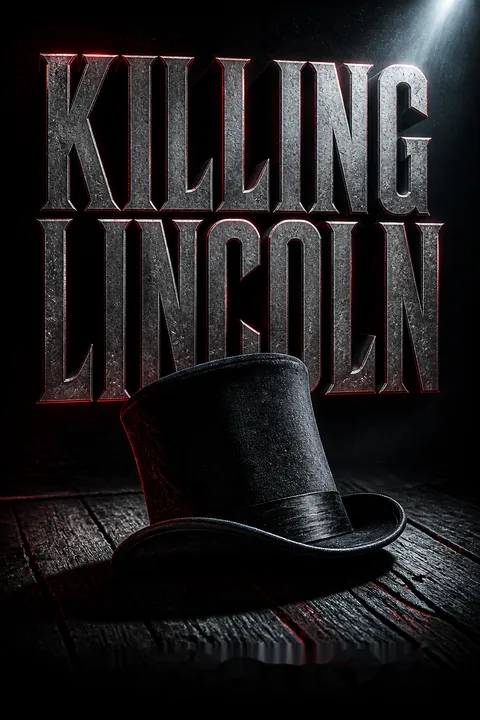

Plot Summary
A Nation at War's End
As spring 1865 dawns, the American Civil War nears its bloody conclusion. President Abraham Lincoln, weary yet resolute, dreams of healing a fractured nation. Union forces, led by General Ulysses S. Grant, press relentlessly against the dwindling Confederate armies under Robert E. Lee. The siege of Petersburg drags on, with Lee's men starving and desperate. Lincoln's second inaugural address, delivered in the rain, calls for "malice toward none, with charity for all," but the wounds of war run deep. In the North, jubilation mixes with exhaustion; in the South, hope flickers and fades. The fate of the nation hangs in the balance, as both sides sense that history is about to turn.
Booth's Burning Hatred
John Wilkes Booth, a celebrated actor and Southern sympathizer, seethes with hatred for Lincoln and the Union cause. Raised in a chaotic household, Booth's charm masks a deep sense of grievance and entitlement. The fall of Richmond and the Confederacy's collapse drive him to desperation. Booth's initial plot to kidnap Lincoln morphs into a plan for assassination, fueled by his belief in white supremacy and the Southern way of life. He recruits a band of conspirators, each drawn by money, ideology, or personal loyalty. Booth's obsession becomes all-consuming, and he convinces himself that only a dramatic, violent act can avenge the South and secure his place in history.
The Final Pursuit
As Grant's forces break through at Petersburg, Lee's army begins a desperate retreat. The Confederates, starving and exhausted, march toward hoped-for rations at Amelia Court House, only to find empty supply trains. Grant's strategy is relentless: cut off Lee's escape, force surrender, and end the war. The chase is brutal—mud, hunger, and constant skirmishes sap the last strength from Lee's men. At Sayler's Creek, the Confederate army is shattered. Lee's options dwindle to surrender or annihilation. The war's end is now inevitable, but the bitterness and trauma of defeat will linger, shaping the South's memory for generations.
Lincoln's Triumph and Fears
Lincoln enters Richmond as a conquering hero, greeted by jubilant freed slaves and sullen white citizens. Yet triumph is shadowed by foreboding. The president's dreams are haunted by visions of his own death; assassination rumors swirl. Despite warnings, Lincoln refuses to hide, believing his fate is in God's hands. He focuses on reconciliation, urging leniency for the South and envisioning a future of unity. But the nation's wounds are raw, and not all share his vision. In the White House, Lincoln is both celebrated and reviled, a symbol of hope and a target for vengeance.
The Conspirators Gather
Booth's circle of conspirators—Lewis Powell, David Herold, George Atzerodt, and others—meet in secret, their plans shifting from kidnapping to murder. Each man is drawn by different motives: Powell's violence, Herold's loyalty, Atzerodt's weakness. Booth manipulates them with promises and threats, binding them to his cause. The plan expands: not only Lincoln, but Vice President Andrew Johnson and Secretary of State William Seward are marked for death. The conspirators rehearse their roles, gather weapons, and steel themselves for the night that will, they believe, change the course of history.
Lee's Last Stand
Lee's final hope is dashed at Appomattox Court House. Outnumbered and surrounded, he meets Grant to discuss terms. The surrender is dignified and merciful—Grant offers leniency, allowing Confederate soldiers to return home with their horses. The war's end is met with relief and sorrow. For Lee, it is a personal and collective defeat; for Grant and Lincoln, a chance to begin the work of healing. Yet the seeds of resentment and myth are sown, as the South mourns its lost cause and the North celebrates victory.
Richmond in Flames
As Confederate leaders flee, Richmond erupts in chaos. Citizens burn whiskey and tobacco to deny them to the Union, but the fires rage out of control, destroying much of the city. Exploding arsenals and drunken mobs add to the devastation. Union troops enter to find a city in ruins, its people stunned and destitute. The raising of the American flag over Richmond is both a symbol of victory and a harbinger of the difficult reconstruction ahead. The city's fall marks the end of the Confederacy's dreams and the beginning of a new, uncertain era.
The Surrender at Appomattox
On Palm Sunday, April 9, 1865, Lee surrenders to Grant at Appomattox. The meeting is respectful, almost anticlimactic after years of bloodshed. Soldiers on both sides sense the magnitude of the moment—cheers and tears mingle as the reality of peace settles in. Lincoln's vision of reconciliation seems within reach, but the scars of war are deep. In Washington, celebrations erupt, but beneath the joy lies anxiety about the future. The war is over, but the struggle for the nation's soul is just beginning.
Euphoria and Unease
Washington explodes in celebration—bonfires, parades, and music fill the streets. Lincoln is hailed as a savior, but he remains cautious, aware that peace brings new challenges. Calls for vengeance against the South compete with Lincoln's appeals for mercy. Booth, meanwhile, is consumed by rage at the prospect of black suffrage and Southern humiliation. The city's euphoria is fragile, masking deep divisions and the lurking threat of violence. The stage is set for a final, tragic act.
Booth's Deadly Resolve
Booth's frustration boils over as his kidnapping plot collapses. The surrender at Appomattox convinces him that only Lincoln's death can redeem the South. He stalks the president, rehearses his escape, and manipulates his followers into accepting murder as their mission. Booth's narcissism and sense of theatrical destiny drive him forward—he imagines himself as Brutus, striking down a tyrant. The plan is set: Lincoln will die at Ford's Theatre, and the nation will be thrown into chaos.
The Night of Conspiracy
On April 14, 1865—Good Friday—Booth and his conspirators finalize their plans. Each is assigned a target: Booth will kill Lincoln, Powell will attack Seward, Atzerodt will go after Johnson, and Herold will assist. The city is alive with celebration, oblivious to the danger. Booth visits Ford's Theatre, inspects the presidential box, and arranges his escape route. The conspirators steel themselves with drink and bravado, knowing that by dawn, nothing will be the same.
Good Friday's Shadow
Lincoln spends the day in high spirits, enjoying a carriage ride with Mary and making plans for the future. Yet a sense of foreboding lingers—he speaks of dreams of his own death and confides his fears to friends. Invitations to the theater are declined by Grant and others, leaving the Lincolns to attend with lesser-known guests. As evening falls, the city is quiet, the stage set for tragedy. Booth readies his weapons, and the conspirators take their positions. The nation stands on the brink, unaware that its leader's hours are numbered.
The Theater Beckons
The Lincolns arrive late at Ford's Theatre, greeted by applause. Booth, familiar with every corner of the building, moves with confidence. He secures his escape route, bribes stagehands, and waits for the perfect moment. In other parts of the city, Powell and Herold prepare to strike at Seward, while Atzerodt loses his nerve. The play unfolds, laughter and music filling the air, as death draws near. The convergence of fate, hatred, and opportunity is complete.
The Shot Heard Forever
At 10:15 p.m., Booth enters the unguarded presidential box and fires a single shot into the back of Lincoln's head. Chaos erupts—Major Rathbone is stabbed, Mary screams, and Booth leaps to the stage, breaking his leg but escaping into the night. Simultaneously, Powell brutally attacks Seward and his family, leaving them gravely wounded but alive. Atzerodt fails to act against Johnson. The city descends into panic and confusion. Lincoln is carried across the street, clinging to life as doctors struggle in vain. The president's death is imminent; the nation reels in horror and disbelief.
Chaos and Despair
Lincoln dies at dawn, surrounded by grief-stricken friends and family. News spreads rapidly—mourning engulfs the North, while the South is divided between relief and dread. The government launches the largest manhunt in American history. Booth and Herold flee through Maryland's swamps, aided by sympathizers. The conspirators are rounded up one by one, their fates sealed by evidence and confession. The city is locked down, suspicion and fear replacing celebration. The dream of reconciliation is shattered, replaced by calls for vengeance and justice.
The Hunt Begins
Booth, wounded and increasingly desperate, hides in the Maryland countryside with Herold. They are aided by Dr. Samuel Mudd and others, but the net tightens as Union cavalry scour the region. Booth's sense of triumph fades, replaced by fear and regret. The conspirators' network unravels—Atzerodt and Powell are captured, Mary Surratt is arrested, and the nation demands retribution. Booth's escape across the Potomac is fraught with danger, but he and Herold finally reach Virginia, hoping for sanctuary among Confederate loyalists.
The Swamp and the Noose
Booth and Herold's luck runs out at Garrett's farm in Virginia. Surrounded by Union cavalry, Herold surrenders, but Booth refuses. The barn is set ablaze; Booth is shot and dies in agony, his dreams of martyrdom reduced to ashes. The nation breathes a grim sigh of relief. The remaining conspirators are tried, convicted, and executed or imprisoned. The war is truly over, but the wounds—personal, political, and national—will take generations to heal.
Justice and Reckoning
The execution of Booth's co-conspirators, including Mary Surratt, marks a somber end to the tragedy. The nation buries its martyred president with unprecedented mourning. The South enters a period of Reconstruction, haunted by loss and resentment. The myth of Lincoln grows, his vision of unity and mercy echoing through history. The assassination leaves a legacy of unresolved questions, conspiracy theories, and enduring lessons about the costs of hatred and the fragility of democracy. America is forever changed—its greatest leader gone, its future uncertain, but its ideals tested and, ultimately, reaffirmed.
Analysis
A nation's trauma, a leader's legacyKilling Lincoln is more than a chronicle of assassination; it is a meditation on the fragility of democracy, the costs of hatred, and the enduring power of leadership. The book's modern relevance lies in its exploration of how violence, conspiracy, and polarization can threaten even the most resilient societies. Lincoln's vision of reconciliation—his insistence on mercy, unity, and justice—stands in stark contrast to the forces of vengeance and division that ultimately claimed his life. The narrative warns against the dangers of fanaticism, the seductions of myth, and the ease with which ordinary people can become complicit in evil. At its heart, the story is a call to remember the lessons of history: that progress is fragile, that leadership matters, and that the work of healing is never truly finished. Lincoln's death changed America forever, but his ideals remain a beacon—reminding us that the nation's destiny depends on the courage, empathy, and wisdom of its people and leaders.
Review Summary
Killing Lincoln receives mixed reviews, averaging 4.06 stars. Supporters praise its thriller-like narrative style, accessibility, and thorough research, finding it engaging despite knowing the outcome. Critics cite O'Reilly's polarizing persona, lack of footnotes, speculative content presented as fact, and oversimplified writing. Many reviewers note tension between appreciating the book's readability while questioning its scholarly rigor. The co-author Martin Dugard often goes unrecognized. Reviewers value learning lesser-known details about Lincoln's assassination, Booth's conspiracy, and Civil War context, though some desire deeper analysis of reconstruction's impact.
People Also Read

Characters
Abraham Lincoln
Lincoln is the central figure—president, emancipator, and martyr. His deep empathy and moral clarity drive his quest to reunite the nation "with malice toward none." Yet he is plagued by exhaustion, nightmares, and a sense of impending doom. Lincoln's relationships are complex: he is devoted to his troubled wife Mary, affectionate with his sons, and deeply respectful of Grant. His psychological burden is immense—he internalizes the war's suffering, feels responsible for every death, and is acutely aware of his own vulnerability. Lincoln's assassination transforms him from a controversial leader into a symbol of American ideals and sacrifice.
John Wilkes Booth
Booth is a study in contradictions—handsome, talented, and magnetic, yet consumed by rage and delusions of grandeur. Raised in a dysfunctional family, he craves attention and validation. His Southern sympathies and white supremacist beliefs harden into fanaticism as the Confederacy collapses. Booth's psychological profile is marked by impulsivity, theatricality, and a desperate need for significance. He manipulates his followers, justifies murder as heroism, and imagines himself as a tragic avenger. In the end, Booth's quest for immortality leads only to infamy and ruin.
Ulysses S. Grant
Grant is Lincoln's indispensable partner in war—quiet, unpretentious, and doggedly determined. His military genius lies in simplicity and persistence. Grant's personal struggles with alcohol and self-doubt are offset by his loyalty and sense of duty. He is respected by friend and foe alike, and his lenient terms at Appomattox reflect Lincoln's vision of reconciliation. Grant's relationship with Lincoln is one of mutual trust and admiration, and his later presidency is shaped by the trauma and hope of the war's end.
Robert E. Lee
Lee embodies the dignity and tragedy of the Confederate cause. A brilliant tactician, he is revered by his men but ultimately overwhelmed by superior numbers and resources. Lee's surrender is marked by grace and sorrow—he seeks the best terms for his soldiers and accepts defeat with stoic resignation. Psychologically, Lee is burdened by the collapse of everything he fought for, yet he refuses to indulge in bitterness. His legacy becomes a touchstone for Southern memory and myth.
Mary Todd Lincoln
Mary is fiercely loyal to her husband but haunted by grief, loss, and mental instability. The deaths of two sons and the pressures of public life exacerbate her emotional volatility. She is both a source of comfort and anxiety for Lincoln, whose compassion for her is unwavering. Mary's psychological struggles mirror the nation's trauma—her breakdown after Lincoln's death is both personal tragedy and a symbol of the war's human cost.
Lewis Powell
Powell, Booth's chosen assassin for Seward, is a Confederate veteran with a history of brutality and head injury. His loyalty to Booth is rooted in a need for belonging and purpose. Powell's attack on the Seward family is savage and indiscriminate, reflecting a mind unmoored by war and ideology. His capture and execution reveal the limits of fanaticism and the consequences of blind obedience.
David Herold
Herold is Booth's most loyal accomplice—educated, resourceful, but lacking the will to lead. He serves as guide and caretaker during Booth's flight, displaying both cunning and cowardice. Herold's psychological makeup is defined by dependency and adaptability; he survives by attaching himself to stronger personalities. His eventual surrender contrasts with Booth's defiance, highlighting the spectrum of guilt and responsibility among the conspirators.
George Atzerodt
Atzerodt is drawn into Booth's plot by circumstance and manipulation. Lacking conviction or courage, he fails to carry out his assigned task against Johnson and spends the aftermath in drunken confusion. Atzerodt's psychological profile is marked by indecision, fear, and a desperate desire to escape blame. His execution is a grim testament to the dangers of complicity and the ease with which ordinary men can be swept into evil.
Mary Surratt
Mary Surratt provides the logistical support for Booth's conspiracy—her boardinghouse is the hub of plotting and preparation. A widow and mother, she is motivated by loyalty to her son and Southern sympathies. Her role is ambiguous—was she a mastermind or a pawn? Psychologically, Mary is resilient but ultimately overwhelmed by forces beyond her control. Her execution as the first woman hanged by the U.S. government remains controversial, symbolizing both justice and the perils of collective punishment.
Edwin Stanton
Stanton, Lincoln's Secretary of War, is a forceful, sometimes ruthless administrator. He orchestrates the response to the assassination, launching the massive manhunt and overseeing the conspirators' trial. Stanton's psychological makeup is defined by intensity, suspicion, and a relentless drive for order. His actions are both necessary and, at times, excessive—he becomes a lightning rod for conspiracy theories and debates about the balance between security and liberty.
Plot Devices
Dual Narrative Structure
The book weaves together two main threads: the military and political drama of the Civil War's end, and the secret, escalating plot against Lincoln. This dual structure creates tension and foreshadowing, as the reader senses that victory and tragedy are on a collision course. The alternating perspectives—Lincoln's public triumphs and private fears, Booth's descent into fanaticism—heighten suspense and emotional impact.
Foreshadowing and Dramatic Irony
The narrative is rich with foreshadowing—Lincoln's dreams of his own death, warnings from friends, and the city's uneasy celebrations. Dramatic irony abounds: the reader knows the assassination is coming, even as the characters hope for peace. This device amplifies the sense of impending doom and the poignancy of Lincoln's final days.
Historical Detail and Immersive Realism
The story is grounded in meticulous historical detail—battlefield tactics, city life, personal correspondence, and eyewitness accounts. This realism immerses the reader in the era, making the events feel immediate and consequential. The use of real dialogue, newspaper excerpts, and period imagery reinforces the authenticity and emotional resonance.
Psychological Portraiture
The book delves deeply into the minds of its principal characters, exploring motivations, fears, and contradictions. Lincoln's empathy and melancholy, Booth's narcissism and rage, and the conspirators' various weaknesses are all rendered with psychological nuance. This device transforms historical figures into complex, relatable humans, elevating the narrative from mere chronicle to tragedy.
Symbolism and Motif
Recurring symbols—the American flag, the theater, dreams of death—underscore the story's themes of unity, betrayal, and fate. The theater becomes both a literal and metaphorical stage for the nation's drama; Lincoln's dreams foreshadow his martyrdom; the flag's journey from battlefield to funeral train mirrors the nation's passage from war to mourning.
About the Author
Download PDF
Download EPUB
.epub digital book format is ideal for reading ebooks on phones, tablets, and e-readers.








































