Plot Summary
Violent Beginnings, Shattered Innocence
At seven, Adrian Rizzo's life is violently upended when her estranged father, Jon Bennett, storms into her mother's rented home, attacking Adrian, her mother Lina, and their friend Mimi. The confrontation ends with Lina killing Jon in self-defense, forever scarring Adrian's childhood. The trauma is compounded by the media frenzy that follows, forcing Lina to shield Adrian from the public eye. This event becomes the dark root of Adrian's life, shaping her understanding of violence, trust, and the unpredictable nature of family. The aftermath leaves Adrian with physical and emotional wounds, but also a fierce determination to survive and define her own path, even as the shadow of her father's rage lingers.
Summer Sanctuary, Family Bonds
After the tragedy, Adrian spends a transformative summer with her loving grandparents, Dom and Sophia, in rural Maryland. Their home, filled with warmth, tradition, and the bustle of Rizzo's Italian Restaurant, becomes a sanctuary. Adrian finds solace in the routines of family life, the joy of new friendships—especially with Maya and her brother Raylan—and the gentle guidance of her grandparents. The summer is a pause from trauma, teaching Adrian about resilience, community, and the power of unconditional love. It's a time of laughter, learning, and healing, where she discovers her own strengths and the meaning of home, even as she prepares to return to her mother's ambitious world.
Growing Up Rizzo
Back in New York, Adrian's life is defined by her mother's relentless career as a fitness mogul. Lina, driven and charismatic, provides material comfort but little emotional presence. Adrian grows up largely independent, learning discipline, self-reliance, and the value of hard work. She excels in school, dance, and fitness, but often feels the ache of her mother's distance. The annual letters to her grandparents become a cherished ritual, anchoring her to her roots. As she matures, Adrian's ambition mirrors Lina's, but she yearns for deeper connections and a sense of belonging that transcends fame or success.
Ambition and Independence
As a teenager, Adrian asserts her independence, refusing to be a prop in her mother's brand. She befriends a group of "nerds" at her new private school and launches her own fitness video project, About Time, enlisting her friends as collaborators. The project's success marks Adrian's emergence as a creative force, distinct from her mother's shadow. She learns the complexities of business, friendship, and self-promotion, while also facing the first of many anonymous, threatening poems. These threats, dismissed by Lina as the price of fame, become a sinister undercurrent in Adrian's otherwise bright ascent.
New York, New Generation
Adrian's brand, New Generation, flourishes. She balances college, business, and friendships, all while navigating her complicated relationship with Lina. The annual death threats escalate, but Adrian refuses to be cowed, channeling her anxiety into work and advocacy. She builds a loyal team, mentors others, and uses her platform for good. Yet, the stalker's presence is a constant reminder of her vulnerability. Through it all, Adrian's sense of self deepens—she is no longer just Lina's daughter or Jon's victim, but a woman determined to define her own legacy.
Threats in the Shadows
The anonymous poems become more frequent and menacing, their author's obsession intensifying. Adrian's success and visibility seem to fuel the stalker's rage. The threats, once annual, now arrive multiple times a year, postmarked from cities across the country. Despite police and FBI involvement, the sender remains elusive. Adrian's fear is compounded by guilt—her loved ones could be at risk. Yet, she refuses to retreat, instead doubling down on her work, her friendships, and her commitment to living fully. The tension between public triumph and private terror becomes a defining struggle.
Finding Her Tribe
Amidst the threats, Adrian's friendships deepen. Teesha, Hector, Loren, and Maya become her chosen family, supporting her through professional triumphs and personal crises. Raylan, once a childhood acquaintance, reemerges as a steady presence, their bond growing from friendship to love. The group weathers heartbreak, loss, and change together—marriages, children, and the deaths of beloved elders. Through shared meals, creative projects, and mutual support, they create a web of connection that sustains Adrian. Love, in its many forms, becomes her anchor.
Building a Legacy
After her grandfather's death, Adrian returns to Traveler's Creek, choosing to make her home in the family house. She takes over the family business, supports her friends' ventures, and spearheads the creation of the Rizzo Family Youth Center. The project becomes a tribute to her grandparents' values—community, generosity, and resilience. Adrian's leadership is tested as she balances grief, responsibility, and the ever-present threat of her stalker. Yet, she finds purpose in giving back, mentoring the next generation, and preserving the legacy entrusted to her.
The Stalker's Game
The stalker's campaign escalates from threats to murder, targeting women connected to Jon Bennett's past. As bodies are discovered across the country, Adrian's private investigator, Rachael, uncovers a chilling pattern: the killer is avenging Jon's downfall by targeting his former lovers. The investigation points to Jon's children from his marriage—Nikki and JJ Bennett—as prime suspects. The danger becomes immediate and personal, forcing Adrian to confront the darkest parts of her family history and the reality that she is the ultimate target.
Love, Loss, and Letters
Loss weaves through Adrian's life—her grandmother's sudden death, the murder of Raylan's wife Lorilee, and the passing of her grandfather. Each loss brings grief but also deepens the bonds among those left behind. Letters—between friends, family, and lovers—become a lifeline, carrying comfort, wisdom, and hope. Adrian and Raylan's relationship blossoms, blending their families and histories. Together, they learn to honor the past while embracing the future, finding healing in love, memory, and shared dreams.
Returning Home, Facing Change
Adrian's return to Traveler's Creek is both a homecoming and a transformation. She reinvents the family home, supports her friends' moves, and becomes a pillar of the community. The youth center nears completion, symbolizing the merging of old and new. Adrian's relationship with Lina evolves into mutual respect and understanding, as mother and daughter finally see each other as women shaped by choices, regrets, and love. The past is no longer a weight but a foundation for growth.
The Past Hunts the Present
As the investigation tightens around the Bennetts, JJ emerges as the true threat—violent, unhinged, and determined to finish what his father started. He murders women from Jon's past, attacks the private investigator, and finally comes for Adrian. The confrontation is brutal and intimate, forcing Adrian to draw on every lesson of strength, resilience, and self-defense she's learned. With the help of her friends, her dog Sadie, and Raylan, she survives, but not without scars. The cycle of violence that began in childhood is finally broken.
Escalation and Revelation
The aftermath brings revelations—Nikki's complicity, JJ's confession, and the full scope of the murders. Law enforcement, with Rachael's help, pieces together the years-long campaign of revenge. Adrian's courage and quick thinking are celebrated, but she is left to process the trauma and the knowledge that her existence was the catalyst for so much pain. Yet, she refuses to be defined by victimhood, choosing instead to honor the women lost and the family she's built.
The Final Confrontation
The final showdown with JJ is a test of everything Adrian has become. Alone in her home, she faces him with fear but also determination. The fight is physical and psychological, echoing the violence of her childhood but ending differently—this time, she is not powerless. With Raylan and Monroe's timely intervention, and the loyalty of her dog, Adrian survives. JJ is captured, and the threat that haunted her for years is ended. The victory is bittersweet, marked by relief, exhaustion, and the knowledge that healing will take time.
Healing, Forgiveness, and Family
In the wake of violence, Adrian is surrounded by friends and family who rally to her side. The house is filled with laughter, food, and love, as old wounds are tended and new bonds forged. Lina, Mimi, Harry, and her childhood friends all play a part in Adrian's recovery. Forgiveness—of herself, her mother, and even the past—becomes possible. The youth center opens, symbolizing hope and renewal. Adrian and Raylan's relationship deepens, blending their families and dreams.
New Roots, New Dreams
Adrian and Raylan, now engaged, merge their lives and families. The house on the hill becomes a home for their blended family, filled with children, dogs, and the echoes of those who came before. The youth center thrives, and Adrian's business continues to grow, rooted in the values of community and resilience. Together, they honor the past while building a future defined by love, purpose, and the courage to begin again.
The Rizzo Youth Center
The Rizzo Family Youth Center opens as a testament to the power of legacy and the importance of giving back. Adrian, her friends, and the community create a space for children to learn, play, and dream. The center becomes a living tribute to Dom and Sophia, embodying their belief in the goodness of people and the strength of family. Through mentorship, creativity, and compassion, Adrian ensures that the next generation will have the support and opportunities she once needed.
Love Rekindled, Futures Forged
The story ends with Adrian and Raylan embracing their future—marriage, family, and the ongoing work of building a life together. The scars of the past remain, but they are no longer wounds. Instead, they are reminders of survival, love, and the power to choose one's own destiny. Surrounded by friends, family, and the community they've helped shape, Adrian and Raylan step into a future bright with possibility, their legacy secure.
Analysis
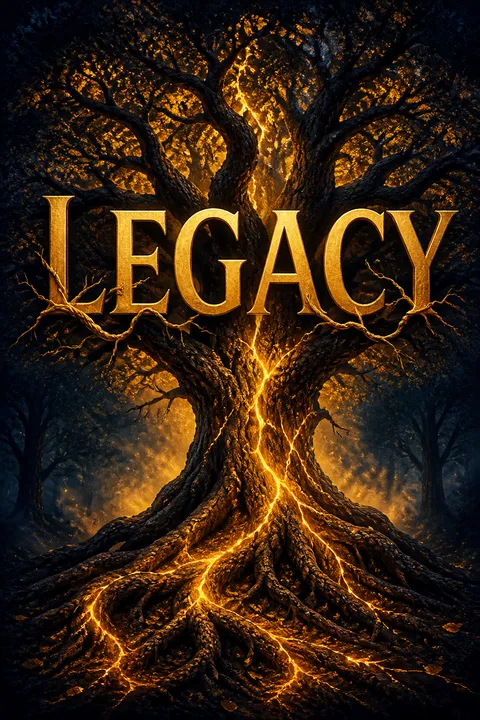
Legacy is a sweeping, emotionally resonant exploration of how the past shapes the present—and how individuals can choose to break cycles of trauma and build something better. Nora Roberts crafts a narrative that is both a gripping thriller and a meditation on family, forgiveness, and the power of community. The novel interrogates the costs of ambition, the dangers of secrecy, and the corrosive effects of generational violence, but ultimately offers hope: healing is possible, not through denial or isolation, but through connection, honesty, and the courage to love again. Adrian's journey from victim to survivor to leader is mirrored by the transformation of her relationships—with her mother, her friends, and her partner. The story's resolution, with the opening of the youth center and the blending of families, is both a personal and communal triumph. Legacy reminds us that the truest inheritance is not wealth or reputation, but the values we live and the love we give—a message as timely as it is timeless.
Review Summary
Reviews for Legacy are mixed, averaging 4.16 out of 5. Many readers praise Roberts' character development, warm friendships, and engaging community feel. Fans appreciate the slow-burn romance and cozy small-town setting. However, critics note the story feels too long and overly focused on fitness-related minutiae. Several readers found the romance underdeveloped and the suspense predictable or insufficient. The stalker subplot, while present throughout, only intensifies near the end. Overall, dedicated Roberts fans tend to enjoy it, while those seeking traditional romantic suspense may feel disappointed.
People Also Read
Characters
Adrian Rizzo
Adrian is the heart of the story—a woman forged in trauma but defined by resilience, ambition, and compassion. The violence of her childhood leaves deep scars, but also instills a fierce determination to control her own narrative. She is both her mother's daughter—driven, disciplined, creative—and her grandparents' heir, rooted in family and community. Adrian's journey is one of self-discovery: from a lonely, independent child to a leader, mentor, and partner. Her relationships—with friends, lovers, and her mother—are complex, marked by longing, forgiveness, and growth. Adrian's greatest strength is her refusal to be defined by victimhood; instead, she transforms pain into purpose, building a legacy that honors the past while embracing the future.
Lina Rizzo
Lina is a study in contradictions: a self-made fitness mogul whose public persona is warm and inspiring, but whose private life is marked by emotional distance and regret. Her ambition often overshadows her role as a mother, leaving Adrian to raise herself. Yet, Lina's love is real, if imperfect, and her journey is one of gradual self-awareness and reconciliation. She is haunted by her past choices—her affair with Jon Bennett, her failures as a parent—but ultimately seeks forgiveness and connection. Lina's evolution from distant mother to supportive partner in Adrian's life is a testament to the possibility of change, even late in life.
Jon Bennett / JJ Bennett
Jon Bennett is the catalyst for the story's violence—a charming, abusive man whose actions destroy multiple lives. His legacy is one of pain, secrecy, and rage, inherited by his son JJ. JJ, twisted by his father's influence and his mother's bitterness, becomes the story's primary antagonist. His campaign of threats and murder is both a quest for vengeance and a desperate attempt to reclaim a sense of power. JJ's psychological unraveling is chilling, a portrait of generational trauma and the dangers of unchecked rage. His ultimate defeat is both justice and tragedy, a necessary end to a cycle of violence.
Dom and Sophia Rizzo
Adrian's grandparents are the emotional bedrock of the story. Dom and Sophia embody the values of family, community, and unconditional love. Their home is a sanctuary, their restaurant a hub of connection. Through their guidance, Adrian learns resilience, kindness, and the importance of giving back. Their deaths are deeply felt, but their legacy endures in the youth center, the family home, and the lives they touched. They represent the best of what family can be—a source of strength, wisdom, and hope.
Raylan Wells
Raylan is Adrian's childhood friend turned soulmate. A talented artist and devoted single father, he is shaped by his own losses—his father's abandonment, his wife Lorilee's tragic death—but remains open, kind, and quietly strong. Raylan's journey is one of healing, learning to love again, and blending families. His relationship with Adrian is built on friendship, trust, and mutual respect. Together, they navigate grief, parenthood, and the challenges of building a new life. Raylan's steadiness and humor balance Adrian's intensity, making him both her anchor and her equal.
Teesha Kirk
Teesha is Adrian's confidante and business manager, a woman of sharp intelligence, wit, and unwavering loyalty. She grounds Adrian, offering both practical advice and emotional support. Teesha's own journey—balancing career, motherhood, and love—mirrors Adrian's, and their friendship is a model of chosen family. Teesha's ability to see through bullshit, her humor, and her fierce protectiveness make her indispensable. She is the friend who challenges, comforts, and celebrates, always pushing Adrian to be her best self.
Maya Wells
Maya is Adrian's first real friend, the one who welcomes her into the fold after trauma. Her warmth, empathy, and steadiness provide a safe space for Adrian to heal. Maya's own life—marriage, motherhood, running a business—reflects the story's themes of resilience and reinvention. She is the quiet center of the friend group, offering perspective, kindness, and a reminder of the enduring power of childhood bonds.
Harry Reese
Harry is Lina's publicist and Adrian's surrogate father. Witty, loyal, and fiercely protective, he guides Adrian through the complexities of fame, business, and personal safety. Harry's partnership with Marshall and their growing family add depth to the story's exploration of chosen family. He is the adult Adrian can always count on, the one who sees her potential and fights for her interests. Harry's presence is a source of comfort, humor, and wisdom.
Rachael McNee
Rachael is the private investigator who finally unravels the mystery of the stalker. Her tenacity, intelligence, and empathy drive the investigation forward, even at great personal risk. Rachael's own family and backstory add nuance to her role—she is not just a professional, but a woman who understands the stakes of violence and the importance of closure. Her work brings justice, but also highlights the cost of obsession and the necessity of community.
JJ Bennett (Jonathan Jr.)
JJ is the story's most dangerous antagonist—a man warped by his father's abuse, his mother's bitterness, and his own sense of entitlement. His campaign of murder and threats is both personal and symbolic, a desperate attempt to reclaim power and punish those he blames for his misery. JJ's psychological unraveling is both terrifying and pitiable, a cautionary tale about the corrosive effects of hate and the failure of love. His defeat is hard-won, a victory for Adrian and all those who refuse to be defined by the past.
Plot Devices
Generational Trauma and Cycles of Violence
The narrative is structured around the long shadow cast by Jon Bennett's abuse and betrayal. The trauma inflicted on Lina and Adrian reverberates through decades, influencing relationships, ambitions, and fears. The stalker's campaign is a literal manifestation of the past refusing to die, forcing Adrian to confront not only external threats but the internalized wounds of childhood. The story uses flashbacks, letters, and intergenerational parallels to explore how cycles of violence can be broken through courage, love, and community.
Found Family and Community
Adrian's journey is marked by the creation of a chosen family—friends, mentors, and partners who fill the gaps left by blood relatives. The Rizzo home, the restaurant, and later the youth center serve as physical and symbolic spaces of belonging. The narrative structure weaves together multiple storylines—friendships, romances, business ventures—to show how community sustains individuals through grief, danger, and change. The recurring motif of shared meals, letters, and collaborative projects reinforces the theme that healing and legacy are collective endeavors.
Stalker as Unseen Antagonist
The anonymous poems function as a chilling plot device, their regular arrival building suspense and dread. The stalker's identity is hidden for much of the novel, with the narrative using red herrings, shifting perspectives, and investigative sequences to maintain tension. The escalation from threats to murder raises the stakes, forcing Adrian and her allies to become detectives in their own lives. The final confrontation is foreshadowed by earlier violence, but subverted by Adrian's growth and preparedness.
Parallel Character Arcs
The story draws parallels between Adrian and Lina, between Adrian and her half-siblings, and between the Rizzo and Bennett families. These mirrored arcs highlight the impact of choices—whether to perpetuate harm or to heal, to seek revenge or forgiveness. The narrative structure allows for deep character development, showing how similar wounds can lead to radically different outcomes. The use of letters, flashbacks, and dual perspectives enriches the exploration of identity, legacy, and transformation.
Symbolism of Home and Legacy
The Rizzo house, the restaurant, and the youth center are more than settings—they are embodiments of memory, tradition, and hope. The act of returning home, renovating spaces, and building new institutions symbolizes the possibility of renewal. The story uses these spaces to explore themes of inheritance, responsibility, and the tension between past and future. The final scenes, set in the restored home and thriving youth center, offer a vision of legacy as living, evolving, and inclusive.
Download PDF
Download EPUB
.epub digital book format is ideal for reading ebooks on phones, tablets, and e-readers.








































