
Plot Summary
Military Injustice, Civilian Rebirth
After a humiliating military court case fails to convict Colonel Bruno for sexual harassment and attempted rape, Major Holly Barker sees her hard-fought Army career end in a wave of institutional betrayal. Supported by her father Ham, a grizzled Special Forces veteran, Holly faces an uncertain future—that is, until Ham's friend Chet Marley offers her the deputy chief job in Orchid Beach, a seemingly idyllic Florida town. The specter of military injustice haunts Holly, but the promise of a fresh start and a meaningful civilian role imbues her with determined hope. Here, she finds herself unshackled from the Army's patriarchal power structure, yet stepping into another world where loyalties, secrets, and threats simmer beneath the surface. Orchid Beach will test her resilience and sense of justice far beyond the military courtroom.
Welcome to Orchid Beach
Holly's move to Orchid Beach brings relief and anxiety. She settles into a riverside trailer park and surveys her new environment, noting the blend of retirees, blue-collar workers, and summer visitors. Though the waterfront and balmy weather contrast with her former military life, the tranquil façade conceals hints of unease. Marley's warnings about internal department trouble prompt Holly's vigilant instincts. A solitary steak dinner at sunset recalls both her independence and the invisible scars left by betrayal. As she prepares for her first day as deputy chief, she reflects on her past and steels herself for unknown challenges. Orchid Beach, with all its promise, is about to become as much a proving ground as any battlefield.
Shadow Over Small Town
Holly's first day is upended by grim news: Chief Marley has been shot and lies in a coma. The normal rituals of introduction dissolve into chaos and secrecy. Introduced abruptly to her wary, mostly male colleagues—including the stoic Hurd Wallace—Holly quickly learns she is stepping into a hornet's nest. While getting her bearings, she senses mistrust, confusion, and an unspoken rivalry for power. Jane Grey, the efficient and caring secretary, becomes her first real ally. Yet the revelation that someone from within might pose a threat haunts Holly as she dons her new badge. Orchid Beach's ordered exterior masks currents of danger, betrayal, and secrets as deadly as any the Army ever confronted.
Chief Marley Down
Holly's investigation begins by examining the circumstances around Chief Marley's shooting. The crime scene is oddly clean—no evidence of struggle except bruises on Marley's battered body and the disappearance of his weapon. Interviews with Marley's close friend Hank Doherty and the rest of the department yield little; trust evaporates, and suspicions multiply. Holly finds herself relying more on her procedural instincts, and Daisy, the Doberman, emerges as a steadfast companion after Hank's murder adds a second body to the count. The twin tragedies tear open disagreements over loyalty, competence, and honesty in the force. Holly learns that in Orchid Beach, allegiance can be fatal and every detail—a scuffed hood, a missing gun—could be a clue or a trap.
Two Crimes, One Night
Holly confronts the dual murders—Marley's shooting and Hank Doherty's violent end—in one sleepless, shattering night. The evidence suggests inside knowledge and calculated ruthlessness: Marley's own shotgun killed Hank, Daisy was imprisoned during the attack, and nothing of material value was stolen. The darkness of the crimes and the cold professionalism unsettle Holly. Her efforts to comfort newly orphaned Daisy and Hank's bereft daughter are tinged with guilt and helplessness, but her determination hardens. Holly realizes the quaint town holds rotting secrets and that betrayal, rather than external threats, endangers those she has been charged to protect. As she sets herself to unravel the mystery, new alliances and enmities form.
Daisy's Loyalty Tested
Daisy, traumatized by Hank's death, bonds with Holly in her grief. The bond between woman and dog transcends language—Daisy's skills and silent warnings prove invaluable, even saving Holly from a deadly booby trap. As the case deepens, Daisy becomes both a symbol of loyalty betrayed and a crucial link to unresolved events. Her presence provides Holly with comfort, routine, and a measure of security, but also reminds her that trust must be carefully measured. When Daisy's hyper-intelligence helps calm situations and disarm suspicions—even among the police—she emerges as both mascot and emotional touchstone. In the chaos that follows two murders, Daisy's steadfastness is a rare, redeeming constant.
Investigating Trusted Friends
With the police force's integrity in doubt, paranoia and investigation intertwine. Holly methodically pursues every angle, suspecting everyone—including Wallace and trusted detective Bob Hurst. Forensics, ballistics, and interviews reveal mounting anomalies, from wiped-down weapons to staged evidence and suspiciously-clean crime scenes. The culture of secrecy and political connections in Orchid Beach blurs clear lines between good and evil. Daisy's loyalty, Ham's encouragement, Jane's efficiency, and the openness of the force become tools and vulnerabilities alike. Holly learns that no relationship is uncomplicated, and that personal histories and rivalries can make even friends unrecognizable. Her isolated past in the Army becomes an unexpected advantage as she navigates shifting alliances and possible betrayals.
Fallout and Fresh Starts
The arrest and prosecution of two drifters offer a glimmer of resolution—but evidence falls apart under sharp legal scrutiny. Holly finds herself drawn to Jackson Oxenhandler, a public defender with a checkered past and a moral compass as battered as her own. Their cautious relationship offers both support and risk, especially as courtroom defeats, media scrutiny, and the town council's skepticism threaten Holly's fragile standing. Despite department turmoil and her own doubts about the investigation's progress, she builds new routines—adopting Daisy, reaching out to Ham as he retires, and striving to maintain order. As professional and personal boundaries blur, Holly discovers the cost and necessity of trusting others, even when justice appears hopeless.
Rising Suspicion, Wrong Suspects
Holly's growing suspicion that the culprit is neither the drifters nor some outside force brings renewed pressure, self-doubt, and paranoia. Political infighting in the city council, orchestrated by powerbroker John Westover and acerbic Irma Taggert, threatens her authority. Discovering Hurd Wallace's ex-wife's stolen gun ties the murders back to the department—but the convoluted evidence path only deepens the town's collective anxiety. Holly's status as outsider and woman further isolates her, even as her steady, relentless approach yields new possibilities. Daisy's sharp senses and several botched assassination attempts against Holly reveal just how far the rot extends—and how dangerous it will be to expose it.
Adopted by Daisy
In Daisy, Holly finds more than a watchdog—she finds the unconditional devotion absent from other relationships. Daisy's presence offers security, routine, and moments of unexpected laughter amid mounting violence and suspicion. The dog's uncanny ability to fetch drinks and sense threats becomes a running joke and a badge of honor; her role as emotional anchor provides the warmth needed to keep Holly moving forward. Their partnership, forged in trauma, sustains them both and—symbolically—restores Holly's faith in loyalty and love, even as she lets down some of her armor with Jackson and makes peace with her father's past.
Lives Interrupted, Tensions Mount
Holly's every move is tracked, questioned, and second-guessed by the old guard in the department and town council alike. Wallace's cold exterior, Jane's nervousness, and political machinations conspire to keep Holly off-balance. The town's boundaries—physical and psychological—close in as her attempts to investigate Palmetto Gardens, a fortress-like, ultra-private enclave north of town, meet with steely resistance. Barriers to both truth and access multiply, as heavily-armed guards, shielded records, and stone-faced officials block her pursuit. As the stakes rise and the council tries to depose her, Holly's resolve is tested by both bureaucratic inertia and the specter of organized crime beyond Orchid Beach's pristine barrier islands.
Courtroom Frustration and Fallout
Holly's case against the drifters unravels in a humiliating courtroom spectacle instigated by Oxenhandler's sharp defense. Misplaced evidence, ambiguous testimony, and bureaucratic errors restore the accused's freedom but do not quell the undercurrent of guilt and shame in the department. Public confidence withers, and the council leverages the spectacle to challenge Holly's authority—threatening her with removal unless she bends to their will. In private, however, Oxenhandler's overture moves Holly, and unresolved tension simmers between them. The failures of law, both military and civilian, cast a long shadow; Holly must find a way to redefine justice and truth in a world where neither law nor loyalty are what they seem.
Orders and Contradictions
As Holly rebuilds her command in the face of political opposition and mounting doubt, evidence emerges that someone inside is feeding information to shadowy outsiders. Personnel files, previously ignored, take on new significance. The impenetrable Palmetto Gardens becomes a locus of mystery; its hidden armies, clandestine airfield, and cryptic leadership are shielded by both money and muscle. Rising violence, intimidation attempts, and booby traps force Holly to accept help from the FBI, who arrive with their own methods and suspicions. As Federal and local investigations entwine, Holly must balance protocol with intuition, learning that even the most rigid orders can conceal devastating contradictions and deadly surprises.
A Community Divided
The search for justice exposes the town's deepest fractures. Holly juggles her professional obligations and personal relationships, striving for unity in a department built on secrets and resentment. The city's wealthy elite, shielded behind Palmetto Gardens' razor wire, stand in stark contrast to the blue-collar heart of Orchid Beach. The investigation draws national attention, stirring media scrutiny and heightening community fear. As alliances shift and roles are redefined, Holly recognizes that her authority—and her life—may depend on the strategic deployment of trust, empathy, and unwavering resolve. The sense of belonging she craves remains elusive, her status always subject to a vote, a secret, or an act of violence.
The Locked Gates
Palmetto Gardens, with its private roads, internal rules, and own "army," becomes Holly's fixation. Despite polite but firm exclusion, her growing partnership with Jackson and support from Ham push her deeper into its mysteries. As she navigates the maze of security clearances, dummy corporations, and altered police records, each discovery exposes a broader threat than Orchid Beach alone. The town's most powerful serve as both business partners and enablers for Palmetto Gardens, complicit in their own subjugation. The more Holly learns, the more she suspects that the killings and sabotage are part of an elaborate cover-up for operations far larger—and deadlier—than the town's police could ever handle alone.
Private Armies and Hidden Threats
Delving into Palmetto Gardens, Holly uncovers a hidden paramilitary force, its ranks filled with violent ex-cops whose records have been mysteriously erased. Armed to the teeth and supported by cutting-edge surveillance and communications, the enclave foreshadows organized criminality on a global scale. FBI, DEA, and other federal agencies join Holly's growing coalition, but danger lurks in every overlooked file, silenced radio, or unguarded moment. Survivor's guilt and lingering trauma add layers of complication to Holly's dogged pursuit, while Daisy stands ready as both protection and friend. What began as small-town policing now becomes a battlefront in a war against wealth, secrecy, and violence—one as personal as it is political.
Inside: Secrets and Sabotage
Rita Morales, an undercover FBI agent, infiltrates Palmetto Gardens, confirming Holly's worst fears: the com center buzzes with coded transmissions, the place is fortified for a siege, and everyone is watched and armed. When Rita is discovered, she is brutally murdered, forcing the hand of the entire investigative team. The sense of violation and loss, especially for Holly and Harry Crisp, is profound—fueling rage but also a renewed determination. The town, the task force, and Holly herself brace for an all-out assault. Ham's special forces experience and Holly's dogged tenacity help plan a raid that will redefine the town, upending the local order and exposing the full scale of the conspiracy at last.
Vault of Betrayals
Betrayals large and small come to light: Jane, Holly's trusted secretary, is unmasked as an informant for Palmetto Gardens and an accomplice to murder; Bob Hurst, driven by desperation, is revealed as the police mole. Confrontations are violent and swift—Barney Noble, the shadowy enforcer, escapes but is ultimately brought down by Holly's cunning and Daisy's courage. The raid on Palmetto Gardens exposes international criminal networks, staggering troves of cash and contraband, and the complicity of townsfolk at every level. Holly's success comes at great cost—innocence, safety, and any remaining illusions about the nature of law and justice in Orchid Beach have been forever shattered.
Justice at Any Cost
In the aftermath, the town—and its heroine—redefine themselves. Federal asset seizures transform Palmetto Gardens from a fortress into a trophy of justice, its vaults funding new resources for Orchid Beach and cementing Holly's authority. The wounds of betrayal, especially the deaths of Marley, Doherty, and Rita, remain raw, but closure comes with Daisy at Holly's side and Jackson at her heart. The narrative ends with hope: the promise of stability, reconciliation, and a possible marriage to Jackson. But the lesson lingers that justice, to endure, must be vigilant and relentless, and that even a sleepy Florida town can harbor the weight of global crimes—and produce the courage to confront them.
Analysis
Orchid Beach is a modern American procedural that explores the perilous gray space between idyllic surface and corrosive corruption. On one level, the novel functions as a tense, twist-driven crime thriller, full of red herrings, unexpected betrayals, and escalating violence. Yet beneath the genre trappings lies a deeper social critique: the story confronts the failure of institutions—military, legal, civic—to protect the vulnerable or even the well-intentioned. Holly Barker's journey is emblematic: forced by broken systems to become her own champion, she must continually reassess the boundaries of trust, leadership, and justice. Orchid Beach's insular southern town, with its sunlit lawns and hidden rot, serves as a microcosm of American anxieties about power, money, privilege, and violence. The infiltration and assault on Palmetto Gardens dramatize the final, desperate push for justice—one that requires both institutional might and personal heroism. Ultimately, Woods insists that righteousness is not given but earned anew in each era and through each individual act. Friendship, love, and loyalty—especially in the embodied figure of Daisy—are portrayed as the truest forms of courage amidst betrayal. The book's lesson is uncompromising: evil thrives where secrecy, complacency, and unchecked power reign, and it is only through unrelenting courage and connection that justice can be restored.
Review Summary
Characters
Holly Barker
Holly Barker is the heart of the story—a decorated, disciplined ex-military officer whose Army career collapsed after a failed bid for justice against harassment. Thrust into civilian law enforcement, Holly embodies both vulnerability and tenacity. Her psyche bears scars of betrayal, making her slow to trust yet fiercely loyal once earned. Loneliness, professionalism, and pride shape her relationships—especially with Daisy, Ham, and Jackson. As acting, then permanent, police chief, she navigates small-town politics, misogyny, and her own making. Holly's development is marked by increasing moral clarity: every betrayal (from military to civilian, friend to ally) hardens, but never breaks, her sense of duty. Her greatest strengths—empathy, resilience, and leadership—anchor the fight for justice, even as she pays a heavy personal price.
Daisy
Daisy is far more than a Doberman: she represents the ideals of fidelity, emotional healing, and primal loyalty that the human characters forsake or fear. Trained with military precision, Daisy saves Holly's life, senses duplicity and danger, and, in moments of levity, fetches cold beer and lifts spirits. Daisy's history of trauma parallels Holly's own—each losing a surrogate "parent" and forging new bonds in adversity. She symbolizes the innocence lost in the story's violence and the possibility of redemption through trust. In both conflict and quiet, Daisy not only anchors Holly's psyche but catalyzes the relationships that bring hope and resolution.
Hamilton "Ham" Barker
Ham, Holly's father, is a tough, battle-worn Green Beret whose worldview is shaped by war and survival. He brings a pragmatic, sometimes cynical edge to Holly's idealism, providing streetwise advice, backup, and a willingness to bend the rules when required. Ham processes grief by action—moving to Orchid Beach, aiding Holly, and eventually orchestrating reconnaissance for the federal raid. His ability to compartmentalize trauma is both gift and flaw, keeping him emotionally distant, especially in moments of personal vulnerability. Yet, his tenderness for Holly and camaraderie with other "old soldiers" hint at a longing for connection and vindication. Ham's journey is as much about coming to terms with a changing world as protecting the next generation.
Jackson Oxenhandler
A former Miami cop turned defense attorney, Jackson mixes world-weariness, intellectual skepticism, and a survivor's pragmatism. Haunted by his own experience with corruption, violence, and the cost of loyalty, Jackson's romance with Holly is built on mutual understanding and respect for emotional scars. His legal acumen and moral flexibility often counterbalance Holly's rigid sense of duty. Jackson's empathy is his defining trait—he advocates for the "innocent guilty" and helps Holly recognize shades of gray in Orchid Beach's painted facades. His role as investigator, support, and ultimately, genuine partner reflects the possibility for new beginnings even after institutional betrayal.
Hurd Wallace
Initially presented as a possible antagonist, Hurd Wallace is Holly's deputy—a man whose calculated stillness and political acumen hide as much as they reveal. His calm demeanor masks ambition, pride, and a pronounced sense of professional injury over being passed up for promotion. His complicated relationships—to Jane, Hurst, and the town's powerbrokers—mirror the town's web of public and private betrayals. Hurd's journey is one of slow acceptance: despite his outward resistance, he sides with justice and Holly when the chips are down. His psychological complexity underlines the perils of trust and the dangers of bitterness, even as he proves unexpectedly reliable in crisis.
Chet Marley
Chief Chet Marley's pre-story mentorship and subsequent attempted murder set the plot's moral stakes. Wily, decent, and forthright, Marley's unsolved shooting haunts Holly, driving her need for answers and vigilante justice. In his coma and after death, Marley is both martyr and symbol—the best of the old guard undone by forces inside his own camp. His faith in Holly foreshadows the story's arc: that reform, however hard-won, comes through determined, sometimes painful, renewal.
Jane Grey
Jane embodies the tension between loyalty and self-interest. At first, she is the steadfast, efficient aide—the "glue" holding the police department together. Her later betrayal, motivated by old ties to Barney Noble and personal resentment, devastates Holly and stands as the narrative's most poignant lesson on the dangers of invisible allegiances. Jane's psychological development illustrates how vulnerability, emotional need, and history can warp the best intentions until trust itself seems dangerous.
Barney Noble
At the center of Palmetto Gardens' shadow world, Barney Noble is a former army comrade turned criminal puppet master. His charisma masks a deep capacity for violence and ruthlessness—a man who can appear entirely amiable to friends and absolutely lethal to enemies. Noble's ability to corrupt systems, erase criminal records, and orchestrate assassinations shows the ease with which power, money, and violence intertwine. His betrayals—personal and political—break the innocent and the cynical alike. Noble's unraveling is as much a moral as legal defeat; his final, desperate violence is a bid to reclaim control he's forever lost.
Bob Hurst
Detective Bob Hurst is the epitome of compromised virtue. Financial stress, insecurity, and the seductive promise of off-the-record money lure him into Noble's web. Hurst's participation in the murders is passive but pivotal; he did not pull the trigger, but his silence and complicity cost lives. His ultimate confession reveals guilt, pain, and a tragic yearning for redemption—but also the banality of evil, the ease with which "good cops" turn accessory to horror. Hurst's fall is a psychological warning about the dangers of rationalization and unchecked despair.
Rita Morales
An FBI agent who sacrifices herself in pursuit of the truth, Rita represents courage and the high cost of undercover work in an amoral world. Her slaying—marked by brutality and contempt—galvanizes Holly and Harry Crisp, fueling the story's climax and highlighting the brutalities institutions can neither prevent nor easily avenge. Her character embodies hope, intelligence, and sacrifice, exposing the system's limitations while reminding every other player what is at risk when evil is left unchecked.
Plot Devices
Dual Narrative Structures and Misdirection
Stuart Woods crafts a complex, layered narrative: Holly's military backstory parallels her civilian struggles, underscoring how institutions and individuals can undermine justice. Investigations into Marley's and Doherty's murders run on intertwined tracks, intensifying suspense and never letting the reader settle. False confessions, legal red herrings, and political intrigue redirect suspicion, revealing how easy it is to manipulate evidence, coerce confessions, and exploit professional trust. The use of Daisy as both a character and a plot accelerant infuses emotional warmth and tactical advantage.
Closed Community as Microcosm
The enclave of Palmetto Gardens is not just a location but an engine for plot and theme—a fortress within a community, at once "above the law" and hiding its own. It stages the classic locked-room mystery on a grand scale, with secrets guarded by money, firepower, and legal cunning. Physical barriers mirror psychological ones; everything from razor wire to dummy corporations to erased police records stands in Holly's way, and all symbolize larger questions about equality, power, and accountability.
Symbolic and Literal Betrayal
The story's emotional arc is driven less by action than by relationships: every meaningful plot revelation comes from the subversion or reversal of trust. Jane is revealed as a traitor; Hurst becomes an unwilling conspirator; even Daisy's unwavering loyalty is a pointed commentary on human frailty. Secrets are passed through whispers, sideways glances, and innocuous files—often hiding in plain sight. This persistent destabilization intensifies both suspense and the reader's empathy for Holly's loneliness.
Procedural Realism and Escalation
Woods uses forensic detail—ballistics, psychological profiling, legal maneuvers—to ground the narrative. Each twist, from bungled crime scene to courtroom debacles, exposes systemic flaws and the limits of procedure. As the scale of conspiracy grows, so do the methods: local policing gives way to FBI raids, electronic surveillance, and covert operations. The climactic assault on Palmetto Gardens is as much spectacle as it is a critique of how crime, power, and bureaucracy intersect in modern America.
Emotional Stakes and Catharsis
Personal loss—Marley's death, Rita's murder, Jane's betrayal—grounds the action in the psychological. Holly's journey is at once professional and deeply emotional: the struggle to restore justice is also the struggle to reclaim a sense of belonging and hope. The final image—a new family, a possible marriage, Daisy between Holly and Jackson—does not offer tidy closure but instead promises the hard, ongoing work of healing, trust, and vigilance.
Holly Barker Series
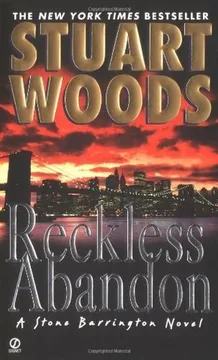
About the Author
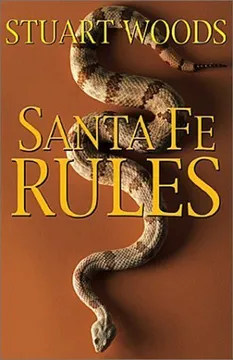
Other books by Stuart Woods




Download PDF
Download EPUB
.epub digital book format is ideal for reading ebooks on phones, tablets, and e-readers.








































