
Plot Summary
Treacherous Skies, Bloodied Decks
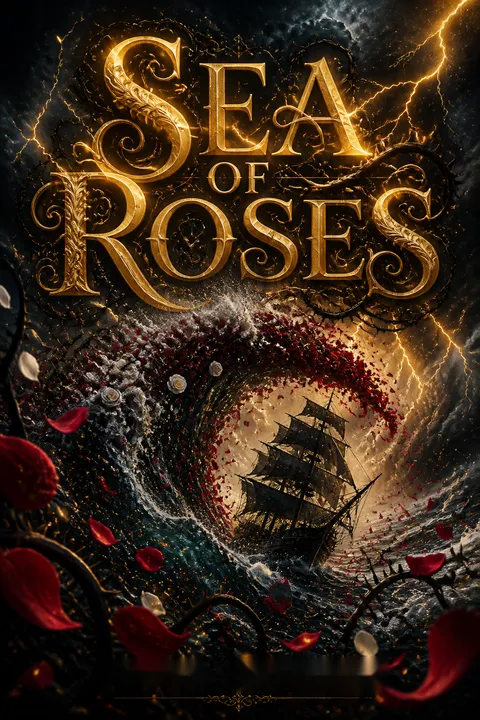
Captain Alister Paine, infamous for his ruthlessness, commands the Howling Death through tranquil seas, only to be ambushed by a seemingly weaker ship. Expecting an easy victory, Alister's confidence is shattered as his crew is overrun by a daring boarding maneuver. The battle is brutal, with blood and splinters flying, and Alister's men fall one by one. The chaos is heightened by the unexpected ferocity of the attackers, who lock his reinforcements below deck. Alister's world narrows to survival and vengeance as he fights to reclaim his ship, only to discover that the true threat is not brute force, but cunning and deception. The stage is set for a clash not just of swords, but of wits and wills.
The Damsel's Deception
Amidst the carnage, Alister learns of a terrified woman barricaded in the enemy captain's quarters. Expecting a traumatized victim, he storms the sinking ship and forcibly rescues her, only to be met with resistance and desperate pleas to be left behind. Her frailty and tears seem genuine, stirring a rare flicker of compassion in the hardened pirate. Yet, beneath her sobs and trembling, there is a glint of calculation. Alister, believing he's saved a broken soul, brings her aboard, promising safety and a return to her home port. But the woman's resolve and subtle manipulations hint at a deeper game, one that will soon turn the tables on her would-be savior.
Pirate Queen Revealed
The rescued woman, Rosetta, quickly upends expectations. In a stunning reversal, she reveals herself as the true captain of the attacking crew, orchestrating the entire takeover. With a pistol to Alister's head and her loyal men at her back, she offers his crew a choice: serve her or be cast into the sea. Her authority is cemented by swift, merciless action, and even Alister's most loyal men are forced to submit. Rosetta's leadership is not just a matter of force, but of wit and psychological mastery. She strips away Alister's power, humiliates him, and claims his ship as her own, setting a new course for both their fates.
A Ship Divided
Rosetta's command is met with suspicion and resistance from Alister's crew, who struggle to accept a woman as captain. She navigates the treacherous waters of mutiny and dissent with a blend of calculated cruelty and unexpected fairness, rewarding loyalty and punishing insubordination. Her own men, fiercely devoted, help enforce her rule, but the ship remains a powder keg of tension. Alister, bound and seething, plots his revenge, while Rosetta consolidates her power, determined to prove herself not just as a pirate, but as a leader worthy of fear and respect.
The Devil's Bargain
With the ship's supplies dwindling and the threat of further mutiny looming, Rosetta proposes a pragmatic alliance. She offers Alister and his officers a chance to join her in exchange for their expertise and the promise of future plunder. The arrangement is fraught with distrust, but necessity breeds cooperation. Together, they plan raids, share command, and begin to forge a new, if uneasy, unity. Yet beneath the surface, old grudges and simmering desires threaten to ignite, and both captains know that betrayal is only ever a heartbeat away.
Seduction and Surrender
The tension between Alister and Rosetta erupts into a battle of seduction and dominance. Their encounters are charged with violence and longing, each seeking to outmaneuver the other both in bed and on deck. Rosetta uses her sexuality as both weapon and shield, while Alister's pride and hunger drive him to reclaim control. Their relationship becomes a tempest of passion, manipulation, and grudging respect, blurring the lines between captor and captive, enemy and lover. Each tryst is a negotiation, each touch a test of wills, as they circle ever closer to mutual surrender.
Mutiny and Mercy
Rosetta's rule is challenged by a faction of the crew who refuse to accept her authority. A mutiny brews, threatening to tear the ship apart. She responds with ruthless efficiency, quelling dissent with both violence and mercy, offering her enemies a choice between loyalty and death. The ordeal hardens her resolve and earns her the grudging respect of some, but the cost is high. Alister, witnessing her strength and cunning, begins to see her not just as a rival, but as an equal. The ship, though battered, emerges united under her command, but the scars of betrayal linger.
Storms and Separation
A monstrous storm descends, testing the mettle of both captains and their crews. Amidst the chaos, the Howling Death and the newly christened Laughing Siren are separated, each fighting for survival against the wrath of the sea. Alister and Rosetta, torn apart by wind and wave, must rely on their own skills and the loyalty of their crews to endure. The storm becomes a crucible, forging new bonds and exposing hidden weaknesses. When the skies finally clear, both ships are changed, and the distance between their captains is more than just physical.
The Price of Freedom
In the aftermath of the storm, Rosetta faces a mutiny from the new crew she inherited. Her authority is challenged, and the cost of leadership becomes painfully clear. She is forced to allow a vote, risking everything she has fought for. The ordeal is compounded by personal loss, as her closest confidant, Mr Smith, is killed protecting her. The pain of his death and the betrayal of her crew weigh heavily, but Rosetta refuses to yield. She reasserts her command with blood and resolve, understanding that freedom on the sea is never given—it is seized and defended at great cost.
The Captain's Past
As the ships reunite, Alister and Rosetta share the stories that made them. Alister's rise from violence and loyalty to a dying captain, Rosetta's escape from an abusive marriage and her transformation from noblewoman to pirate queen—each tale is a confession and a challenge. Their vulnerabilities draw them closer, even as old wounds threaten to reopen. The revelation of Rosetta's true motivations and the ghosts that haunt her past force both captains to confront the price of survival and the meaning of trust on a lawless sea.
The Siren's Song
Rosetta's obsession with capturing the Laughing Siren, the ship inspired by her own laughter and built by her father, drives her every decision. The quest for the ship becomes a symbol of her need for autonomy and vengeance against those who wronged her. Alister, drawn into her pursuit, finds his own ambitions entangled with hers. Together, they plot and execute a daring assault on the fleet's flagship, risking everything for a prize that is both material and deeply personal. The victory is bittersweet, as triumph brings new dangers and old enemies.
Betrayal in the Storm
The alliance between Alister and Rosetta is tested by suspicion and necessity. As they navigate treacherous waters and shifting loyalties, each must decide how much to risk for the other. When Rosetta's ship is crippled by a lightning strike and she is forced to make impossible choices, the fragile trust between them is strained to breaking. Alister, too, must confront his own fears of vulnerability and loss. The storm outside mirrors the turmoil within, and both captains are left questioning whether partnership is possible in a world built on betrayal.
The Vote of Knives
Rosetta's authority is once again challenged by a mutinous faction, demanding a vote for a new captain. The confrontation is brutal, with threats and violence erupting on deck. Forced to defend her right to command, Rosetta faces the possibility of death or exile. The vote is tense, but her loyalists prevail. The aftermath is bloody, as she orders the execution of the mutineers, cementing her rule but at the cost of innocence and camaraderie. The lesson is clear: on the sea, power is always provisional, and every victory is paid for in blood.
Loss and Loyalty
The death of Mr Smith, Rosetta's surrogate father and steadfast supporter, devastates her. His sacrifice to save her life during the mutiny leaves a void that cannot be filled. Grief and guilt threaten to overwhelm her, but she finds solace in the loyalty of her remaining crew and the hard-won respect of her peers. The experience deepens her understanding of leadership and the burdens it entails. Alister, witnessing her pain, is moved to a rare tenderness, and their bond is strengthened by shared loss and the recognition of what it means to lead.
Counting the Cost
With the immediate threats subdued, Alister and Rosetta turn to the practicalities of piracy: dividing loot, repairing ships, and maintaining order. The process is fraught with suspicion and negotiation, as each captain seeks to protect their interests and assert their authority. The act of counting coins becomes a metaphor for the emotional and physical toll of their journey. Amidst the gold and silver, they confront the reality that every gain is shadowed by loss, and that the true cost of freedom is measured not just in treasure, but in scars and memories.
The Edge of Desire
The sexual tension between Alister and Rosetta reaches its zenith, culminating in a series of encounters that blur the line between pleasure and pain, dominance and submission. Their lovemaking is as fierce and unpredictable as the sea itself, each seeking to claim and be claimed. The intensity of their connection becomes both a source of strength and a potential weakness, as desire threatens to cloud judgment and undermine discipline. In the heat of their union, they glimpse the possibility of something more than rivalry or alliance—a partnership forged in fire.
The Unforgiving Sea
The sea, ever unpredictable, asserts its dominance over all human schemes. Storms, shipwrecks, and the constant threat of death remind both captains that their power is always contingent, their victories always temporary. The ocean is both adversary and home, shaping their destinies and demanding respect. In moments of calm and crisis alike, Alister and Rosetta are forced to reckon with their own limitations and the inexorable pull of the tides. The sea gives and takes without mercy, and only those who adapt survive.
New Horizons, Old Wounds
As the storm passes and the ships set sail for new adventures, Alister and Rosetta face an uncertain future. Their alliance, forged in conflict and consummated in passion, is both a promise and a threat. Old wounds linger, and the ghosts of the past are never far behind. Yet, amidst the uncertainty, there is hope—a sense that, together, they might chart a new course, not just for themselves, but for all who follow them. The horizon beckons, and with it, the possibility of redemption, revenge, and perhaps even love.
Analysis
A modern feminist pirate epic, Sea of Roses reimagines the swashbuckling adventure as a psychological and emotional crucible
At its heart, the novel is a story of survival, transformation, and the relentless pursuit of autonomy in a world that seeks to deny it. Through the intertwined journeys of Alister and Rosetta, the book interrogates traditional notions of power, gender, and leadership, offering a nuanced portrait of what it means to command and to be free. The narrative's use of deception, shifting alliances, and role reversals challenges readers to question their own assumptions about strength and vulnerability. The sea, both setting and symbol, serves as a constant reminder of the unpredictability of fate and the necessity of adaptation. Ultimately, Sea of Roses is a meditation on the costs and rewards of freedom, the pain of loss, and the possibility of connection amidst chaos. Its lessons are as relevant today as in any age: true power lies not in domination, but in the courage to face one's own fears, to trust, and to choose one's own destiny—even when the horizon is uncertain.
Review Summary
Sea of Roses receives praise for its entertaining enemies-to-lovers dynamic between two pirate captains, with many readers enjoying the witty, badass FMC Rosetta and the brooding MMC Alister. Reviewers frequently compare it to Pirates of the Caribbean and appreciate the slow-burn romance, spicy scenes, and adventurous plot. Common criticisms include unpolished writing that reads like a first draft, stilted dialogue, spelling errors, insufficient world-building, and overused miscommunication tropes. Despite its flaws, most readers found it entertaining enough to continue with the second book.
People Also Read







Characters
Alister Paine
Alister Paine is the archetype of the feared pirate: brutal, cunning, and fiercely independent. Scarred both physically and emotionally, he commands the Howling Death with an iron fist, earning loyalty through strength and calculated mercy. His past is marked by violence and loss, including the death of his mentor and the constant threat of mutiny. Alister's psychological armor is thick, but beneath it lies a man driven by a need for respect and a fear of vulnerability. His relationship with Rosetta is transformative, forcing him to confront his own limitations and desires. Over the course of the story, Alister evolves from a solitary predator to a reluctant partner, learning that true power sometimes lies in trust and compromise.
Rosetta Silver
Rosetta Silver is a master of deception and adaptability. Born into nobility but forged by trauma, she escapes an abusive marriage to become a pirate captain in her own right. Her intelligence, wit, and emotional resilience set her apart in a world dominated by men. Rosetta's leadership style blends ruthlessness with empathy, and she inspires fierce loyalty in her crew. Psychologically, she is driven by a need for autonomy and revenge, but also by a longing for connection and recognition. Her dynamic with Alister is a constant negotiation of power, desire, and vulnerability. Through loss, betrayal, and triumph, Rosetta emerges as a symbol of female agency and the cost of freedom.
Pierre Price
Pierre is Alister's first mate, known for his beauty, humor, and flirtatious nature. He is both a skilled sailor and a social chameleon, able to navigate the shifting allegiances of pirate life with grace. Pierre's loyalty to Alister is unwavering, but he is also drawn to Rosetta's charisma. Psychologically, Pierre masks his insecurities with bravado and humor, serving as both comic relief and a stabilizing force within the crew. His adaptability and charm make him indispensable, but he is also capable of surprising depth and insight.
Derek Von'tuken
Derek, with his peg leg and weathered face, is the embodiment of the seasoned pirate. As quartermaster, he is responsible for discipline and order, often serving as Alister's enforcer. His loyalty is hard-won, and he respects strength above all. Derek's gruff exterior hides a keen intelligence and a deep sense of responsibility for the crew's welfare. He is skeptical of Rosetta at first, but comes to respect her abilities. Psychologically, Derek is pragmatic, valuing survival and stability, but he is also capable of unexpected kindness.
Naeem
Naeem's journey from enslavement to trusted officer is a testament to his resilience and adaptability. He is fiercely loyal to Rosetta, having been freed by her and rising to become her first officer. Naeem's humor and warmth balance the harshness of pirate life, and he serves as both protector and confidant. His outsider status gives him a unique perspective on power and justice, and he is unafraid to challenge authority when necessary. Psychologically, Naeem is driven by gratitude, loyalty, and a desire for belonging, but he is also haunted by the traumas of his past.
Mr John Smith
Mr Smith is the ship's navigator and Rosetta's surrogate father. Once a businessman, he brings wisdom, patience, and a steady hand to the chaotic world of piracy. His relationship with Rosetta is deeply paternal, offering guidance and emotional support. Mr Smith's death is a pivotal moment, underscoring the cost of leadership and the pain of loss. Psychologically, he represents stability and the possibility of redemption, serving as a moral anchor for Rosetta and the crew.
Timmy Barnes
Timmy Barnes is the ringleader of the mutiny against Rosetta, embodying the resentment and misogyny of those who refuse to accept female authority. His challenge to Rosetta's rule is both personal and ideological, and his defeat is a testament to her strength and the loyalty she inspires. Psychologically, Timmy is driven by insecurity and a need for dominance, masking his fear with aggression. His fate serves as a warning about the dangers of unchecked ambition and prejudice.
Theodore Briggs
Theodore is Rosetta's former husband, a nobleman whose cruelty and violence drive her to piracy. His pursuit and eventual confrontation with Rosetta are central to her quest for freedom and vengeance. Theodore's psychological makeup is defined by entitlement, control, and denial, refusing to acknowledge his own guilt. His death at Rosetta's hands is both cathartic and tragic, marking the end of one chapter and the beginning of another.
Kent
Kent is a physically imposing member of Alister's crew, often serving as comic relief through his misadventures and blunders. His willingness to accept humiliation for the sake of camaraderie highlights the complex social dynamics of pirate life. Psychologically, Kent is simple, loyal, and good-natured, but also a reminder of the dangers of underestimating others.
Clint Darkley
Clint is the young son of the ship's cook, representing innocence and the hope for a better future. His presence on the ship is a reminder of the costs of piracy and the importance of mentorship. Clint's relationship with Rosetta and the crew is one of learning and growth, and his survival is a small victory amidst the chaos.
Plot Devices
Dual Protagonists and Shifting Power
The narrative is structured around the evolving relationship between Alister and Rosetta, two captains whose initial antagonism gives way to uneasy alliance and eventual intimacy. The shifting balance of power—both sexual and political—drives the plot, with each character forced to adapt, compromise, and confront their own limitations. The use of alternating perspectives deepens the psychological complexity, allowing readers to experience both the external conflicts and the internal struggles that define the story.
Deception, Disguise, and Role Reversal
Deception is a central motif, with characters constantly hiding their true intentions, identities, and vulnerabilities. Rosetta's initial masquerade as a helpless captive, her later revelation as a pirate queen, and the ongoing games of seduction and betrayal all hinge on the manipulation of perception. Role reversal is frequent: captor becomes captive, predator becomes prey, and gender expectations are subverted. These devices not only create suspense and surprise, but also challenge readers to question assumptions about power, gender, and agency.
Mutiny, Loyalty, and the Pirate Code
The threat of mutiny and the need for loyalty are recurring plot engines, reflecting the precarious nature of pirate society. The pirate code—both spoken and unspoken—serves as a framework for negotiation, justice, and retribution. Votes, challenges, and executions are not just plot points, but explorations of how communities maintain order in the absence of law. The tension between personal ambition and collective survival is embodied in the choices faced by both captains and their crews.
Storms and the Unforgiving Sea
The sea itself is a character, alternately nurturing and destructive. Storms, shipwrecks, and the constant threat of drowning serve as metaphors for the emotional and psychological turmoil of the characters. The unpredictability of nature mirrors the unpredictability of human relationships, and survival depends on adaptability, resilience, and luck. The sea's indifference to human schemes underscores the fragility of power and the inevitability of loss.
Treasure Hunts and Symbolic Quests
The pursuit of treasure—whether gold, ships, or freedom—drives the action, but the true stakes are always deeper. Each quest is a test of character, revealing strengths, weaknesses, and hidden desires. The search for the Laughing Siren, Dustin's trove, and other prizes becomes a metaphor for the search for identity, belonging, and redemption. The division of loot, the counting of coins, and the negotiation of shares all serve as reminders that every gain is shadowed by loss, and that the greatest treasures are often intangible.
A Pirate Romance Duology Series
About the Author






Download PDF
Download EPUB
.epub digital book format is ideal for reading ebooks on phones, tablets, and e-readers.








































