
Plot Summary
Storm's Aftermath and Betrayal
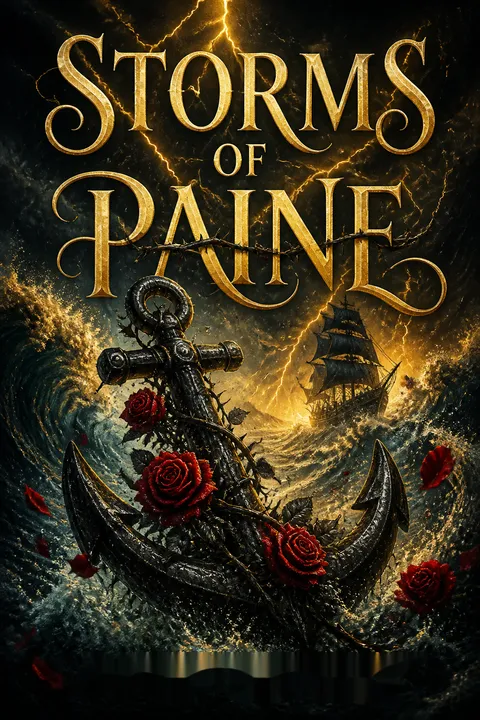
Captain Alister Paine and his pirate crew emerge from a brutal storm, only to discover their supplies have been stolen by Rosetta Silver, captain of the Laughing Siren. Alister's anger is palpable, not just at the theft but at the emotional sting of betrayal by a woman he thought he could outwit. Forced to dock at a dangerous port, he wrestles with pride and vulnerability, vowing revenge even as he recognizes the pain of being left behind. The Howling Death sails toward uncertainty, its captain's heart as turbulent as the seas, setting the stage for a confrontation that will test loyalties and desires.
The Laughing Siren's Fate
Alister's pursuit leads him to the Laughing Siren, beached and battered, its crew scattered and its decks eerily quiet. Expecting a fight, he finds instead a ship haunted by loss and illness. The revelation of a mutiny and Rosetta's mysterious absence upend his assumptions. The encounter is tense, with swords drawn and accusations flying, but the truth is more complicated than theft. The ship's wounds mirror those of its captain, and Alister's anger gives way to a reluctant empathy as he learns of the hardships Rosetta and her crew have endured.
Fever, Grief, and Comfort
Alister finds Rosetta bedridden, feverish, and grieving the loss of a beloved crew member. Their usual banter is subdued by exhaustion and sorrow. Alister, unexpectedly gentle, stays by her side, offering comfort rooted in his own childhood memories. The boundaries between anger and care blur as he tends to her, both of them wrestling with vulnerability. In the quiet of the cabin, grief and physical weakness strip away their defenses, exposing the fragile connections that bind them. The storm outside is replaced by the storm within, as both captains confront the cost of attachment.
Mutiny and Loss
Rosetta recounts the chaos of the mutiny: betrayal, death, and the near loss of her ship. The storm's destruction is compounded by human treachery, leaving her with a diminished, traumatized crew. Alister listens, torn between admiration for her ruthlessness and concern for her isolation. The aftermath is a reckoning—not just with the dead, but with the living, as both captains must decide who they can trust. The sea, once a place of freedom, becomes a crucible for grief and hard choices, forging a new, uneasy alliance between Alister and Rosetta.
Port of Temptations
The ships make port at Tortaya, a lawless city teeming with danger and vice. Alister and Rosetta navigate the temptations and threats of land: brothels, bounty hunters, and old flames. Their partnership is tested by jealousy, pride, and the ever-present lure of independence. Deals are struck in smoky taverns and opulent brothels, with both captains leveraging their wits and bodies to secure supplies and loyalty. The city's chaos mirrors their own tangled emotions, as pleasure and peril intermingle, and the boundaries between business and intimacy blur.
Brothel Deals and Old Ties
Rosetta seeks out Madame Lillian, a maternal figure and brothel owner, to secure a night of pleasure and rest for her weary crew. The reunion is bittersweet, dredging up memories of escape, survival, and the cost of freedom. Lillian's advice is laced with warnings about men and love, echoing Rosetta's own fears. The brothel becomes a sanctuary and a stage for negotiation, where debts are paid and favors exchanged. The night's festivities are shadowed by grief and longing, as Rosetta grapples with the ghosts of her past and the uncertain promise of her future with Alister.
Market Schemes and Rivalries
Alister and Rosetta join forces to sell their plunder in Tortaya's bustling markets. Their differing approaches—his blunt haggling, her sly manipulation—create both profit and friction. Old acquaintances and rivals surface, testing their trust and sparking jealousy. The day is a dance of deception and desire, with each captain trying to outwit the other and the world. Beneath the surface, deeper feelings simmer, threatening to erupt as business gives way to personal stakes. The market's chaos becomes a crucible for their partnership, forging new bonds even as old wounds are reopened.
Jealousy and Public Claims
In the tavern, Alister's jealousy flares as he witnesses Rosetta's flirtations with other men. Their rivalry spills into public, culminating in a possessive, passionate confrontation that blurs the line between anger and desire. The crew watches as their captains stake their claims, both on each other and on their shared future. The night is a whirlwind of drinking, gambling, and sexual tension, with boundaries tested and alliances reaffirmed. The emotional storm is as fierce as any at sea, leaving both captains raw and exposed.
Night of Revelations
Drunken confessions and intimate games strip away the last of Alister and Rosetta's defenses. In the privacy of a borrowed bed, they share stories of loss, longing, and the scars that shaped them. The night is both a reckoning and a release, as physical pleasure becomes a conduit for emotional truth. Old patterns are broken, and new promises are made, but the morning brings fresh complications. The cost of vulnerability is high, and both captains must decide what they are willing to risk for connection.
Counting Wounds and Wealth
The aftermath of celebration is a return to business: counting coins, dividing spoils, and planning the next voyage. The process is both tedious and intimate, a reminder of the practical realities that underpin their partnership. Yet beneath the surface, old wounds fester—grief, jealousy, and the fear of loss. The division of wealth becomes a metaphor for the division of trust, as both captains struggle to balance independence with interdependence. The sea calls, but so do the ghosts of the past.
The Price of Attachment
As the ships set sail again, the emotional stakes rise. Rosetta's growing attachment to her crew and to Alister becomes both a strength and a liability. The lessons of loss and betrayal linger, shaping every decision. Alister, too, is forced to confront the cost of caring, as his desire for control clashes with his need for connection. The journey becomes a test of resilience, as both captains learn that love—like the sea—is as dangerous as it is alluring.
Departures and Goodbyes
Fearing the vulnerability that comes with love, Rosetta makes a fateful decision to leave Alister, slipping away in the night with only a token left behind. Her departure is both an act of self-preservation and a wound inflicted on them both. Alister's rage and heartbreak propel him on a relentless chase across oceans, determined to find answers—or closure. The separation is a crucible for both, forcing them to confront the truths they have tried to deny.
The Mansion's Ghosts
Rosetta returns to Luxor, the site of her greatest traumas, to reclaim her inheritance and settle old scores. The mansion is both a sanctuary and a prison, filled with memories of violence and survival. Surrounded by loyal crew and new allies, she prepares for a final reckoning—with her past, with her fears, and with the possibility of a new life. The ghosts of the mansion are laid to rest, but the scars remain.
Hiding, Healing, and Running
In Luxor, Rosetta gives birth to a son, hiding both herself and her child from the world—and from Alister. The responsibilities of motherhood are compounded by the ever-present threat of discovery. Healing is slow, both physically and emotionally, as Rosetta grapples with guilt, fear, and the longing for what she left behind. The sea beckons, but so does the need for safety. The choice to run is both a sacrifice and an act of love.
The Chase Across Oceans
Alister's search for Rosetta becomes an all-consuming quest, driving him across continents and through every port in the northern hemisphere. His obsession is fueled by love, anger, and the need for answers. Each false lead is a fresh wound, but hope persists. The chase is both a test of endurance and a journey of self-discovery, as Alister confronts the depths of his own heart and the lengths he will go for love.
Reunion and Reckoning
The inevitable confrontation arrives as Alister finally catches up to Rosetta at sea. Their reunion is explosive—swords drawn, accusations hurled, and truths demanded. The battle is both physical and emotional, as old wounds are reopened and new ones inflicted. The presence of their child forces both to confront the consequences of their choices. Forgiveness is hard-won, and the path to reconciliation is fraught with pain and vulnerability.
Truths, Tears, and Forgiveness
In the aftermath of their confrontation, Rosetta's secrets are revealed: the child, the fear, the love she tried to deny. Alister's anger gives way to understanding, and both are forced to reckon with the scars they carry. Tears are shed, apologies offered, and forgiveness tentatively extended. The process is messy and imperfect, but it marks the beginning of true healing. Together, they face the future—not as adversaries, but as partners and parents.
New Beginnings at Sea
With old wounds mended and new bonds forged, Alister and Rosetta set sail together, joined by their son and a loyal crew. Their marriage is both a celebration and a promise: to face whatever storms may come, together. The sea remains wild and unpredictable, but so does love. As their family grows and their legend spreads, they learn that the greatest treasure is not gold, but the hard-won joy of belonging—to each other, and to the life they have chosen.
Analysis
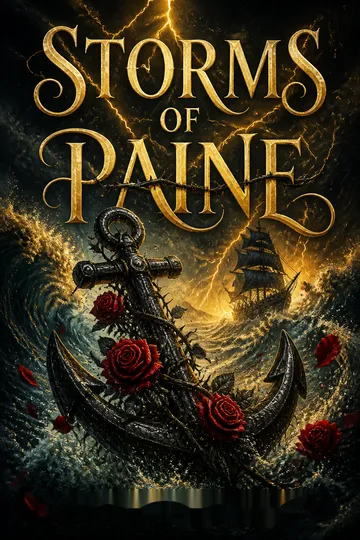
A modern tale of trauma, trust, and transformationStorms of Paine is more than a pirate romance; it is a meditation on the costs and rewards of vulnerability in a world that equates strength with isolation. Through the intertwined journeys of Alister and Rosetta, the novel explores how trauma shapes identity, how love can be both a wound and a salve, and how true partnership requires the courage to risk everything. The story's blend of action, sensuality, and psychological depth speaks to contemporary anxieties about intimacy, autonomy, and the legacy of pain. By foregrounding the messy, nonlinear process of healing—and by refusing to offer easy answers—the book invites readers to consider the possibility of redemption, not as a return to innocence, but as the hard-won result of surviving, choosing, and loving in spite of it all. The ultimate lesson is that freedom and belonging are not opposites, but interdependent: to be truly free is to risk being known, and to be truly loved is to be chosen, again and again, even after the storm.
Review Summary
Storms of Paine receives an overall positive reception, averaging 4.22 stars. Many readers praise the improved writing quality, compelling character development, and chemistry between Rosetta and Alister. The romance and spice are frequently highlighted as standouts. However, some critics find the pacing slow, with excessive filler scenes, and take issue with Alister's controlling, abusive behavior toward Rosetta. The pregnancy/secret baby trope and miscommunication plot devices drew mixed reactions, while the ending and epilogue were generally well-received, if occasionally considered rushed.
People Also Read






Characters
Alister Paine
Alister Paine is the infamous captain of the Howling Death, a man whose reputation for violence and cunning is matched only by his deep-seated loneliness. Scarred physically and emotionally, he hides vulnerability behind bravado and cruelty, refusing to let anyone close. His relationship with Rosetta is a battlefield of pride, desire, and fear of attachment. Alister's journey is one of reluctant self-discovery: learning to trust, to care, and ultimately to love. His possessiveness masks a desperate need for connection, and his transformation is marked by moments of unexpected tenderness and self-sacrifice. The birth of his son and his reconciliation with Rosetta force him to confront the possibility of redemption and the hope of a new legacy.
Rosetta Silver
Rosetta is a woman forged by trauma and betrayal, a former noble turned pirate captain of the Laughing Siren. Her wit and resourcefulness are her shields, and she uses lies and seduction as weapons to navigate a world that has repeatedly tried to break her. Haunted by loss and fiercely protective of her autonomy, she fears the vulnerability that comes with love. Her relationship with Alister is a dance of defiance and longing, as she tests the boundaries of trust and self-preservation. Motherhood brings new challenges, forcing her to confront old wounds and the possibility of healing. Rosetta's arc is one of reclaiming agency, learning to accept love, and daring to hope for a future beyond survival.
Naeem
Naeem is Rosetta's right hand, a man whose loyalty is unwavering and whose strength is both physical and emotional. He is a stabilizing force amid chaos, offering counsel, protection, and humor. His history with Rosetta is rooted in shared hardship and mutual respect. Naeem's presence is a reminder of the importance of chosen family, and his willingness to challenge both captains when necessary speaks to his integrity. He is a bridge between past and present, helping Rosetta heal and adapt as her world changes.
Pierre
Pierre is Alister's first mate, a man whose wit and charm mask a keen intelligence and deep loyalty. He is both confidant and provocateur, often pushing Alister to confront uncomfortable truths. Pierre's flirtations and schemes provide levity, but his role as mediator and advisor is crucial. He navigates the shifting dynamics between Alister and Rosetta with tact and humor, serving as both matchmaker and reality check. His own longing for connection is hinted at, but his primary function is to keep the crew—and the captains—grounded.
Madame Lillian
Lillian is the owner of Tortaya's most prestigious brothel and a surrogate mother to Rosetta. Her wisdom is hard-won, shaped by a life of loss, resilience, and pragmatism. She offers Rosetta both comfort and caution, urging her to guard her heart while also providing sanctuary and support. Lillian's own history of love and betrayal informs her advice, and her relationship with Alister adds layers of complexity. She embodies the theme of found family and the enduring strength of women in a brutal world.
Derek
Derek is the seasoned helmsman of the Howling Death, a man whose gruff exterior hides a wealth of knowledge and a dry sense of humor. He is a stabilizing presence, respected by both crew and captain. Derek's pragmatism and loyalty are unwavering, and his willingness to challenge Alister when necessary speaks to his importance within the hierarchy. He represents the old guard, a link to the traditions and codes of the sea.
Mr. Andrews
Mr. Andrews steps into the role of helmsman after the loss of Mr. Smith, bringing competence and quiet strength to Rosetta's crew. He is adaptable, reliable, and respected, providing stability during times of upheaval. His relationship with Rosetta is professional but warm, and his presence helps bridge the gap between old and new loyalties. He embodies the theme of resilience and the importance of community.
Elizabeth
Elizabeth is a former maid who joins Rosetta's crew, bringing a sense of innocence and vulnerability to the hardened world of pirates. Her adjustment to life at sea is a microcosm of the larger themes of adaptation and chosen family. Elizabeth's role as caretaker for Rosetta's child highlights the importance of support networks and the possibility of new beginnings.
Adrian Paine
Adrian is the son of Alister and Rosetta, a child born of passion, pain, and hope. His presence forces both parents to confront their fears and desires, serving as a catalyst for reconciliation and growth. Adrian represents the possibility of breaking cycles of violence and abandonment, embodying the hope for a future shaped by love rather than loss.
The Laughing Siren
More than just a vessel, the Laughing Siren is a character in its own right—a repository of memories, losses, and dreams. Its fate mirrors that of its captain, battered by storms and betrayal but ultimately resilient. The ship's journey is a metaphor for survival, transformation, and the search for home.
Plot Devices
Dual Protagonist Structure
The narrative alternates between Alister and Rosetta's points of view, allowing readers to experience the story's events—and the characters' emotional arcs—from both sides. This structure creates dramatic irony, as each character's misunderstandings and hidden vulnerabilities are revealed to the reader before they are to each other. The dual perspective heightens tension, fosters empathy, and underscores the central theme: that love and trust are hard-won, often misunderstood, and always risky.
Symbolic Objects and Spaces
The Howling Death and the Laughing Siren are more than settings—they are extensions of their captains' psyches, representing freedom, trauma, and the possibility of transformation. Objects like Alister's ring, Rosetta's pistol, and the family crest eyepatch serve as tangible symbols of legacy, trust, and vulnerability. Scars—both physical and emotional—are recurring motifs, marking the cost of survival and the possibility of healing.
Foreshadowing and Repetition
Early betrayals and losses foreshadow later separations and reconciliations, creating a sense of inevitability and cyclical struggle. Repeated phrases, gestures, and conflicts (such as the act of leaving, the struggle for control, and the sharing of secrets) reinforce the story's central questions: Can love survive betrayal? Can trust be rebuilt? The repetition of storms—literal and metaphorical—serves as both a plot engine and a symbol of the characters' internal turmoil.
Thematic Juxtaposition
The story constantly juxtaposes brutality with vulnerability, independence with longing, and survival with the risk of love. Scenes of violence are often followed by moments of unexpected gentleness, highlighting the characters' complexity and the high stakes of emotional intimacy. The tension between freedom and attachment is embodied in the push-pull dynamic between Alister and Rosetta, whose greatest strengths are also their greatest fears.
Found Family and Chosen Loyalty
The crews of both ships function as surrogate families, offering support, challenge, and belonging in a world that punishes vulnerability. Loyalty is earned, not given, and the process of building trust—between captains, between crew, and within oneself—is central to the narrative. The ultimate reconciliation between Alister and Rosetta is not just a personal victory, but a communal one, as their union reshapes the lives of everyone around them.
A Pirate Romance Duology Series
Download PDF
Download EPUB
.epub digital book format is ideal for reading ebooks on phones, tablets, and e-readers.








































