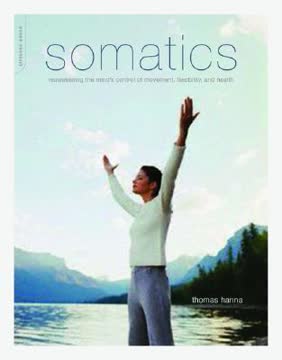
Key Takeaways
1. 感觉运动性遗忘症:年龄相关身体衰退的根源
“感觉运动性遗忘症(SMA)是对某些肌肉群感觉及其控制方式的记忆丧失。”
无意识的肌肉紧张。 感觉运动性遗忘症是许多传统上归因于衰老的身体限制的主要原因。它发生在大脑失去对某些肌肉群的有意识控制时,导致慢性、无意识的肌肉收缩。
可逆的状况。 与结构性退化不同,SMA是一种功能性问题,可以通过针对性的练习和觉察加以改善。这一认识挑战了身体衰退是衰老不可避免部分的传统观念。
压力与创伤。 SMA常因长期压力或创伤事件而形成。大脑通过让某些肌肉群持续收缩来适应这些经历,最终忘记了如何自愿放松它们。
2. 红灯反射:理解撤退反应
“红灯反射是对痛苦事件的反应,是对威胁我们的负面事件——从模糊的不安到难以消除的焦虑,再到明显的危险——的一种保护性反应。”
保护机制。 红灯反射是一种原始的生存反应,使身体收缩并撤退。它由压力、恐惧和焦虑触发,导致典型的驼背姿势。
身体表现:
- 腹部肌肉紧绷
- 呼吸浅短
- 肩膀前倾
- 头部前伸
- 胸部压缩
长期影响。 当这种反射因慢性压力而成为习惯时,可能引发多种健康问题,包括:
- 慢性疼痛
- 消化系统问题
- 呼吸障碍
- 心血管负担加重
3. 绿灯反射:识别行动反应
“绿灯反射具有积极进取的特性,其功能是促进行动,同样具有适应性。一种让我们停下,另一种让我们前进。”
以行动为导向的反应。 绿灯反射与红灯反射相反,准备身体进入行动状态,关联于动力和目标导向的行为。
身体特征:
- 下背部拱起
- 背部肌肉收缩
- 胸部抬起
- 颈部伸展
潜在问题。 虽然行动所需,但当此反射变为慢性时,可能导致:
- 下背痛
- 脊椎间盘受压
- 持续肌肉紧张引起的疲劳
平衡为关键。 红灯和绿灯反射对生存和日常功能都至关重要。问题在于它们一旦成为无意识的习惯,就会引发慢性肌肉紧张和疼痛。
4. 创伤反射:伤害如何影响身体对齐
“创伤反射是感觉运动系统为防止疼痛而产生的反应。”
保护性适应。 创伤反射是身体防护疼痛和进一步伤害的方式,常表现为身体倾斜或不对称姿势,以避免对受伤部位施加压力。
持久影响。 即使伤口愈合,创伤反射仍可能持续,导致:
- 慢性肌肉失衡
- 步态模式改变
- 其他部位的代偿性疼痛
识别至关重要。 发现创伤反射是解决其影响的第一步,通常表现为站立或行走时身体明显倾斜或偏向一侧。
5. 身体练习:重新唤醒身心连接
“身体练习通过改变中枢神经系统来改变你的肌肉系统。”
以大脑为中心的方法。 身体练习旨在重新教育大脑对肌肉的控制,而非单纯拉伸或强化肌肉。这种方法直击SMA的根源。
核心原则:
- 缓慢、温和的动作
- 关注内在感受
- 觉察肌肉的收缩与放松
- 由简入繁的渐进学习
益处:
- 增强身体觉察
- 改善肌肉控制
- 减轻慢性疼痛
- 提升柔韧性和活动范围
- 改善姿势和平衡
6. 衰老的迷思:挑战传统身体衰退观念
“年龄从未伤害过任何人,也从未夺走过一个生命。伤害和死亡源于衰老过程中发生的事情。”
重新定义衰老。 本书挑战了身体衰退是衰老必然结果的传统观念,认为许多年龄相关问题源于积累的压力、创伤及习得的运动和姿势模式。
改善的可能。 与普遍看法相反,人体具备在晚年维持甚至提升功能的潜力,这种潜力往往被SMA限制,而非真正的身体退化。
观念转变。 理解许多年龄相关的身体问题是功能性而非结构性,为任何年龄段的改善打开了可能。这种转变促使人们采取更积极有效的身体健康维护方法。
7. 期望与心态:对身体健康的影响
“期望引领我们从现在走向未来,犹如船首破浪前行。”
自我实现的预言。 我们对衰老和身体衰退的期望会显著影响实际体验。消极期望会促使行为和态度加剧身体限制。
信念的力量:
- 积极期望激励健康行为
- 相信改善的可能增强练习和治疗效果
- 成长心态促使持续学习和适应,即使在晚年
改变叙事。 通过挑战社会对衰老的迷思,采纳更积极、成长导向的视角,个体能激发更大的身体健康潜能。
8. 觉察的力量:重新掌控你的身体
“仅将人体视为第三者的外在躯体,无异于把人看作可被化学和手术工程改变的木偶。”
内在视角。 本书强调发展对自身身体的内在觉察,而非仅依赖外部观察或诊断的重要性。
身体觉察的关键方面:
- 关注肌肉紧张与放松的细微感受
- 识别习惯性运动模式
- 有意识地控制以往自动的反应
通过觉察获得力量。 增强身体觉察使人能够:
- 发现并处理紧张或不适部位
- 做出更明智的运动和姿势选择
- 积极参与自身身体健康管理
9. 每日“猫式伸展”:维持身体健康
“每天清晨花五分钟做‘猫式伸展’,足以巩固大脑所学,避免感觉运动性遗忘症的发生。”
持续练习。 每日“猫式伸展”是一套简短的日常程序,用以维持更全面身体练习带来的益处,提醒大脑保持正确的肌肉控制和身体觉察。
核心要素:
- 针对主要肌群的温和动作
- 关注内在感受与控制
- 逐步调动全身的运动模式
规律练习的好处:
- 维持柔韧性和活动范围
- 巩固正确的肌肉控制
- 预防SMA的复发
- 每日与身体的良好连接
- 为全天的身体健康奠定积极基础
Review Summary
托马斯·汉纳的《身体学》因其开创性的身体觉察与疼痛缓解方法而备受赞誉。读者普遍认可汉纳关于通过简单练习克服年龄带来身体限制的见解,许多人反馈在柔韧性、姿势和慢性疼痛方面均有显著改善。该书因通俗易懂而受到好评,尽管部分读者认为练习图示不够清晰。评论者指出内容存在重复,且部分主张较为极端。总体而言,评论者认为这本书极具改变生活的力量,尤其适合那些长期受身体问题困扰或希望随着年龄增长保持身体机能的人群。
People Also Read
FAQ
1. What is "Somatics: Reawakening The Mind's Control Of Movement, Flexibility, And Health" by Thomas Hanna about?
- Core Premise: The book explores how much of the physical decline associated with aging—such as stiffness, pain, and loss of flexibility—is not inevitable, but rather the result of learned, unconscious muscular habits.
- Somatic Education: Hanna introduces the concept of "somatics," a field focused on sensory-motor awareness and re-education to restore voluntary control over muscles.
- Practical Program: The book provides a series of somatic exercises designed to help readers regain control over their bodies, reduce pain, and improve movement.
- Myth of Aging: Hanna challenges the traditional belief that aging necessarily leads to physical deterioration, arguing that many symptoms attributed to aging are actually reversible.
2. Why should I read "Somatics" by Thomas Hanna?
- Empowerment Over Aging: The book offers a hopeful, science-based alternative to the myth that aging must mean decline, showing readers how to maintain or even improve physical function as they age.
- Practical Tools: Readers gain access to a set of easy-to-follow exercises that can be incorporated into daily life to reduce pain and increase flexibility.
- Holistic Perspective: Hanna bridges the gap between mind and body, emphasizing the importance of self-awareness and self-responsibility in health.
- Broad Appeal: The book is accessible to both laypeople and health professionals, making it valuable for anyone interested in movement, health, or aging.
3. What are the key takeaways from "Somatics" by Thomas Hanna?
- Sensory-Motor Amnesia (SMA): Many chronic pains and movement limitations are due to SMA, a loss of voluntary control over certain muscle groups, not structural damage or inevitable aging.
- Reversibility: SMA and its effects can be unlearned and reversed at any age through somatic education and specific exercises.
- Three Reflexes: The Red Light, Green Light, and Trauma reflexes are key patterns of muscular response to stress and injury, and understanding them is crucial for regaining control.
- Self-Responsibility: True health improvement comes from internal education and awareness, not just external medical interventions.
4. How does Thomas Hanna define "somatics" in "Somatics"?
- First-Person Experience: "Somatics" refers to the first-person, internal experience of the body, as opposed to the third-person, external view of the "body" as an object.
- Living Body Concept: The term "soma" is used to describe the living, self-sensing, self-moving aspect of a person, emphasizing subjective awareness.
- Somatic vs. Bodily Problems: Hanna distinguishes between somatic (functional, internal, and reversible) and bodily (structural, external, and often treated with surgery or drugs) problems.
- Importance of Awareness: Somatic education is about increasing awareness and voluntary control over bodily functions, leading to improved health and movement.
5. What is "sensory-motor amnesia" (SMA) according to "Somatics" by Thomas Hanna?
- Definition: SMA is a condition where the brain loses voluntary control and awareness of certain muscle groups due to habituated, unconscious contraction patterns.
- Causes: It can result from stress, trauma, injury, or simply the gradual adaptation to modern life and aging.
- Symptoms: People with SMA experience chronic pain, stiffness, limited movement, and distorted posture, often misattributed to aging or structural problems.
- Reversibility: SMA is not permanent; it can be unlearned through somatic exercises that retrain the brain to sense and control the affected muscles.
6. What are the Red Light, Green Light, and Trauma reflexes in "Somatics" by Thomas Hanna?
- Red Light Reflex: Also called the withdrawal response, it involves contraction of the front body muscles in reaction to stress or fear, leading to stooped posture and shallow breathing.
- Green Light Reflex: Known as the action response, it involves contraction of the back muscles in response to the need for action or responsibility, often resulting in swayback and lower back pain.
- Trauma Reflex: Triggered by injury or trauma, it causes one-sided muscular contraction, leading to tilting, limping, or scoliosis.
- Role in SMA: These reflexes, when habituated, are the primary sources of sensory-motor amnesia and the resulting physical symptoms.
7. How does "Somatics" by Thomas Hanna challenge the myth of aging?
- Not Inevitable Decline: Hanna argues that most physical decline attributed to aging is actually due to learned muscular habits and SMA, not unavoidable biological deterioration.
- Evidence from Case Studies: The book presents multiple case histories where individuals of various ages reversed chronic pain and regained function through somatic education.
- Scientific Support: Hanna references research showing that physical activity and sensory-motor awareness can maintain or improve function well into old age.
- Positive Expectation: The book emphasizes the power of expectation and self-image in shaping physical outcomes as we age.
8. What is the somatic exercise program in "Somatics" by Thomas Hanna, and how does it work?
- Eight Core Lessons: The program consists of eight progressive movement lessons targeting the back, stomach, waist, trunk rotation, hips, neck, breathing, and walking.
- Focus on Awareness: Exercises are performed slowly and mindfully, with attention to internal sensations, to retrain the brain’s control over muscles.
- Daily "Cat Stretch": A short, daily maintenance routine is recommended to reinforce new patterns and prevent SMA from returning.
- Self-Education: The exercises are designed to be self-taught, empowering individuals to take charge of their own physical health.
9. What practical advice does Thomas Hanna give for getting the most out of the somatic exercises in "Somatics"?
- Move Slowly and Gently: Slow, gentle movements allow the brain to notice and relearn control over muscles.
- Focus on Sensation: Pay close attention to internal sensations during each exercise, rather than external appearance or force.
- Avoid Forcing Movements: Forcing or straining can reinforce SMA; instead, use minimal effort and never push into pain.
- Consistency and Patience: Regular, patient practice is key to lasting change, and progress should be measured by increased comfort and control, not speed or strength.
10. What are some of the most important case studies or stories in "Somatics" by Thomas Hanna, and what do they illustrate?
- Barney (42): Chronic hip pain and imbalance resolved by retraining muscle control after an old injury, illustrating the reversibility of SMA.
- James (32): Severe lower back pain and "disk degeneration" reversed through somatic exercises, showing that structural diagnoses can mask functional problems.
- Louise (56): "Frozen shoulder" after surgery healed by regaining voluntary control, not through further medical intervention.
- Harley (60) and Alexander (81): Both overcame long-standing postural and movement issues, demonstrating that age is not a barrier to improvement.
- Lesson: These stories collectively show that functional, not structural, issues are often at the root of chronic pain and can be addressed through somatic education.
11. What are the best quotes from "Somatics" by Thomas Hanna and what do they mean?
- "Function maintains structure." – Emphasizes that regular use and control of the body’s functions preserve its health and form.
- "Sensory-motor amnesia is a pathology that is neither medical nor surgical, and it cannot be diagnosed or treated within these traditions." – Highlights the need for a new approach (somatic education) beyond conventional medicine.
- "As we grow older, our bodies—and our lives—should continue to improve, right up until the very end." – Challenges the myth of inevitable decline with age.
- "The human species, possessed with a brain whose genius is unlimited learning and adaptation, is a species that is genetically designed to age by growing." – Suggests that growth and improvement are possible throughout life.
12. What are the broader implications of "Somatics" by Thomas Hanna for health, education, and society?
- Redefining Health: The book proposes a shift from passive, treatment-based health care to active, self-educational approaches that empower individuals.
- Educational Reform: Hanna suggests that early training in sensory awareness and motor control could dramatically reduce public health problems.
- Mind-Body Integration: The somatic viewpoint bridges the gap between subjective experience and objective science, advocating for a more holistic understanding of human beings.
- Aging and Society: By dispelling the myth of aging, the book envisions a society where older adults remain active, capable, and valued for their experience and wisdom.
Download PDF
Download EPUB
.epub digital book format is ideal for reading ebooks on phones, tablets, and e-readers.








































