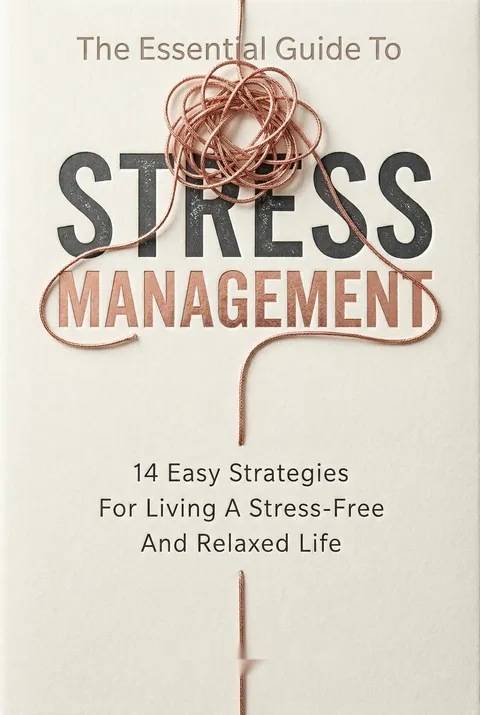
Key Takeaways
1. Understanding Stress: The Body's Natural Response
"Stress is a completely normal reaction of our bodies to certain changes including emotional, physical or mental changes we encounter."
Stress as a survival mechanism. Stress is not inherently negative; it's a natural bodily response designed to help us cope with challenges and threats. This "fight or flight" mechanism prepares our body to either confront or escape from perceived dangers.
Physiological changes. When stressed, our body releases hormones like adrenaline and cortisol, which trigger various physical responses:
- Increased heart rate and blood pressure
- Heightened muscle preparedness
- Enhanced alertness
- Increased sweating
While these responses can be beneficial in short-term, crisis situations, prolonged activation of the stress response can lead to various health issues.
2. Recognizing Different Types of Stress and Their Impact
"Chronic stress is the grinding stress which wears individuals away day by day."
Three main types of stress:
- Acute stress: Short-term, immediate reaction to a new challenge
- Episodic acute stress: Frequent occurrences of acute stress
- Chronic stress: Long-term, persistent stress
Impact of chronic stress. Chronic stress can have severe consequences on both physical and mental health:
- Increased risk of cardiovascular diseases
- Weakened immune system
- Higher susceptibility to mental health issues like anxiety and depression
- Impaired cognitive functions, including memory and concentration
Understanding these different types of stress and their potential impacts is crucial for developing effective stress management strategies.
3. Identifying Personal Stress Triggers and Symptoms
"The very first step when it comes to stress management is recognizing what stress is and different stress symptoms."
Recognizing stress triggers. Stress triggers can be both external and internal:
- External triggers: Work pressures, financial issues, relationship problems
- Internal triggers: Perfectionism, negative self-talk, unrealistic expectations
Common stress symptoms:
- Physical: Headaches, muscle tension, fatigue, sleep disturbances
- Emotional: Irritability, anxiety, mood swings, feeling overwhelmed
- Cognitive: Difficulty concentrating, forgetfulness, indecisiveness
- Behavioral: Changes in eating habits, procrastination, increased use of alcohol or drugs
Keeping a stress journal can help identify personal stress patterns and triggers, enabling more effective stress management.
4. The Power of Regular Exercise in Stress Management
"Regular exercise, in fact, can help you lift your mood as well as provide that much-needed distraction from worries."
Exercise as stress relief. Physical activity is a powerful stress-buster:
- Releases endorphins, the body's natural mood elevators
- Provides a distraction from daily worries
- Improves overall physical health, increasing resilience to stress
Incorporating exercise into daily routine:
- Aim for at least 30 minutes of moderate exercise daily
- Choose activities you enjoy: walking, swimming, dancing, or team sports
- Start small and gradually increase intensity and duration
Remember, any physical activity is better than none. Even short bursts of exercise throughout the day can have cumulative benefits for stress reduction.
5. Nutrition's Role in Combating Stress
"A balanced diet rich with vegetables and fruits will help you maintain your immune system during those crisis time while eating a poor diet leads to additional stress and ill health in general."
Stress-fighting nutrition. A well-balanced diet is crucial for managing stress:
- Rich in fruits and vegetables: Provide essential vitamins and antioxidants
- Omega-3 fatty acids: Found in fish, flaxseeds, and walnuts, can help reduce stress symptoms
- Complex carbohydrates: Help regulate serotonin, a mood-stabilizing neurotransmitter
Foods to avoid:
- Caffeine and alcohol: Can exacerbate stress and anxiety
- Refined sugars: Lead to energy crashes and mood swings
- Processed foods: Often lack essential nutrients and can contribute to inflammation
Meal planning and preparation can help ensure a balanced diet and prevent resorting to unhealthy, stress-inducing food choices during busy or stressful times.
6. Building a Strong Support Network
"Having a good support group or having a good network or close friends, family members or colleagues can be of great importance when it comes to tackling stress."
The power of social connections. A strong support network is crucial for managing stress:
- Provides emotional support during difficult times
- Offers different perspectives on problems
- Creates opportunities for stress-relieving activities and laughter
Building and maintaining relationships:
- Regular communication with friends and family
- Joining clubs or groups aligned with your interests
- Volunteering in your community
- Seeking professional help when needed
Remember, quality is more important than quantity when it comes to relationships. Focus on nurturing meaningful connections that provide mutual support and understanding.
7. The Importance of Self-Care and Personal Time
"You need to set time aside every day for yourself. You can use this time to organize your stuff, to relax or to pursue interests you may have."
Prioritizing self-care. Making time for yourself is essential for stress management:
- Allows for relaxation and recharging
- Provides opportunities for self-reflection and personal growth
- Helps maintain a healthy work-life balance
Self-care activities:
- Engaging in hobbies or creative pursuits
- Reading or listening to music
- Practicing mindfulness or meditation
- Taking relaxing baths or getting massages
Remember that self-care is not selfish; it's necessary for maintaining your mental and emotional well-being, which in turn allows you to be more present and effective in your relationships and responsibilities.
8. Embracing Self-Love and Acceptance
"Loving and accepting yourself sometimes is the hardest thing to learn or to do in life."
Cultivating self-compassion. Self-love and acceptance are crucial for stress resilience:
- Reduces self-criticism and negative self-talk
- Enhances emotional well-being and self-esteem
- Improves overall life satisfaction and happiness
Practices for self-love:
- Positive affirmations and self-talk
- Acknowledging and celebrating personal achievements
- Practicing gratitude for your unique qualities and experiences
- Setting healthy boundaries in relationships and work
Remember that self-love is a journey, not a destination. Be patient with yourself and celebrate small progress along the way.
9. The Crucial Role of Quality Sleep in Stress Reduction
"If you get around eight hours of sleep every day, you will feel less stressed out, you will have more energy and you will be able to concentrate and focus better on those upcoming tasks."
Sleep and stress connection. Quality sleep is essential for stress management:
- Allows the body and mind to recover from daily stressors
- Regulates mood and emotional responses
- Improves cognitive function and decision-making abilities
Improving sleep quality:
- Maintain a consistent sleep schedule
- Create a relaxing bedtime routine
- Ensure a comfortable sleep environment (dark, quiet, cool)
- Limit screen time before bed
- Avoid caffeine and heavy meals close to bedtime
Prioritizing sleep is not a luxury but a necessity for maintaining overall health and resilience against stress.
10. Effective Relaxation Techniques: Breathing and Progressive Muscle Relaxation
"With this progressive muscle relaxation technique, you have to tense up some of your tense muscles and then gently relax them."
Power of relaxation techniques. Breathing exercises and progressive muscle relaxation can effectively reduce stress:
- Activate the body's relaxation response
- Lower heart rate and blood pressure
- Reduce muscle tension and physical symptoms of stress
Simple breathing exercise:
- Sit or lie comfortably
- Breathe deeply into your belly
- Exhale slowly, focusing on the sensation
- Repeat for 3-5 minutes
Progressive Muscle Relaxation:
- Tense a muscle group for 5 seconds
- Relax the muscles for 10 seconds
- Move to the next muscle group
- Repeat for all major muscle groups
Regular practice of these techniques can lead to better stress management and overall well-being.
11. Harnessing the Benefits of Meditation and Mindfulness
"Mindfulness meditation which teaches you how to stop worrying about the future, how to stop dwelling in the past and how to simply focus on those moments which are happening in the current moment."
Meditation for stress relief. Mindfulness and meditation offer powerful tools for managing stress:
- Reduces anxiety and negative emotions
- Improves focus and concentration
- Enhances self-awareness and emotional regulation
Getting started with meditation:
- Find a quiet, comfortable space
- Set a timer for 5-10 minutes
- Focus on your breath or a specific object
- Gently redirect your attention when your mind wanders
- Gradually increase duration as you become more comfortable
Remember, consistency is key. Even short daily sessions can yield significant benefits over time.
12. Exploring Alternative Stress-Relief Practices: Yoga and Tai Chi
"Yoga involves both stationary and moving poses with some combined deep breathing techniques which can help individuals reduce their anxiety, depression and stress levels."
Mind-body practices. Yoga and Tai Chi offer unique benefits for stress management:
- Combine physical movement with mindfulness
- Improve flexibility, balance, and strength
- Promote relaxation and mental clarity
Benefits of regular practice:
- Reduced muscle tension and physical stress symptoms
- Improved mood and emotional well-being
- Enhanced body awareness and mindfulness
- Better sleep quality
These practices can be adapted to various fitness levels and can be particularly beneficial for those who find traditional meditation challenging.
Download PDF
Download EPUB
.epub digital book format is ideal for reading ebooks on phones, tablets, and e-readers.








































