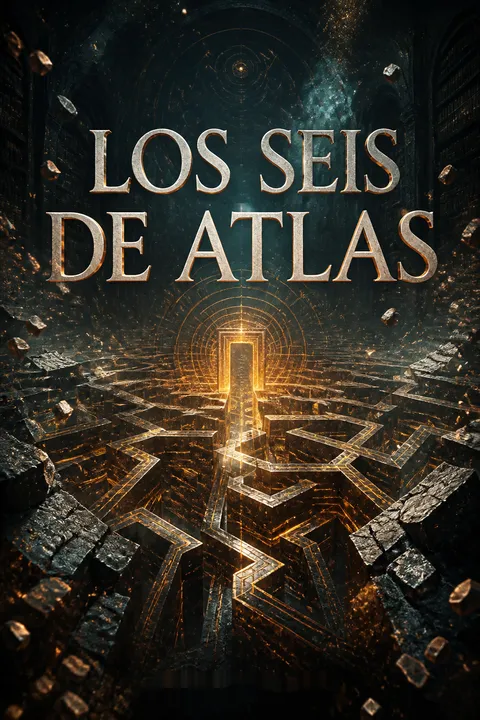
Plot Summary
The Library's Secret Reborn
The story opens with the mythic Library of Alexandria, not destroyed but hidden by its Caretakers to protect knowledge from despots. The Society that emerges from its ashes is a secretive, elite group of medeians—magicians—who guard the world's most powerful magical archives. Every decade, six of the world's most talented young medeians are chosen for initiation, but only five will survive the year-long trial. The promise is power, knowledge, and influence beyond imagination, but the price is steep: one must be eliminated, and the process is shrouded in secrecy and danger. The stakes are set—greatness, but at a cost.
Six Chosen, Five Remain
The narrative introduces the six initiates: Libby, Nico, Reina, Tristan, Callum, and Parisa. Each is recruited in a moment of personal transition, lured by the enigmatic Atlas Blakely with the promise of the Society's secrets. They are the best in their fields—physicists, naturalists, illusionists, telepaths, empaths—each with rare, world-altering abilities. But from the start, it's clear: only five will be initiated. The sixth will be eliminated, and the method is left ominously vague. The initiates are both competitors and collaborators, bound together by ambition and the threat of mutual destruction.
Rivalries and Recruitment
Libby and Nico's rivalry is fierce, rooted in years of academic competition and mutual resentment. Their dynamic is mirrored in the group's early interactions, as each candidate sizes up the others, wary of hidden motives and secret strengths. Atlas's recruitment is tailored to each, exploiting their desires and insecurities. The Society's selection process is revealed to be ruthless, with candidates chosen not just for power, but for their potential to disrupt or complete the group. The seeds of both camaraderie and betrayal are sown.
The Initiation Offer
Each initiate is approached by Atlas and offered a place in the Society, with the caveat that only five will remain. The offer is irresistible—access to the world's lost knowledge, a future of influence and wealth. Yet the terms are unclear, and the initiates are left to wonder what the true cost will be. The Society's rules are strict: secrecy, loyalty, and above all, survival. The initiates accept, some eagerly, some reluctantly, but all are drawn into the Society's web.
Gathering of Extraordinary Talents
The initiates arrive at the Society's London manor, a place of opulence and hidden wards. They are introduced to Dalton Ellery, a recent initiate and their guide. The group's abilities are revealed: Libby and Nico manipulate physical forces; Reina commands life and nature; Tristan sees through illusions and reality itself; Callum manipulates emotions and intent; Parisa reads and invades minds. Their specialties are both complementary and dangerous, and the Society's archives begin to open to them, one subject at a time.
The Society's Deadly Test
On their first night, the Society's wards are breached in a staged attack. The initiates must defend the archives against magical and mortal assailants, revealing their powers and forcing them to work together. The test is brutal—Nico is wounded, Libby and Tristan face illusions and real danger, Parisa and Callum confront psychological threats. The experience bonds them, but also exposes their weaknesses and the reality that survival is not guaranteed. The Society's tradition is clear: only the strong, and the united, will endure.
Alliances and Divisions
In the aftermath, the group splinters into uneasy alliances. Libby and Nico, once rivals, form a pragmatic partnership. Callum and Tristan, both outsiders in their own ways, find common ground. Parisa and Reina remain enigmatic, each pursuing their own agendas. The threat of elimination looms, and the initiates begin to strategize—not just for survival, but for dominance. Secrets are kept, motives are questioned, and the line between friend and foe blurs.
The First Attack
The initiates face a second, more personal attack—this time from within. Paranoia grows as it becomes clear that not all threats are external. The Society's enemies, including the radical Forum, seek to infiltrate or destroy the archives. The initiates must defend not just the Society, but themselves, as trust erodes and suspicions mount. The reality of the elimination becomes more pressing, and the group's unity is tested to its breaking point.
Unveiling True Powers
As the initiates delve deeper into the Society's archives, their abilities evolve. Libby and Nico push the boundaries of physical magic, creating wormholes and manipulating time. Tristan discovers his power to see and perhaps alter reality itself. Reina's connection to life and death becomes a potential key to immortality. Callum and Parisa's psychological warfare escalates, each probing the other's mind and intent. The Society's lessons become more perilous, and the initiates realize that knowledge itself can be a weapon.
The Cost of Knowledge
The Society's true nature is revealed: the elimination is not symbolic, but literal. One initiate must die for the others to be initiated, a ritual sacrifice to bind the group and unlock the archives' deepest secrets. The initiates grapple with the morality of the task—who deserves to die, and who will bear the guilt? The Forum tempts them with promises of freedom and revolution, but the Society's grip is strong. The initiates must choose: loyalty to each other, or to their own ambition.
The Game of Elimination
The group debates who should be eliminated. Callum, the manipulative empath, becomes the prime target, but alliances shift and doubts fester. Parisa and Tristan's relationship complicates matters, as does Libby's growing power and independence. The Society's rules are absolute—there can be no escape, no refusal. The initiates are forced to confront their own darkness, and the line between sacrifice and murder blurs. The ritual approaches, and the tension reaches a breaking point.
The Forum's Temptation
As the initiates struggle with the impending elimination, the Forum makes its move. Representatives approach each candidate, offering an alternative: betray the Society, share its secrets, and help bring about a new order. Some are tempted, others resist, but all are forced to question their loyalty and the true purpose of the Society. The outside world encroaches, and the initiates realize that their choices will have consequences far beyond their own survival.
Love, Betrayal, and Power
Relationships among the initiates become fraught with passion and betrayal. Parisa seduces and manipulates, seeking both power and protection. Tristan is torn between love and loyalty, while Libby's breakup with Ezra exposes deeper wounds. Nico's devotion to his friends and his own secrets complicates his alliances. Callum's emotional manipulation reaches a dangerous peak, and Reina's detachment hides her own ambitions. The group's bonds are tested as the elimination draws near.
The Ritual of Sacrifice
The time comes to choose who will be eliminated. After much debate and failed attempts, the group settles on Callum, but the ritual is interrupted. Libby is suddenly and mysteriously abducted, her apparent death staged by an unknown hand. The group is left reeling, unsure if the elimination has been fulfilled or if a greater threat has emerged. The Society's rules are thrown into chaos, and the initiates must confront the reality that they are pawns in a much larger game.
The Vanishing of Libby
Libby's absence is both a relief and a wound. The Society cannot find her, and the initiates are left to wonder if she is dead, imprisoned, or something else entirely. The illusion of her death is revealed to be an animation—neither real nor fake, but a magical construct. The group is fractured by grief, guilt, and suspicion. The search for Libby becomes a new obsession, and the Society's true enemies begin to reveal themselves.
The Search and the Truth
As the initiates search for Libby, the truth comes to light: Ezra, Libby's ex-boyfriend, is a time-traveling medeian who has orchestrated her disappearance to thwart Atlas's plans. Atlas, the Caretaker, is revealed to have his own agenda—using the initiates to reshape the world. The Forum and other enemies gather, and the initiates realize they are at the center of a battle for the future of magic and humanity. The cycle of sacrifice and power is exposed as both a curse and a necessity.
The New Order
With Libby gone, the remaining five are initiated into the Society. They swear an oath—not just to the Society, but to each other: to find Libby, to uncover the truth, and to break the cycle of sacrifice. The Society's power is now theirs, but so is its burden. Dalton, the enigmatic guide, warns them that power always comes at a price, and that the cycle will not end easily. The initiates are no longer just students—they are now the Society's future, and its greatest threat.
The Cycle Continues
The story closes with the realization that the Society's cycle of sacrifice and rebirth is unending. The initiates, now powerful and united, are determined to change the rules—but the forces arrayed against them are vast. Atlas and Ezra, once allies, are now adversaries, each with their own vision for the world. The fate of Libby, and of the Society itself, remains uncertain. The wheel turns, and the next chapter awaits.
Analysis
A meditation on power, ambition, and the price of knowledgeThe Atlas Six is a dark, cerebral fantasy that interrogates the nature of greatness and the costs of pursuing it. Through its ensemble cast, the novel explores the psychological toll of ambition, the seduction and danger of forbidden knowledge, and the moral ambiguity of survival. The Society's initiation ritual is both a literal and metaphorical crucible, forcing the characters to confront their own darkness and the limits of their loyalty. The story's structure—shifting perspectives, escalating tests, and the looming threat of elimination—mirrors the chaos and order at the heart of magic itself. Ultimately, the novel asks whether power can ever be wielded without sacrifice, and whether the pursuit of knowledge is worth the price of innocence, love, or even life. In a world where every gain demands a loss, The Atlas Six challenges readers to consider what they would be willing to pay for greatness—and whether the cycle can ever truly be broken.
Review Summary
The Atlas Six received mixed reviews. Many readers praised its dark academia vibes, complex characters, and intriguing magic system. They found the philosophical discussions and character dynamics compelling. However, others criticized the slow pacing, lack of plot, and pretentious writing style. Some felt the characters were unlikeable and the world-building underdeveloped. Despite its flaws, the book garnered a dedicated fanbase who eagerly anticipated the sequel. Overall, it seems to be a polarizing read that resonates strongly with some readers while leaving others frustrated.
People Also Read
Characters
Libby Rhodes
Libby is a fiercely intelligent physicist whose power over physical forces is matched only by her relentless need to prove herself. Her rivalry with Nico defines much of her early arc, but beneath her ambition lies deep insecurity, shaped by the loss of her sister and a lifetime of being underestimated. Libby's journey is one of self-discovery—learning to embrace her power, confront her fears, and question the morality of ambition. Her relationships are fraught: with Nico, a mix of competition and camaraderie; with Ezra, a love soured by secrets; with the group, a struggle for acceptance. Libby's disappearance is the story's emotional fulcrum, exposing the cost of knowledge and the pain of sacrifice.
Nicolás Ferrer de Varona (Nico)
Nico is Libby's equal and opposite—a gifted physicist with a talent for manipulating reality and a magnetic personality. His charm masks deep-seated anxieties about belonging and responsibility, especially toward his friends Gideon and Max. Nico's rivalry with Libby evolves into partnership, and his loyalty to the group is unwavering, even as he grapples with the Society's demands. Nico's struggle is between self-interest and self-sacrifice, and his determination to find Libby after her disappearance reveals the depth of his devotion. He is both a leader and a survivor, shaped by privilege but driven by a need to protect those he loves.
Reina Mori
Reina's connection to life and nature is both a gift and a curse—she is a wellspring of magical energy, but one that drains her as much as it empowers. Introverted and fiercely independent, Reina resists being used by others, yet her abilities make her indispensable. She is the group's quiet observer, often underestimated but deeply perceptive. Reina's arc is about agency—choosing when and how to use her power, and for whom. Her alliance with Nico and Libby is pragmatic, but she remains wary of the group's darker impulses. Reina embodies the tension between survival and sacrifice, and her choices shape the group's fate.
Tristan Caine
Tristan's ability to see through illusions—and perhaps reality itself—makes him both invaluable and isolated. Raised in hardship and haunted by his father's legacy, Tristan is driven by a need to prove his worth and escape his past. His relationships are complex: drawn to Parisa's power, challenged by Callum's manipulation, and unexpectedly connected to Libby. Tristan's arc is one of self-acceptance—learning to trust his own perceptions and embrace his potential. He is the group's skeptic, always questioning motives and outcomes, but ultimately becomes the moral center, forced to confront the cost of survival.
Callum Nova
Callum's power to influence emotions and intent is both his greatest asset and his deepest flaw. Born into privilege but emotionally detached, Callum is a consummate manipulator, using his abilities for both amusement and advantage. His rivalry with Parisa is a battle of wills, each probing the other's weaknesses. Callum's arc is about the limits of power—discovering that control comes at a price, and that true connection cannot be forced. His eventual targeting for elimination exposes the group's fears and the dangers of unchecked ambition. Callum is both villain and victim, a mirror for the group's darkest impulses.
Parisa Kamali
Parisa's beauty and telepathic power make her both irresistible and dangerous. She uses her abilities to manipulate, seduce, and protect herself, shaped by a history of trauma and betrayal. Parisa's relationships are transactional—she gives only as much as she must, always seeking leverage. Her rivalry with Callum is a psychological chess match, while her connection to Tristan is fraught with desire and distrust. Parisa's arc is about vulnerability—learning that survival sometimes requires trust, and that power can be both shield and prison. She is the group's wildcard, capable of both great compassion and ruthless calculation.
Atlas Blakely
Atlas is the Society's recruiter and guide, a master manipulator who orchestrates the initiation and its deadly rules. His motives are ambiguous—part mentor, part puppetmaster, he claims to serve the Society's interests but harbors his own agenda. Atlas's relationship with Dalton is paternal, but his interactions with the initiates are always strategic. He embodies the Society's paradox: the pursuit of knowledge at any cost, and the willingness to sacrifice individuals for the greater good. Atlas is both gatekeeper and antagonist, the face of an institution that demands blood for power.
Dalton Ellery
Dalton is a recent initiate who serves as the group's mentor and intermediary. His specialty—animation—allows him to bring things to life, but also burdens him with guilt and fear. Dalton's past is marked by sacrifice, having survived his own initiation at great cost. He is both ally and warning, embodying the dangers of the Society's traditions. Dalton's relationship with Parisa is intimate but fraught, and his loyalty to Atlas is tested by the group's struggles. He is the story's conscience, a reminder that survival often comes at the expense of innocence.
Ezra Fowler
Ezra, Libby's ex-boyfriend, is revealed to be a medeian with the rare ability to move through time. Initially unremarkable, Ezra becomes the architect of Libby's disappearance, acting to thwart Atlas's plans and disrupt the Society's cycle. His motives are complex—part love, part rebellion, part self-preservation. Ezra's actions expose the Society's vulnerabilities and set the stage for a larger conflict. He is both liberator and jailer, a reminder that power can be used to both protect and destroy.
Gideon Drake
Gideon, Nico's best friend, is a hybrid creature with the ability to traverse dreams and subconscious realms. His existence is precarious, hunted by those who would exploit his power. Gideon's loyalty to Nico is unwavering, and his abilities become crucial in the search for Libby. He represents the story's theme of otherness—what it means to be both inside and outside the boundaries of power. Gideon is a survivor, a bridge between worlds, and a symbol of the costs of secrecy.
Plot Devices
The Initiation and Elimination Ritual
The central plot device is the Society's initiation ritual: six are chosen, but only five can be initiated. The elimination is not metaphorical but literal—one must die, sacrificed to bind the group and unlock the Society's secrets. This device creates constant tension, forcing alliances, betrayals, and moral dilemmas. The ritual is both a test of power and a commentary on the cost of ambition. It structures the narrative as a countdown, with each chapter bringing the group closer to the inevitable sacrifice.
Multiple Points of View
The story is told through the eyes of all six initiates, as well as key supporting characters. This device allows for deep psychological exploration, revealing each character's motives, fears, and desires. It also creates dramatic irony, as the reader knows more than any one character. The shifting perspectives heighten suspense, as secrets are kept and revealed, and the true nature of the Society is gradually uncovered.
The Society's Archives and Lessons
The initiates' access to the Society's archives is structured as a series of lessons—space, time, thought, intent, death—each unlocking new powers and dangers. The archives are both a literal library and a metaphor for forbidden knowledge. The lessons serve as both plot progression and thematic exploration, forcing the characters to confront the limits of their abilities and the consequences of their choices.
The Forum and External Threats
The Forum and other enemies of the Society serve as external antagonists, tempting the initiates with promises of freedom and revolution. Their interventions force the group to question their loyalty and the Society's legitimacy. The threat of infiltration and attack raises the stakes, making the Society's internal conflicts even more perilous.
Psychological Warfare and Manipulation
The story's conflicts are as much psychological as physical. Parisa and Callum's powers of mind and emotion create a constant undercurrent of manipulation and mistrust. The initiates' relationships are fraught with seduction, betrayal, and shifting alliances. The elimination is as much about outwitting as overpowering, and the story's most dangerous battles are fought in the mind.
Foreshadowing and Nonlinear Time
The narrative is rich with foreshadowing—visions, dreams, and time travel hint at outcomes before they occur. Ezra's ability to move through time, Tristan's perception of reality, and the Society's own cyclical nature all blur the boundaries between past, present, and future. This device creates a sense of inevitability and tragedy, as the characters struggle to break free from patterns that seem predestined.
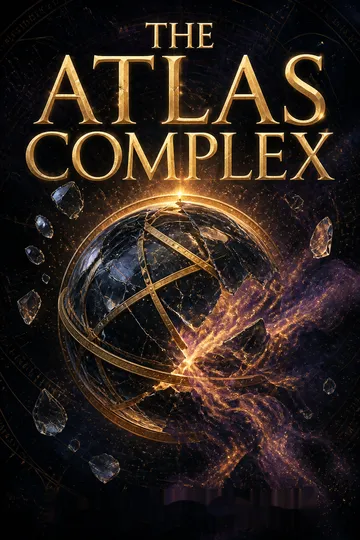
The Atlas Series
Download PDF
Download EPUB
.epub digital book format is ideal for reading ebooks on phones, tablets, and e-readers.








































