
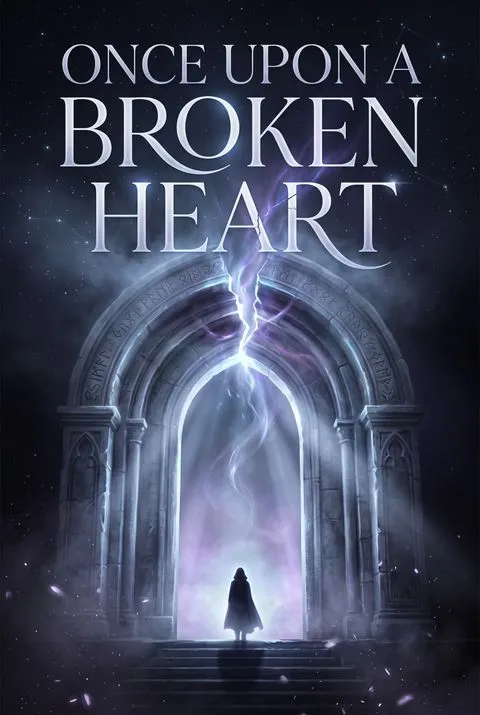


Plot Summary
Prologue
An enchanted bell hanging outside a curiosity shop senses trouble the moment a swaggering young man9 crosses its threshold. Bells possess a sixth sense humans lack, and this one rings its warning a full two seconds before the door opens.
The shopgirl inside,1 raised among oddities and half an oddity herself, hears the chime. But she believes in hope, fairytales, and love at first sight, so she misreads the toll of alarm as a sign of good fortune. The bell is certain: this boy will ruin her.
Garber opens with a nonhuman narrator to establish a world where objects hold intention and stories carry weight. The bell functions as dramatic irony incarnate, warning readers that Evangeline's defining trait, boundless hope, is also her vulnerability. By framing her as a girl who converts warnings into wishes, the prologue diagnoses the psychological engine of the entire novel: optimism as both gift and self-sabotage. The device also seeds the book's central epistemology, that belief shapes reality and that misreading signs has consequences. We are told the ending before the beginning: heartbreak is coming, and it will arrive dressed as serendipity.
The Door That Hid Itself
Evangeline Fox1 tracks down the vanished bloodred church door of the Prince of Hearts,2 hidden in a decrepit alley, to beg an immortal to stop a wedding. Her stepsister Marisol3 is set to marry Luc,9 the boy Evangeline1 loves and believes has been cursed into the match. Kneeling before a marble statue, she offers her blood and pleads.
A mocking golden-haired stranger eating a white apple reveals himself as Jacks,2 the Fate himself. He agrees to halt the wedding, but his price is steep: three kisses given to strangers of his choosing, when he chooses. He marks her wrist with three tiny broken-heart scars by biting her, then vanishes before she can reconsider.
The inciting bargain crystallizes Evangeline's fatal pattern: she will pay almost anything to preserve a story she has already written in her heart. Garber inverts the fairytale supplicant motif, making the deity petty, bored, and predatory rather than benevolent. Jacks reads her like merchandise, appraising her mouth as property, which foreshadows the transactional nature of everything to come. The three-kiss contract weaponizes intimacy, transforming affection into currency and debt. Crucially, Evangeline ignores every rule she recites about Fates, demonstrating that her faith is less wisdom than compulsion. The scars are a brand of ownership, a physical countdown that ticks through the novel like a second heartbeat she cannot control.
Nine Statues in the Garden
Rushing home, Evangeline1 discovers the wedding stopped exactly as requested: Jacks2 has turned the entire party, including Luc,9 Marisol,3 and her stepmother Agnes,10 into granite statues frozen mid-toast. Horrified rather than grateful, she confronts Jacks,2 who shrugs that she should thank him for making her a rich, famous orphan.
He explains a poisoned goblet nearby can undo the curse only if someone takes the victims' place. Refusing to let innocents remain stone, Evangeline1 drinks the sulfurous poison herself. Jacks2 warns that heroes never get happy endings, that no one will save her, but she believes someone will. Darkness swallows her as she hardens into stone, trusting Luc9 or fate to eventually free her.
This is the point of no return, and it reveals the gulf between Fated logic and human morality. Jacks cannot distinguish good from evil because he measures outcomes by advantage, not conscience. Evangeline's self-sacrifice is genuinely brave yet also naive, rooted in her belief that stories owe her rescue. Garber stages a brutal test of the hope thesis: the girl who believes in infinite endings gambles her body on faith in a boy who has already chosen someone else. The petrification literalizes emotional paralysis, the way heartbreak arrests time. Her willingness to become the sacrifice rather than the victim marks the first fracture in her fairytale worldview, though she does not yet know it.
Sweetheart Savior Awakes
Evangeline1 wakes in the palace laboratory of Poison,8 another returned Fate, who revives her after six weeks. She learns the Fates escaped a deck of cards during a Week of Terror, killing the old heir and installing a new empress. The public now adores Evangeline1 as a selfless martyr, and the scandal writer Kutlass Knightlinger turns her into a celebrity.
But her joy curdles: Luc9 never mourned her, tried to remarry Marisol,3 was then mauled by a wolf, and fled the city seeking a healer. Agnes10 has sold her father's beloved curiosity shop and begun auctioning Evangeline1 to suitors. Poison8 warns her she will forever be drawn toward Jacks2 until her debt is paid.
The resurrection reframes heroism as commodity. Evangeline discovers that survival grants no absolution and that public narrative, curated by a gossip press, overwrites private truth. Garber satirizes fame culture: the orphan is repackaged as brand, her sacrifice monetized by both stepmother and tabloid. Psychologically, this section forces Evangeline's first real confrontation with self-deception. The wolf attack strongly implies Jacks kept his word with characteristic cruelty, and Luc's swift return to Marisol plants the seed that her cursed-love theory may be a comforting fiction. Poison's warning introduces the gravitational metaphor governing the romance: proximity to the magical world ruins ordinary life, making Evangeline permanently susceptible to the very Fate who destroyed her.
An Ambassador to Winter
Empress Scarlett11 and her sister Donatella12 summon Evangeline1 to tea and ask her to represent the Meridian Empire at Nocte Neverending, a Northern celebration where Crown Prince Apollo4 will choose a bride. The sisters, who defeated the Fates, admire the heroism they believe Evangeline1 embodies, unaware she made a deal with one.
Seizing the chance to forget Luc9 and to rescue Marisol3 from her Cursed Bride reputation, Evangeline1 accepts and brings her stepsister north. But as she reads about the mysterious prince,4 her wrist scars begin to burn, hinting that this journey toward a fresh fairytale may actually be fate pulling her back toward Jacks2 and the debt she still owes him.
Garber pivots the geography and the genre, moving from tragedy toward the Cinderella dream Evangeline has craved. Yet the invitation is laced with dramatic irony: the empire seeks a symbol of anti-Fate virtue while sending its most Fate-entangled citizen. The burning scars operate as somatic prophecy, the body knowing what the hopeful mind refuses. This section also deepens Evangeline's redemptive project toward Marisol, driven by guilt she cannot yet articulate. The North, where history and fairytale are indistinguishable and stories are literally cursed, becomes the perfect stage for a protagonist who cannot separate belief from truth. Escape and entrapment are revealed as the same door, opening in opposite directions.
The Fate With Blue Hair
At Apollo's4 welcome party in an enchanted forest, Evangeline1 encounters Jacks2 transformed: dark blue hair, colder eyes, more monster than man, now posing as the exiled Lord Jacks2 and confidant to the prince.4 Publicly cornering her beneath Apollo's4 balcony, he stains her lips with his gold-flecked blood and reveals the terms of his first kiss.
She must kiss Prince Apollo4 before the night ends or die. Terrified she has been turned into a weapon, Evangeline1 climbs to the prince's perch and kisses the intense, olive-skinned Apollo,4 who responds with startling hunger. Jacks2 yanks her away, leaving her wondering what his blood did and why he engineered the entire encounter.
The reunion recasts the romance as coercion, with Jacks literalizing the earlier metaphor of intimacy as debt. His physical coldness and public spectacle serve dual functions: humiliation and manipulation, engineering Evangeline's celebrity by association. The blood on her lips introduces a persistent ambiguity about agency, whether her desirability is real or manufactured. Garber uses Apollo's practiced, performative kiss to contrast two forms of male attention, the vain prince who wants an audience and the Fate who wants a tool. Jacks's transformation implies trauma has hollowed him further, a mystery the reader is invited to decode. The threat of death converts a romantic milestone into a survival act, sustaining the book's dark undercurrent beneath its glittering surface.
A Proposal Made of Fire
On the first night of Nocte Neverending, Apollo4 rides into the ballroom dressed as a hunter and publicly declares he will dance with only one girl. He first humiliates Evangeline1 by choosing Princess Serendipity, then finds Evangeline1 by the punch and drops to one knee, proposing marriage after knowing her mere hours.
Swept up in the fairytale she has always wanted, she says yes. His devotion becomes extravagant and unsettling: bathtubs of jewels, stables of horses, a tattoo of her name, nightly serenades beneath her window. Evangeline1 moves into Wolf Hall, but the intensity feels less like love than possession, like the work of a spell rather than a beating human heart.
Garber delivers the wish and immediately poisons it. Apollo's obsession is the fairytale dream rendered grotesque through excess, exposing how the love-at-first-sight fantasy, when granted absolutely, curdles into something airless and frightening. Evangeline finally receives the adoration she has always sought, only to discover that being wanted is not the same as being loved. The proposal tests her core belief system: she gets the prince, the castle, the rescue from obscurity, yet feels the unease of counterfeit. The section interrogates the psychology of validation, how a girl starved of belonging can be seduced by intensity itself. Apollo's manufactured passion mirrors the reader's growing suspicion that Jacks has authored this romance for hidden purposes.
The Spell Behind the Devotion
Convinced Apollo's4 fervor is unnatural, Evangeline1 confronts Jacks2 in a black carriage in Capricorn Alley and demands he undo it. He admits he willed Apollo4 to love her, but refuses to break the enchantment before the wedding: if she leaves Apollo4 now, the prince will remain incurably, agonizingly heartbroken forever.
His counteroffer is a poisoned wedding gift, he will erase Apollo's4 false feelings only after they marry, meaning the prince will one day despise the wife he adored. Jacks2 needs this marriage desperately but will not say why. Trapped between damning Apollo4 to eternal obsession or eventual hatred, Evangeline1 realizes she is a pawn in a scheme she cannot yet see.
The carriage confrontation reveals Jacks's true power, emotional puppetry that makes his lethal kiss almost incidental. Garber sharpens the moral vise: every choice Evangeline has damns someone, echoing the goblet dilemma from the garden. Jacks's insistence on the wedding without explanation transforms the romance plot into a mystery, redirecting reader attention from who Apollo is to what Jacks wants. His hint that hurt is what made him cracks open his backstory. The section also refines the novel's thesis on love versus enchantment: Jacks argues feeling is feeling regardless of source, while Evangeline insists authenticity matters more than happiness. Their philosophical clash is the true romance here, two damaged beings debating whether manufactured love can ever count.
The Rose-Gold Key
For his second kiss, Jacks2 takes Evangeline1 to the storybook castle of the Fortuna matriarch, Tabitha,13 whose murderous temper her kiss magically softens into doting warmth. Jacks2 compels the woman to open a sealed Valor arch guarding her vault, hunting for something he will not name.
Deep underground, the enchantment slips and the matriarch recognizes Evangeline1 with horror, chanting a prophecy: a girl crowned in rose gold, both peasant and princess, will unlock the forbidden Valory Arch. She lunges to kill Evangeline,1 but Jacks2 strikes her down with an emerald skull. Evangeline1 finally understands why Jacks2 arranged her marriage. He believes she is the prophesied key to whatever the ancient Valors sealed away.
The mystery detonates: Evangeline is not a random tool but a foretold instrument, recasting her entire life as possible destiny. Garber layers the Northern lore, cursed histories, beheaded god-kings, arches locked by prophecy, to suggest that Evangeline's rose-gold hair and mysterious origins were never merely cosmetic. The vault sequence externalizes the book's obsession with locked doors and hidden truths. Tabitha's terror reframes the prophecy as threat rather than glory, complicating the fairytale-chosen-one trope. Psychologically, Evangeline confronts the horror of predestination, the possibility that her cherished belief in infinite endings is a lie and her path was carved before birth. Jacks's single-minded hope, glimpsed in his face at the arch, humanizes his monstrousness with tragic longing.
Vows and a Bitter Brother
Despite the prophecy, Evangeline1 marries Apollo4 to spare him eternal heartbreak, planning to break the spell afterward and hope real love can grow. She researches the Valory Arch, learning it may hold either a terrible Valor creation or immense treasure, sealed by a prophecy-lock. On the wedding night before the ceremony, Apollo4 climbs to her balcony and simply holds her, a tenderness that feels unnervingly genuine.
At the icy reception, his estranged younger brother Tiberius5 crashes the celebration, nearly provoking a sword fight, and dances with Evangeline.1 He hints darkly that he vanished because of her and promises to explain when they next meet, leaving her uneasy about the family she has married into.
Garber complicates the villain-victim binary by letting the enchanted Apollo show glimpses of sincere gentleness, blurring whether any of his feeling is his own. Evangeline's decision to marry is her most morally tangled yet, a repeat of the goblet sacrifice dressed in white. The introduction of Tiberius as a wary, freckled outsider who distrusts her seeds the eventual reckoning. His cryptic warning functions as a loaded gun. The wedding itself, with its binding vows about shared hearts and mutual bleeding, foreshadows literal consequence. This section sustains the tension between what Evangeline wants to believe, that love can be cultivated from artificial soil, and the accumulating evidence that she is caught in machinery far larger and colder than romance.
The Kiss That Killed
In the flower-strewn wedding suite, Evangeline1 kisses Apollo4 to lift Jacks's2 enchantment. The spell shatters, and Apollo,4 freed, looks at her with raw betrayal, demanding to know what she did to his heart. Then he collapses, grey and pulseless, seemingly dead. Guards burst in, having heard him shouting, and seize her as his murderer.
Bound and gagged in a cold room, Evangeline1 is certain Jacks2 tricked her into killing the prince,4 until Jacks2 himself appears, dismisses the soldiers with his mind, and insists there was never any magic in her kisses. He diagnoses her uncontrollable weeping as poison, someone has dosed her with a Fate's deadly tears, and she will cry herself to death without a cure.
The wedding-night catastrophe is the novel's darkest inversion of the fairytale kiss, the gesture that should awaken love instead delivering death and accusation. Garber collapses Evangeline's every plan at once: no reconciliation, no cultivated love, no cleared conscience, only a corpse and a manhunt. The revelation that her kisses held no power recontextualizes the entire courtship as pure manipulation, stripping Evangeline of even the agency she thought she wielded. Her transformation from Sweetheart Savior to hunted murderess completes the celebrity satire, fame is a costume the crowd tears off in an instant. The poisoned tears introduce a ticking clock and force the reluctant alliance, converting Jacks from tormentor into the only lifeline she has left.
Toxic Tears, Reluctant Allies
Jacks2 carries the dying Evangeline1 through the snow to LaLa,6 the bold party girl from Valorfell who is revealed to be the Unwed Bride, a Fate whose poison tears caused the affliction. LaLa6 insists she did not target Evangeline;1 someone bought her tears years ago. She brews an antidote requiring Jacks2 to hold Evangeline1 in close contact for a full day.
Waking, Evangeline1 reads that Apollo4 is officially declared murdered and she is the prime suspect. She strikes a bargain with Jacks:2 a true partnership to find the real killer and clear both their names, no secrets. Their first lead points to Chaos,7 an ancient vampire lord who trades in spies, assassins, and forbidden information.
The forced physical intimacy of the cure ironizes Jacks's entire nature, the Fate who kills with touch must now sustain life through it. Garber uses LaLa to expand her taxonomy of Fated loneliness: each immortal is compelled toward the thing that defines and destroys them, LaLa toward doomed weddings, Jacks toward a fatal true love. LaLa's genuine friendship offers Evangeline a model of solitude reframed as adventure rather than tragedy. The partnership pact marks Evangeline's growth from passive petitioner to active agent who sets terms. The investigation structure injects noir momentum, transforming a romance-fantasy into a murder mystery where the accused must solve her own crime while trusting a self-declared monster.
The Vampire in the Bronze Helm
Disguised by LaLa,6 Evangeline1 and Jacks2 descend into Chaos's7 underground court, a labyrinth of shackles, cages, and changelings fighting to escape and feed before dawn. Chaos,7 revealed as the helmed soldier Evangeline1 met earlier, wears a curse that prevents him from biting. He reveals that a female witch recently bought malefic oil, a poison tailored to kill one specific person, casting suspicion on Marisol.3
As they flee, Evangeline1 discovers Luc9 caged among the changelings. He swears he was cursed by Marisol3 into obsession and begs freedom. Against Jacks's2 warning, she frees him, and Luc9 immediately lunges to bite her. Jacks2 throws himself between them and takes the venomous bite in her place.
Garber literalizes Evangeline's romantic pattern: her first love, freed by her compassion, tries to devour her, while the monster she distrusts shields her body with his own. The vampire court is a grim mirror of the kissing-chess ballrooms, appetite dressed as courtship, consent blurred into predation. Luc's revelation about Marisol's curse retroactively validates and complicates Evangeline's original theory, she was right that he was enchanted, wrong about who cast it. Chaos, the immortal witness to lost history, dangles the truth about the Valors as a temptation priced in blood. The section's emotional core is the reversal of protector roles: Jacks's instinctive sacrifice betrays feelings his ideology denies, planting doubt about which of them is truly the danger.
One Night in the Crypt
Infected by Luc's9 venom, Jacks2 begins turning vampiric, his hair blazing gold again, his hunger fixed on Evangeline.1 To contain him until dawn, she locks him behind an iron gate in a mausoleum, opening its blood-lock with her own finger, further evidence she is the prophesied key. Through the long night she keeps him talking.
Jacks2 confesses his history with Princess Donatella:12 he kissed her believing she was the one true love who could restart his stopped heart, his heart did beat, yet she fell for another and stabbed him with his own dagger. The confession reveals the wound that hollowed him. Near dawn he nearly bites her, held back only when she reminds him he needs her to open the arch.
The crypt becomes a confessional, and Garber lets the antagonist bleed genuine tragedy. Jacks's Donatella story reframes his cruelty as the scar tissue of catastrophic rejection, the being designed to find true love found and lost it. Evangeline's insight, that Donatella may have recoiled less from the first kiss than from his inability to feel anything human, is the novel's psychological thesis on emotional avoidance. Their charged, restrained near-kiss dramatizes desire tangled with lethal risk, intimacy as mutual endangerment. Her ability to open the blood-lock quietly confirms the prophecy she resists. The stolen jeweled dagger she keeps signals her own unacknowledged attachment, a token she refuses to interrogate, mirroring Jacks's inability to name what he feels.
The Serum of Truth
While Jacks2 sleeps off an enchanted exhaustion in his hidden office, Evangeline1 discovers his spell book, learns Marisol3 is now engaged to Tiberius,5 and brews a truth serum. She sneaks into Wolf Hall, where a tearful Marisol3 confesses she cursed Luc9 out of jealousy but swears she killed no one, then betrays Evangeline1 to the guards the instant Evangeline1 admits she caused the original petrification.
Bound before Tiberius,5 who reveals himself as a member of the Protectorate sworn to keep the Valory Arch sealed, Evangeline1 tricks him into drinking her serum. Unable to lie, Tiberius5 confesses: he poisoned Apollo4 by mistake. The toxin was meant for Evangeline,1 the prophesied key, and he grieves the brother he killed.4
The climax rewards Evangeline's growth from believer to investigator, she solves the mystery through her own cunning rather than rescue. Garber stages a double reckoning: the reconciliation with Marisol collapses because honesty wounds as much as deception, a bleak lesson about the limits of confession as absolution. Tiberius emerges as the tragic true culprit, an ideologue whose zeal to prevent apocalypse produced fratricide, embodying the theme that certainty in prophecy breeds atrocity. The truth serum, with its side effect of compulsive honesty, becomes the anti-gossip, cutting through a novel drowning in scandal-sheet lies. Evangeline's survival hinges not on faith this time but on chemistry and nerve, marking her decisive evolution beyond the hopeful girl who drank poison trusting fate.
The Prince Who Sleeps
Cleared of murder and restored to princess status, Evangeline1 is led by the guard Havelock15 and a secret-stealer named Phaedra16 to a hidden room where Apollo4 lies not dead but suspended, his heart beating once a minute. Her kiss fails to wake him. Piecing it together, Evangeline1 realizes Tiberius's5 tears only worked on her; it was Jacks's2 bitter blood on her wedding kiss that suspended Apollo.4
Jacks2 left the prince4 alive as leverage, knowing Evangeline1 would do anything to revive him, including opening the Valory Arch with her willing blood. Refusing to be manipulated again, she resolves to save Apollo4 herself and stop Jacks,2 striding toward the one sealed door she was born to open.
The final revelation completes Jacks's portrait as a master manipulator who weaponizes Evangeline's own compassion, converting her virtue into a lever. Garber closes the loop between the garden goblet and the suspended prince, both prisons of not-quite-death, both baited traps for a rescuer's heart. Evangeline's refusal to play the pawn signals her hardest-won maturation: she still believes in saving others but no longer trusts that belief will save her. Her decision to open the arch on her own terms is defiance dressed as destiny, seizing agency within prophecy. The chapter reframes the entire novel as Jacks's long con, yet leaves Evangeline's feelings for him unresolved, a wound and a temptation she carries toward the forbidden door.
Epilogue
Far away in Wolf Hall, a door untouched for centuries begins to wake. Its hinges creak, its wood groans, and the carved wolf's head at its center curves its mouth into a slow smile.
The coda abandons Evangeline's perspective to grant the sealed Valory door its own sinister sentience, echoing the prologue's speaking bell and bookending the novel with objects that know more than the humans around them. The smiling wolf transforms the prophecy from abstract threat into gleeful, waiting presence, suggesting the arch has agency and appetite. Garber ends not on resolution but on ominous anticipation, confirming that Evangeline's climactic resolve has set something vast and hungry into motion. The image implies that whatever the Valors sealed away has been patiently expecting her all along, and that her hardest choices may only now be arriving. Dread, not closure, is the final note.
Analysis
Garber's novel is a sustained interrogation of hope as both salvation and self-harm. Evangeline1 embodies the fairytale reader's yearning, the belief that faith, love, and sacrifice guarantee reward, and the book systematically tests that belief until it either matures or breaks. Her defining creed, that every story holds infinite endings, is simultaneously her courage and her blind spot, propelling her to drink poison for strangers and to mistake obsession for love. The narrative arc traces her painful graduation from petitioner to strategist, from a girl who waits for rescue to a woman who brews her own escape and refuses to be manipulated. Central is the distinction between authentic feeling and enchantment. Through Apollo's4 manufactured devotion and Jacks's2 emotional puppetry, Garber asks whether love conjured by magic can count, and answers that Evangeline values truth over comfort, refusing counterfeit happiness even at great cost. The Fates dramatize a chilling moral thesis: they are dangerous not because they are evil but because power erodes the ability to distinguish good from evil, measuring everything by advantage. Jacks2 personifies this, a being designed to seek true love yet incapable of the human tenderness that love requires, hollowed by rejection into cruelty. The book also skewers celebrity and media, showing how public narrative, curated by gossip sheets, overwrites private truth and how heroism becomes commodity. Its recurring motif of locked doors, church, vault, crypt, arch, frames a meditation on prophecy versus choice: is Evangeline1 destined or merely driven there by her own decisions? Garber withholds the answer, ending on ominous anticipation rather than closure. The lesson embedded throughout is that bargains with power extract more than promised, and that hope, to survive, must marry clear sight.
Review Summary
Once Upon a Broken Heart received mixed reviews, with many praising its magical world-building and compelling characters, particularly Jacks. Readers enjoyed the fairytale-like atmosphere and romantic elements. Some found the writing style young and the plot confusing at times. Evangeline's naivety divided opinions. Many readers expressed excitement for the sequels and appreciated the book's exploration of love, curses, and fate. Overall, fans of YA fantasy and Garber's previous work found it enchanting, while others felt it didn't quite meet expectations.
People Also Read
Characters
Evangeline Fox
Hopeful heartbroken heroineA curiosity-shop girl with rose-gold hair, raised on her mother's Northern fairytales and her father's belief that magic is real. Evangeline is defined by an almost pathological hope, a conviction that every story holds infinite possible endings and that love, faith, and sacrifice will be rewarded. This optimism makes her brave enough to drink poison for strangers and naive enough to bargain with a Fate2. Orphaned and lonely, she craves belonging so intensely that she mistakes intensity for love and signs for destiny. Across the novel she matures from a passive petitioner who trusts fate to save her into an active agent who investigates, deceives, and chooses her own dangerous path, learning that hope must be paired with clear-eyed judgment to survive.
Jacks
The Prince of HeartsAn immortal Fate whose kiss kills everyone except the one true love destined to restart his stopped heart. Jacks presents as bored, cruel, and beautiful, eating white apples and inflicting pain for entertainment, yet beneath the ice lies a being hollowed by catastrophic rejection. He manipulates Evangeline1 relentlessly toward a hidden goal, treating her as a tool while betraying flashes of protectiveness he refuses to name. His power extends far beyond his kiss to the control of others' emotions, making him terrifying precisely because he cannot reliably distinguish good from evil, only advantage. Driven by an aching, mythic need to find his true love and by a secret obsession with the sealed Valory Arch, Jacks is the novel's magnetic, morally unreadable center.
Marisol
The Cursed Bride stepsisterEvangeline's1 timid, pretty stepsister, raised by a mother who wore her down with relentless criticism until she believed herself unlovable. Marisol is skittish around magic, devoted to baking, and desperate for the confidence and belonging that Evangeline1 seems to possess effortlessly. Her jealousy and starvation for approval drive her toward choices she cannot undo, and the public brands her cursed after two catastrophic weddings. Beneath her fragility runs a capacity for both genuine tenderness and self-serving betrayal, making her one of the book's most psychologically layered figures. Her fraught, guilt-laden bond with Evangeline1, two girls who share heartache and secrets they can barely voice, forms the novel's aching emotional subplot.
Prince Apollo
Bewitched Northern crown princeThe intense, olive-skinned heir to the Magnificent North, more commanding than classically handsome, initially vain enough to pose shirtless for portraits and dismiss girls who bore him. Apollo values beauty and attention, performing romance like a practiced art. When his affections turn extravagant and worshipful toward Evangeline1, the excess feels less like devotion than obsession. Yet glimpses of unguarded tenderness raise the unsettling question of whether any of his feeling is truly his own. He embodies the fairytale-prince fantasy pushed to a suffocating extreme, a cautionary study in how being wanted absolutely differs from being loved.
Tiberius
Estranged younger princeApollo's4 freckled, copper-haired younger brother, an impish rebel who shows love through teasing and distrusts Evangeline1 from the start. He vanishes after Apollo's4 engagement and returns bearing cryptic warnings. Beneath his roguish surface lies a fierce, ideologically driven loyalty and a secret allegiance that shapes his most consequential choices. He genuinely cares for his brother4 despite their constant friction.
LaLa
The Unwed Bride FateA bold, dazzling girl introduced as a fearless party guest, later revealed as the Fate whose poison tears cause doomed love. LaLa sews wedding gowns to soothe her endless compulsion toward marriages that always collapse at the altar. Unafraid to spar with Jacks2 or shelter fugitives, she becomes Evangeline's1 genuine friend, modeling solitude as adventure rather than tragedy.
Chaos
Ancient helmed vampire lordThe immortal Lord of Spies and Assassins, as old as the North and never trapped in the Fates' deck. He wears a cursed bronze helm that prevents him from biting and rules an underground court of shackles and changelings. Charming, dangerous, and encyclopedic about lost Valor history, he trades information for steep prices and remembers truths everyone else has forgotten.
Poison
Palace potion-master FateA charismatic Fate who serves the Meridian crown, creating tonics and serums rather than killing directly. He revives Evangeline1 from stone and warns her she will forever gravitate toward Jacks2 until her debt is paid. Self-serving but comparatively benign, he prefers Valenda's warmth to Northern exile and cultivates usefulness to the empress11.
Luc Navarro
Evangeline's first loveThe charming son of a gentleman who won Evangeline's1 heart in her father's shop with borrowed words and heartfelt actions. Handsome and attention-loving, Luc becomes entangled in an enchantment that upends both stepsisters' lives. His abrupt engagement to Marisol3 and subsequent disappearance haunt Evangeline1, embodying the fairytale first love she cannot fully release.
Agnes
Cold, ambitious stepmotherEvangeline's1 calculating stepmother, who married her father for security and resents Evangeline1 after his death. Cruel to her own daughter Marisol3 through relentless criticism about beauty and posture, Agnes sells the curiosity shop and auctions Evangeline1 to suitors. She embodies the classic fairytale stepmother's transactional coldness and poisonous conditional love.
Empress Scarlett
Young mind-reading empressThe newly crowned ruler of the Meridian Empire with a grey streak in her dark hair, rumored to read minds. She defeated the Fates and recruits Evangeline1 as ambassador to the North.
Princess Donatella
Empress's fierce sisterScarlett's11 lively, blond younger sister, called the Fate Slayer, who avoids the North to prevent an international incident. Her past entanglement with Jacks2 casts a long shadow over his character and history.
Tabitha Fortuna
Murderous vault matriarchThe doll-like head of House Fortuna, guarded by attack dogs, who hides a sealed Valor arch in her vault. She recognizes and fears Evangeline1 as the prophesied key and belongs to a secret order sworn to keep the Valory Arch locked.
Kristof Knightlinger
Northern scandal writerThe North's gossip columnist for The Daily Rumor, nearly identical to his Southern counterpart Kutlass. His sensational reporting shapes public opinion, fuels the betting on the prince's4 bride, and repeatedly rewrites Evangeline's1 reputation for entertainment.
Havelock
Loyal royal guardApollo's4 shaved-headed personal guard, present the night the prince falls. Alone among the soldiers, he doubts Evangeline's1 guilt and later helps uncover a hidden truth about the prince's fate.
Phaedra
Stealer of grave secretsA young woman with a wine-colored starburst birthmark, famed for extracting the secrets people take to their graves. Her strange talent proves crucial in revealing that a supposed corpse is not what it seems.
Plot Devices
The Three Kisses Debt
Coercive contract engineJacks's2 price for stopping the wedding is three kisses given to strangers of his choosing, branded onto Evangeline's1 wrist as fading broken-heart scars. This device converts intimacy into currency and structures the plot as a countdown, each kiss triggering a new crisis. The scars burn when Jacks2 is near, functioning as a somatic tracking system that binds hero1 and Fate2 across continents. Because the kisses are directed at targets Jacks2 selects for hidden reasons, the device sustains mystery: Evangeline1 never knows what a kiss will do until it is spent. It literalizes the novel's argument that bargains with power extract more than promised, opening doors that lead only to further desperate deals.
Enchanted Blood
Disguised magical mechanismJacks2 marks Evangeline's1 lips with his gold-flecked blood before each assigned kiss, which she believes carries the magic that affects its recipients. The blood tastes sweet in some encounters and bitter in others, a subtle sensory clue whose significance only becomes clear late. This device drives the reader's misdirection about the source of every enchantment and every catastrophe, allowing Garber to spring a devastating reversal about who caused what. It embodies the theme of hidden causation, the way effects the characters attribute to one source actually flow from another, and it keeps the mechanics of Fated power ambiguous enough to sustain suspicion across the entire narrative.
The Valory Arch Prophecy
Prophecy as lockAn ancient sealed arch, locked not by a key but by a prophecy whose lines must each be fulfilled to forge the key that opens it. The prophecy describes a rose-gold-crowned girl1, both peasant and princess, a fugitive wrongly accused, whose willing blood alone will unlock what the Valors imprisoned. This device retroactively reframes Evangeline's1 every misfortune as possible engineered destiny, transforming the romance into a game of predestination. It supplies Jacks's2 secret motive, drives the murder that dominates the second half, and interrogates the novel's core question of whether fate or choice governs a life. The arch's blood-locks, which Evangeline1 can open, quietly confirm her identity throughout.
The Scandal Sheets
Public narrative manipulatorThe gossip periodicals The Whisper Gazette and The Daily Rumor punctuate the novel with headlines that shape and distort public perception of Evangeline1, from Sweetheart Savior to wanted murderess. These printed interludes function as a Greek chorus of unreliable narration, demonstrating how story overwrites truth and how celebrity is manufactured and revoked at whim. They fuel plot mechanics, betting on the prince's4 bride, spreading the cursed-kiss rumor, announcing engagements, while satirizing media culture. The sheets embody the book's meditation on how tales take on lives independent of fact, mirroring Evangeline's1 own struggle to separate the fairytale she wants to believe from the reality she inhabits.
The Truth Serum
Climactic lie-breakerFollowing a recipe from a spell book disguised as a Northern cookbook, Evangeline1 brews a serum that renders the drinker unable to lie, with side effects of impaired judgment and a compulsion to reveal secrets. Disguised inside a bottle of Fortuna's flavored water, it becomes her instrument for extracting confessions during the climax. As the antithesis of the ever-lying scandal sheets and the manipulative Fates, the serum represents honesty forced into a world drowning in deception. It marks Evangeline's1 evolution from a girl who trusts fate to a strategist who engineers her own salvation through cunning, cutting through enchantment and denial to expose the murderer at last.
FAQ
Synopsis & Basic Details
What is Once Upon a Broken Heart about?
- Broken heart sparks adventure: Evangeline Fox, believing her love, Luc, is cursed, seeks help from the Prince of Hearts to stop his wedding to another woman.
- Deal with a Fate: She makes a dangerous bargain with the manipulative Fate, Jacks, trading three kisses for his intervention, unaware of the far-reaching consequences.
- Unforeseen magical entanglements: Her actions thrust her into a world of immortal Fates, ancient prophecies, and deadly bargains, forcing her to confront her beliefs and make difficult choices.
Why should I read Once Upon a Broken Heart?
- Enchanting fairytale world: Garber crafts a vivid and immersive world filled with magic, romance, and intrigue, drawing readers into a captivating story.
- Complex characters and relationships: The story explores the nuances of love, betrayal, and sacrifice through well-developed characters with compelling motivations.
- Intriguing plot twists and turns: The narrative is full of unexpected twists and turns, keeping readers guessing and invested in Evangeline's journey.
What is the background of Once Upon a Broken Heart?
- Inspired by fairytale tropes: The novel draws heavily on classic fairytale elements, such as curses, bargains with magical beings, and quests for true love, subverting and reimagining them for a modern audience.
- Set in a fantastical world: The story takes place in the Meridian Empire and the Magnificent North, regions with distinct cultures, histories, and magical influences, creating a rich and immersive setting.
- Builds on Caraval series: While a standalone novel, Once Upon a Broken Heart expands upon the world and lore established in Stephanie Garber's Caraval series, offering familiar elements for existing fans.
What are the most memorable quotes in Once Upon a Broken Heart?
- "Always promise less than you can give, for Fates always take more.": This quote establishes the dangerous nature of dealing with Fates and foreshadows the high price Evangeline will pay for her bargain.
- "Heroes don't get happy endings. They give them to other people.": This quote highlights the theme of sacrifice and challenges Evangeline's initial desire for a fairytale romance.
- "I believe there are far more possibilities than happily ever after or tragedy. Every story has the potential for infinite endings.": This quote encapsulates the novel's message of hope and the power of choice in shaping one's destiny.
What writing style, narrative choices, and literary techniques does Stephanie Garber use?
- First-person perspective: The story is told from Evangeline's point of view, allowing readers to intimately experience her thoughts, emotions, and perceptions.
- Rich imagery and sensory details: Garber uses vivid descriptions to bring the world of the Magnificent North to life, appealing to the reader's senses and creating a strong sense of atmosphere.
- Foreshadowing and symbolism: The novel employs subtle foreshadowing and recurring symbols, such as apples and broken hearts, to hint at future events and deepen the story's themes.
Hidden Details & Subtle Connections
What are some minor details that add significant meaning?
- The bell's early warning: The bell ringing before the young man enters Maximilian's Curiosities foreshadows Jacks's disruptive influence on Evangeline's life, highlighting the importance of heeding warnings.
- The white apple: Jacks's constant consumption of white apples symbolizes temptation, knowledge, and his connection to the Fates, echoing the story of Adam and Eve.
- Marisol's dust allergy: Marisol's allergy to the dust in Maximilian's Curiosities hints at her aversion to the magical and uncanny, contrasting with Evangeline's embrace of the extraordinary.
What are some subtle foreshadowing and callbacks?
- The Archer and the Fox: Evangeline's mother's inability to finish the story of the Archer and the Fox foreshadows the ambiguous nature of Evangeline's own romantic journey and the uncertainty of her ending.
- The Cursed Bride: Marisol's label as the "Cursed Bride" foreshadows the misfortunes that befall her and those around her, creating suspense and unease.
- Poison's warning about Jacks: Poison's warning that Evangeline will be drawn to Jacks despite her best efforts foreshadows their continued entanglement and the challenges she will face in resisting his influence.
What are some unexpected character connections?
- Jacks and Tiberius: The revelation that Jacks is a close confidant of Prince Apollo, and therefore acquainted with Tiberius, hints at a deeper connection between the Fate and the royal family.
- Kristof Knightlinger and Kutlass Knightlinger: The connection between Kristof Knightlinger and Kutlass Knightlinger suggests a family legacy of scandal-mongering and a potential for biased reporting.
- Poison and Jacks: The fact that Poison helped Evangeline after Jacks turned her to stone suggests a complex relationship between the two Fates, hinting at underlying tensions or alliances.
Who are the most significant supporting characters?
- Poison: As a Fate who revives Evangeline and offers warnings about Jacks, Poison acts as a guide and provides crucial information, influencing Evangeline's decisions.
- Marisol: As Evangeline's stepsister and a victim of circumstance, Marisol's actions and motivations drive significant plot points and explore themes of jealousy and redemption.
- Kristof Knightlinger: As a journalist, Kristof shapes public perception of Evangeline and the events surrounding her, highlighting the power of media and its impact on individual lives.
Psychological, Emotional, & Relational Analysis
What are some unspoken motivations of the characters?
- Jacks's desire for connection: Despite his cold exterior, Jacks may be seeking a genuine connection, hinted at by his fascination with Evangeline and his past relationship with Princess Donatella.
- Marisol's need for validation: Marisol's actions may stem from a deep-seated need for validation and acceptance, fueled by her stepmother's constant criticism and her own insecurities.
- Apollo's fear of loneliness: Apollo's intense infatuation with Evangeline may be driven by a fear of loneliness and a desire for a love that fulfills his need for companionship and validation.
What psychological complexities do the characters exhibit?
- Evangeline's self-doubt: Despite her bravery, Evangeline struggles with self-doubt and questions her worthiness of love and happiness, stemming from her past losses and insecurities.
- Jacks's emotional detachment: Jacks's emotional detachment and manipulative behavior may be a defense mechanism against vulnerability, stemming from his tragic past and the nature of his curse.
- Marisol's internalized negativity: Marisol's internalized negativity and self-deprecating tendencies are a result of her stepmother's constant criticism and her own feelings of inadequacy.
What are the major emotional turning points?
- Evangeline's sacrifice: Evangeline's decision to sacrifice herself to save the wedding party marks a turning point in her character development, demonstrating her selflessness and courage.
- Evangeline's discovery of Jacks's manipulation: The revelation that Jacks has been manipulating her shatters her trust and forces her to confront the reality of her situation.
- Apollo's death: Apollo's death serves as a catalyst for Evangeline's emotional growth, forcing her to confront her feelings for him and take responsibility for her actions.
How do relationship dynamics evolve?
- Evangeline and Jacks: Their relationship evolves from a transactional bargain to a complex entanglement marked by attraction, distrust, and a grudging respect.
- Evangeline and Marisol: Their relationship shifts from strained stepsisters to reluctant allies, marked by moments of both conflict and understanding.
- Evangeline and Apollo: Their relationship transforms from a fairytale romance to a tragic entanglement, highlighting the dangers of manipulation and the importance of genuine connection.
Interpretation & Debate
Which parts of the story remain ambiguous or open-ended?
- Jacks's true motivations: Jacks's ultimate goals and the extent of his manipulation remain ambiguous, leaving readers to question his true intentions and allegiances.
- The nature of the Valory Arch: The true nature and purpose of the Valory Arch remain shrouded in mystery, leaving readers to speculate about its potential power and danger.
- The ending of the Archer and the Fox: The unresolved ending of the Archer and the Fox tale mirrors the uncertainty of Evangeline's own romantic journey, leaving readers to ponder the possibilities.
What are some debatable, controversial scenes or moments in Once Upon a Broken Heart?
- Evangeline's initial deal with Jacks: Evangeline's decision to make a deal with Jacks is debatable, as it sets off a chain of events with unforeseen and potentially harmful consequences.
- Evangeline's kiss with Apollo: The morality of Evangeline's kiss with Apollo, given her bargain with Jacks, is questionable, as it involves manipulating another person's feelings.
- Jacks's actions towards Evangeline: Jacks's manipulative and often cruel treatment of Evangeline raises ethical concerns, prompting debate about his character and his potential for redemption.
Once Upon a Broken Heart Ending Explained: How It Ends & What It Means
- Apollo's death and Evangeline's freedom: Apollo's death, while tragic, frees Evangeline from the enchanted bond and forces her to confront her true feelings and desires.
- Marisol's betrayal and consequences: Marisol's actions reveal the destructive power of jealousy and the importance of honesty and self-acceptance.
- The ambiguous future with Jacks: The ending leaves Evangeline's relationship with Jacks unresolved, hinting at a continued entanglement and the potential for a deeper connection, but also the risk of further heartbreak.
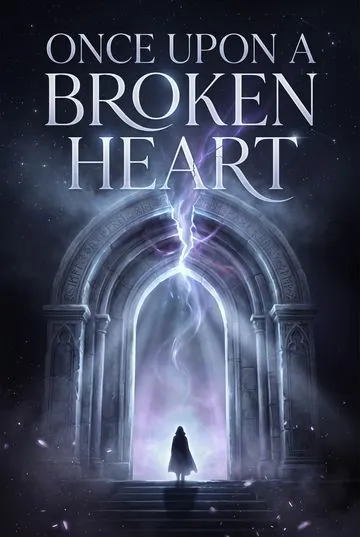
Once Upon a Broken Heart Series
About the Author


Download PDF
Download EPUB
.epub digital book format is ideal for reading ebooks on phones, tablets, and e-readers.








































