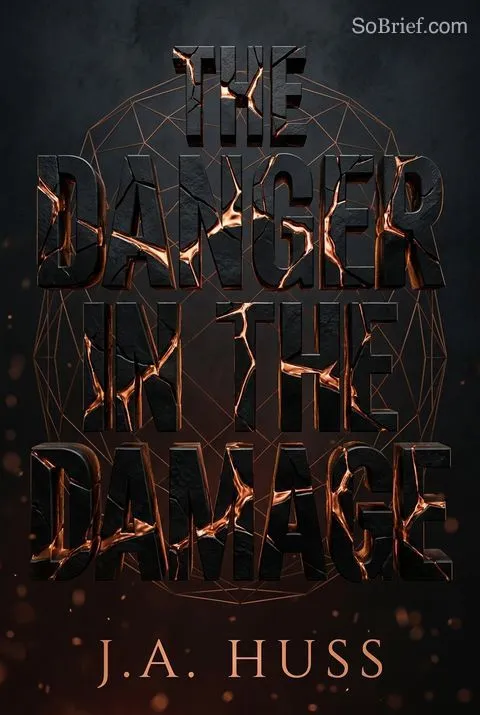
Plot Summary
Puppet Strings and Power
Olive Creed is a highly trained operative, molded since childhood to be the perfect asset. Her handler and lover, Ambrose "Brose" Sinclair, is both her protector and her puppeteer, enforcing a strict regime of control, punishment, and reward. Their relationship is a tangle of dominance and submission, built on the mantra: "He thinks for me, I act for him." Olive's life is a performance, her every move watched and orchestrated by Brose, who is as much a product of generational power as she is of trauma. Together, they are the vanguard of a new breed of operatives—SIO 2.0—meant to correct the failures of the past. But beneath the surface, Olive's sense of self is fragile, her loyalty tested by the very system that claims to own her.
The Bar in the Woods
Ean "Shep" Shephard, a damaged ex-soldier recently released from prison, stumbles upon a mysterious bar hidden deep in the West Virginia woods. The Mule Pit is a den of moonshine, sex, and secrets, staffed by operatives like Olive, who is undercover as a seductive hostess. Shep is drawn to Olive's beauty and vulnerability, but senses the artificiality of her persona. Their charged encounter is interrupted by Shep's own haunted past and Olive's professional obligations. The bar is more than a front—it's a honeypot, designed to lure and compromise targets. For Shep, it's the first step into a web of manipulation, where nothing is as it seems and everyone is being watched.
Rules of Control
Brose and Olive's relationship is defined by rules—spoken and unspoken. Brose's jealousy and possessiveness are both a comfort and a cage for Olive, who craves his approval even as she tests his boundaries. Their sexual games blur the line between discipline and desire, reinforcing Olive's dependence on Brose's authority. But cracks begin to show as Olive's attraction to Shep grows, threatening the delicate balance of power. Brose's control is absolute, yet precarious; his own insecurities and the legacy of his family's involvement in CORE haunt him. The rules that keep Olive in line are the same ones that keep Brose tethered to his own past.
The New Recruit
Shep's arrival at Edge Security is met with suspicion and hostility. He is an outsider among ex-military men, his past with CORE and his time in prison marking him as both dangerous and expendable. The compound is a sanctuary for the damaged, a place where men train dogs and each other, seeking redemption through routine and camaraderie. Shep's only solace is the possibility of a new beginning, but his encounter with Olive at the Mule Pit lingers in his mind. He is drawn to her, not just as a woman, but as a mirror of his own fractured identity. The rules of Edge are clear, but Shep's presence is a wildcard that threatens to disrupt the fragile order.
Seduction and Surveillance
Olive is tasked with seducing Shep, drawing him deeper into the honeypot operation. Every interaction is monitored by Brose, who oscillates between arousal and rage as he watches his asset perform. Olive's feelings for Shep are complicated—part assignment, part genuine curiosity. Shep, for his part, is wary of Olive's advances, recognizing the manipulation but unable to resist the pull. Their encounters are a dance of suspicion and longing, each testing the other's limits. The surveillance is omnipresent, turning intimacy into performance and making every touch a potential betrayal.
The Honeypot Unveiled
The true purpose of the Mule Pit is revealed: it is a CORE operation designed to ensnare Collin Creed, Olive's estranged brother and the head of Edge Security. Olive's mission is to get close to Shep, using him as a conduit to Collin. But as she confides in Shep, the lines between truth and deception blur. She reveals her traumatic past, her connection to Collin, and the layers of manipulation that define her life. Shep is both repulsed and fascinated, recognizing in Olive a fellow victim of systems beyond their control. The honeypot is not just a trap for Collin—it is a crucible for Olive and Shep, forcing them to confront their own agency.
Collateral Connections
Olive's return to Edge Security as Collin's "sister" sets off a chain reaction of suspicion and confrontation. Collin is torn between his protective instincts and his fear of betrayal. Shep is caught in the crossfire, his growing feelings for Olive complicating his loyalty to the team. The compound becomes a pressure cooker, with old wounds resurfacing and new alliances forming. Olive's presence is both a threat and a lifeline, forcing everyone to question where their true loyalties lie. The personal becomes political, and the cost of connection is measured in secrets and scars.
The Handler's Grip
Olive's conditioning as an operative is tested as her relationship with Brose unravels. The mantra—"He thinks for me, I act for him"—becomes both a comfort and a curse. Brose's control slips as Olive's feelings for Shep intensify, leading to jealousy, violence, and ultimately abandonment. The psychological toll of being handled is laid bare: Olive's sense of self is eroded by years of manipulation, her desires indistinguishable from her programming. Brose, too, is a puppet, his actions dictated by the legacy of CORE and the expectations of his family. The grip of the handler is inescapable, and both are left adrift when it is broken.
The Lie Detector
Shep undergoes a high-tech lie detector test, his brain scanned for anomalies that might indicate hidden programming or divided loyalties. The results are ambiguous: he is not working for Charlie Beaufort, but there are unexplained patterns in his brain. Penny Rider, the enigmatic broker, warns that both Shep and Olive may be victims of experiments in mind control—Project Mastermind. The boundaries between memory and reality blur, as both begin to question the authenticity of their experiences. The test is not just of Shep's loyalty, but of his very identity.
The Sister's Return
Olive's return to Collin's life is fraught with tension and nostalgia. She is welcomed as a prodigal sister, but her presence is a constant reminder of past traumas and unresolved guilt. Collin struggles to reconcile the little girl he remembers with the damaged operative before him. Olive, for her part, is desperate for connection but unable to escape the patterns of manipulation that define her. Shep becomes her anchor, even as he grapples with his own sense of displacement. The compound is both a refuge and a prison, and the question of who belongs—and who can be trusted—remains unanswered.
Chain Reaction
The true horror of Project Mastermind is revealed: Olive and Shep are not just victims, but vectors in a chain reaction of control. Their minds have been entangled by CORE, allowing puppet masters to leap from one to the other, hijacking their actions and erasing their agency. The mantra—"I think for you, you act for me"—is weaponized, turning love and loyalty into tools of domination. Brose, too, is revealed as a puppet, his strings pulled by an unseen old man at the heart of the conspiracy. The boundaries between self and other dissolve, and the characters are left to question whether any of their choices were ever their own.
The Cube and the Void
In the aftermath of the mind-control assault, Olive and Shep are placed in a SCIF—a shielded room that blocks all external signals. For the first time, the voices in their heads go silent. The absence of manipulation is both a relief and a terror; stripped of their programming, they are forced to confront the emptiness within. The Cube becomes a metaphor for their condition: isolated, uncertain, and desperate for meaning. Together, they begin the slow process of rebuilding their identities, piecing together memories and forging a connection that is finally their own.
Prisoners of the Mind
Olive and Shep are studied by Penny and her team, their brains scanned and their experiences dissected. The process is slow and painful, but it offers the possibility of healing. Edge Security becomes both a sanctuary and a laboratory, as the two are kept under observation and protected from further manipulation. Their relationship deepens, grounded now in mutual understanding rather than programming. The scars of their past remain, but for the first time, they are free to choose their own path. The question of what is real—and what was implanted—lingers, but hope begins to take root.
The SCIF Sanctuary
Olive and Shep are given a home within the compound, a Faraday-caged house that shields them from outside influence. Their days are structured by routine and therapy, their nights by the tentative exploration of intimacy untainted by control. The threat of CORE and Project Mastermind remains, but within the sanctuary of the SCIF, they are able to reclaim a measure of autonomy. The journey is far from over, but the possibility of a future—together and free—is no longer a fantasy.
The End of the Line
Olive and Shep come to terms with the reality of their condition: they may never fully escape the legacy of manipulation, but they can choose how to live with it. Edge Security offers them a second chance, but it is one they must fight to keep. The past cannot be erased, but it can be understood. Their love is no longer a weapon, but a source of strength. The end of the line is not an ending, but a new beginning—one defined by agency, resilience, and the refusal to be anyone's puppet.
The Mastermind's Game
In a chilling epilogue, Brose awakens in the Cube, his memories wiped and his identity fractured. The true mastermind—a shadowy old man—reveals that Olive and Shep were merely the latest subjects in a long line of experiments. The cycle of control and erasure continues, with new partners and new games. The victory is hollow, the cost incalculable. The story ends not with triumph, but with the unsettling realization that the battle for autonomy is never truly over.
The Silence Within
In the aftermath, Olive and Shep find themselves alone with their thoughts for the first time. The silence is both a blessing and a curse, forcing them to confront the void left by years of manipulation. Their relationship is tentative, built on the fragile foundation of shared trauma and mutual support. The future is uncertain, but the possibility of self-determination—however limited—offers a glimmer of hope. The silence within is not emptiness, but the space in which new identities can be forged.
Epilogue: Second Chances
Olive and Shep settle into their new reality, watched over by Collin and the team at Edge Security. Therapy and routine offer stability, but the scars of the past remain. The threat of CORE and Project Mastermind lingers, a reminder that freedom is always provisional. Brose, now stripped of his memories and identity, is paired with a new partner, the cycle of control beginning anew. The story ends with the promise of more battles to come, but also with the hard-won knowledge that survival is possible—even in a world built on lies.
Analysis
A modern parable of power, trauma, and the fight for autonomy"The Danger in the Damage" is a dark, intricate exploration of what it means to be controlled—by systems, by people, by our own histories. Through the intertwined stories of Olive, Brose, and Shep, J.A. Huss interrogates the nature of agency in a world where intimacy is weaponized and trust is a liability. The novel's use of mind control as both plot device and metaphor allows for a nuanced examination of trauma, consent, and the possibility of healing. The characters' struggles to reclaim their identities are both deeply personal and universally resonant, reflecting the challenges faced by anyone seeking to break free from cycles of abuse. The story's refusal to offer easy answers or tidy resolutions is its greatest strength, forcing readers to confront the uncomfortable reality that freedom is always provisional, and that the battle for selfhood is never truly over. In the end, the novel is a testament to resilience—the capacity to survive, adapt, and find meaning even in the most hostile of environments.
Review Summary
The Danger in the Damage receives overwhelmingly positive reviews (4.36/5) for its dark, psychological romance involving mind control and military psyops. Readers praise the twisted power dynamics between Olive, her handler Brose, and Shep, calling it a "mindfuck masterpiece" with intense spice and unreliable narrators. Many note the complex layers involving CORE organization, AI manipulation, and psychological conditioning. The story confused some readers but kept them engaged, though several want immediate answers. Most recommend reading the Sacred Trinity series in order and eagerly await the next installment exploring Trinity County's mysteries.
People Also Read










Characters
Olive Creed
Olive is the product of generational trauma and institutional manipulation. Raised as a CORE asset, she is both victim and weapon, her identity shaped by the needs of others. Her relationship with Brose is a microcosm of her life: defined by control, submission, and the constant threat of abandonment. Olive's journey is one of painful awakening, as she confronts the reality of her programming and fights to reclaim her autonomy. Her connection with Shep offers the possibility of genuine intimacy, but it is hard-won and fragile. Olive is both the protagonist and the battleground, her struggle emblematic of the larger war for agency in a world of puppeteers.
Ambrose "Brose" Sinclair
Brose is the scion of a powerful family, raised to be both controller and controlled. His relationship with Olive is built on dominance and dependence, a carefully calibrated system of rewards and punishments. Brose's own sense of self is eroded by the expectations of CORE and the legacy of his ancestors. He is both master and victim, his actions dictated by forces beyond his understanding. In the end, Brose is revealed to be as much a puppet as Olive, his strings pulled by the true mastermind. His fate is a cautionary tale about the dangers of power without self-awareness.
Ean "Shep" Shephard
Shep is a man haunted by his past—his time in CORE, his years in prison, his failures and betrayals. He arrives at Edge Security hoping for a second chance, but is quickly drawn into a web of manipulation and mind control. His connection with Olive is both a lifeline and a liability, forcing him to confront the reality of his own programming. Shep's journey is one of painful self-discovery, as he learns to distinguish between genuine desire and implanted compulsion. His resilience and capacity for empathy make him a rare survivor in a world designed to break people.
Collin Creed
Collin is the head of Edge Security, a man defined by loyalty and guilt. His relationship with Olive is fraught with unresolved trauma and the burden of responsibility. Collin is both a sanctuary and a threat, his love for his sister complicated by the secrets that separate them. He is a man who has built a fortress to keep the world at bay, but is forced to confront the reality that the greatest dangers come from within. Collin's strength lies in his ability to adapt, to protect those he loves even when he cannot save them from themselves.
Penny Rider
Penny is the connective tissue between worlds, a woman who trades in favors and information. She is both ally and enigma, her motives inscrutable but her competence unquestioned. Penny's role is to facilitate the search for truth, but she is also a gatekeeper, deciding who gets access to knowledge and who remains in the dark. Her presence is a reminder that in a world of secrets, trust is always provisional.
Ambrose's Grandfather
The shadowy old man at the heart of CORE's experiments, he is the ultimate puppet master, orchestrating the lives of generations for his own ends. His philosophy is one of absolute control, his methods ruthless and impersonal. He is the embodiment of institutional evil, a reminder that the greatest threats are often faceless and unaccountable. His manipulation of Brose, Olive, and Shep is both personal and systemic, a demonstration of the power of systems to erase individuality.
Amon Parrish
Amon is Collin's right hand at Edge Security, a man defined by pragmatism and suspicion. He is the voice of caution, always questioning motives and looking for hidden threats. Amon's loyalty to Collin is unwavering, but his trust in outsiders is hard-won. He serves as a counterbalance to Collin's emotional investment, ensuring that the needs of the group are not sacrificed for the sake of individuals.
Lowyn McBride
Lowyn is Collin's partner and Olive's surrogate sister, a source of stability and comfort in a world of chaos. Her presence is a reminder of what has been lost, but also of what can be rebuilt. Lowyn's kindness and practicality ground the story, offering a glimpse of normalcy amid the madness.
Cross Parrish
Cross is Amon's son, a boy growing up in the shadow of violence and secrecy. His relationship with Shep and the other men at Edge is a source of hope, a reminder that cycles can be broken and new paths forged. Cross represents the possibility of a future untainted by the sins of the past.
Hattie Miller
Introduced in the epilogue, Hattie is Brose's new asset, a sign that the cycle of control and erasure continues. Her presence is both a threat and a promise, a reminder that the battle for autonomy is never truly over.
Plot Devices
Mind Control and Entanglement
The central plot device is the use of advanced mind control—Project Mastermind—by the shadowy organization CORE. Through a combination of psychological conditioning, neural implants, and quantum entanglement, operatives like Olive and Shep are turned into puppets, their thoughts and actions dictated by handlers like Brose. The mantra—"I think for you, you act for me"—is both a literal command and a metaphor for the erosion of agency. The entanglement allows for the transfer of control from one person to another, creating a chain reaction that can leap from mind to mind. This device is used to explore themes of autonomy, consent, and the dangers of unchecked power.
Unreliable Narration and Memory
The story is structured around the unreliability of memory and perception. Characters experience hallucinations, implanted memories, and false realities, making it difficult to distinguish truth from manipulation. The use of the Cube—a sensory deprivation chamber—serves as both a literal and metaphorical space for the exploration of identity. The narrative structure is fragmented, with shifts in perspective and time that mirror the characters' fractured sense of self.
Surveillance and Forced Proximity
The omnipresence of surveillance—both technological and psychological—turns every interaction into a performance. Characters are forced into close quarters, their relationships shaped by the constant threat of observation and punishment. Forced proximity is used to heighten tension and accelerate the development of intimacy, but also to underscore the impossibility of privacy in a world built on control.
Foreshadowing and Repetition
The story is rich in foreshadowing, with repeated motifs and mantras that signal the recurrence of patterns across generations. The phrase "I think for you, you act for me" is both a warning and a prophecy, its repetition underscoring the difficulty of breaking free from cycles of abuse and manipulation. The ending, with Brose awakening to a new partner, suggests that the battle is ongoing, but also that awareness is the first step toward change.

Download PDF
Download EPUB
.epub digital book format is ideal for reading ebooks on phones, tablets, and e-readers.








































